30 AI Makeup Looks to Try on Your Photo
Explore 30 makeup directions to preview on a photo, from natural and soft glam to smokey, evening, editorial and classic red-lip looks.
On this page
Open the AvaClik tool connected to this guide and try it on your photo.
A makeup preview is easier to judge when each test has a clear visual direction. Instead of asking whether “more makeup” looks better, compare complete looks with different contrast, color balance and emphasis around the eyes, cheeks and lips.
Quick answer
Start with four broad families—natural, glam, smokey and evening—then branch into warmer, cooler, softer or more editorial variations. Keep the source portrait identical so the differences you see come from makeup rather than from a new face, crop or lighting setup.
How to compare makeup looks fairly
A practical way to judge this part of the edit is to ask what evidence exists in the source photo and what the model had to invent. Use the same portrait and similar crop for every test so the style itself is the variable being compared. For this article, the goal is to compare distinct makeup directions on the same portrait without changing identity. The more clearly the source shows the relevant facial region, the easier it is to distinguish a makeup decision from an accidental reconstruction.
Keep comparisons controlled: same source, same crop, same expression and the same scene. Then review overall contrast, color harmony, eye emphasis, lip emphasis, skin finish and preservation of the original face. If several elements change at once, you lose the ability to tell whether the makeup itself improved the portrait or whether the model simply created a different, more flattering image.
Natural and low-contrast looks
This detail matters because makeup is applied to existing anatomy; it should not replace that anatomy. Natural looks are useful when you want polish without strong eye or lip emphasis. In a useful AI preview, the cosmetic layer follows the original geometry while the person underneath remains stable. That distinction is what turns a generated portrait into a meaningful try-on rather than a generic beauty transformation.
Use side-by-side comparison whenever possible and pay particular attention to overall contrast, color harmony, eye emphasis, lip emphasis, skin finish and preservation of the original face. Small deviations are easiest to catch when the original stays visible. If a version is visually impressive but changes facial landmarks, it is a weaker makeup preview than a slightly less dramatic version that preserves identity.
- Check overall contrast against the original rather than from memory.
- Check color harmony against the original rather than from memory.
- Check eye emphasis against the original rather than from memory.
- Check lip emphasis against the original rather than from memory.
Glam and polished looks
Treat this section as a preservation test as much as a styling test. Glam increases definition around eyes, cheeks and lips while still needing believable skin texture. The target is to compare distinct makeup directions on the same portrait without changing identity, not to regenerate the entire portrait. This keeps the article practical for real comparisons because readers can see exactly what the chosen makeup direction changed.
Generate multiple candidates when this area is difficult. Differences in overall contrast, color harmony, eye emphasis, lip emphasis, skin finish and preservation of the original face can be substantial even when the overall look name is the same. Selecting the cleanest candidate is often more reliable than trying to repair a generation that already distorted the face, hair or scene.
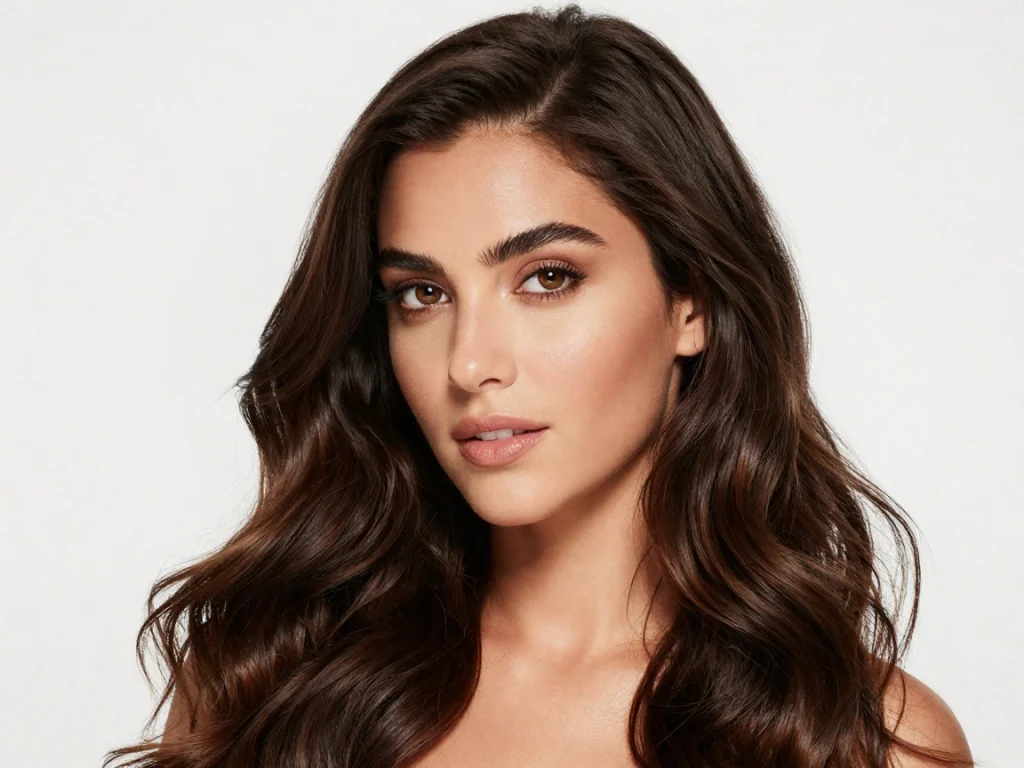
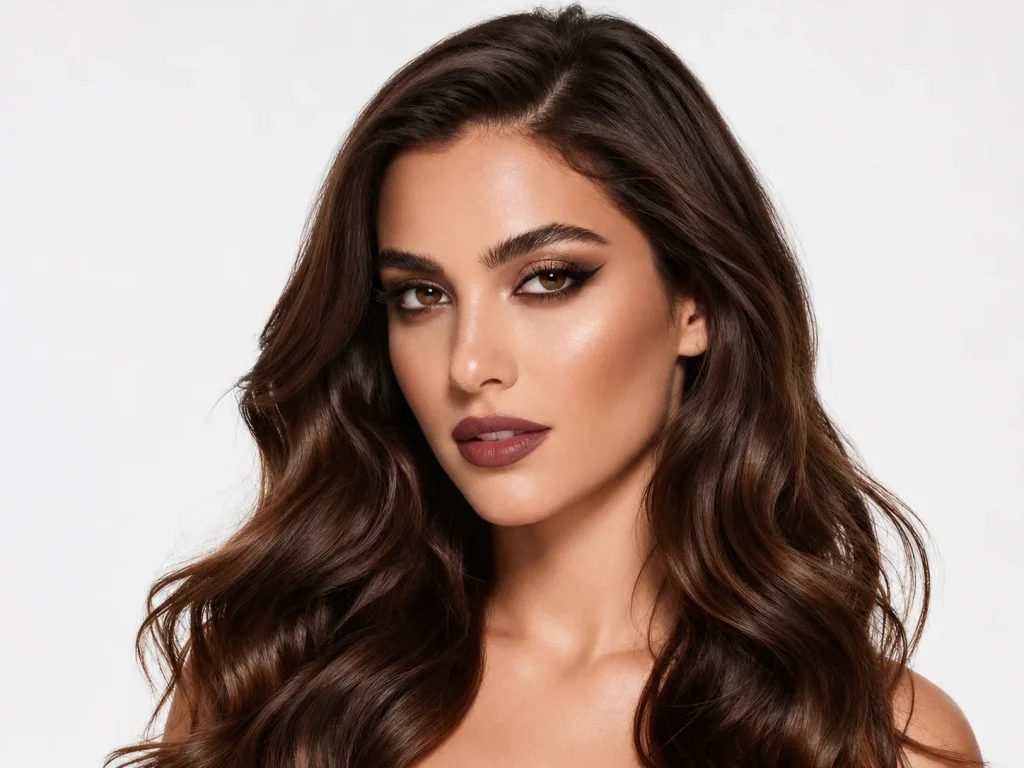
Smokey eye looks
When reviewing this section, separate the requested cosmetic change from everything else in the portrait. Smokey styles concentrate contrast around the eyes and must preserve eyelid and lash-line geometry. The result is strongest when compare distinct makeup directions on the same portrait without changing identity. Compare the same area against the source rather than judging the generated image in isolation, because flattering lighting or smoothing can hide small identity changes.
Inspect overall contrast, color harmony, eye emphasis, lip emphasis, skin finish and preservation of the original face at two scales. At normal viewing size, ask whether the makeup feels coherent with the whole portrait. At close zoom, check the exact edges and texture described in this section. A clean candidate should survive both tests without requiring you to excuse a changed face or inconsistent lighting.
Evening and party looks
A practical way to judge this part of the edit is to ask what evidence exists in the source photo and what the model had to invent. Evening makeup can use deeper tones or shimmer but should remain coherent with the portrait lighting. For this article, the goal is to compare distinct makeup directions on the same portrait without changing identity. The more clearly the source shows the relevant facial region, the easier it is to distinguish a makeup decision from an accidental reconstruction.
Keep comparisons controlled: same source, same crop, same expression and the same scene. Then review overall contrast, color harmony, eye emphasis, lip emphasis, skin finish and preservation of the original face. If several elements change at once, you lose the ability to tell whether the makeup itself improved the portrait or whether the model simply created a different, more flattering image.
Warm versus cool palettes
This detail matters because makeup is applied to existing anatomy; it should not replace that anatomy. Warm and cool makeup can feel very different even at the same intensity. In a useful AI preview, the cosmetic layer follows the original geometry while the person underneath remains stable. That distinction is what turns a generated portrait into a meaningful try-on rather than a generic beauty transformation.
Use side-by-side comparison whenever possible and pay particular attention to overall contrast, color harmony, eye emphasis, lip emphasis, skin finish and preservation of the original face. Small deviations are easiest to catch when the original stays visible. If a version is visually impressive but changes facial landmarks, it is a weaker makeup preview than a slightly less dramatic version that preserves identity.
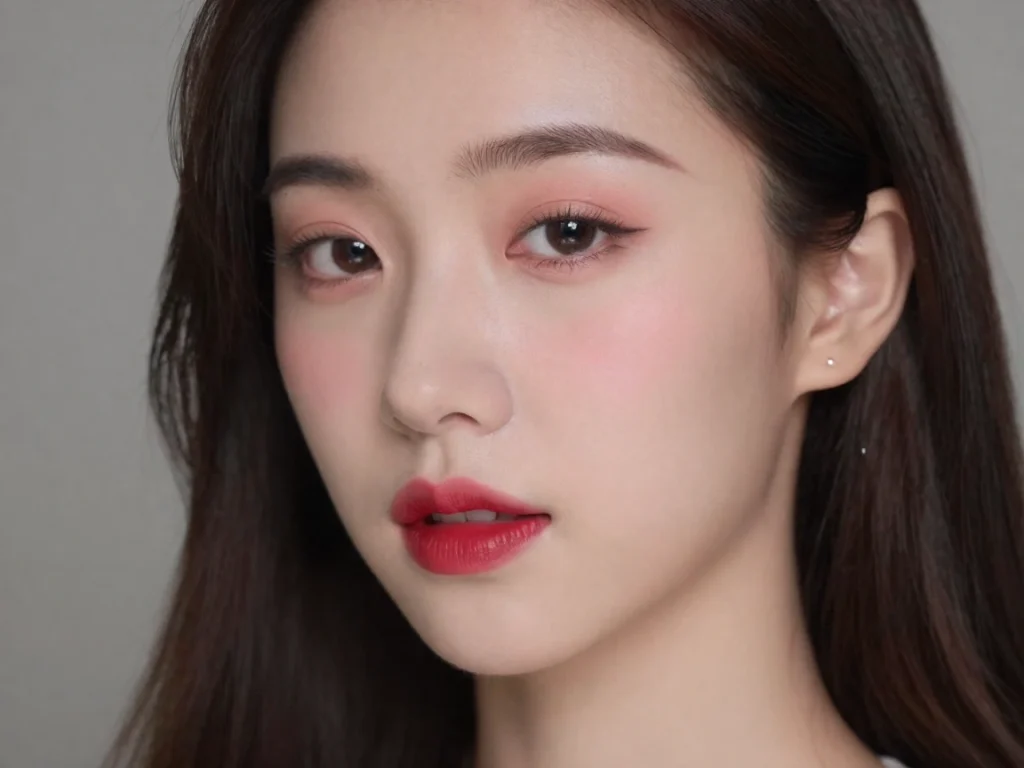
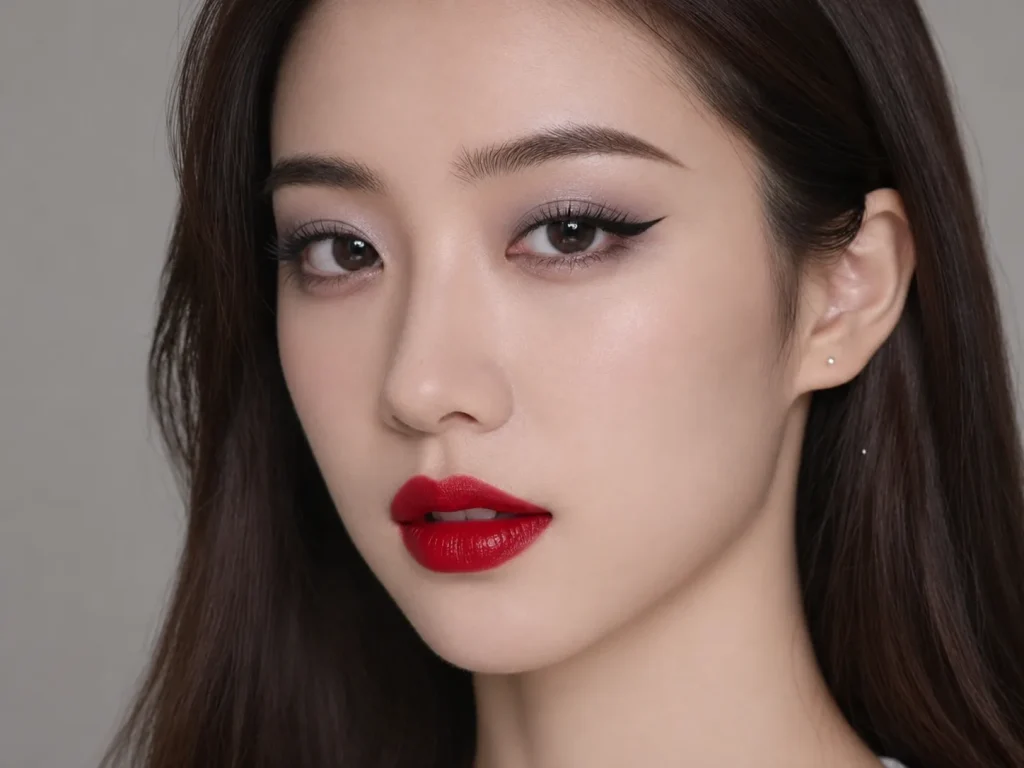
Lip-focused looks
Treat this section as a preservation test as much as a styling test. A strong lip works best when eye and cheek contrast are kept in balance. The target is to compare distinct makeup directions on the same portrait without changing identity, not to regenerate the entire portrait. This keeps the article practical for real comparisons because readers can see exactly what the chosen makeup direction changed.
Generate multiple candidates when this area is difficult. Differences in overall contrast, color harmony, eye emphasis, lip emphasis, skin finish and preservation of the original face can be substantial even when the overall look name is the same. Selecting the cleanest candidate is often more reliable than trying to repair a generation that already distorted the face, hair or scene.
- Check overall contrast against the original rather than from memory.
- Check color harmony against the original rather than from memory.
- Check eye emphasis against the original rather than from memory.
- Check lip emphasis against the original rather than from memory.
Eye-focused looks
When reviewing this section, separate the requested cosmetic change from everything else in the portrait. Winged liner, shimmer and smokey styles should enhance rather than redraw the eye shape. The result is strongest when compare distinct makeup directions on the same portrait without changing identity. Compare the same area against the source rather than judging the generated image in isolation, because flattering lighting or smoothing can hide small identity changes.
Inspect overall contrast, color harmony, eye emphasis, lip emphasis, skin finish and preservation of the original face at two scales. At normal viewing size, ask whether the makeup feels coherent with the whole portrait. At close zoom, check the exact edges and texture described in this section. A clean candidate should survive both tests without requiring you to excuse a changed face or inconsistent lighting.
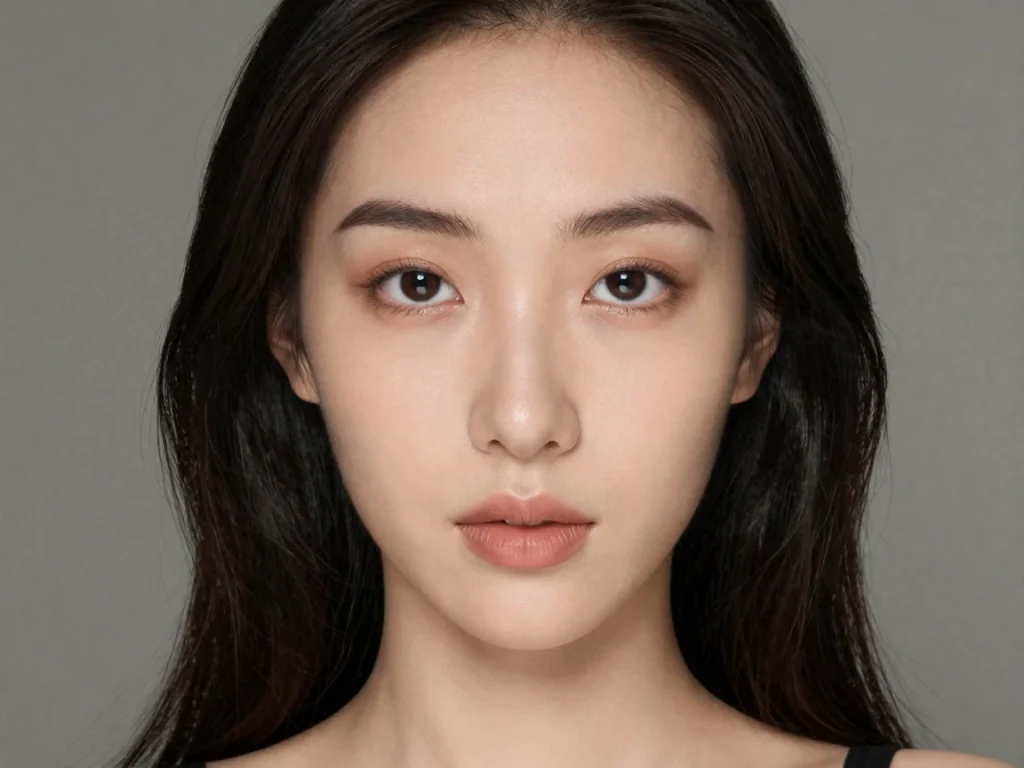
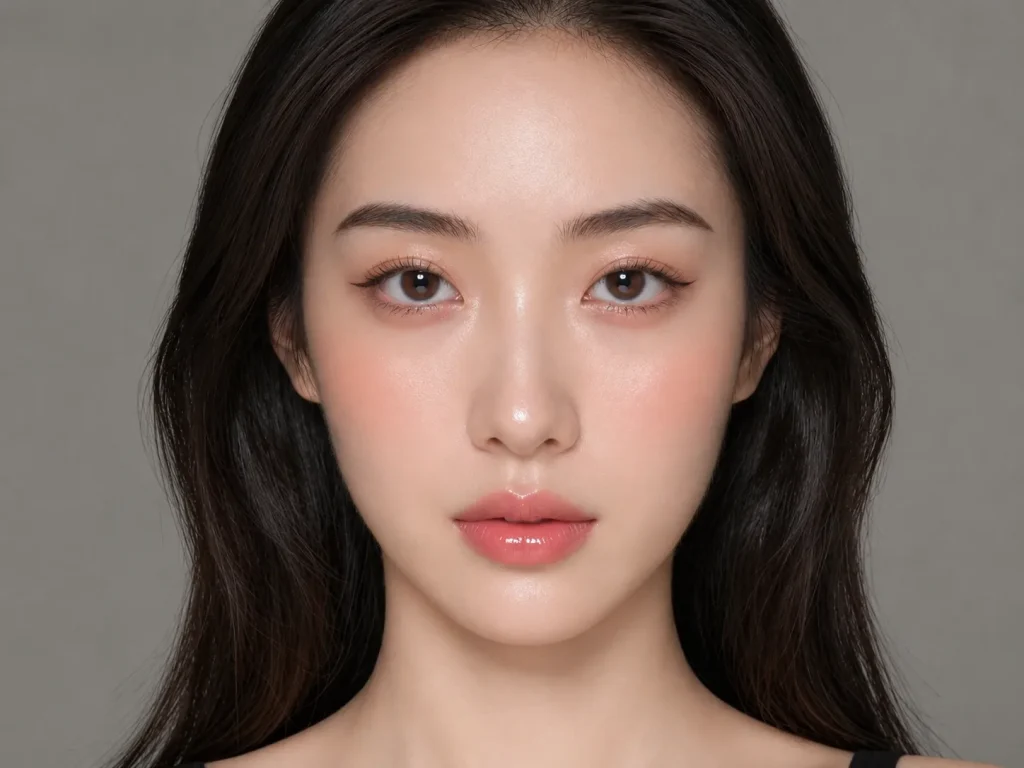
Matte, satin and luminous finishes
A practical way to judge this part of the edit is to ask what evidence exists in the source photo and what the model had to invent. Finish changes how makeup interacts with highlights and skin texture in a photo. For this article, the goal is to compare distinct makeup directions on the same portrait without changing identity. The more clearly the source shows the relevant facial region, the easier it is to distinguish a makeup decision from an accidental reconstruction.
Keep comparisons controlled: same source, same crop, same expression and the same scene. Then review overall contrast, color harmony, eye emphasis, lip emphasis, skin finish and preservation of the original face. If several elements change at once, you lose the ability to tell whether the makeup itself improved the portrait or whether the model simply created a different, more flattering image.
Choose a look for the context
This detail matters because makeup is applied to existing anatomy; it should not replace that anatomy. A casual portrait, studio shoot and evening scene can benefit from different levels of contrast. In a useful AI preview, the cosmetic layer follows the original geometry while the person underneath remains stable. That distinction is what turns a generated portrait into a meaningful try-on rather than a generic beauty transformation.
Use side-by-side comparison whenever possible and pay particular attention to overall contrast, color harmony, eye emphasis, lip emphasis, skin finish and preservation of the original face. Small deviations are easiest to catch when the original stays visible. If a version is visually impressive but changes facial landmarks, it is a weaker makeup preview than a slightly less dramatic version that preserves identity.
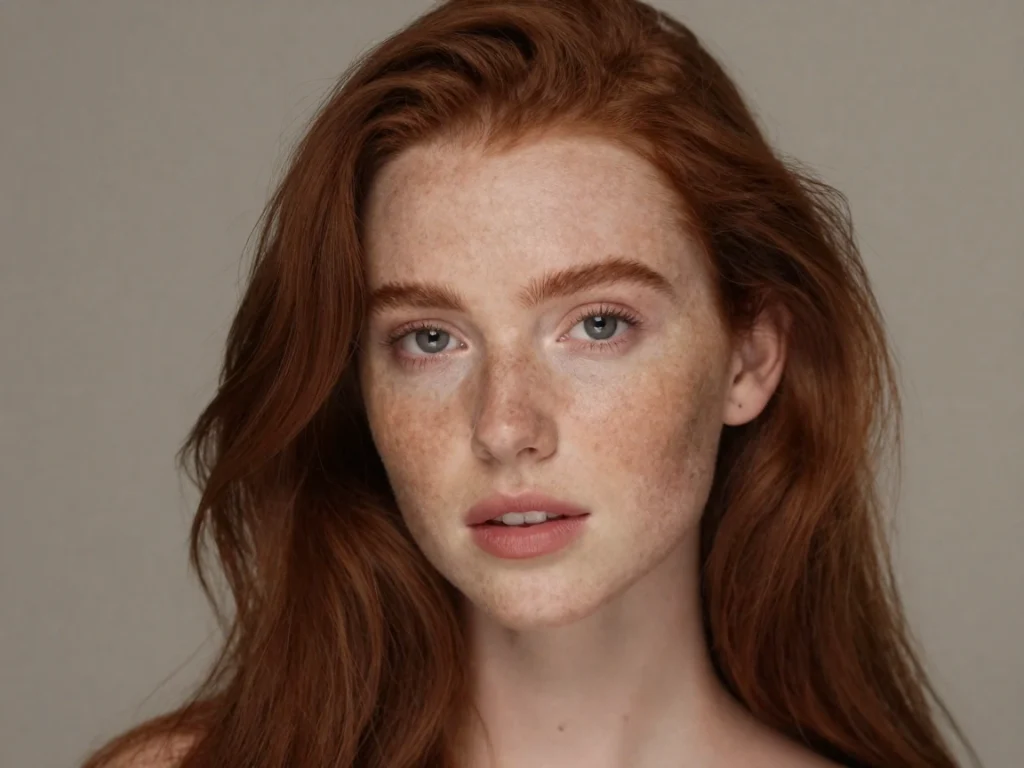
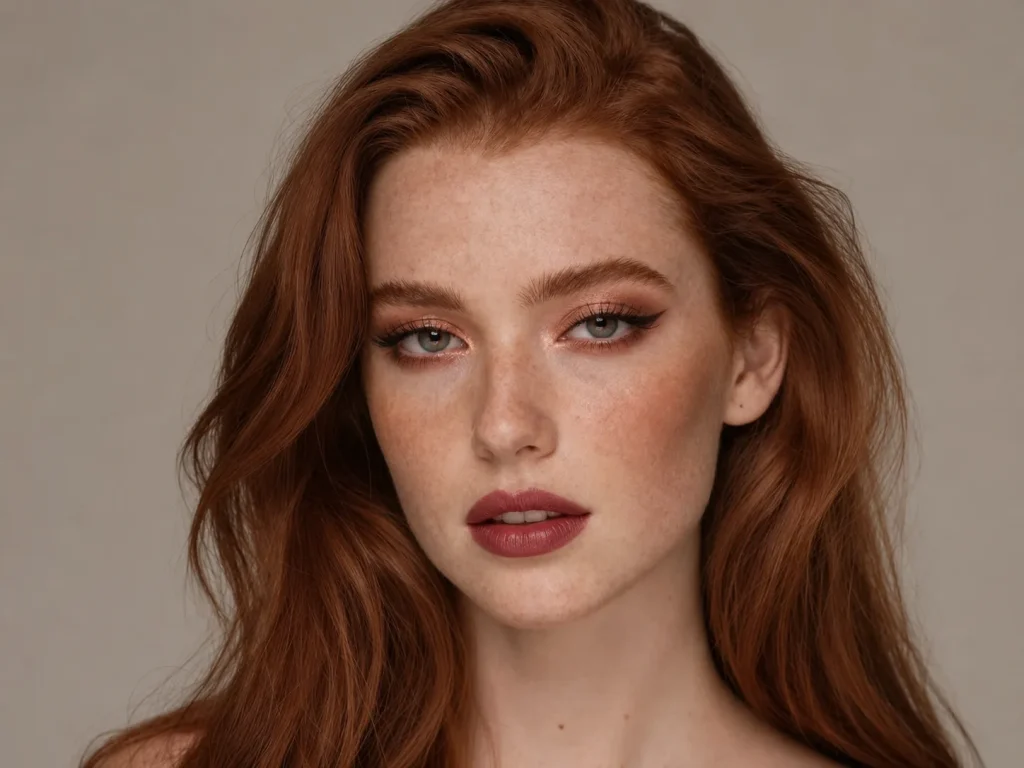
Shortlist before saving
Treat this section as a preservation test as much as a styling test. Compare a small set of finalists side by side rather than judging thirty separate images from memory. The target is to compare distinct makeup directions on the same portrait without changing identity, not to regenerate the entire portrait. This keeps the article practical for real comparisons because readers can see exactly what the chosen makeup direction changed.
Generate multiple candidates when this area is difficult. Differences in overall contrast, color harmony, eye emphasis, lip emphasis, skin finish and preservation of the original face can be substantial even when the overall look name is the same. Selecting the cleanest candidate is often more reliable than trying to repair a generation that already distorted the face, hair or scene.
Keep the preview realistic
When reviewing this section, separate the requested cosmetic change from everything else in the portrait. Use AI to explore directions, then treat real cosmetic shade and texture as a separate real-world decision. The result is strongest when compare distinct makeup directions on the same portrait without changing identity. Compare the same area against the source rather than judging the generated image in isolation, because flattering lighting or smoothing can hide small identity changes.
Inspect overall contrast, color harmony, eye emphasis, lip emphasis, skin finish and preservation of the original face at two scales. At normal viewing size, ask whether the makeup feels coherent with the whole portrait. At close zoom, check the exact edges and texture described in this section. A clean candidate should survive both tests without requiring you to excuse a changed face or inconsistent lighting.
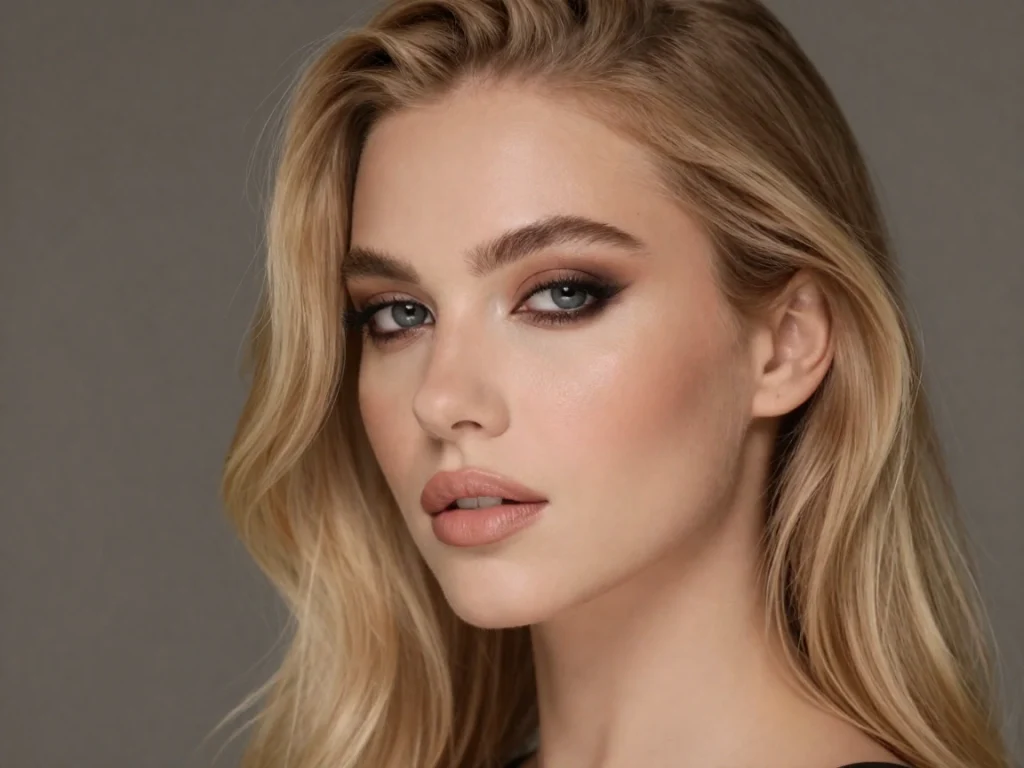
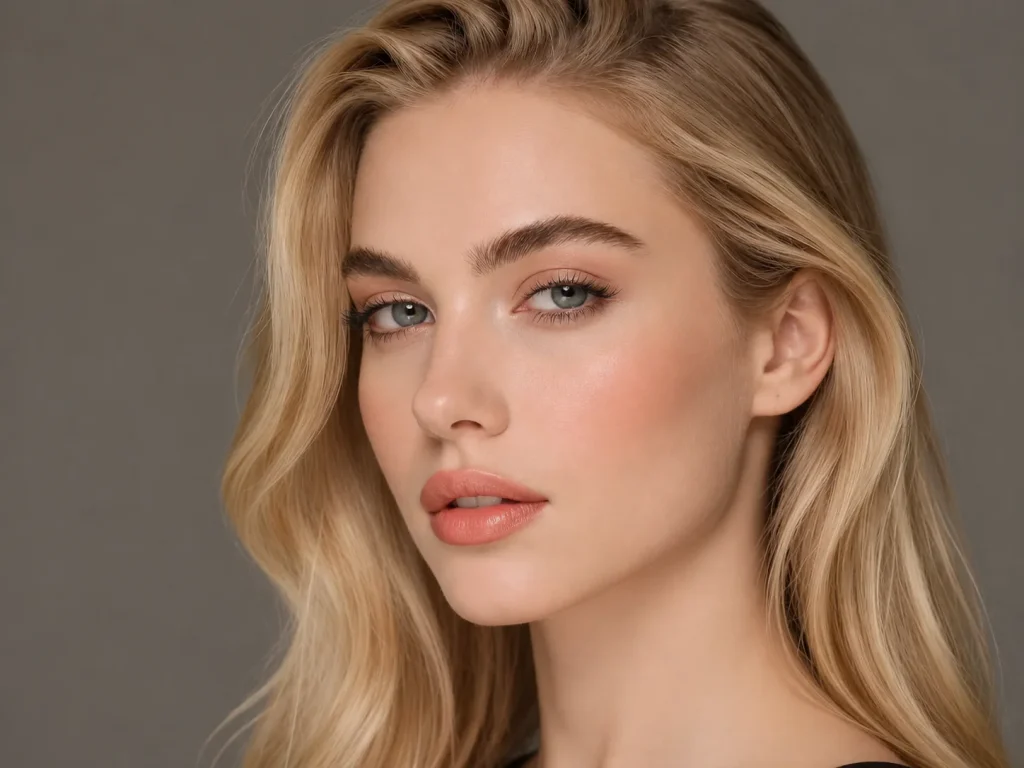
30 makeup looks to compare
The ideas below are visual directions rather than claims about exact cosmetic products. Use them to decide which broad family you prefer, then compare the closest available AvaClik look on the same portrait.
1. No-makeup makeup
No-makeup makeup uses very light complexion balancing, soft mascara, natural brows and a muted lip. Judge the result by whether the style reads clearly while the original face, skin identity, hair and lighting remain stable.
2. Natural everyday
Natural everyday uses light blush, subtle lashes, soft neutral eyes and a comfortable nude lip. Judge the result by whether the style reads clearly while the original face, skin identity, hair and lighting remain stable.
3. Soft glam
Soft glam uses polished skin, warm neutral shadow, defined lashes and a satin nude lip. Judge the result by whether the style reads clearly while the original face, skin identity, hair and lighting remain stable.
4. Classic glam
Classic glam uses defined eyes, sculpted cheeks and a richer lip with balanced contrast. Judge the result by whether the style reads clearly while the original face, skin identity, hair and lighting remain stable.
5. Smokey brown
Smokey brown uses brown-charcoal diffusion around the eyes with controlled liner and a neutral lip. Judge the result by whether the style reads clearly while the original face, skin identity, hair and lighting remain stable.
6. Smokey charcoal
Smokey charcoal uses deeper grey-black eye emphasis with restrained cheeks and lips. Judge the result by whether the style reads clearly while the original face, skin identity, hair and lighting remain stable.
7. Bronze glow
Bronze glow uses warm bronze eyes, sun-kissed cheeks and a glossy neutral lip. Judge the result by whether the style reads clearly while the original face, skin identity, hair and lighting remain stable.
8. Peach makeup
Peach makeup uses peach blush, warm peach eyes and a soft peach-nude lip. Judge the result by whether the style reads clearly while the original face, skin identity, hair and lighting remain stable.
9. Rose makeup
Rose makeup uses rose-toned cheeks and lips with gentle mauve or rose eye accents. Judge the result by whether the style reads clearly while the original face, skin identity, hair and lighting remain stable.
10. Berry look
Berry look uses berry lip and blush tones with balanced eye definition. Judge the result by whether the style reads clearly while the original face, skin identity, hair and lighting remain stable.
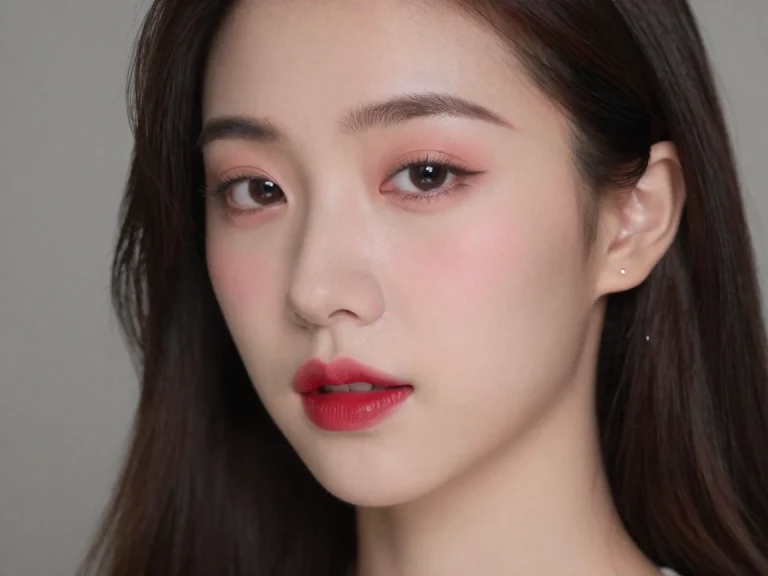
11. Classic red lip
Classic red lip uses clean complexion, defined lashes and a strong red lip as the focal point. Judge the result by whether the style reads clearly while the original face, skin identity, hair and lighting remain stable.
12. Winged liner
Winged liner uses minimal complexion work with a crisp wing and clean lashes. Judge the result by whether the style reads clearly while the original face, skin identity, hair and lighting remain stable.
13. Soft matte
Soft matte uses low-shine skin, diffused neutral shadow and a matte lip. Judge the result by whether the style reads clearly while the original face, skin identity, hair and lighting remain stable.
14. Dewy glow
Dewy glow uses fresh luminous skin, soft blush and glossy lips without plastic smoothing. Judge the result by whether the style reads clearly while the original face, skin identity, hair and lighting remain stable.
15. Monochrome nude
Monochrome nude uses similar nude-beige tones across eyes, cheeks and lips. Judge the result by whether the style reads clearly while the original face, skin identity, hair and lighting remain stable.
16. Mauve evening
Mauve evening uses mauve-plum eyes and lips with stronger evening contrast. Judge the result by whether the style reads clearly while the original face, skin identity, hair and lighting remain stable.
17. Gold evening
Gold evening uses gold shimmer around the eyes with polished liner and a balanced lip. Judge the result by whether the style reads clearly while the original face, skin identity, hair and lighting remain stable.
18. Silver evening
Silver evening uses cool metallic eye detail with neutral cheeks and lips. Judge the result by whether the style reads clearly while the original face, skin identity, hair and lighting remain stable.
19. Plum smokey
Plum smokey uses plum-toned smokey eyes with controlled saturation and a quiet lip. Judge the result by whether the style reads clearly while the original face, skin identity, hair and lighting remain stable.
20. Dark feminine
Dark feminine uses deeper eye definition, sculpted cheeks and a darker neutral or berry lip. Judge the result by whether the style reads clearly while the original face, skin identity, hair and lighting remain stable.
21. Editorial graphic
Editorial graphic uses clean skin with a deliberate graphic eye accent and restrained lips. Judge the result by whether the style reads clearly while the original face, skin identity, hair and lighting remain stable.
22. Minimal portrait
Minimal portrait uses barely-there complexion correction with subtle mascara and lip tint. Judge the result by whether the style reads clearly while the original face, skin identity, hair and lighting remain stable.
23. Warm neutral
Warm neutral uses caramel and brown tones with soft bronzer and warm nude lips. Judge the result by whether the style reads clearly while the original face, skin identity, hair and lighting remain stable.
24. Cool neutral
Cool neutral uses taupe and cool brown eye tones with a pink-beige lip. Judge the result by whether the style reads clearly while the original face, skin identity, hair and lighting remain stable.
25. Romantic soft
Romantic soft uses diffused rosy blush, soft lashes and a hydrated pink lip. Judge the result by whether the style reads clearly while the original face, skin identity, hair and lighting remain stable.
26. Party shimmer
Party shimmer uses visible but controlled shimmer around the eyes with balanced face makeup. Judge the result by whether the style reads clearly while the original face, skin identity, hair and lighting remain stable.
27. Candlelight evening
Candlelight evening uses warm eye and cheek tones designed to remain readable in warm low light. Judge the result by whether the style reads clearly while the original face, skin identity, hair and lighting remain stable.
28. Studio beauty
Studio beauty uses clean polished makeup with detail that survives close portrait lighting. Judge the result by whether the style reads clearly while the original face, skin identity, hair and lighting remain stable.
29. Black outfit glam
Black outfit glam uses slightly stronger eye or lip contrast designed to balance dark clothing. Judge the result by whether the style reads clearly while the original face, skin identity, hair and lighting remain stable.
30. Light outfit natural
Light outfit natural uses fresh low-contrast makeup that does not overpower pale clothing. Judge the result by whether the style reads clearly while the original face, skin identity, hair and lighting remain stable.
Practical review checklist
- Confirm the result still shows the same person before judging the makeup style.
- Review overall contrast, color harmony, eye emphasis, lip emphasis, skin finish and preservation of the original face against the source image.
- Zoom in on eyes, brows and lips for edge artifacts, then zoom out to judge overall balance.
- Reject candidates that silently reshape the face or heavily smooth skin when that was not the purpose.
- Remember that screen color and AI rendering are approximate references for real cosmetics.
Related AvaClik guides
- How to Try Natural Makeup With AI
- How to Try a Glam Makeup Look With AI
- How to Try Smokey Eye Makeup With AI
- How to Try Evening Makeup With AI
Try the makeup look in AvaClik
For 30 AI Makeup Looks to Try on Your Photo, open the AvaClik AI Makeup tool with the same adult portrait used for your comparison. Keep the original visible beside the generated result so you can judge the makeup direction while checking that the face, hair, expression and scene remain consistent.
Try AvaClik AI Makeup
Choose a ready-made makeup look, generate a new portrait and review the face, skin, eyes and lips against your original.
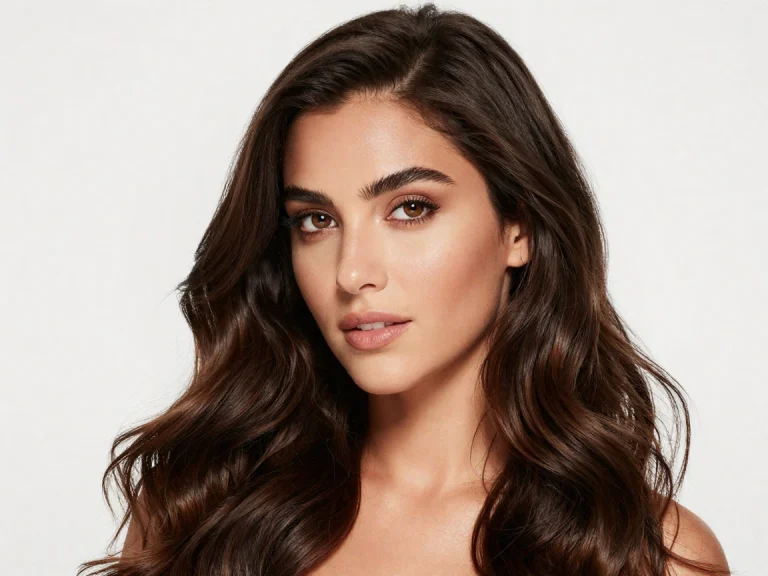
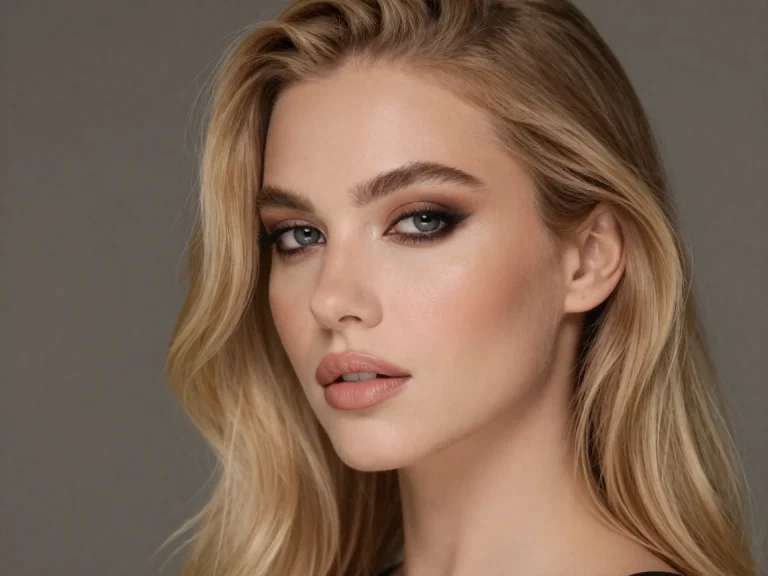
Try this in AvaClik
Try the workflow in AvaClik
Upload a photo you have permission to edit, make a change, check the result and refine it.
Try AvaClik AI Makeup ↗