How to Change Makeup Without Changing Your Face
Learn how to judge whether an AI makeup edit changed only cosmetics or also altered face shape, eyes, lips, nose, skin or expression.
On this page
Open the AvaClik tool connected to this guide and try it on your photo.
The most important quality test for AI makeup is not whether the result is attractive. It is whether the same person is still present underneath the makeup. Face drift can be subtle because flattering retouching often hides the fact that the model changed anatomy.
Quick answer
Compare the original and result using fixed landmarks: jaw width, nose shape, eye spacing, iris position, lip outline, brows, freckles and expression. If those move while only makeup was requested, choose another result rather than accepting the drift.
Define what must remain unchanged
This detail matters because makeup is applied to existing anatomy; it should not replace that anatomy. Face shape and feature geometry should be treated as locked information during a makeup preview. In a useful AI preview, the cosmetic layer follows the original geometry while the person underneath remains stable. That distinction is what turns a generated portrait into a meaningful try-on rather than a generic beauty transformation.
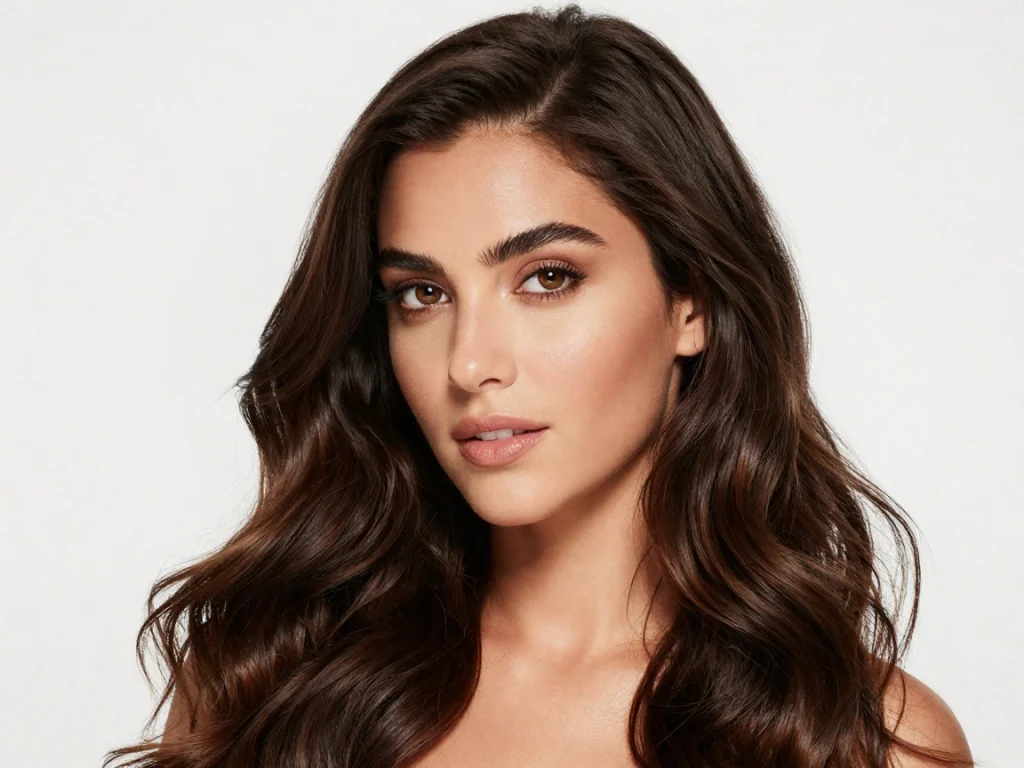
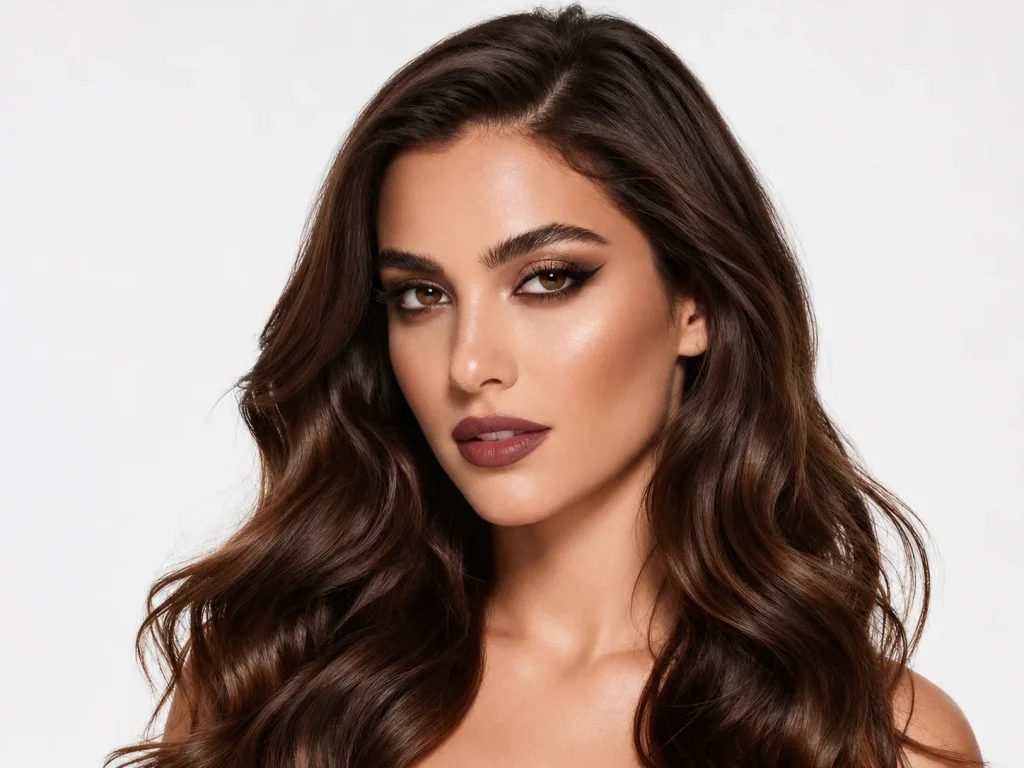
Use side-by-side comparison whenever possible and pay particular attention to jaw, cheeks, nose, eye spacing, iris position, lips, brows, freckles, skin texture and expression. Small deviations are easiest to catch when the original stays visible. If a version is visually impressive but changes facial landmarks, it is a weaker makeup preview than a slightly less dramatic version that preserves identity.
Check jaw and cheek width
Treat this section as a preservation test as much as a styling test. Contour-like makeup can create an illusion of structure without physically narrowing the jaw. The target is to isolate cosmetic changes from identity changes, not to regenerate the entire portrait. This keeps the article practical for real comparisons because readers can see exactly what the chosen makeup direction changed.
Generate multiple candidates when this area is difficult. Differences in jaw, cheeks, nose, eye spacing, iris position, lips, brows, freckles, skin texture and expression can be substantial even when the overall look name is the same. Selecting the cleanest candidate is often more reliable than trying to repair a generation that already distorted the face, hair or scene.
- Check jaw against the original rather than from memory.
- Check cheeks against the original rather than from memory.
- Check nose against the original rather than from memory.
- Check eye spacing against the original rather than from memory.
Check eye size and spacing
When reviewing this section, separate the requested cosmetic change from everything else in the portrait. Liner and lashes can visually emphasize eyes, but they should not move or enlarge them. The result is strongest when isolate cosmetic changes from identity changes. Compare the same area against the source rather than judging the generated image in isolation, because flattering lighting or smoothing can hide small identity changes.
Inspect jaw, cheeks, nose, eye spacing, iris position, lips, brows, freckles, skin texture and expression at two scales. At normal viewing size, ask whether the makeup feels coherent with the whole portrait. At close zoom, check the exact edges and texture described in this section. A clean candidate should survive both tests without requiring you to excuse a changed face or inconsistent lighting.
Check nose shape
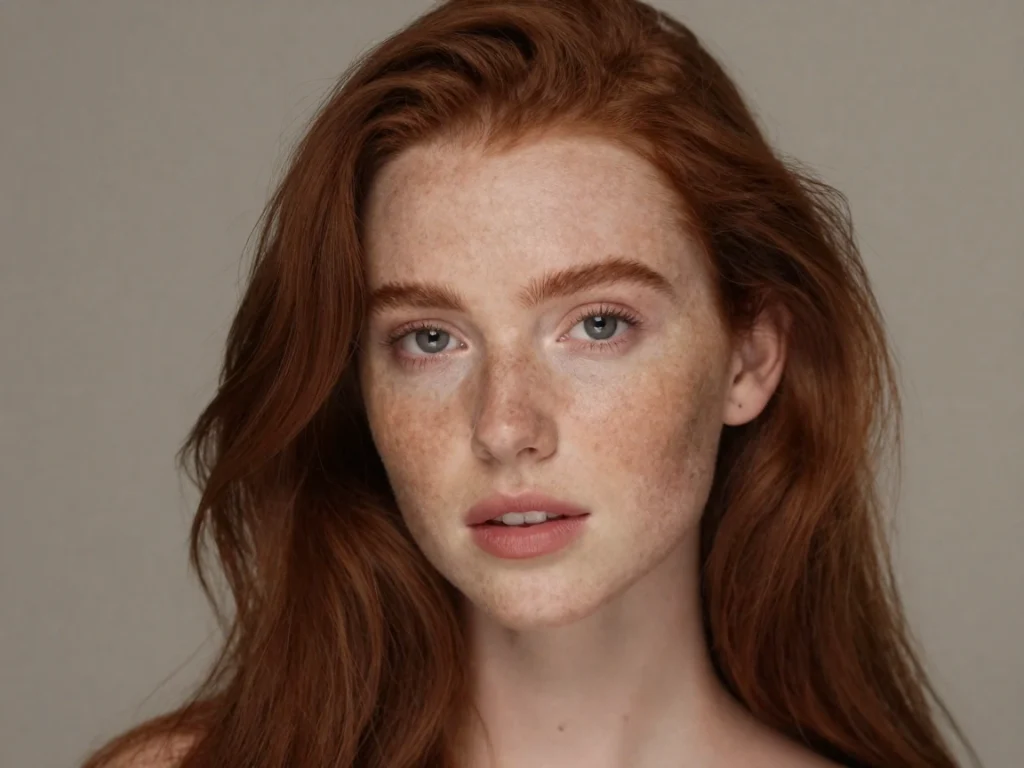
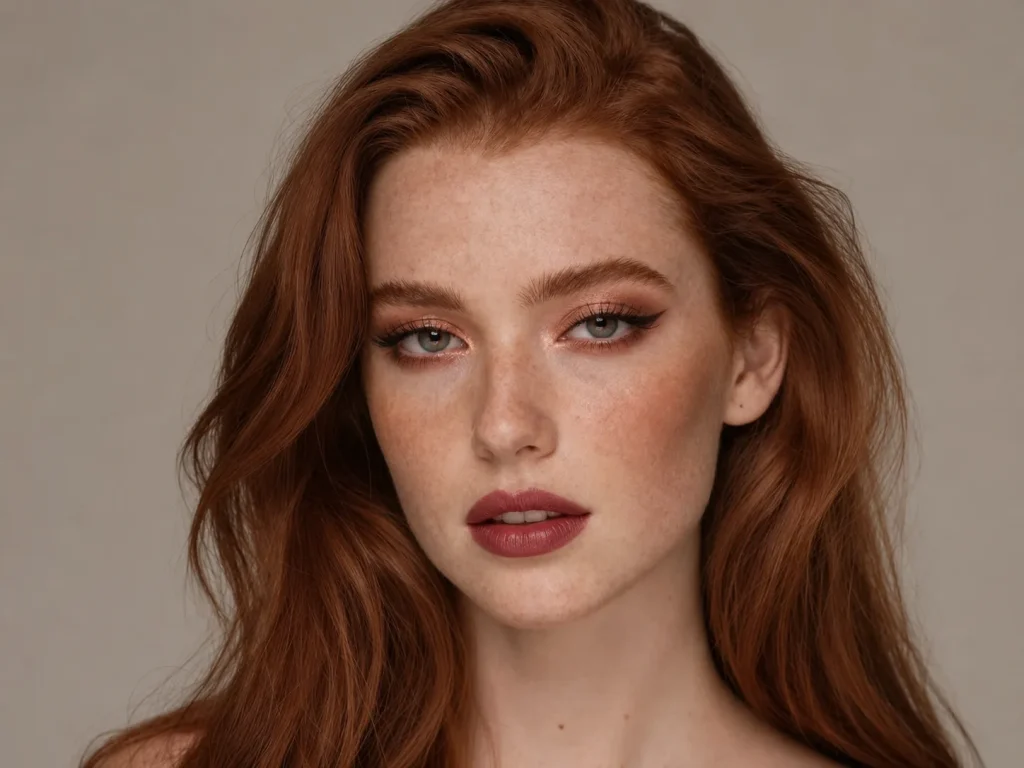
A practical way to judge this part of the edit is to ask what evidence exists in the source photo and what the model had to invent. Highlight and shadow may change perception without changing the actual nose bridge or width. For this article, the goal is to isolate cosmetic changes from identity changes. The more clearly the source shows the relevant facial region, the easier it is to distinguish a makeup decision from an accidental reconstruction.
Keep comparisons controlled: same source, same crop, same expression and the same scene. Then review jaw, cheeks, nose, eye spacing, iris position, lips, brows, freckles, skin texture and expression. If several elements change at once, you lose the ability to tell whether the makeup itself improved the portrait or whether the model simply created a different, more flattering image.
Compare the lip outline
This detail matters because makeup is applied to existing anatomy; it should not replace that anatomy. Lipstick should follow the mouth rather than invent a fuller or differently shaped mouth. In a useful AI preview, the cosmetic layer follows the original geometry while the person underneath remains stable. That distinction is what turns a generated portrait into a meaningful try-on rather than a generic beauty transformation.
Use side-by-side comparison whenever possible and pay particular attention to jaw, cheeks, nose, eye spacing, iris position, lips, brows, freckles, skin texture and expression. Small deviations are easiest to catch when the original stays visible. If a version is visually impressive but changes facial landmarks, it is a weaker makeup preview than a slightly less dramatic version that preserves identity.
Watch eyebrow geometry
Treat this section as a preservation test as much as a styling test. Brows are part of identity and should not silently jump to a new arch or position. The target is to isolate cosmetic changes from identity changes, not to regenerate the entire portrait. This keeps the article practical for real comparisons because readers can see exactly what the chosen makeup direction changed.
Generate multiple candidates when this area is difficult. Differences in jaw, cheeks, nose, eye spacing, iris position, lips, brows, freckles, skin texture and expression can be substantial even when the overall look name is the same. Selecting the cleanest candidate is often more reliable than trying to repair a generation that already distorted the face, hair or scene.
Preserve identifying skin details
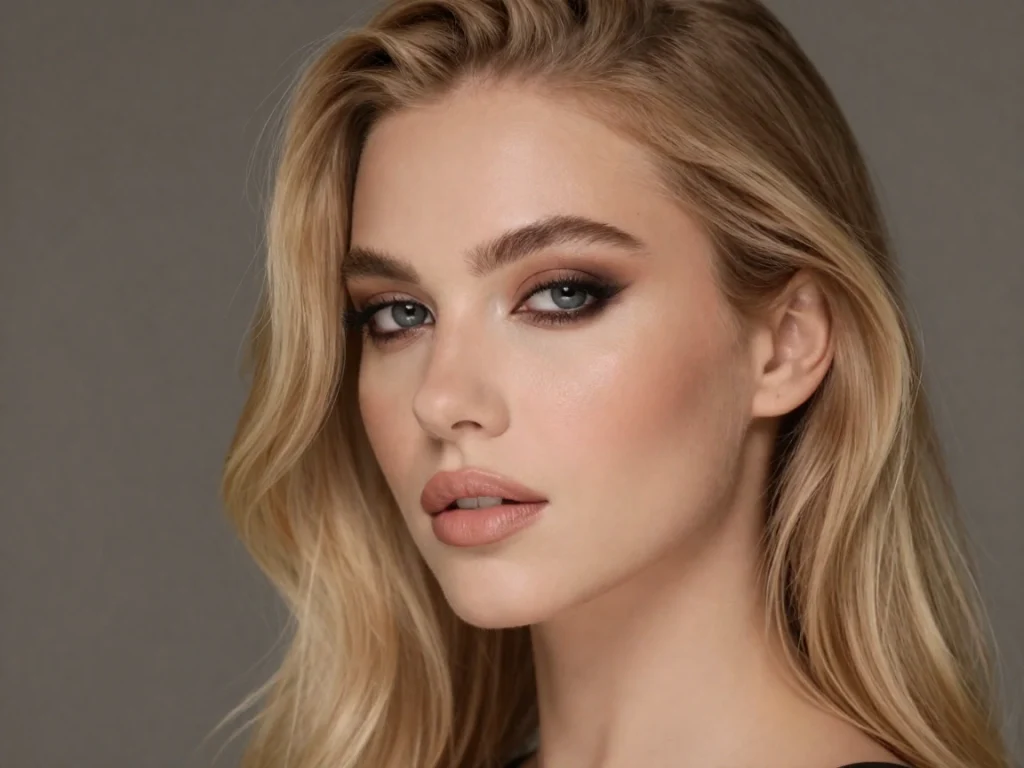
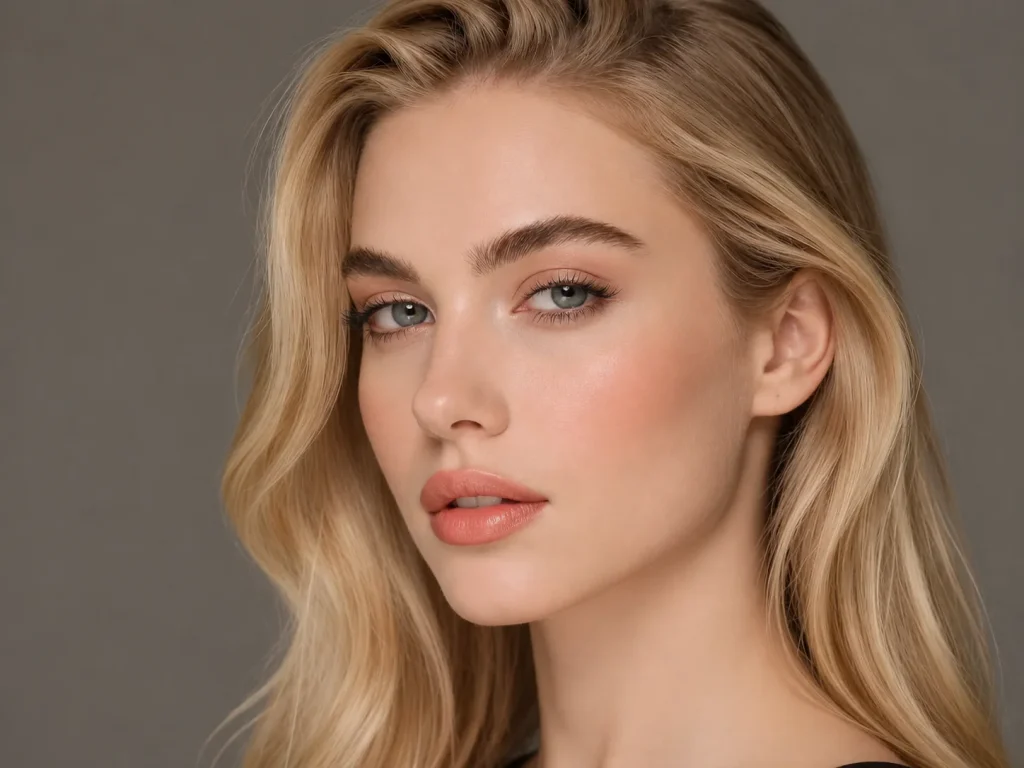
When reviewing this section, separate the requested cosmetic change from everything else in the portrait. Freckles, moles and normal texture are useful anchors for detecting face drift. The result is strongest when isolate cosmetic changes from identity changes. Compare the same area against the source rather than judging the generated image in isolation, because flattering lighting or smoothing can hide small identity changes.
Inspect jaw, cheeks, nose, eye spacing, iris position, lips, brows, freckles, skin texture and expression at two scales. At normal viewing size, ask whether the makeup feels coherent with the whole portrait. At close zoom, check the exact edges and texture described in this section. A clean candidate should survive both tests without requiring you to excuse a changed face or inconsistent lighting.
- Check jaw against the original rather than from memory.
- Check cheeks against the original rather than from memory.
- Check nose against the original rather than from memory.
- Check eye spacing against the original rather than from memory.
Keep the same expression
A practical way to judge this part of the edit is to ask what evidence exists in the source photo and what the model had to invent. A small change in smile or gaze can make a face feel different even when proportions are similar. For this article, the goal is to isolate cosmetic changes from identity changes. The more clearly the source shows the relevant facial region, the easier it is to distinguish a makeup decision from an accidental reconstruction.
Keep comparisons controlled: same source, same crop, same expression and the same scene. Then review jaw, cheeks, nose, eye spacing, iris position, lips, brows, freckles, skin texture and expression. If several elements change at once, you lose the ability to tell whether the makeup itself improved the portrait or whether the model simply created a different, more flattering image.
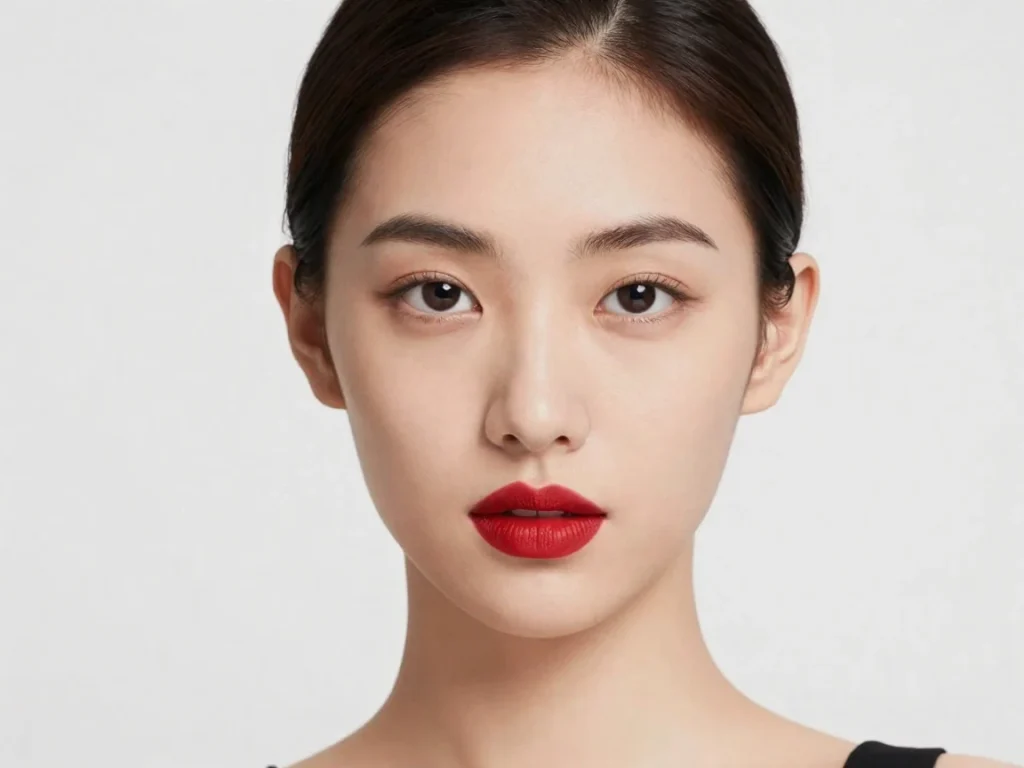
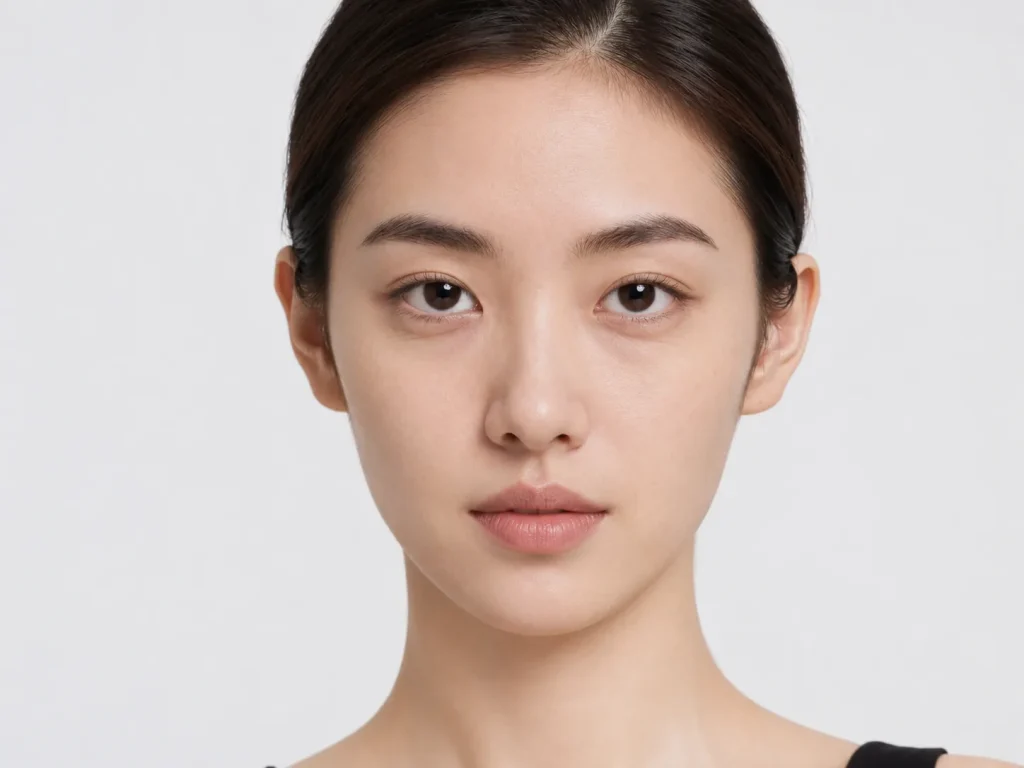
Use side-by-side or overlay comparison
This detail matters because makeup is applied to existing anatomy; it should not replace that anatomy. Alignment makes tiny changes easier to detect than memory-based comparison. In a useful AI preview, the cosmetic layer follows the original geometry while the person underneath remains stable. That distinction is what turns a generated portrait into a meaningful try-on rather than a generic beauty transformation.
Use side-by-side comparison whenever possible and pay particular attention to jaw, cheeks, nose, eye spacing, iris position, lips, brows, freckles, skin texture and expression. Small deviations are easiest to catch when the original stays visible. If a version is visually impressive but changes facial landmarks, it is a weaker makeup preview than a slightly less dramatic version that preserves identity.
Prefer a cleaner candidate over a more flattering one
Treat this section as a preservation test as much as a styling test. The best makeup result is the one that changes the requested cosmetic style and nothing else. The target is to isolate cosmetic changes from identity changes, not to regenerate the entire portrait. This keeps the article practical for real comparisons because readers can see exactly what the chosen makeup direction changed.
Generate multiple candidates when this area is difficult. Differences in jaw, cheeks, nose, eye spacing, iris position, lips, brows, freckles, skin texture and expression can be substantial even when the overall look name is the same. Selecting the cleanest candidate is often more reliable than trying to repair a generation that already distorted the face, hair or scene.
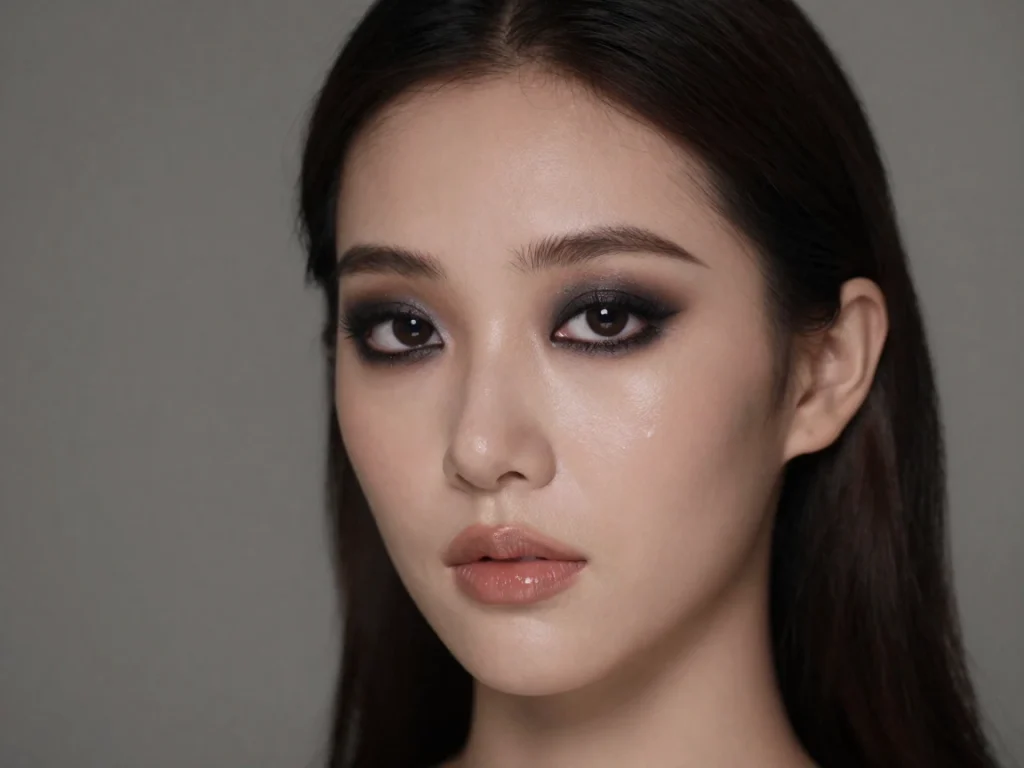
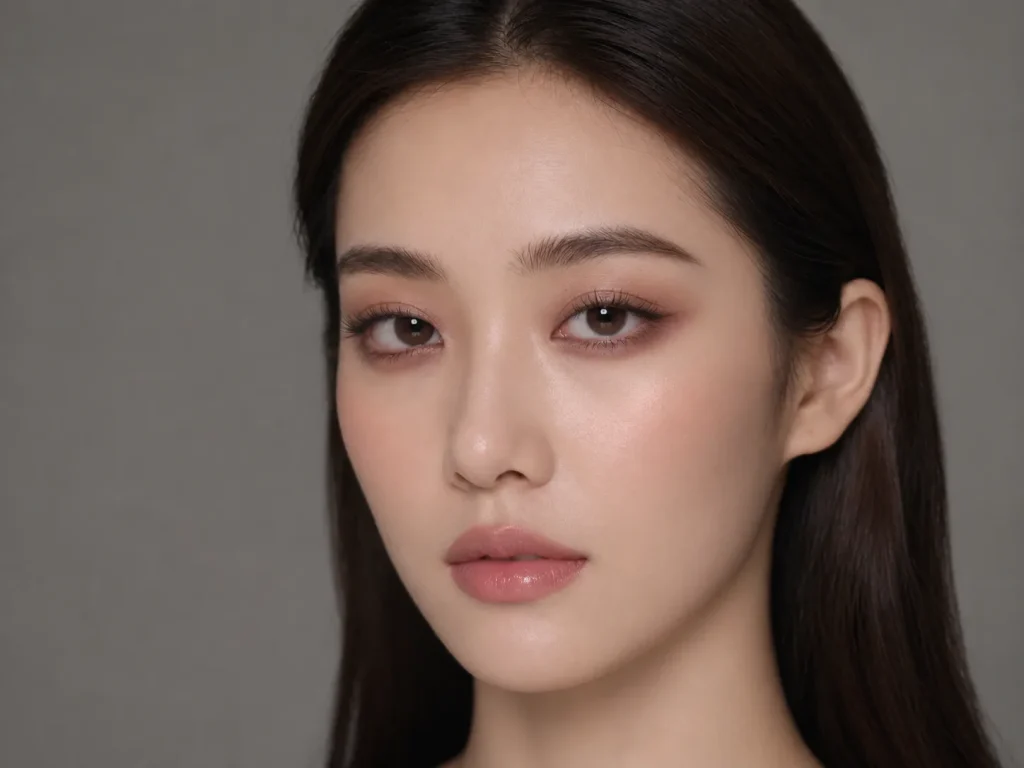
Build honest before/after examples
When reviewing this section, separate the requested cosmetic change from everything else in the portrait. Keep crop, lighting and resolution consistent so readers can judge preservation quality. The result is strongest when isolate cosmetic changes from identity changes. Compare the same area against the source rather than judging the generated image in isolation, because flattering lighting or smoothing can hide small identity changes.
Inspect jaw, cheeks, nose, eye spacing, iris position, lips, brows, freckles, skin texture and expression at two scales. At normal viewing size, ask whether the makeup feels coherent with the whole portrait. At close zoom, check the exact edges and texture described in this section. A clean candidate should survive both tests without requiring you to excuse a changed face or inconsistent lighting.
Save only after identity review
A practical way to judge this part of the edit is to ask what evidence exists in the source photo and what the model had to invent. If any major landmark changed, regenerate rather than treating the altered face as part of the makeup style. For this article, the goal is to isolate cosmetic changes from identity changes. The more clearly the source shows the relevant facial region, the easier it is to distinguish a makeup decision from an accidental reconstruction.
Keep comparisons controlled: same source, same crop, same expression and the same scene. Then review jaw, cheeks, nose, eye spacing, iris position, lips, brows, freckles, skin texture and expression. If several elements change at once, you lose the ability to tell whether the makeup itself improved the portrait or whether the model simply created a different, more flattering image.
Practical review checklist
- Confirm the result still shows the same person before judging the makeup style.
- Review jaw, cheeks, nose, eye spacing, iris position, lips, brows, freckles, skin texture and expression against the source image.
- Zoom in on eyes, brows and lips for edge artifacts, then zoom out to judge overall balance.
- Reject candidates that silently reshape the face or heavily smooth skin when that was not the purpose.
- Remember that screen color and AI rendering are approximate references for real cosmetics.
How much visual change is acceptable?
Makeup can legitimately change perceived contrast around the eyes, cheeks and lips, so the face may feel more defined even when its geometry has not moved. The useful boundary is structural: the jaw, nose, eye spacing, mouth outline and expression should still align with the source. Treat optical emphasis as part of makeup, but treat shifted landmarks as face drift.
Related AvaClik guides
- Best Photos for AI Makeup Try-On: Angle, Lighting & Face Detail
- How to Make AI Makeup Look Natural: Skin, Eyes, Lips & Texture
- AI Makeup for Photoshoots: How to Preview Looks Before a Portrait Session
- AI Makeup Try-On vs Beauty Filter vs Face Retouching
Try the makeup look in AvaClik
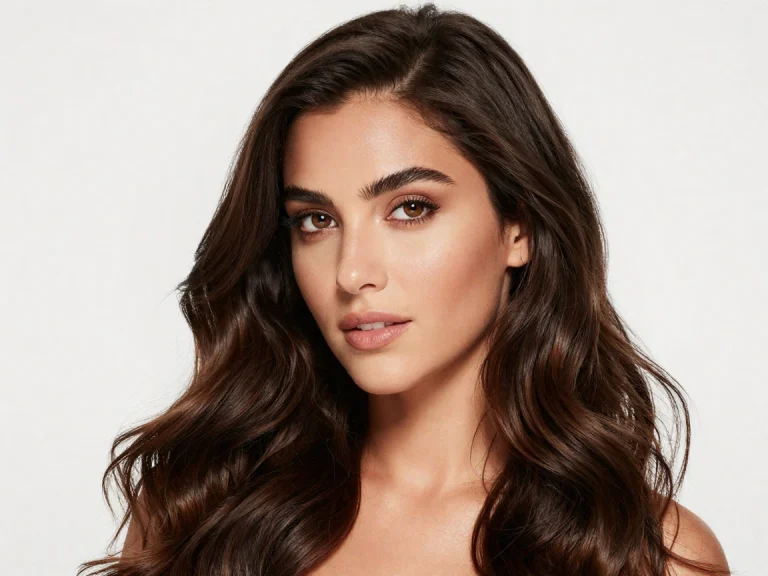
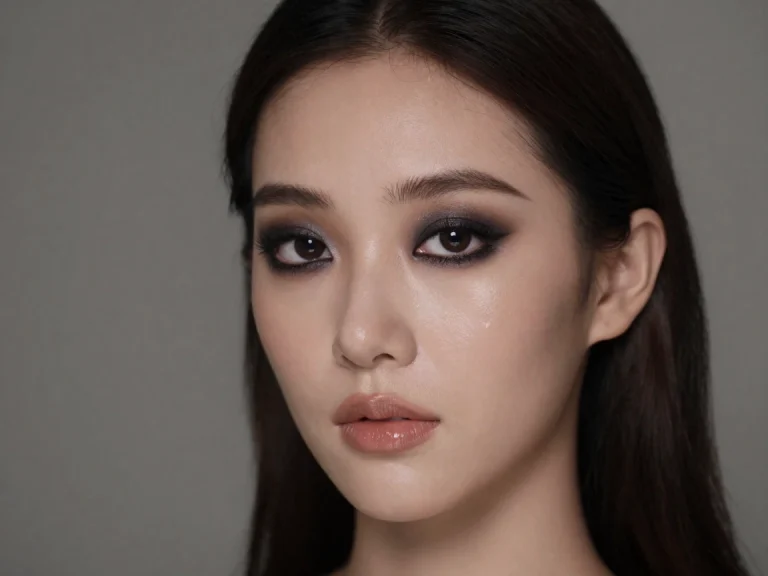
For How to Change Makeup Without Changing Your Face, open the AvaClik AI Makeup tool with the same adult portrait used for your comparison. Keep the original visible beside the generated result so you can judge the makeup direction while checking that the face, hair, expression and scene remain consistent.
Try AvaClik AI Makeup
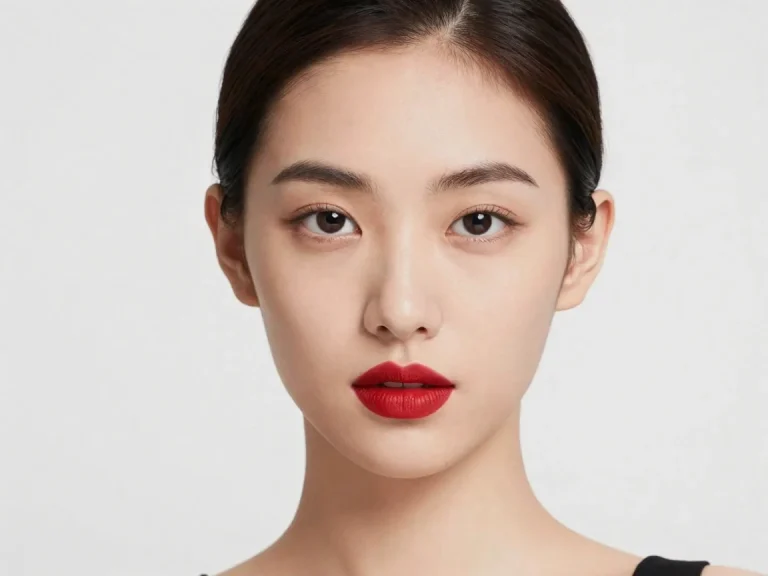
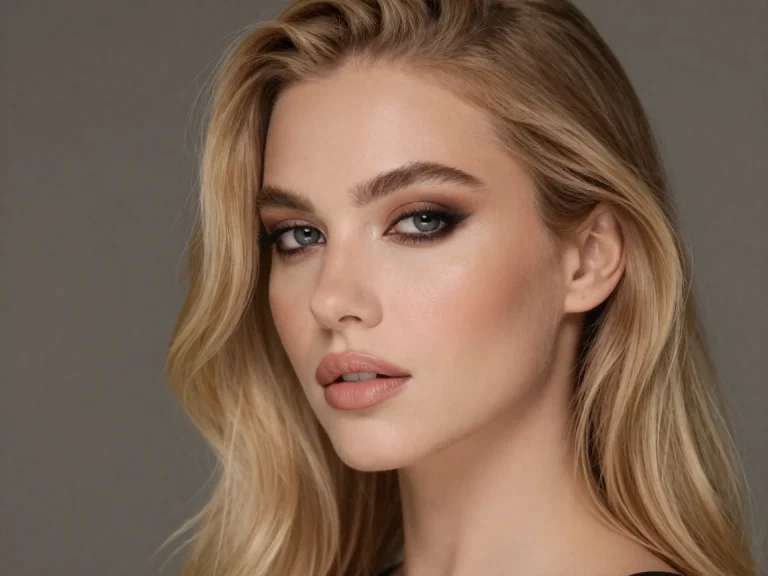
Choose a ready-made makeup look, generate a new portrait and review the face, skin, eyes and lips against your original.
Try this in AvaClik
Try the workflow in AvaClik
Upload a photo you have permission to edit, make a change, check the result and refine it.
Try AvaClik AI Makeup ↗