How to Change a Facial Expression in a Photo With AI: Complete Guide
Learn how to change a facial expression in an adult portrait with AI while keeping identity, hair, lighting and the rest of the photo stable.
On this page
Open the AvaClik tool connected to this guide and try it on your photo.
Facial-expression editing is most useful when the portrait is already good and only the visible expression needs to change. In this guide, the target is a controlled expression change while keeping the same person, hairstyle, lighting, crop and background. AvaClik is an adult photo editor, so use images you have the right to edit and review every generated result before relying on it.
Quick answer
Choose a clear adult portrait, select one expression preset, generate a candidate and compare it directly with the original. The best result changes the coordinated facial expression rather than rebuilding the portrait.
Treat this part of the workflow as a controlled comparison rather than a beauty contest. The purpose is a controlled expression change while keeping the same person, hairstyle, lighting, crop and background. Keep the original visible and inspect identity and face shape, mouth and teeth and eyes and eyelids before deciding that the new expression is successful. A version can be visually striking and still be a weaker edit if it changes stable facial structure or unrelated parts of the portrait.
What an AI expression changer actually changes
A believable expression is a full-face event. The mouth, cheeks, eyes, eyelids, brows and sometimes the jaw all move together, while identity-defining geometry should remain recognizable.
At normal viewing size, ask whether the expression reads immediately and still belongs to the same person. Then zoom in and review eyes and eyelids, eyebrows and forehead and cheek movement. This two-scale check matters because small anatomical errors can disappear in a thumbnail while a technically clean close-up can still feel wrong when the whole portrait is viewed together.
- Compare mouth and teeth directly with the source rather than from memory.
- Compare eyes and eyelids directly with the source rather than from memory.
- Compare eyebrows and forehead directly with the source rather than from memory.
- Compare cheek movement directly with the source rather than from memory.
Choose a source portrait that gives the AI enough evidence
A front-facing or mild three-quarter portrait with visible eyes and mouth gives the model a stable starting point. Heavy blur, tiny faces and strong occlusion make subtle expression work less reliable.
The safest approach is to change one visual idea at a time and keep everything else as a reference. For this section, compare cheek movement and hair and background against the source, then use identity and face shape as a secondary stability check. If multiple unrelated areas drift, start again from the original instead of treating the regenerated version as a new baseline.
Choose one expression direction at a time
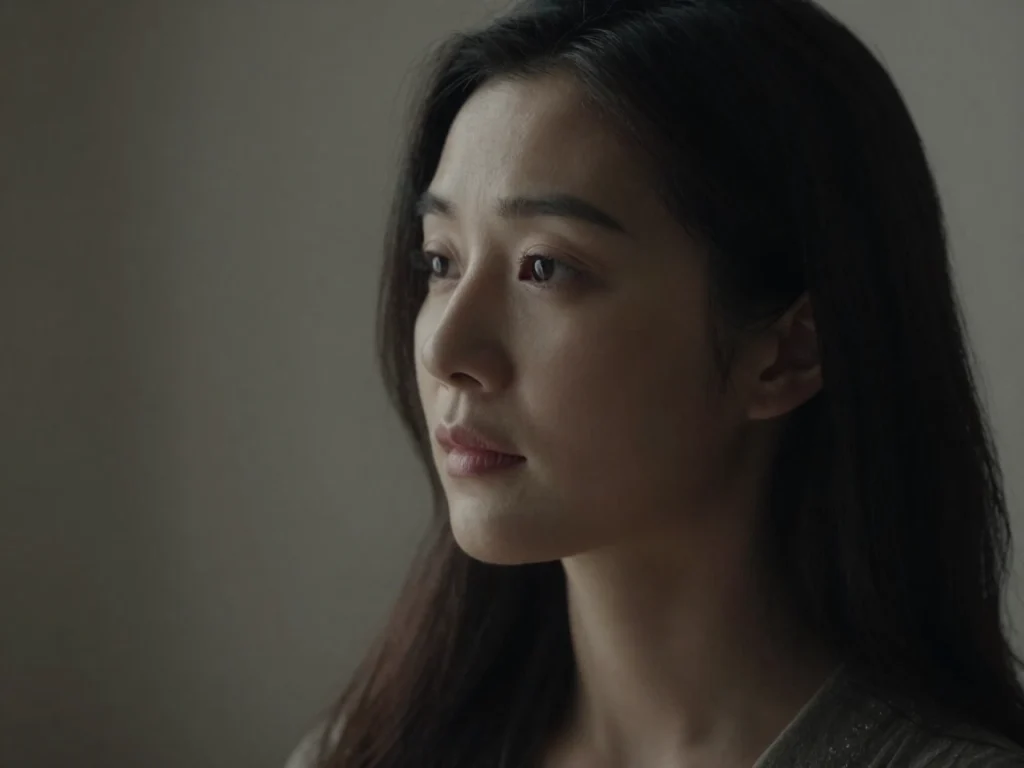
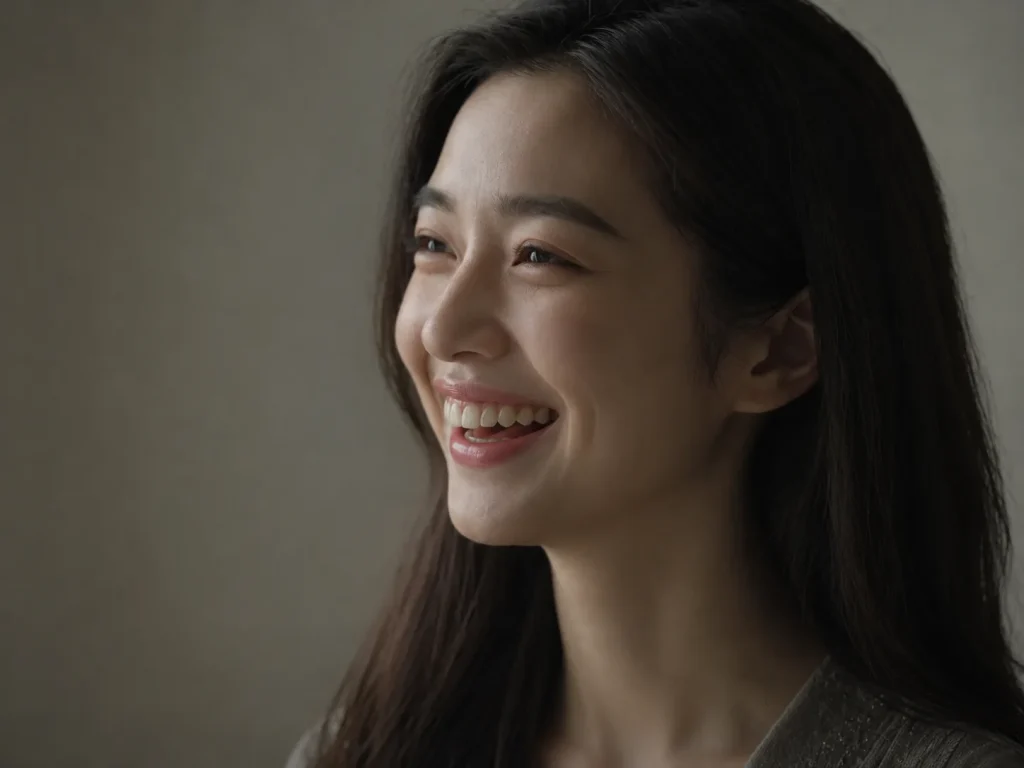
Testing one clear direction such as a natural smile, calm serious look or surprised reaction makes comparison easier than trying to combine several moods in one run.
Expression editing is generative, so there is rarely a single deterministic output. Generate or compare several candidates when this area is difficult. Prefer the candidate that preserves identity and face shape, maintains believable mouth and teeth and does not introduce new problems around eyes and eyelids. Clean preservation is usually more valuable than maximum expression intensity.
Preserve identity before judging the mood
Expression quality is secondary if the result no longer looks like the same person. Compare jaw width, nose shape, eye spacing, lip shape and distinctive facial features before accepting a flattering result.
A useful result should survive direct side-by-side comparison with the source. Look for continuity in eyes and eyelids, then check whether eyebrows and forehead changed only as much as the expression requires. Finally inspect cheek movement for accidental regeneration. This keeps the edit focused on facial movement instead of quietly turning it into a broader face transformation.
Review the mouth, eyes and brows as one system
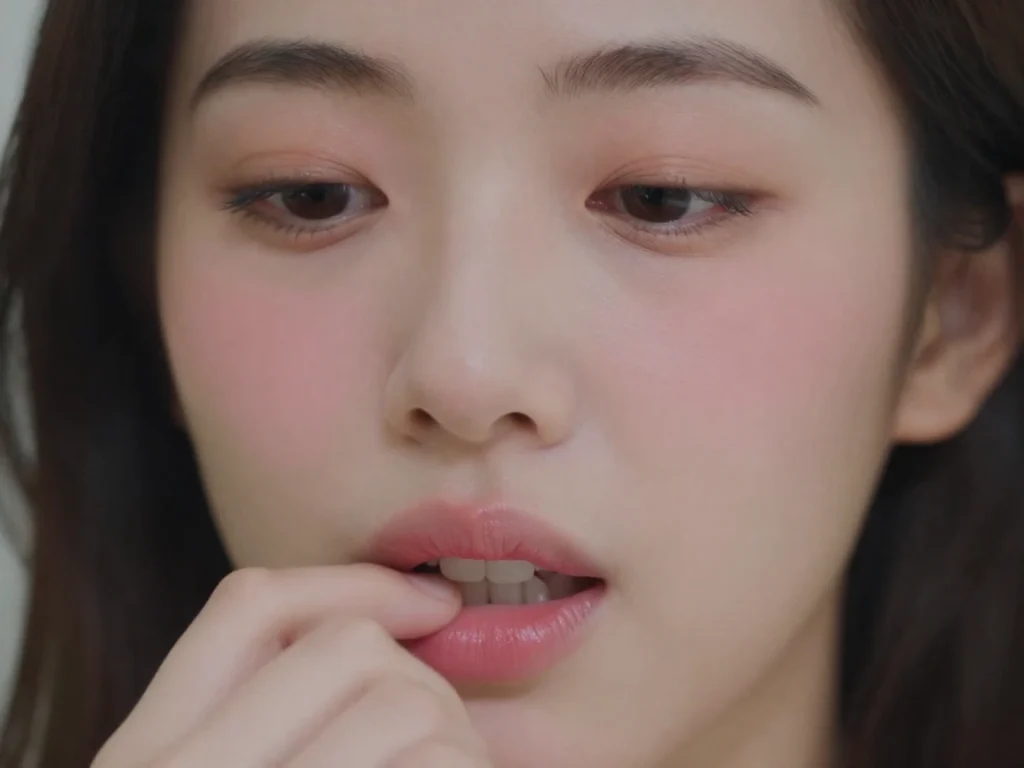
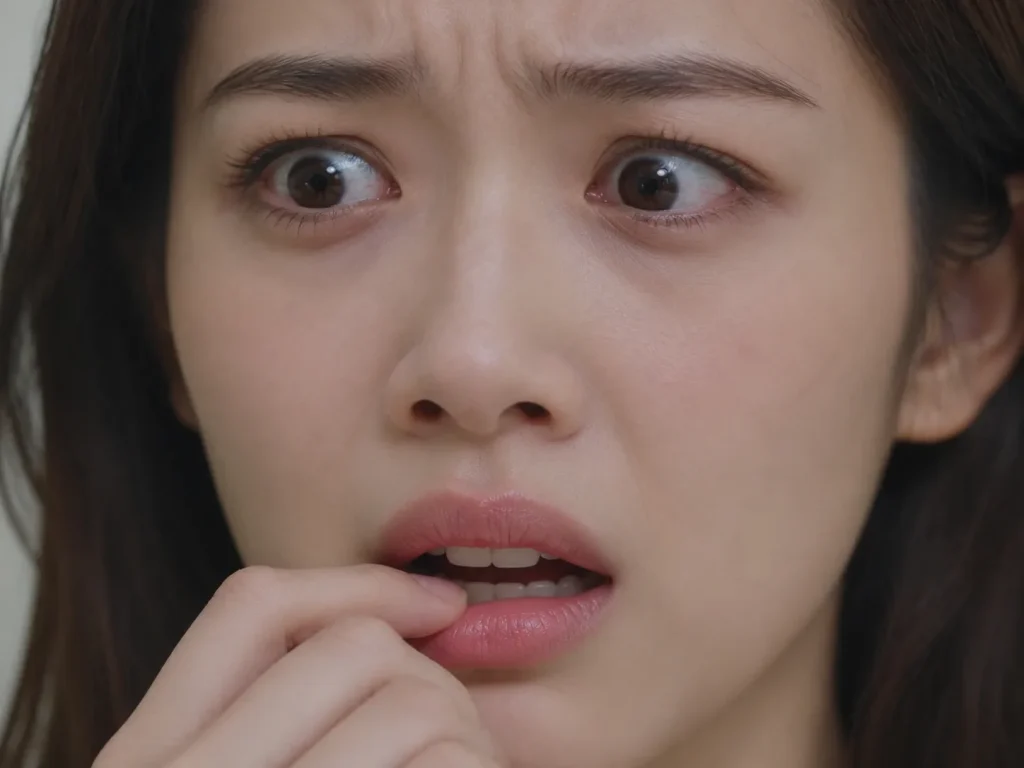
A mouth-only smile often looks artificial. For a natural result, cheek lift, eyelid shape and brow tension should support the chosen expression instead of contradicting it.
Do not infer personality, intent or genuine emotional state from the edited result. The image only shows a generated visual expression. Quality control should therefore stay concrete: is cheek movement plausible, is hair and background anatomically coherent, and did identity and face shape remain faithful to the source? Those questions are more useful than trying to interpret what the artificial expression supposedly means.
- Compare hair and background directly with the source rather than from memory.
- Compare identity and face shape directly with the source rather than from memory.
- Compare mouth and teeth directly with the source rather than from memory.
- Compare eyes and eyelids directly with the source rather than from memory.
Start subtle before testing a stronger expression
Small expression changes are easier to keep faithful to the source. Strong laughter or shock can be useful, but they introduce larger changes around teeth, eyelids, cheeks and jaw position.
Treat this part of the workflow as a controlled comparison rather than a beauty contest. The purpose is a controlled expression change while keeping the same person, hairstyle, lighting, crop and background. Keep the original visible and inspect identity and face shape, mouth and teeth and eyes and eyelids before deciding that the new expression is successful. A version can be visually striking and still be a weaker edit if it changes stable facial structure or unrelated parts of the portrait.
Compare multiple candidates instead of trusting the first result
When several generations are available, choose the one that best preserves identity and anatomy rather than the one with the most dramatic expression. Small differences around eyes and teeth matter.
At normal viewing size, ask whether the expression reads immediately and still belongs to the same person. Then zoom in and review eyes and eyelids, eyebrows and forehead and cheek movement. This two-scale check matters because small anatomical errors can disappear in a thumbnail while a technically clean close-up can still feel wrong when the whole portrait is viewed together.
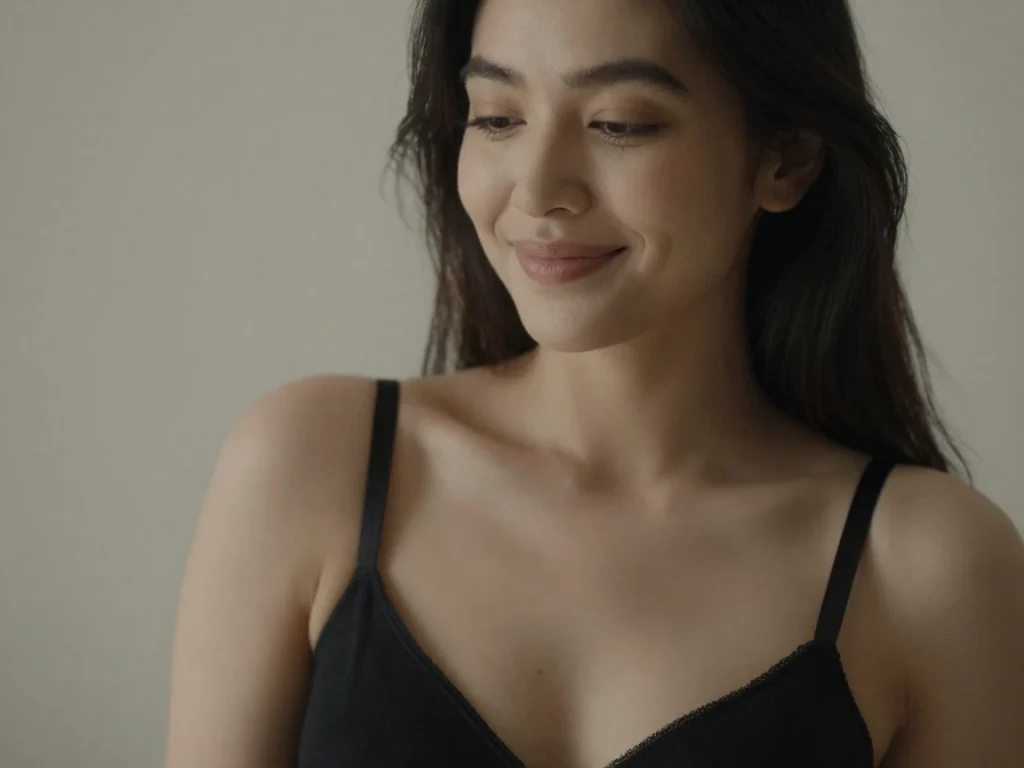
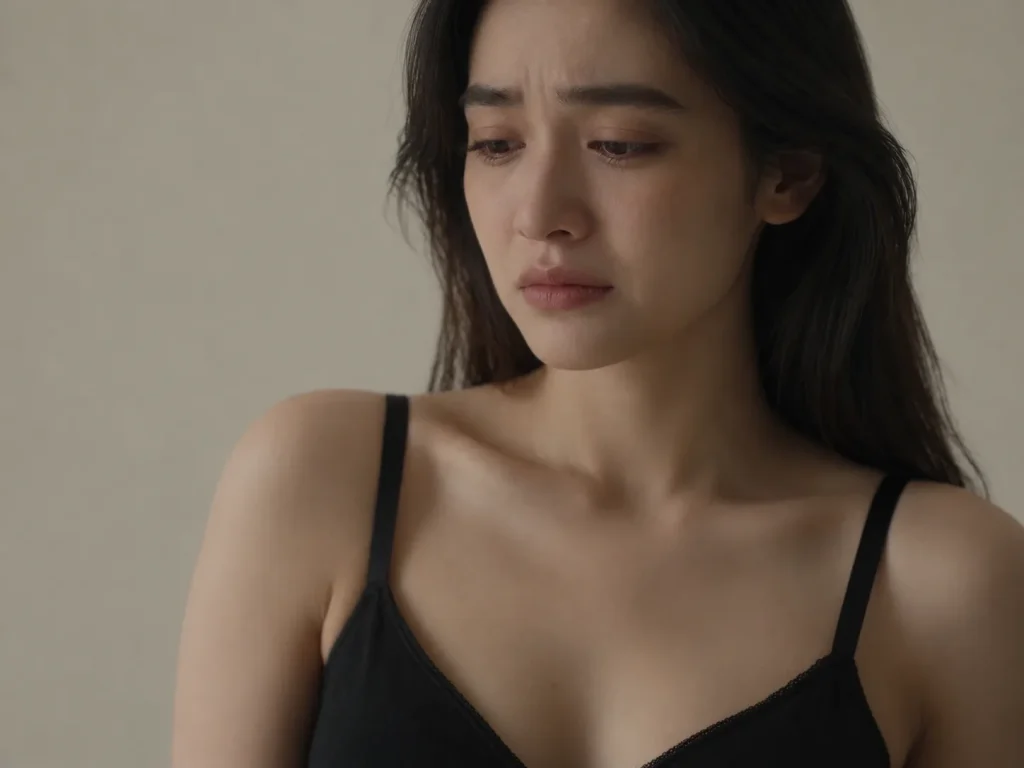
Use both normal-size and close-up review
At normal viewing size, judge whether the portrait feels coherent. At close zoom, inspect teeth, lip edges, eyelids, eyelashes, eyebrow shape and transitions around the cheeks.
The safest approach is to change one visual idea at a time and keep everything else as a reference. For this section, compare cheek movement and hair and background against the source, then use identity and face shape as a secondary stability check. If multiple unrelated areas drift, start again from the original instead of treating the regenerated version as a new baseline.
Useful expression-changing scenarios
Expression editing can help when an otherwise good portrait feels too stiff, too cheerful, too neutral or simply inconsistent with the intended presentation. It is a visual edit, not evidence of a person’s real emotional state.
Expression editing is generative, so there is rarely a single deterministic output. Generate or compare several candidates when this area is difficult. Prefer the candidate that preserves identity and face shape, maintains believable mouth and teeth and does not introduce new problems around eyes and eyelids. Clean preservation is usually more valuable than maximum expression intensity.
- Compare eyebrows and forehead directly with the source rather than from memory.
- Compare cheek movement directly with the source rather than from memory.
- Compare hair and background directly with the source rather than from memory.
- Compare identity and face shape directly with the source rather than from memory.
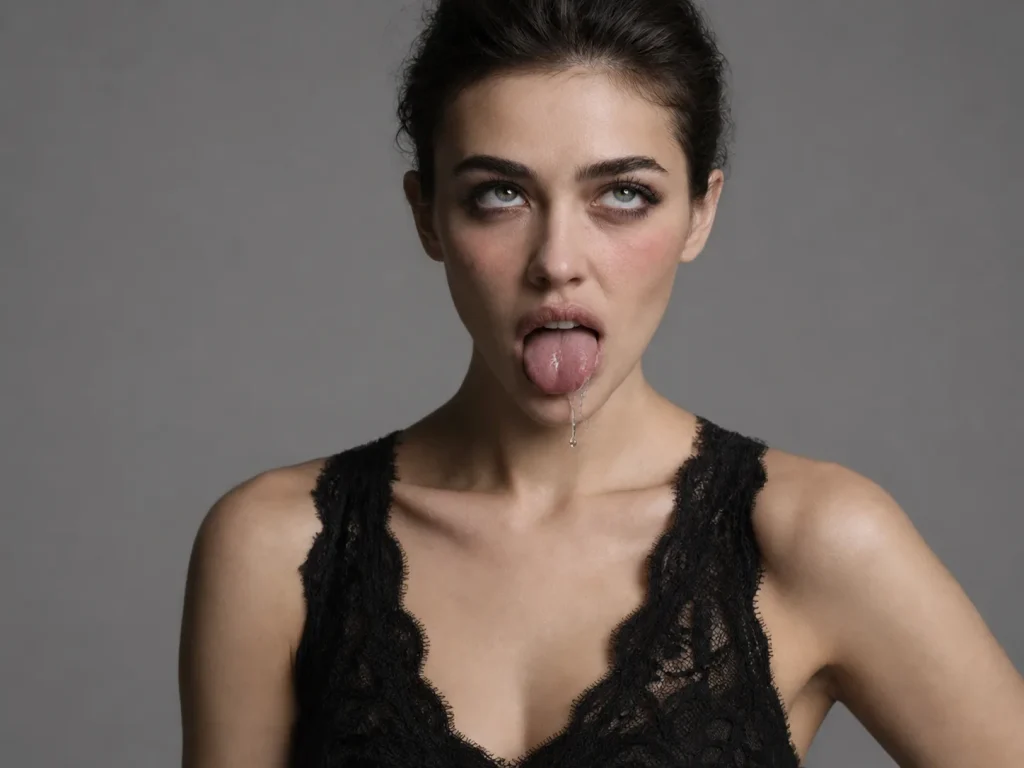
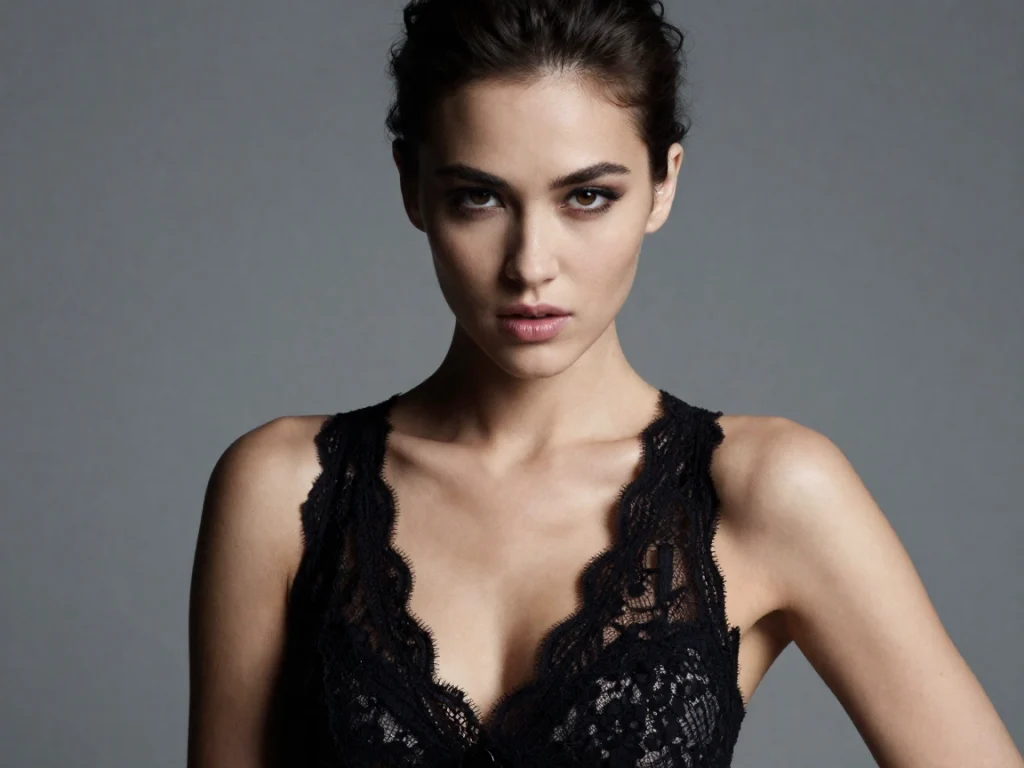
Understand what the edit cannot guarantee
The model creates a plausible new facial state from the source. It cannot reconstruct an exact moment that never existed, and a generated smile or reaction should not be treated as documentary truth.
A useful result should survive direct side-by-side comparison with the source. Look for continuity in eyes and eyelids, then check whether eyebrows and forehead changed only as much as the expression requires. Finally inspect cheek movement for accidental regeneration. This keeps the edit focused on facial movement instead of quietly turning it into a broader face transformation.
A practical AvaClik review workflow
Keep the original visible, choose one ready-made expression, create a few candidates, reject any identity drift, then inspect the mouth, eyes, brows and background before saving.
Do not infer personality, intent or genuine emotional state from the edited result. The image only shows a generated visual expression. Quality control should therefore stay concrete: is cheek movement plausible, is hair and background anatomically coherent, and did identity and face shape remain faithful to the source? Those questions are more useful than trying to interpret what the artificial expression supposedly means.
Where to go next
If the main challenge is realism, continue with the natural-expression guide. If the face changes too much, use the identity-preservation guide. For specific looks, explore the smile, serious, surprise and happy/laughing articles.
Treat this part of the workflow as a controlled comparison rather than a beauty contest. The purpose is a controlled expression change while keeping the same person, hairstyle, lighting, crop and background. Keep the original visible and inspect identity and face shape, mouth and teeth and eyes and eyelids before deciding that the new expression is successful. A version can be visually striking and still be a weaker edit if it changes stable facial structure or unrelated parts of the portrait.
Related AvaClik expression guides
- 30 Facial Expressions to Try With AI on Your Photo
- How to Change an Expression Without Changing the Face
- How to Make AI Facial Expressions Look Natural and Realistic
For How to Change a Facial Expression in a Photo With AI: Complete Guide, these related guides cover adjacent problems without replacing this article’s main intent. Follow the guide that matches the next specific question—identity, realism, source quality or a particular expression—while keeping the same AvaClik expression tool as the product destination.
Practical review method for How to Change a Facial Expression in a Photo With AI
Run the first comparison from one unchanged source file and keep that original open beside every candidate. For this topic, the main target is a controlled expression change while keeping the same person, hairstyle, lighting, crop and background. Start by comparing identity and face shape and mouth and teeth, because those two areas usually reveal whether the expression edit stayed focused or quietly regenerated too much of the face. Only after those anchors look stable should you spend time judging style or emotional intensity.
A conservative candidate is often a better editing baseline than the most dramatic one. In How to Change a Facial Expression in a Photo With AI: Complete Guide, a useful result should preserve eyes and eyelids while changing only the facial movement required by the selected look. If the new version is more attractive but also smooths the skin, changes age cues, shifts the jaw or alters unrelated hair detail, treat those changes as costs rather than automatic improvements.
Reject critical failures early. If eyebrows and forehead is anatomically broken, if the person no longer resembles the source, or if the background changes for no reason, do not rationalize the result because the overall mood looks appealing. Expression editing is easiest to quality-control when each generation is treated as disposable until it passes the structural checks that matter for this specific use case.
Review the candidate at the size where it will actually be used. A thumbnail may hide small errors in cheek movement, while a large portrait can reveal synthetic transitions around lips, eyelids or skin folds. Then zoom back out: close-up correctness alone is not enough if the whole expression feels disconnected from the posture, lighting or portrait context.
For How to Change a Facial Expression in a Photo With AI: Complete Guide, keep the untouched source as the final reference even after you choose a favorite candidate. Comparing the selected version against the original helps catch gradual drift in hair and background and other stable details that are easy to forget after viewing many generations. This source-first habit also makes later before/after examples for the AvaClik blog more credible because readers can see exactly what changed and what stayed the same.
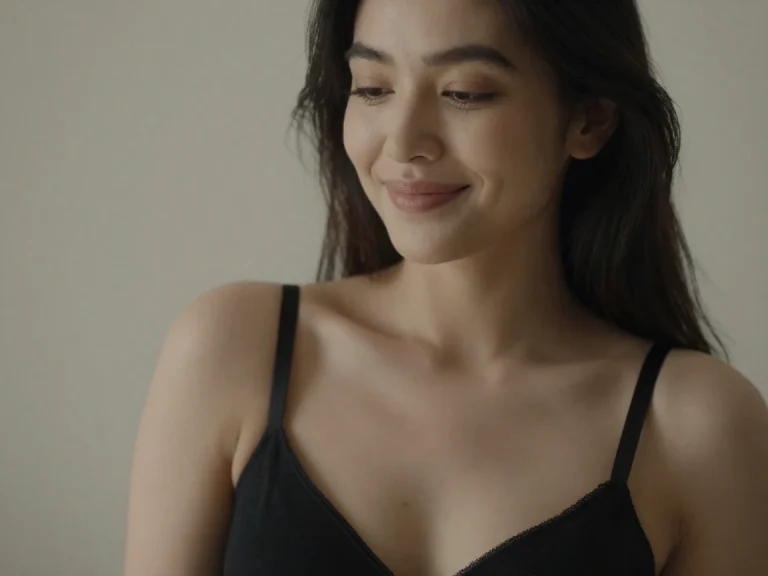
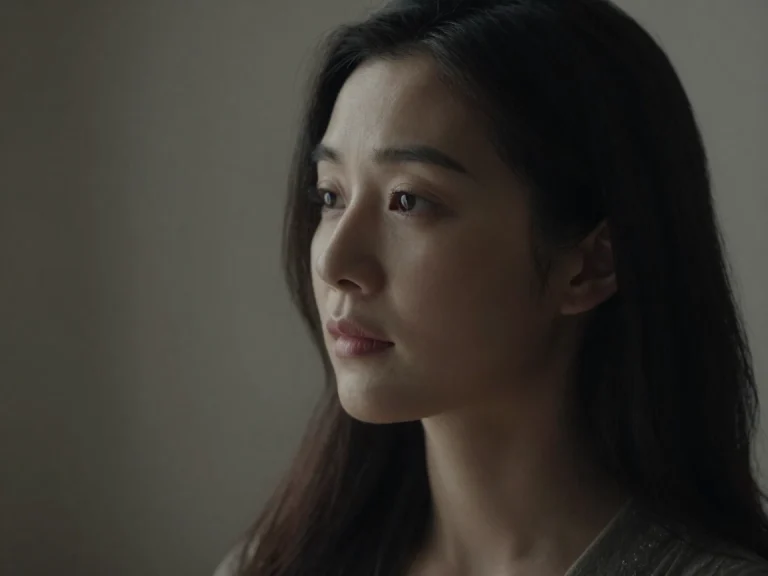
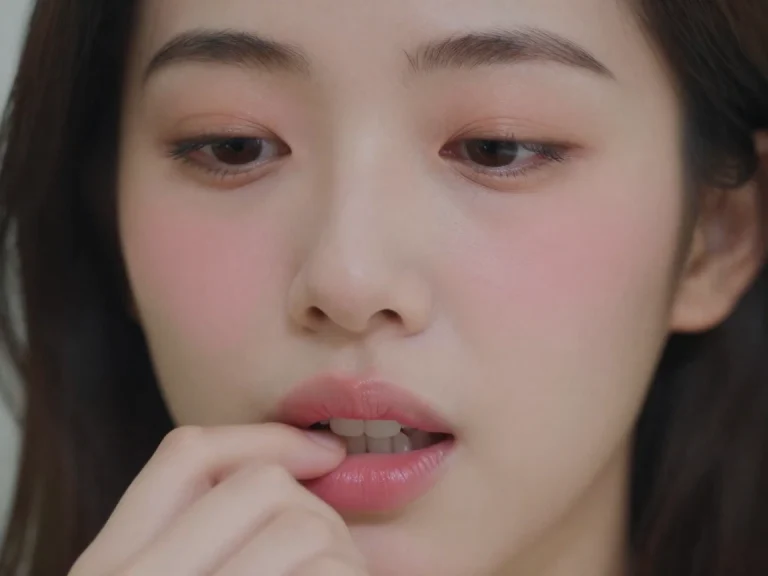
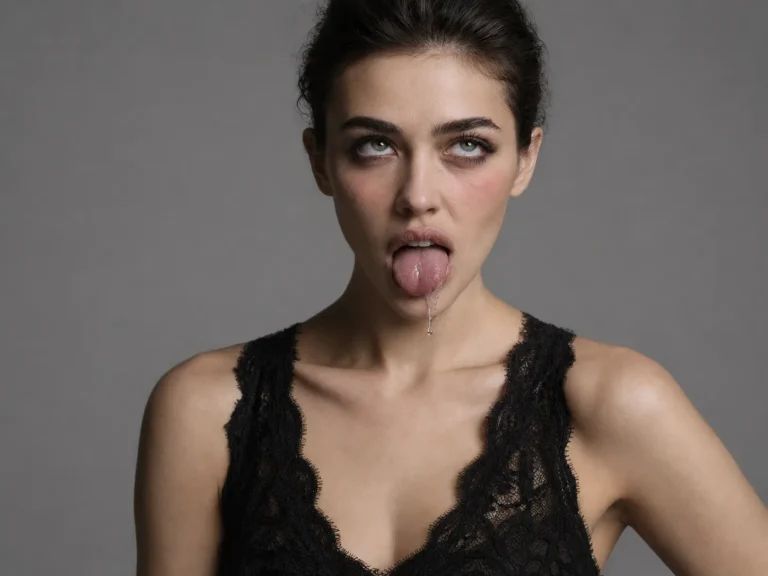
For SEO examples, use real AvaClik outputs rather than stock-style illustrations wherever possible. A strong before/after for how to change facial expression with AI should show one clear adult subject, identical crop and scene, and a visible expression change that can be explained without pretending the generated face documents a real reaction. That gives the article both practical value and a cleaner connection to the product page.
FAQ
Does AI expression editing change the whole face?
It may adjust several facial regions together, but a good result should preserve the person’s recognizable identity and the rest of the portrait.
Should I use a selfie or a portrait?
Either can work if the face is clear, reasonably large and not heavily occluded. A clean portrait usually makes comparison easier.
Can I use expression editing as proof of how someone really felt?
No. The output is a generated visual edit and should not be treated as evidence of a real emotion or event.
What should I check before saving?
Compare identity, mouth, teeth, eyes, brows, cheeks, hair, lighting and background against the original.
Final check before saving
Return to the original and compare identity and face shape, mouth and teeth, eyes and eyelids, eyebrows and forehead. Then scan hair, clothing, lighting and background for unrelated changes. If the face still reads as the same person and the expression is anatomically coherent at the intended display size, the result is a stronger candidate for final use.
One last useful test for how to change facial expression with AI is to alternate between the source and result several times instead of staring at the edited image alone. Rapid comparison makes small shifts in facial proportions, skin treatment or scene detail easier to notice, and it helps separate a genuinely cleaner expression from a candidate that only feels impressive because it is newer or more dramatic.
For How to Change a Facial Expression in a Photo With AI: Complete Guide, open the AvaClik AI Facial Expression Changer with an adult portrait you are allowed to edit. Keep that exact source beside the generated candidate so the final decision is based on direct evidence rather than memory, and replace the marked image slots with real AvaClik before/after results before publication.
Try this in AvaClik
Try the workflow in AvaClik
Upload a photo you have permission to edit, make a change, check the result and refine it.
Try AvaClik AI Expression Changer ↗