How to Fix Bad AI Expression Edits: Eyes, Teeth, Mouth & Face Drift
Learn how to diagnose and fix common AI facial-expression problems, including strange teeth, mismatched eyes, warped mouths, face drift and background changes.
On this page
Open the AvaClik tool connected to this guide and try it on your photo.
Facial-expression editing is most useful when the portrait is already good and only the visible expression needs to change. In this guide, the target is diagnosing the smallest visible expression-edit failure and choosing a cleaner regeneration strategy instead of accepting a dramatic but broken result. AvaClik is an adult photo editor, so use images you have the right to edit and review every generated result before relying on it.
Quick answer
Identify the smallest visible failure before trying again. If identity drifted, reject the candidate. If teeth, mouth or eyes are broken, generate a cleaner version rather than stacking more edits onto a structurally weak face.
Treat this part of the workflow as a controlled comparison rather than a beauty contest. The purpose is diagnosing the smallest visible expression-edit failure and choosing a cleaner regeneration strategy instead of accepting a dramatic but broken result. Keep the original visible and inspect face drift, teeth and mouth shape before deciding that the new expression is successful. A version can be visually striking and still be a weaker edit if it changes stable facial structure or unrelated parts of the portrait.
Problem: the person no longer looks the same
Compare stable landmarks first. If eye spacing, nose shape, jaw, chin or overall facial proportions shifted too far, treat the generation as an identity failure.
At normal viewing size, ask whether the expression reads immediately and still belongs to the same person. Then zoom in and review mouth shape, eyes and brows. This two-scale check matters because small anatomical errors can disappear in a thumbnail while a technically clean close-up can still feel wrong when the whole portrait is viewed together.
- Compare teeth directly with the source rather than from memory.
- Compare mouth shape directly with the source rather than from memory.
- Compare eyes directly with the source rather than from memory.
- Compare brows directly with the source rather than from memory.
Problem: teeth duplicate, melt or look too perfect
Broader smiles and laughter can expose synthetic dental detail. Look for impossible rows, repeated teeth, broken perspective and unnaturally uniform shapes.
The safest approach is to change one visual idea at a time and keep everything else as a reference. For this section, compare brows and skin texture against the source, then use background as a secondary stability check. If multiple unrelated areas drift, start again from the original instead of treating the regenerated version as a new baseline.
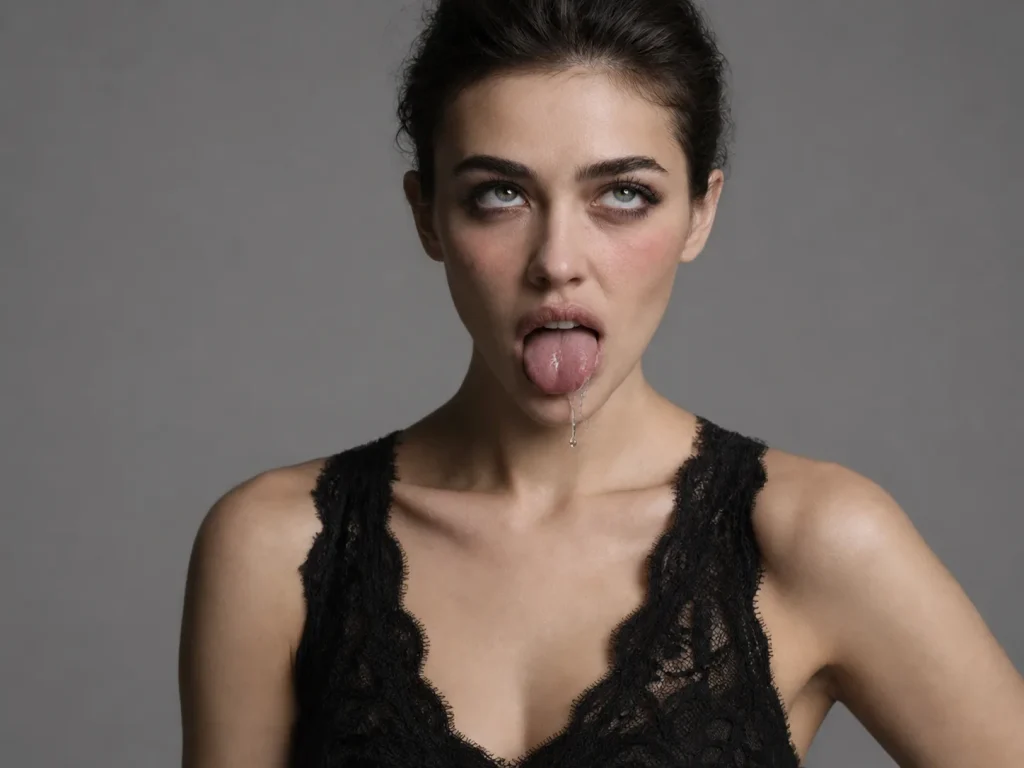
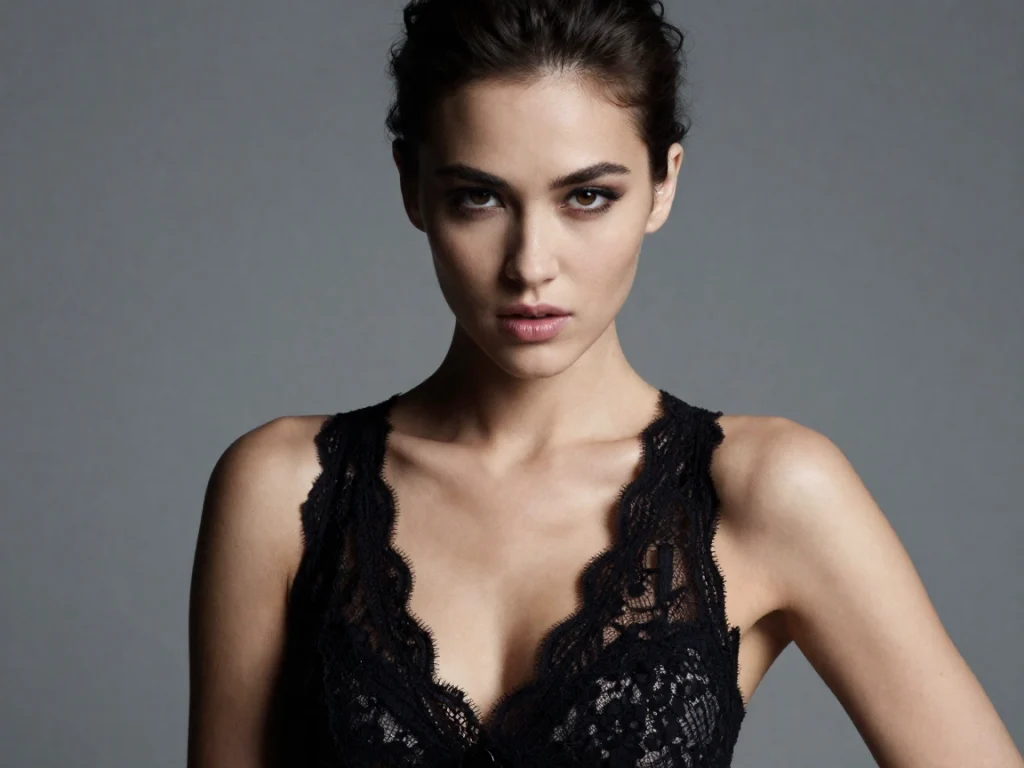
Problem: the mouth becomes too wide or distorted
Expression intensity can stretch lip corners or change lip proportions. A cleaner candidate should preserve the person’s original mouth character while allowing movement.
Expression editing is generative, so there is rarely a single deterministic output. Generate or compare several candidates when this area is difficult. Prefer the candidate that preserves background, maintains believable face drift and does not introduce new problems around teeth. Clean preservation is usually more valuable than maximum expression intensity.
Problem: the eyes do not match the expression
A smile with frozen eyes or surprise with uneven eye opening feels inconsistent. Check both anatomy and coordination with the rest of the face.
A useful result should survive direct side-by-side comparison with the source. Look for continuity in teeth, then check whether mouth shape changed only as much as the expression requires. Finally inspect eyes for accidental regeneration. This keeps the edit focused on facial movement instead of quietly turning it into a broader face transformation.
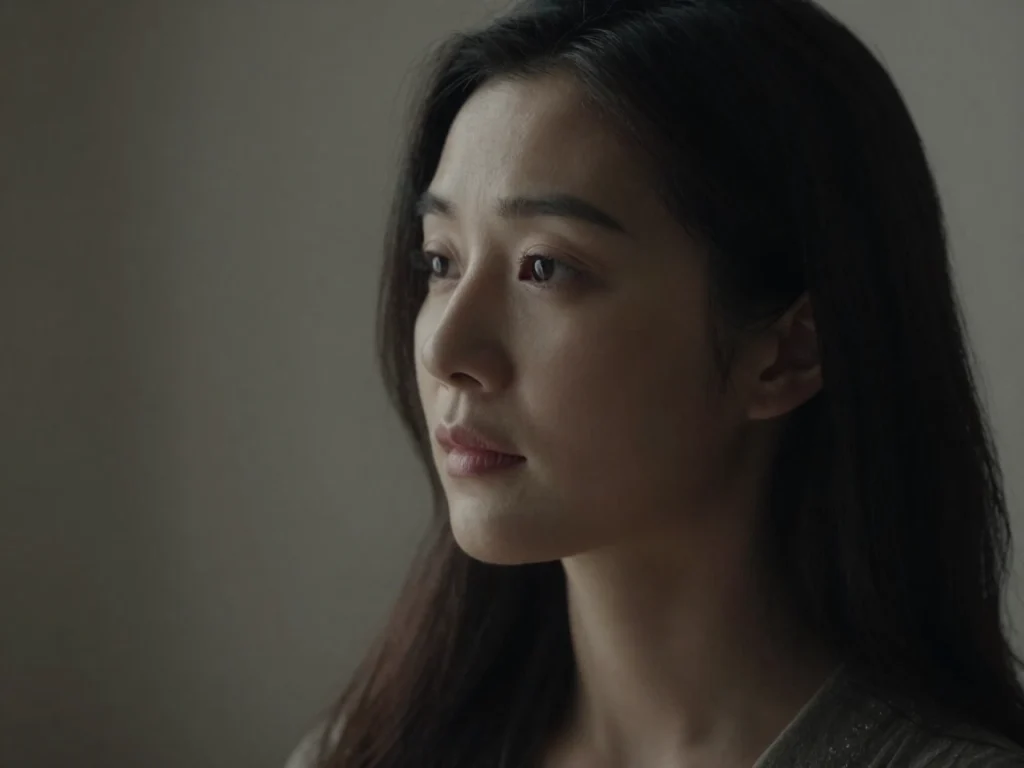
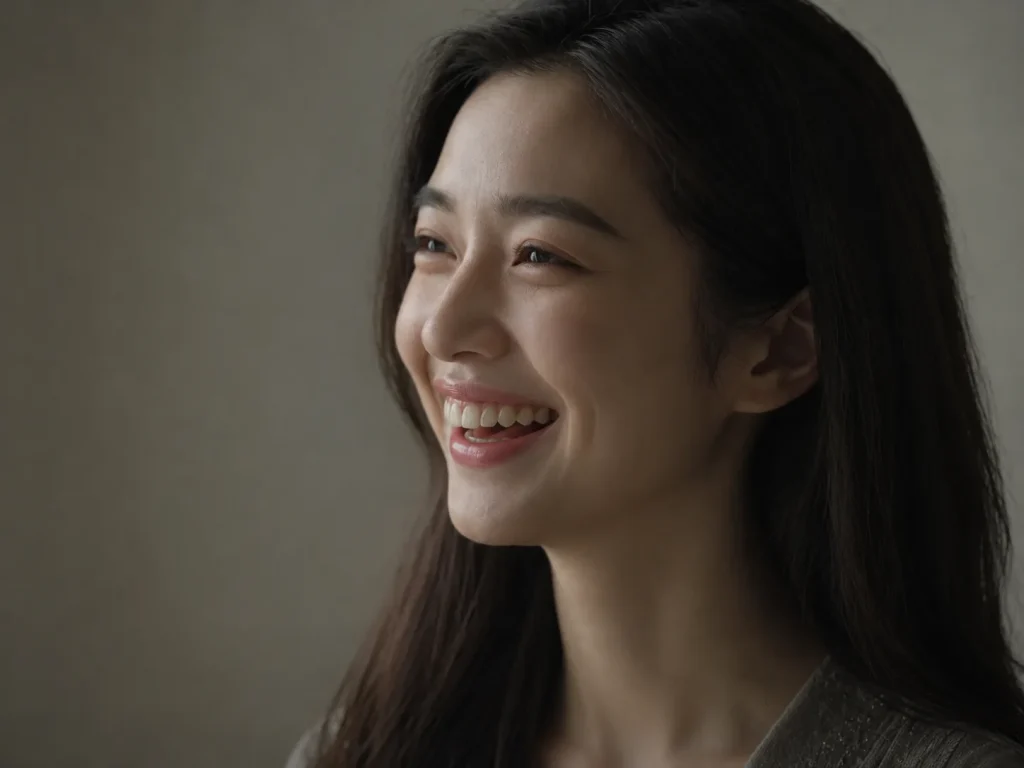
Problem: eyebrows become duplicated or over-moved
Brow changes should support the expression without changing thickness, spacing or shape so much that the person looks different.
Do not infer personality, intent or genuine emotional state from the edited result. The image only shows a generated visual expression. Quality control should therefore stay concrete: is eyes plausible, is brows anatomically coherent, and did skin texture remain faithful to the source? Those questions are more useful than trying to interpret what the artificial expression supposedly means.
- Compare skin texture directly with the source rather than from memory.
- Compare background directly with the source rather than from memory.
- Compare face drift directly with the source rather than from memory.
- Compare teeth directly with the source rather than from memory.
Problem: skin becomes plastic or age cues disappear
Expression editing can accidentally smooth the whole portrait. Prefer versions that retain pores, lines and natural tonal variation from the source.
Treat this part of the workflow as a controlled comparison rather than a beauty contest. The purpose is diagnosing the smallest visible expression-edit failure and choosing a cleaner regeneration strategy instead of accepting a dramatic but broken result. Keep the original visible and inspect skin texture, background and face drift before deciding that the new expression is successful. A version can be visually striking and still be a weaker edit if it changes stable facial structure or unrelated parts of the portrait.
Problem: jaw or chin shape changes
Strong laughter or mouth opening can reconstruct the lower face. Compare jaw width and chin position directly with the original.
At normal viewing size, ask whether the expression reads immediately and still belongs to the same person. Then zoom in and review face drift, teeth and mouth shape. This two-scale check matters because small anatomical errors can disappear in a thumbnail while a technically clean close-up can still feel wrong when the whole portrait is viewed together.
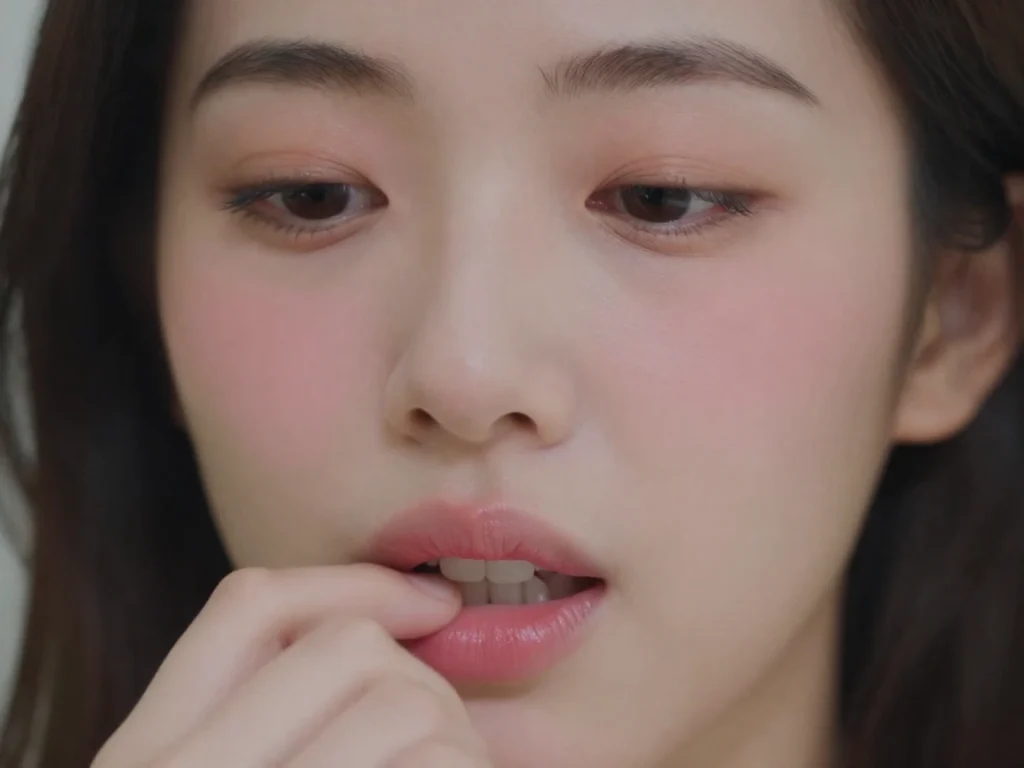
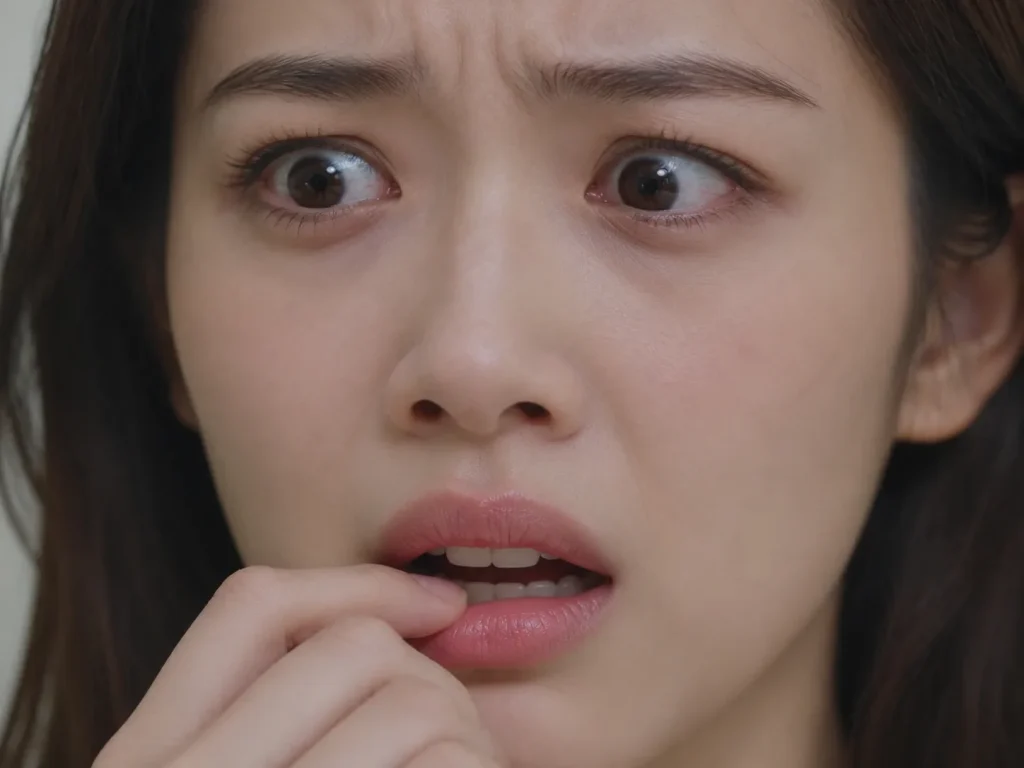
Problem: hair, clothing or background changes
These regions are outside the intended expression edit. Unexpected changes are a sign that too much of the image was regenerated.
The safest approach is to change one visual idea at a time and keep everything else as a reference. For this section, compare mouth shape and eyes against the source, then use brows as a secondary stability check. If multiple unrelated areas drift, start again from the original instead of treating the regenerated version as a new baseline.
Problem: the expression is technically clean but too strong
A smaller expression can be more believable and useful. Step back from dramatic surprise or laughter if the portrait begins to feel theatrical.
Expression editing is generative, so there is rarely a single deterministic output. Generate or compare several candidates when this area is difficult. Prefer the candidate that preserves brows, maintains believable skin texture and does not introduce new problems around background. Clean preservation is usually more valuable than maximum expression intensity.
- Compare mouth shape directly with the source rather than from memory.
- Compare eyes directly with the source rather than from memory.
- Compare brows directly with the source rather than from memory.
- Compare skin texture directly with the source rather than from memory.
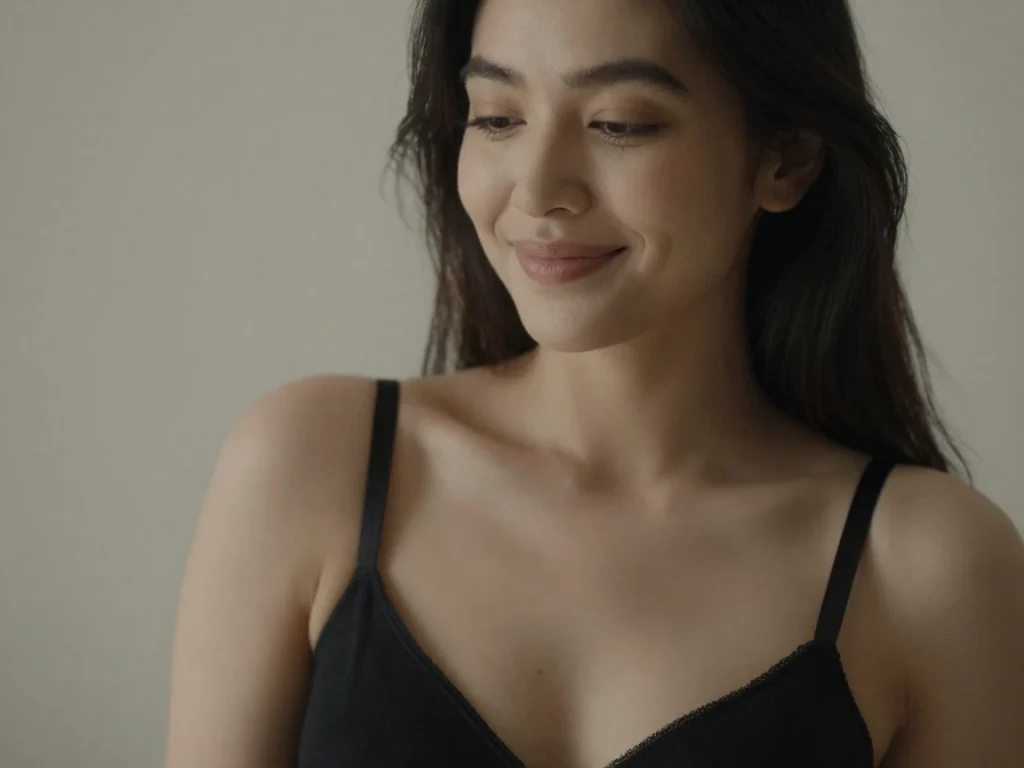
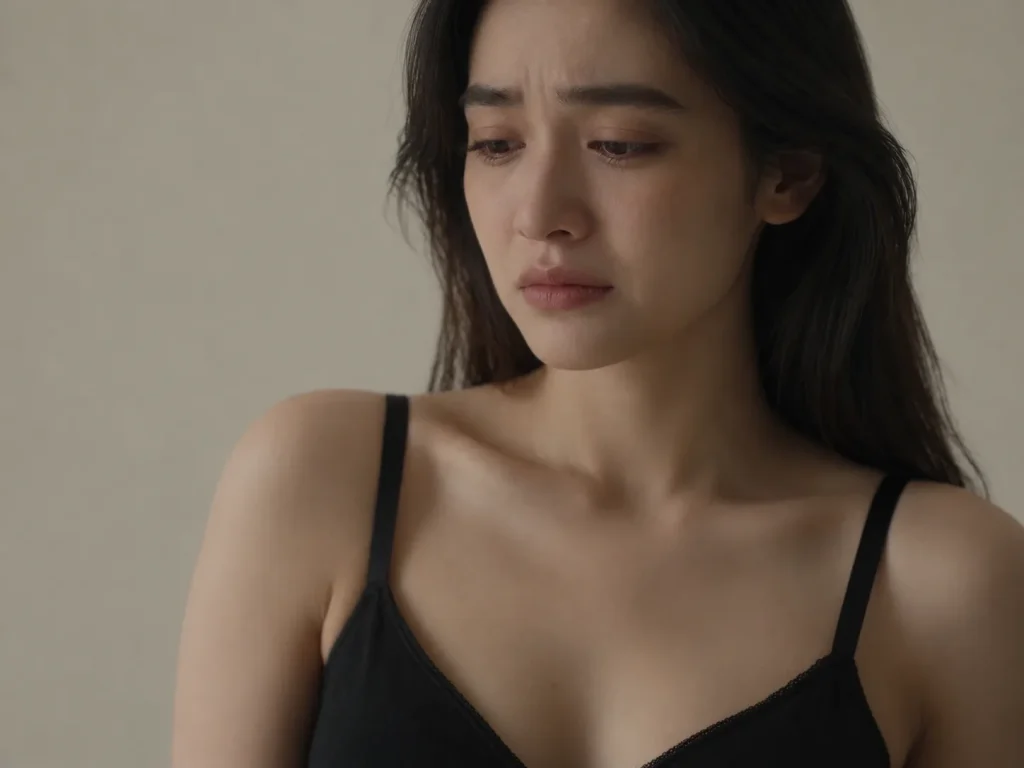
When regeneration is better than repair
If a candidate has several structural failures, start from the original again. Building on a bad intermediate image can compound drift.
A useful result should survive direct side-by-side comparison with the source. Look for continuity in background, then check whether face drift changed only as much as the expression requires. Finally inspect teeth for accidental regeneration. This keeps the edit focused on facial movement instead of quietly turning it into a broader face transformation.
A troubleshooting order that saves time
Check identity first, then mouth/teeth, then eyes/brows, then skin, hair and background. Stop as soon as a critical failure appears instead of rationalizing the result.
Do not infer personality, intent or genuine emotional state from the edited result. The image only shows a generated visual expression. Quality control should therefore stay concrete: is teeth plausible, is mouth shape anatomically coherent, and did eyes remain faithful to the source? Those questions are more useful than trying to interpret what the artificial expression supposedly means.
Related AvaClik expression guides
- How to Change an Expression Without Changing the Face
- Best Photos for AI Expression Changing: Face Angle, Light & Detail
- How to Make AI Facial Expressions Look Natural and Realistic
For How to Fix Bad AI Expression Edits: Eyes, Teeth, Mouth & Face Drift, these related guides cover adjacent problems without replacing this article’s main intent. Follow the guide that matches the next specific question—identity, realism, source quality or a particular expression—while keeping the same AvaClik expression tool as the product destination.
Practical review method for How to Fix Bad AI Expression Edits: Eyes, Teeth, Mouth & Face Drift
Run the first comparison from one unchanged source file and keep that original open beside every candidate. For this topic, the main target is diagnosing the smallest visible expression-edit failure and choosing a cleaner regeneration strategy instead of accepting a dramatic but broken result. Start by comparing face drift and teeth, because those two areas usually reveal whether the expression edit stayed focused or quietly regenerated too much of the face. Only after those anchors look stable should you spend time judging style or emotional intensity.
A conservative candidate is often a better editing baseline than the most dramatic one. In How to Fix Bad AI Expression Edits: Eyes, Teeth, Mouth & Face Drift, a useful result should preserve mouth shape while changing only the facial movement required by the selected look. If the new version is more attractive but also smooths the skin, changes age cues, shifts the jaw or alters unrelated hair detail, treat those changes as costs rather than automatic improvements.
Reject critical failures early. If eyes is anatomically broken, if the person no longer resembles the source, or if the background changes for no reason, do not rationalize the result because the overall mood looks appealing. Expression editing is easiest to quality-control when each generation is treated as disposable until it passes the structural checks that matter for this specific use case.
Review the candidate at the size where it will actually be used. A thumbnail may hide small errors in brows, while a large portrait can reveal synthetic transitions around lips, eyelids or skin folds. Then zoom back out: close-up correctness alone is not enough if the whole expression feels disconnected from the posture, lighting or portrait context.
For How to Fix Bad AI Expression Edits: Eyes, Teeth, Mouth & Face Drift, keep the untouched source as the final reference even after you choose a favorite candidate. Comparing the selected version against the original helps catch gradual drift in skin texture and other stable details that are easy to forget after viewing many generations. This source-first habit also makes later before/after examples for the AvaClik blog more credible because readers can see exactly what changed and what stayed the same.
For SEO examples, use real AvaClik outputs rather than stock-style illustrations wherever possible. A strong before/after for fix bad AI expression edit should show one clear adult subject, identical crop and scene, and a visible expression change that can be explained without pretending the generated face documents a real reaction. That gives the article both practical value and a cleaner connection to the product page.
FAQ
What is the most serious expression-edit failure?
Identity drift is usually the biggest problem because a visually clean expression is not useful if it no longer resembles the same person.
Why do teeth fail so often?
Open-mouth expressions require the model to synthesize detailed dental anatomy that may not be visible in the source.
Should I edit a bad result again?
If the structure is already wrong, it is often better to regenerate from the original rather than compound the error.
What if the result looks good at normal size but fails close up?
That is common. Inspect the intended final display size, but also check critical anatomy closely before saving.
Final check before saving
Return to the original and compare face drift, teeth, mouth shape, eyes. Then scan hair, clothing, lighting and background for unrelated changes. If the face still reads as the same person and the expression is anatomically coherent at the intended display size, the result is a stronger candidate for final use.
One last useful test for fix bad AI expression edit is to alternate between the source and result several times instead of staring at the edited image alone. Rapid comparison makes small shifts in facial proportions, skin treatment or scene detail easier to notice, and it helps separate a genuinely cleaner expression from a candidate that only feels impressive because it is newer or more dramatic.
For How to Fix Bad AI Expression Edits: Eyes, Teeth, Mouth & Face Drift, open the AvaClik AI Facial Expression Changer with an adult portrait you are allowed to edit. Keep that exact source beside the generated candidate so the final decision is based on direct evidence rather than memory, and replace the marked image slots with real AvaClik before/after results before publication.
Try this in AvaClik
Try the workflow in AvaClik
Upload a photo you have permission to edit, make a change, check the result and refine it.
Try AvaClik AI Expression Changer ↗