AI Age Changer for Headshots: Adult Looks From 20s to 70s+
Learn how to compare adult age looks in a headshot while keeping identity, professional styling, lighting and background consistent.
On this page
Open the AvaClik tool connected to this guide and try it on your photo.
AI age editing is most useful when the original adult portrait is already clear and the main goal is testing adult age appearance in a professional or editorial headshot without changing the recognizable person or the portrait context. AvaClik is an adult photo editor, so use images you are authorized to edit, keep all target appearances 18+, and review each generated result before relying on it.
Quick answer
Use one clean adult headshot, keep clothing and background constant and compare a few adult age looks side by side. Judge recognizability before deciding which version fits the concept.
Treat this section as a controlled adult-portrait comparison. The target is testing adult age appearance in a professional or editorial headshot without changing the recognizable person or the portrait context. Keep the untouched source beside the candidate and inspect identity, skin realism and clothing. A visually dramatic result is weaker if it changes identity or unrelated scene details.
Why headshots are useful for age comparison
A headshot keeps the face large in frame and reduces distracting pose differences, making subtle skin, hair and identity changes easier to evaluate.
Review the image at two scales. At normal viewing size, ask whether the age direction reads naturally; at close zoom, compare professional expression, hair and background and light. Small texture errors can hide in a thumbnail, while a technically detailed close-up can still look wrong as a whole portrait.
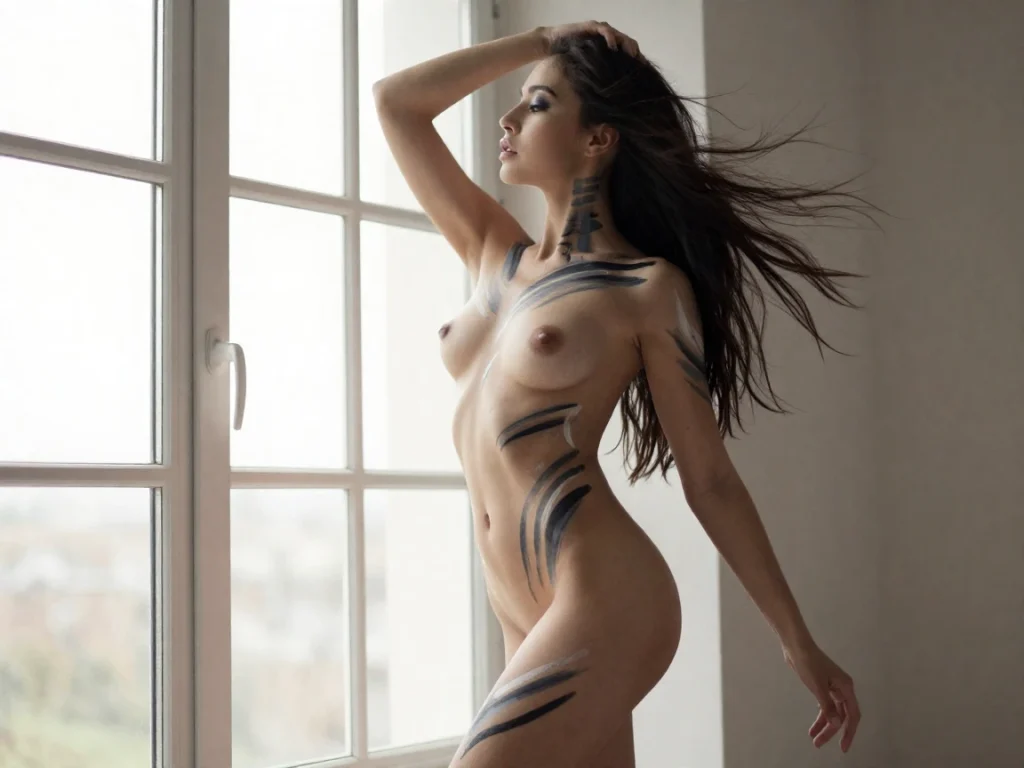
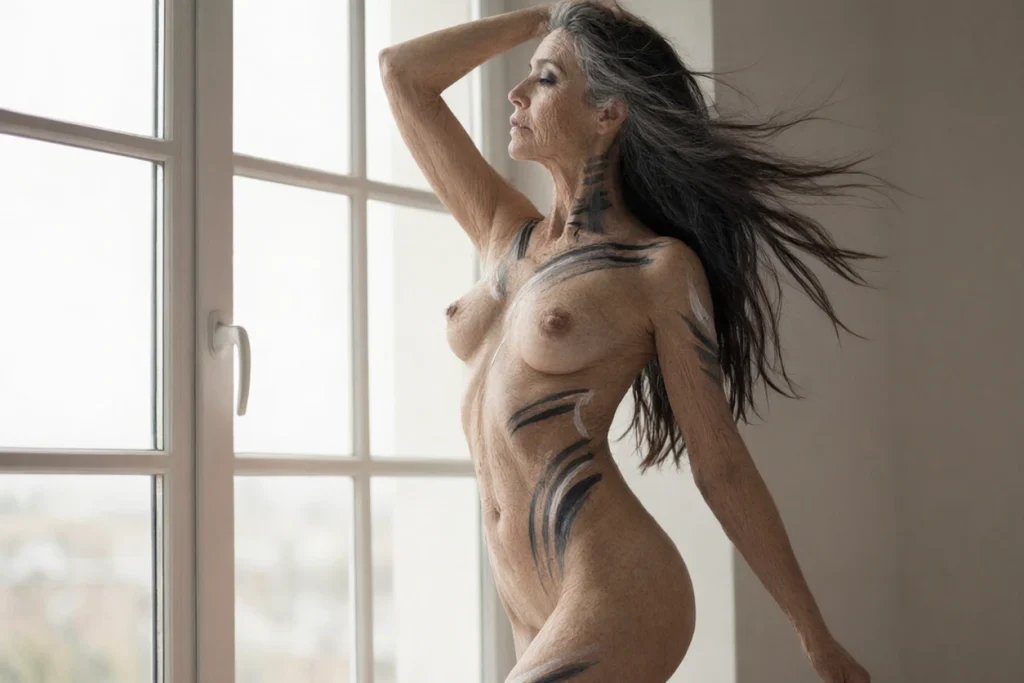
Start with a neutral professional source
Even light, natural expression and sharp facial detail provide a stable base for comparing multiple age directions.
Change one visual idea at a time and use the original as the permanent baseline. For this stage, compare skin realism and clothing first, then use identity as a stability check. If several unrelated regions drift together, regenerate from the source rather than accepting the candidate as a new reference.
- Compare skin realism directly with the untouched source.
- Compare hair directly with the untouched source.
- Compare clothing directly with the untouched source.
- Compare background and light directly with the untouched source.
Younger-adult and early-adult looks
A younger-adult variation should remain clearly adult and preserve professional presentation rather than turning into an unrealistic beauty retouch.
Age editing is generative rather than deterministic. Compare more than one candidate when this part is difficult and prefer the version that keeps hair, preserves believable background and light and avoids accidental changes around professional expression. Coherence is more important than maximum age intensity.
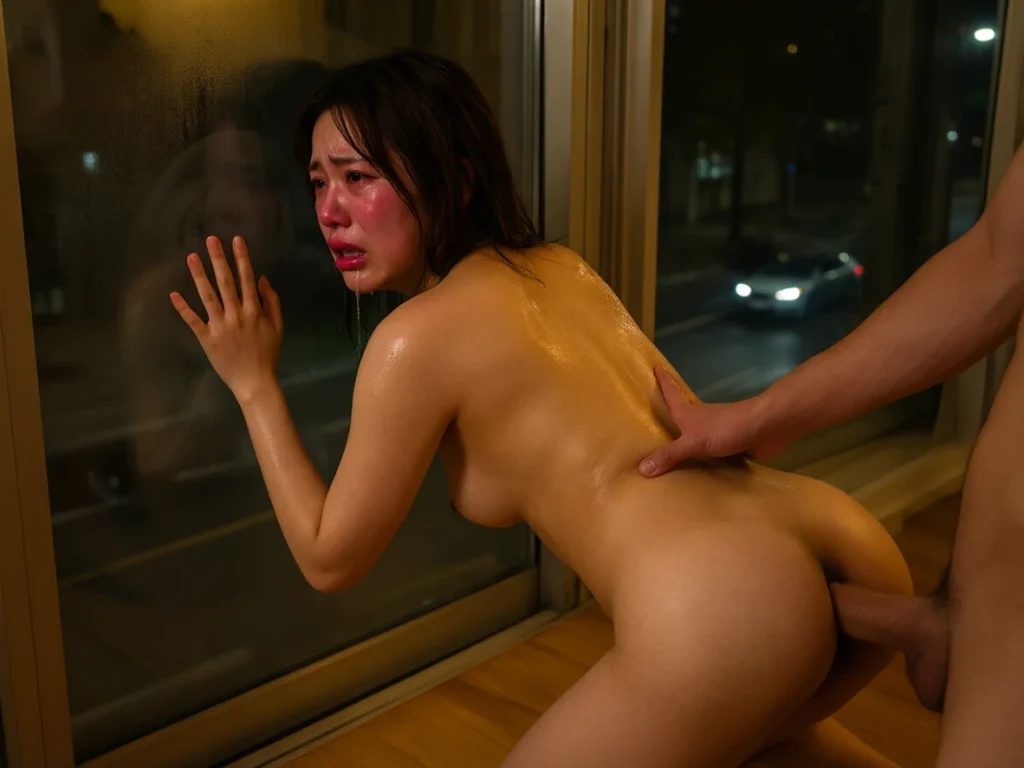
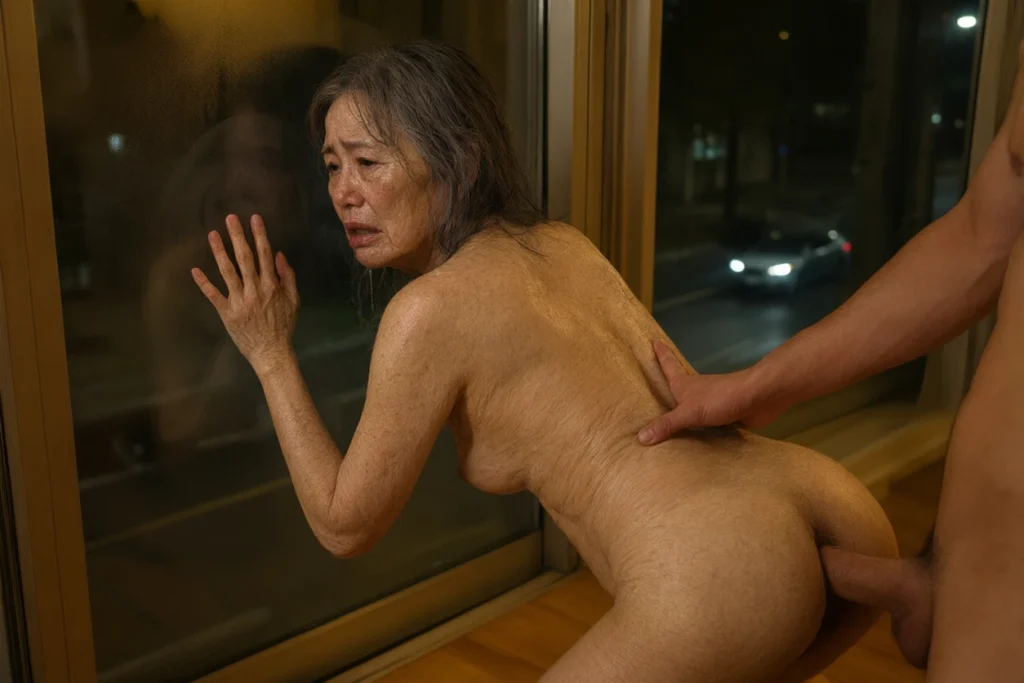
40s- and 50s-inspired looks
Moderate fine lines, subtle hair changes and slightly different facial fullness can create believable mature versions without drastic transformation.
A good result should survive direct side-by-side review. Look for continuity in clothing, then check whether identity changed only as much as the selected adult-age direction requires. Finally inspect skin realism for signs that the model redesigned more of the portrait than intended.
60s- and 70s+ inspired looks
Stronger skin texture and gray hair can work well in editorial concepts, but facial landmarks need especially careful comparison at these larger age shifts.
Keep the interpretation concrete. The image only shows a generated adult-age appearance, not a prediction of real aging. Quality control should focus on whether background and light is plausible, professional expression remains coherent and hair stays faithful to the source.
- Compare background and light directly with the untouched source.
- Compare identity directly with the untouched source.
- Compare professional expression directly with the untouched source.
- Compare skin realism directly with the untouched source.
Keep expression stable across comparisons
A different smile or brow position can change perceived age. For fair comparison, keep expression as consistent as the tool allows.
Treat this section as a controlled adult-portrait comparison. The target is testing adult age appearance in a professional or editorial headshot without changing the recognizable person or the portrait context. Keep the untouched source beside the candidate and inspect identity, skin realism and clothing. A visually dramatic result is weaker if it changes identity or unrelated scene details.
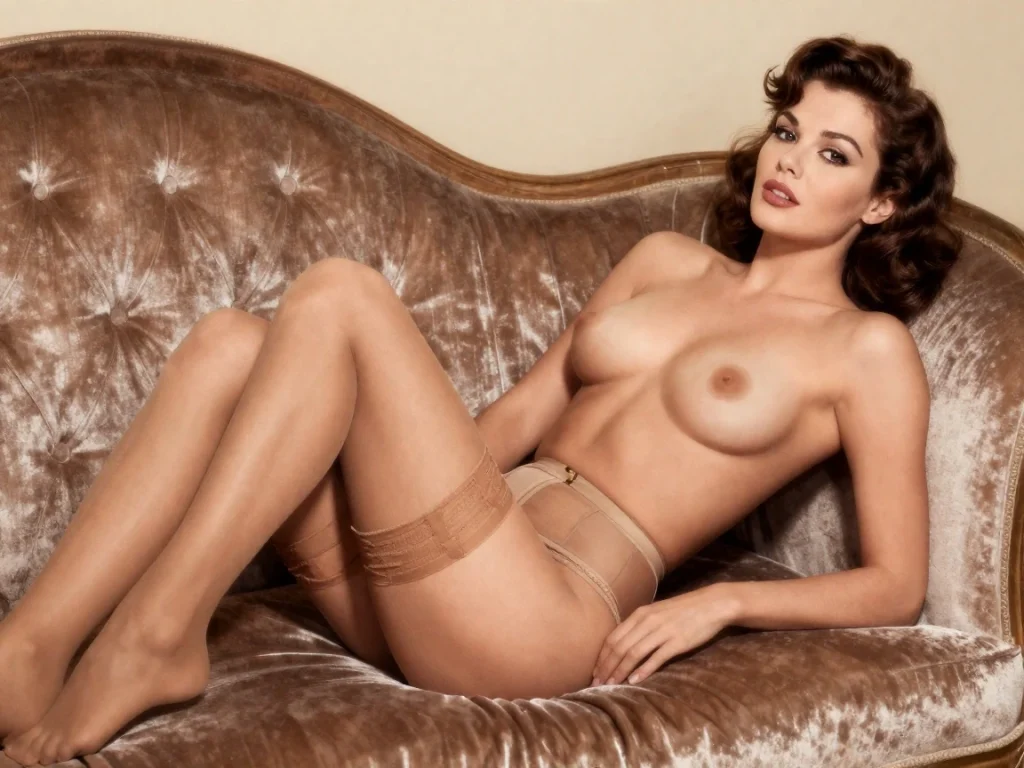
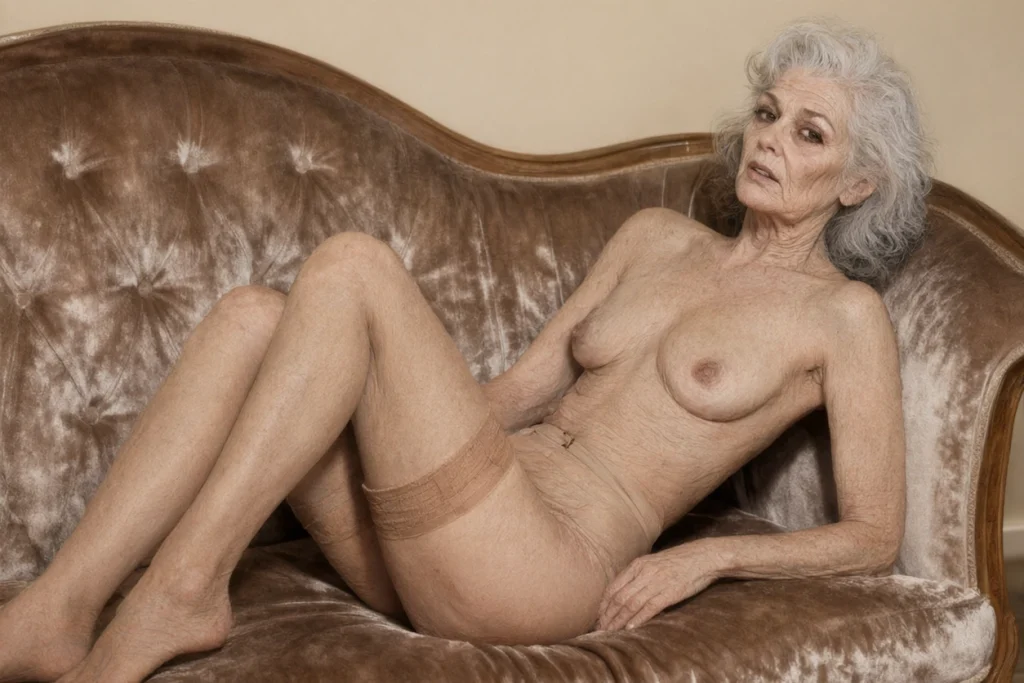
Preserve wardrobe and grooming
The point is age variation, not a full character makeover. Clothing, beard, makeup and hairstyle should remain recognizable unless age-related changes are intentional.
Review the image at two scales. At normal viewing size, ask whether the age direction reads naturally; at close zoom, compare professional expression, hair and background and light. Small texture errors can hide in a thumbnail, while a technically detailed close-up can still look wrong as a whole portrait.
Use the same lighting logic
Age cues should fit the original key light and fill. New wrinkles or hair highlights that contradict the scene can make the headshot look synthetic.
Change one visual idea at a time and use the original as the permanent baseline. For this stage, compare skin realism and clothing first, then use identity as a stability check. If several unrelated regions drift together, regenerate from the source rather than accepting the candidate as a new reference.

Be clear about generated age edits in professional contexts
Do not use an altered-age headshot to misrepresent a real person’s current appearance. It is better suited to creative, editorial or clearly labeled concept use.
Age editing is generative rather than deterministic. Compare more than one candidate when this part is difficult and prefer the version that keeps hair, preserves believable background and light and avoids accidental changes around professional expression. Coherence is more important than maximum age intensity.
- Compare hair directly with the untouched source.
- Compare clothing directly with the untouched source.
- Compare background and light directly with the untouched source.
- Compare identity directly with the untouched source.
Build a simple adult-age contact sheet
Place several generated adult-age versions beside the original at identical size. This makes face drift and inconsistent styling much easier to catch.
A good result should survive direct side-by-side review. Look for continuity in clothing, then check whether identity changed only as much as the selected adult-age direction requires. Finally inspect skin realism for signs that the model redesigned more of the portrait than intended.
Do not read real-life outcomes into the result
A headshot can show a plausible age concept, but it cannot predict a person’s actual future appearance or career trajectory.
Keep the interpretation concrete. The image only shows a generated adult-age appearance, not a prediction of real aging. Quality control should focus on whether background and light is plausible, professional expression remains coherent and hair stays faithful to the source.
A practical headshot workflow
Use one source, generate a few adult-age candidates, compare identity and professionalism, then select the version with the cleanest skin, hair and lighting consistency.
Treat this section as a controlled adult-portrait comparison. The target is testing adult age appearance in a professional or editorial headshot without changing the recognizable person or the portrait context. Keep the untouched source beside the candidate and inspect identity, skin realism and clothing. A visually dramatic result is weaker if it changes identity or unrelated scene details.
Related AvaClik age-editing guides
- Older vs Younger Adult AI Looks: Which Works Best for a Portrait?
- Best Photos for AI Age Changing: Angle, Light & Face Detail
- How to Change Age Without Changing the Face or Identity
These related guides extend the specific problem covered in AI Age Changer for Headshots: Adult Looks From 20s to 70s+ without replacing its main intent. Use them when the next question is source quality, identity preservation, realism, older-versus-younger comparison or troubleshooting.
Practical review method
Keep the untouched source open beside every candidate. For this topic, start with identity and professional expression, because those areas quickly reveal whether the model changed visible age or quietly rebuilt the person. Only after those anchors pass should you judge the overall style of the result.
A conservative candidate is often a better baseline than the most dramatic one. In this workflow, a useful result should preserve skin realism while changing only the age cues needed for the chosen adult look. If the image becomes more polished but also changes unrelated facial geometry, treat that as a failure rather than an improvement.
Reject critical structural errors early. If hair is broken, if the person no longer resembles the source, or if the scene changes for no reason, do not keep the result simply because the age effect is visually strong. Starting over from the original usually produces a cleaner comparison.
Review the candidate at the size where it will actually be used. A small preview can hide problems in clothing, while a large portrait can reveal synthetic transitions in skin or hair. Then zoom back out and judge whether the whole face still feels coherent in the original lighting and composition.
For article production, replace every placeholder with real AvaClik examples whenever possible. A strong before/after for AI age changer for headshots should use one consenting adult, the same crop and scene, and a clearly labeled generated age transformation rather than implying documentary accuracy.
Keep background and light as the final stability check. Age editing should not silently redesign the rest of the photograph. If unrelated details change between source and result, note that as an artifact and choose a cleaner candidate for the published example.
A deeper before-and-after audit for AI Age Changer for Headshots
When reviewing AI Age Changer for Headshots, do not ask only whether the edited portrait looks convincing on its own. Compare it against the untouched source in a fixed order: first identity, then age-related skin cues, then hair, then the surrounding image. This sequence matters because a beautiful candidate can distract from small landmark shifts. For the keyword AI age changer for headshots, the strongest example is one where the viewer can immediately recognize the same adult person and then notice the intended age direction without searching for unrelated changes.
Use a simple audit grid with four crops from the same source and result: full face, eye area, mouth and jaw, and hairline. The full-face crop reveals overall identity and age coherence; the eye crop exposes changed eyelids or synthetic wrinkles; the mouth and jaw crop shows whether facial fullness drifted; and the hairline crop reveals gray-hair or density artifacts. Keeping those four views consistent makes the article more useful than a single glamorous before/after because readers can see why a result passed review. In the specific context of AI Age Changer for Headshots: Adult Looks From 20s to 70s+, use this check before moving to the next review step.
How to build trustworthy visual examples for this article
For AI Age Changer for Headshots: Adult Looks From 20s to 70s+, use real AvaClik outputs from consenting adults and keep the before and after images at the same crop, orientation and display size. Avoid changing the background, outfit, color grade or expression between examples unless that change is the explicit subject of the section. A clean production set should include one successful result, one intentionally rejected result that demonstrates a common artifact, and at least one close-up showing the exact facial area discussed in the text.
Caption the images in plain language. State which adult-age direction was selected and what the reader should inspect, such as skin texture, gray hair, eye shape or jaw continuity. Do not label a generated version as a future prediction or an exact past reconstruction. That wording is especially important for AI age changer for headshots because realistic-looking outputs can feel authoritative even though the model is only creating one plausible visual interpretation from the source portrait.
When the original portrait is the better result
It is useful to say explicitly that an AI edit does not have to win. If every candidate for AI Age Changer for Headshots introduces face drift, plastic texture, inconsistent hair or scene changes, the correct editorial decision is to keep the original and try again later with a better source or a different generation. This makes the guide more credible: quality control is not about forcing an age transformation to succeed, but about accepting only the versions that preserve identity and remain visually coherent at the size where they will actually be used.
FAQ
Can I use an age-edited image as my current profile photo?
Only if it does not misrepresent your actual appearance in a context where accuracy matters.
Which headshot angle is best?
Front-facing or mild three-quarter views are easiest to compare.
Should the background change?
No. A stable background makes age comparison cleaner.
Can I compare several adult ages?
Yes, as creative visual concepts rather than predictions.
Final check before saving
Return to the source and compare identity, professional expression, skin realism, hair. Then scan hair, clothing, lighting and background for unrelated changes. The strongest result is the one that communicates the intended adult-age direction while still reading unmistakably as the same person in the same portrait.
For AI Age Changer for Headshots: Adult Looks From 20s to 70s+, open the AvaClik AI Age Changer with an adult portrait you are allowed to edit. Replace the marked 4:3 placeholders with real AvaClik before/after examples before publication, and keep the output clearly described as a generated visual age interpretation.


Try this in AvaClik
Try the workflow in AvaClik
Upload a photo you have permission to edit, make a change, check the result and refine it.
Try AvaClik AI Age Changer ↗