Best Photos for AI Pose Changing: Framing, Clothing & Camera Angle
Choose better source photos for AI pose editing by checking framing, visible limbs, clothing, camera angle, lighting and background space.
On this page
Open the AvaClik tool connected to this guide and try it on your photo.
A pose changer can only reason from what the source image shows. If legs are cropped, hands are hidden or the body merges into a busy background, a large posture change requires more invention. Choosing the right source is often the easiest way to improve results before changing a single prompt word.
Quick answer
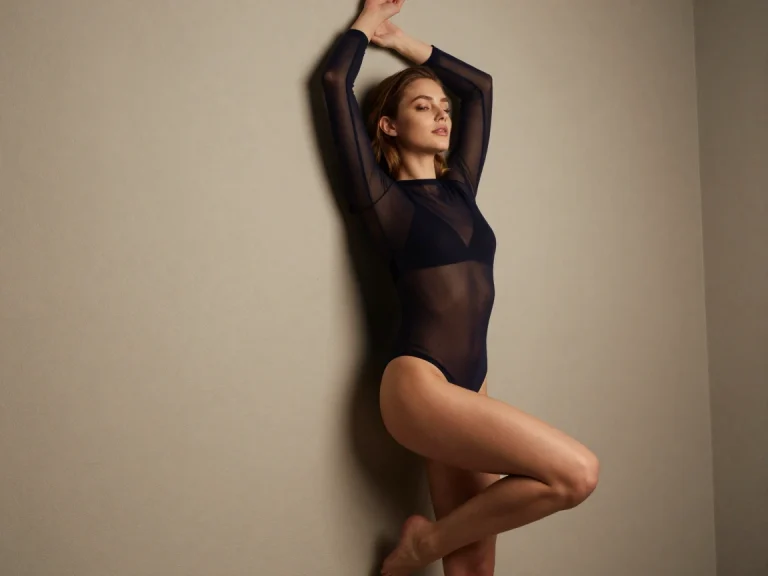
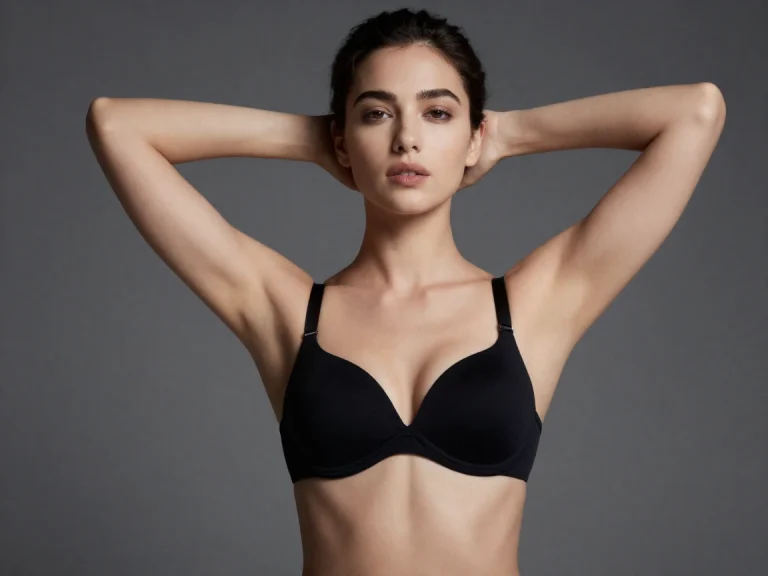
For full-body pose changes, use one person in frame with head, hands and feet visible, enough empty space around the body, clear clothing edges and a simple camera angle. For portrait-only changes, a waist-up source can be enough if shoulders, arms and head position are visible.
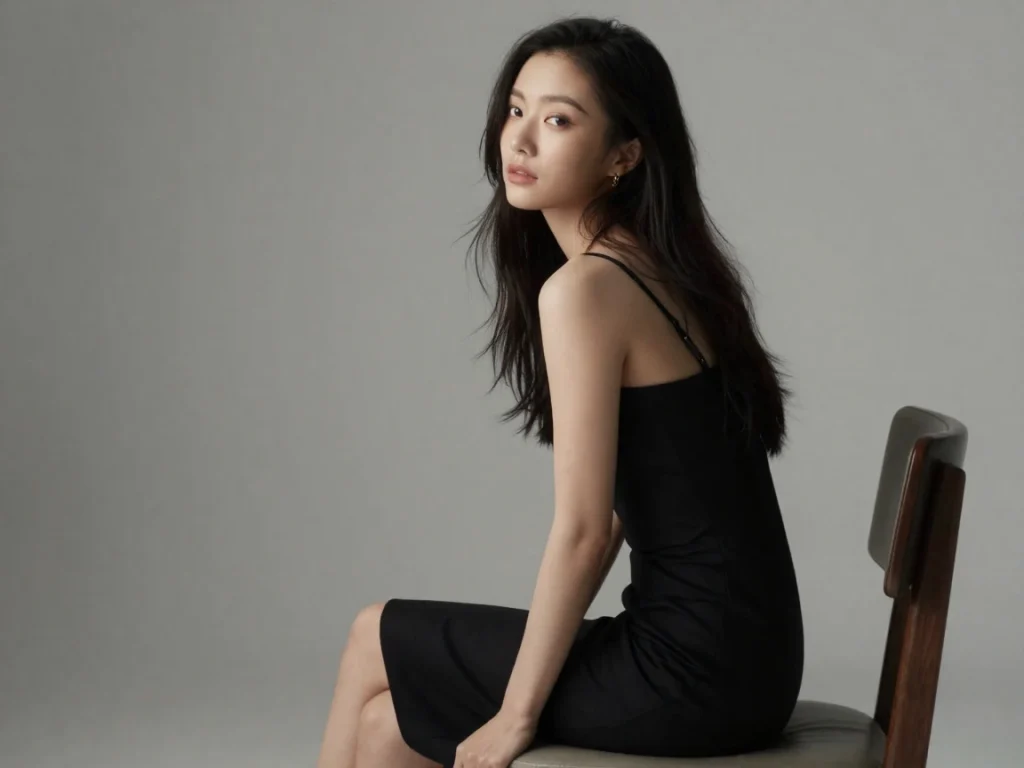
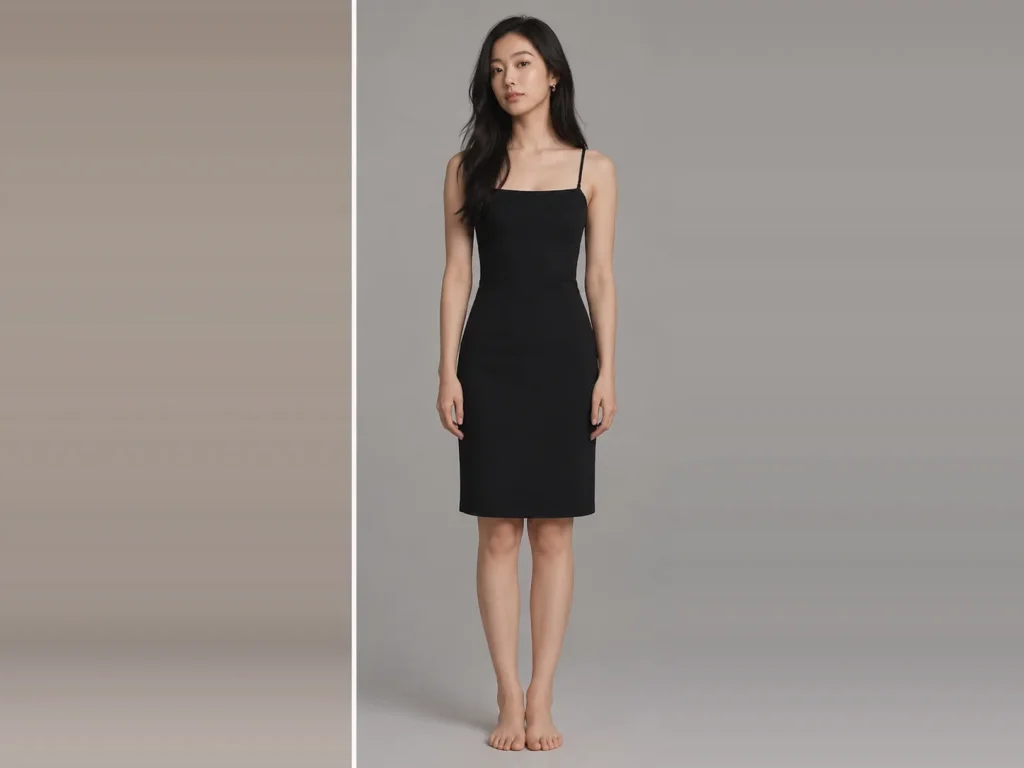
When full-body framing is worth it
Standing, seated and walking transformations benefit from seeing both shoes, knees, hips, arms and shoulders in the original. For Best Photos for AI Pose Changing: Framing, Clothing & Camera Angle, think of the source photo as a set of constraints: camera position, body visibility, outfit, background and lighting. The pose instruction changes one part of that system. Asking for fewer unrelated changes at the same time generally makes it easier to judge whether the pose itself worked and to refine the next attempt.
For this specific issue, evaluate the result against the original rather than against an imagined perfect pose. Preserve the parts that already work, and make the next instruction about when full-body framing is worth it as concrete as possible. This keeps the edit measurable and prevents unrelated changes from hiding the original problem.
When a tighter portrait is enough
Head tilt, shoulder turn and small hand gestures do not require invisible legs to be reconstructed. In Best Photos for AI Pose Changing: Framing, Clothing & Camera Angle, pose generation is strongest when the requested posture is visually specific. Words such as “confident” or “relaxed” are useful as secondary cues, but concrete instructions such as where the weight rests, how the torso turns and what each hand does give the model a much clearer target.
For this specific issue, evaluate the result against the original rather than against an imagined perfect pose. Preserve the parts that already work, and make the next instruction about when a tighter portrait is enough as concrete as possible. This keeps the edit measurable and prevents unrelated changes from hiding the original problem.
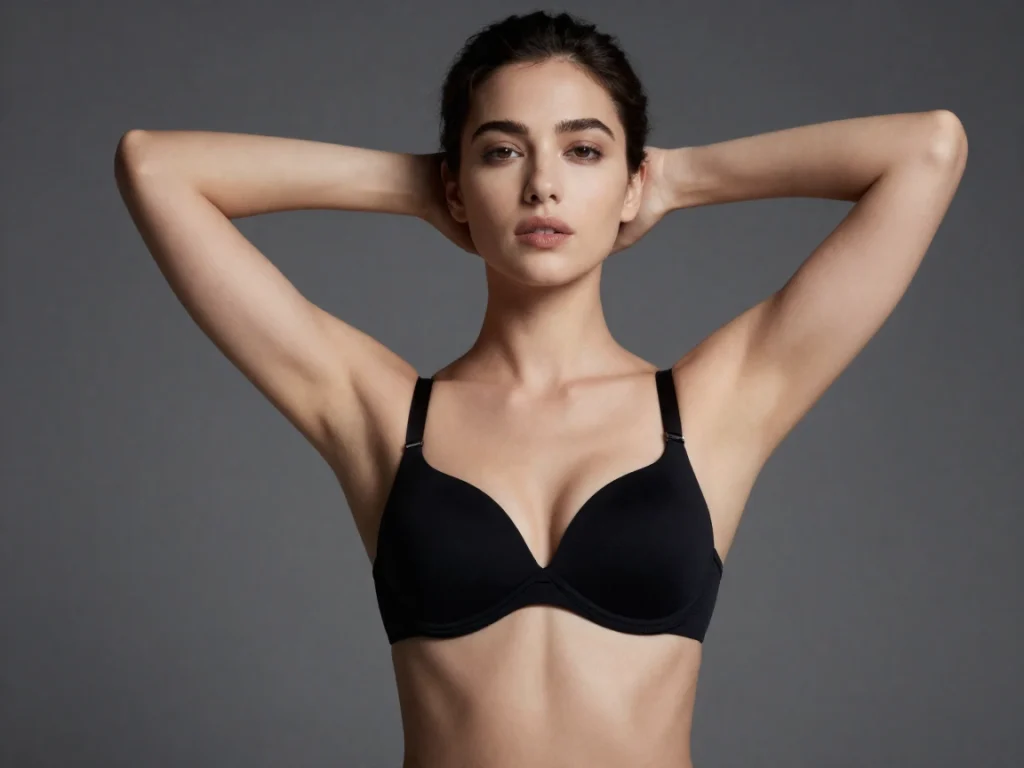
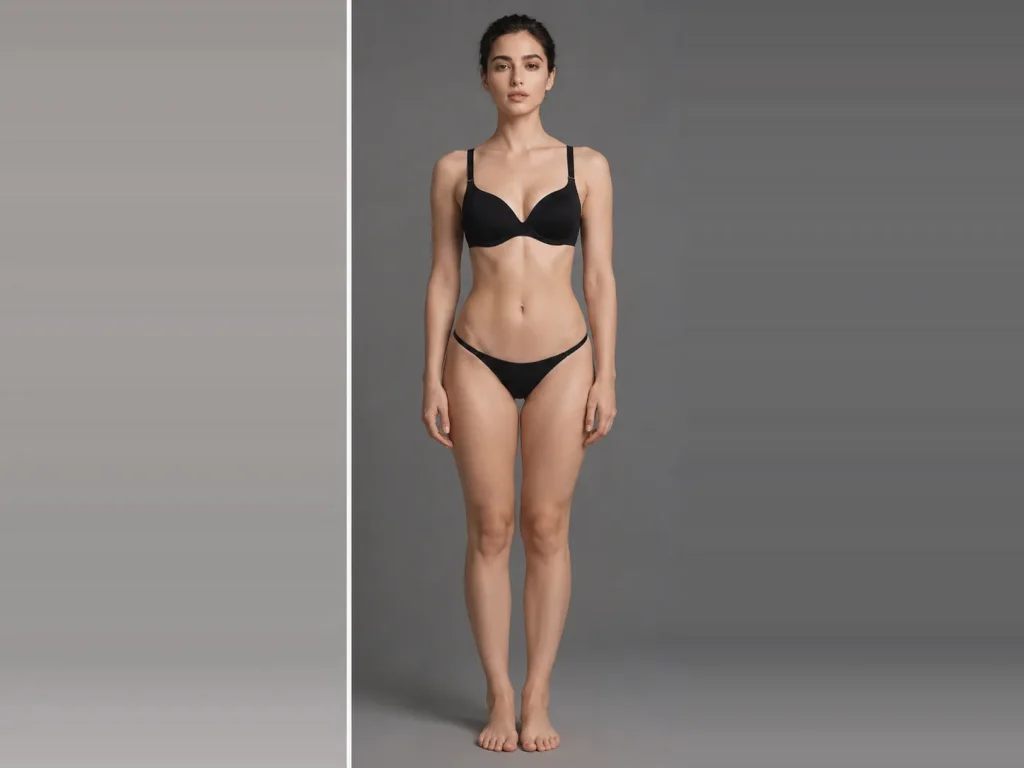
Why visible hands help
Hidden hands force the model to infer finger count, wrist direction and where the hand should emerge after the pose changes. For Best Photos for AI Pose Changing: Framing, Clothing & Camera Angle, when the result is almost right, avoid rewriting the entire request. Preserve the successful parts and correct one failure at a time—for example the right hand, the planted foot or the shoulder angle. This makes the workflow easier to compare and reduces the chance that a fix introduces a completely different composition.
When hands are visible, count fingers, check wrist direction and verify that palms or knuckles do not merge into clothing. A simple hand position is easier to evaluate than a decorative gesture with overlapping fingers. In this guide on Best Photos for AI Pose Changing: Framing, Clothing & Camera Angle, use that check specifically when reviewing why visible hands help.
Show the feet and the ground plane
Floor contact tells the model how the subject is supported and gives shadows a surface to match. In Best Photos for AI Pose Changing: Framing, Clothing & Camera Angle, this matters in AI pose editing because the model has to redraw a connected body, not move a rigid cut-out. A small change in the hips or shoulders can force new clothing folds, contact shadows and limb positions elsewhere in the frame. Treat the request as a new photographic arrangement while explicitly naming the details that should remain recognizable.
Shoes and feet explain balance. Compare sole contact, ankle alignment and the shadow immediately beneath the shoe; a small floating gap can make an otherwise convincing body feel synthetic. In this guide on Best Photos for AI Pose Changing: Framing, Clothing & Camera Angle, use that check specifically when reviewing show the feet and the ground plane.
Choose clothing that reveals enough structure
Very loose garments can hide hips, knees or elbows; that is not always a problem, but it makes precise limb placement harder to infer. For Best Photos for AI Pose Changing: Framing, Clothing & Camera Angle, the practical goal is not to control every pixel; it is to give the model enough geometric constraints that the new posture reads clearly while identity, clothing and scene remain close to the source. The more unusual the requested pose, the more useful it is to describe support points, hand placement, foot placement and body direction instead of relying on a vague style word.
Clothing is attached to the pose. When elbows, hips or knees move, fabric should crease and stretch in the same direction without changing color, pattern or garment construction unless that is part of the request. In this guide on Best Photos for AI Pose Changing: Framing, Clothing & Camera Angle, use that check specifically when reviewing choose clothing that reveals enough structure.
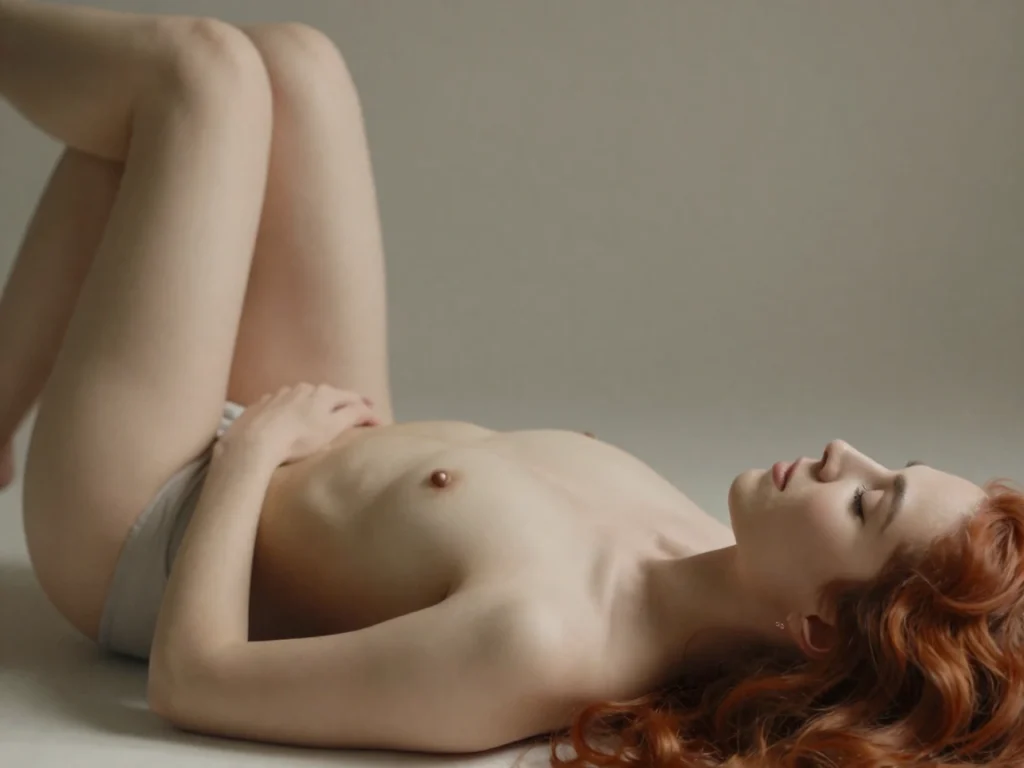
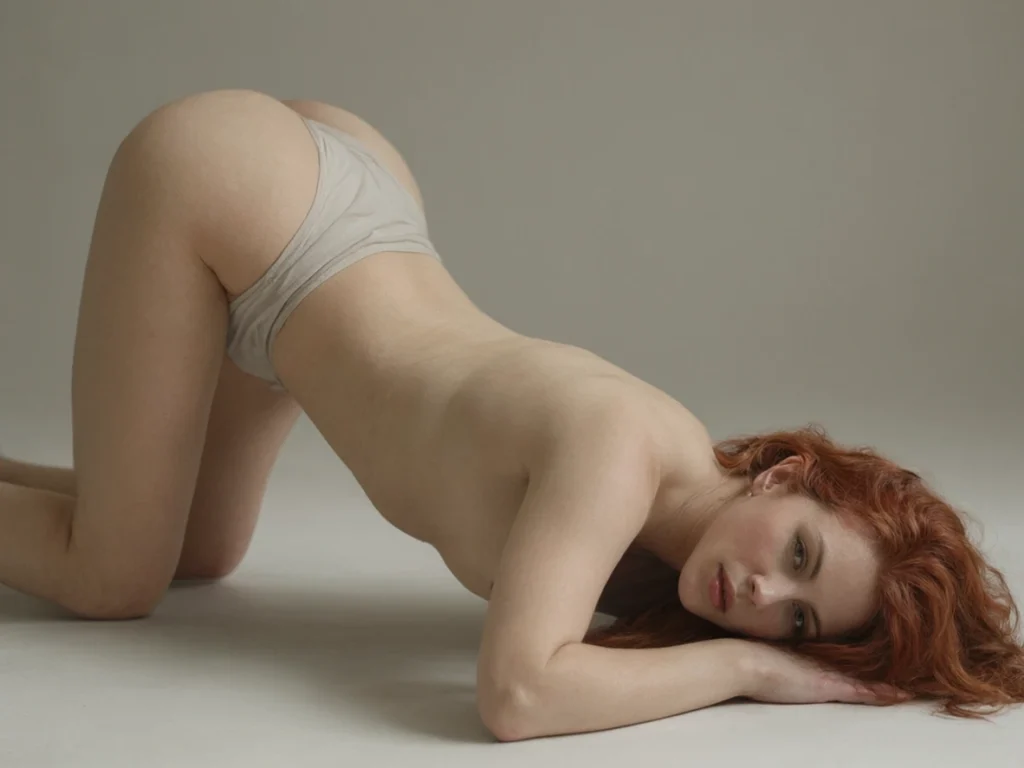
Prefer a camera angle compatible with the requested pose
A straight-on source is easier for a straight-on stance than a request that simultaneously turns the body and invents a new viewpoint. In Best Photos for AI Pose Changing: Framing, Clothing & Camera Angle, a good result should still look plausible when you inspect it at full size. Look beyond the overall silhouette and check joints, fingers, shoes, garment seams, floor contact and the direction of light. Those small relationships are where an attractive thumbnail can reveal that the pose was not physically resolved.
Perspective is part of the source. A pose that can be photographed from the existing viewpoint is generally easier to preserve than one that implies a completely new camera location. In this guide on Best Photos for AI Pose Changing: Framing, Clothing & Camera Angle, use that check specifically when reviewing prefer a camera angle compatible with the requested pose.
Clear lighting helps body boundaries
Strong but readable separation between subject and background helps the model understand arms, hair and clothing edges. For Best Photos for AI Pose Changing: Framing, Clothing & Camera Angle, think of the source photo as a set of constraints: camera position, body visibility, outfit, background and lighting. The pose instruction changes one part of that system. Asking for fewer unrelated changes at the same time generally makes it easier to judge whether the pose itself worked and to refine the next attempt.
For this specific issue, evaluate the result against the original rather than against an imagined perfect pose. Preserve the parts that already work, and make the next instruction about clear lighting helps body boundaries as concrete as possible. This keeps the edit measurable and prevents unrelated changes from hiding the original problem.
Leave room for the new silhouette
A walking step or extended arm may need more canvas than the original compact pose. In Best Photos for AI Pose Changing: Framing, Clothing & Camera Angle, pose generation is strongest when the requested posture is visually specific. Words such as “confident” or “relaxed” are useful as secondary cues, but concrete instructions such as where the weight rests, how the torso turns and what each hand does give the model a much clearer target.
Architectural edges are useful quality checks because they should remain straight. Curved doors, tiles or furniture behind a moved limb usually indicate that the model rebuilt too much of the scene. In this guide on Best Photos for AI Pose Changing: Framing, Clothing & Camera Angle, use that check specifically when reviewing leave room for the new silhouette.
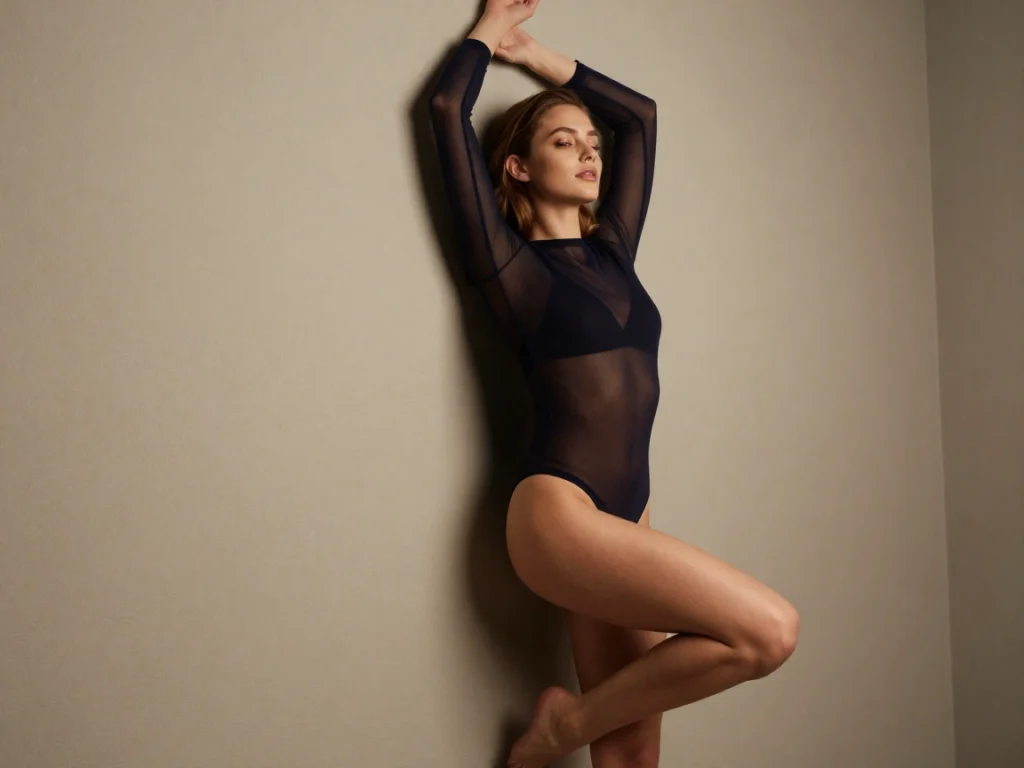
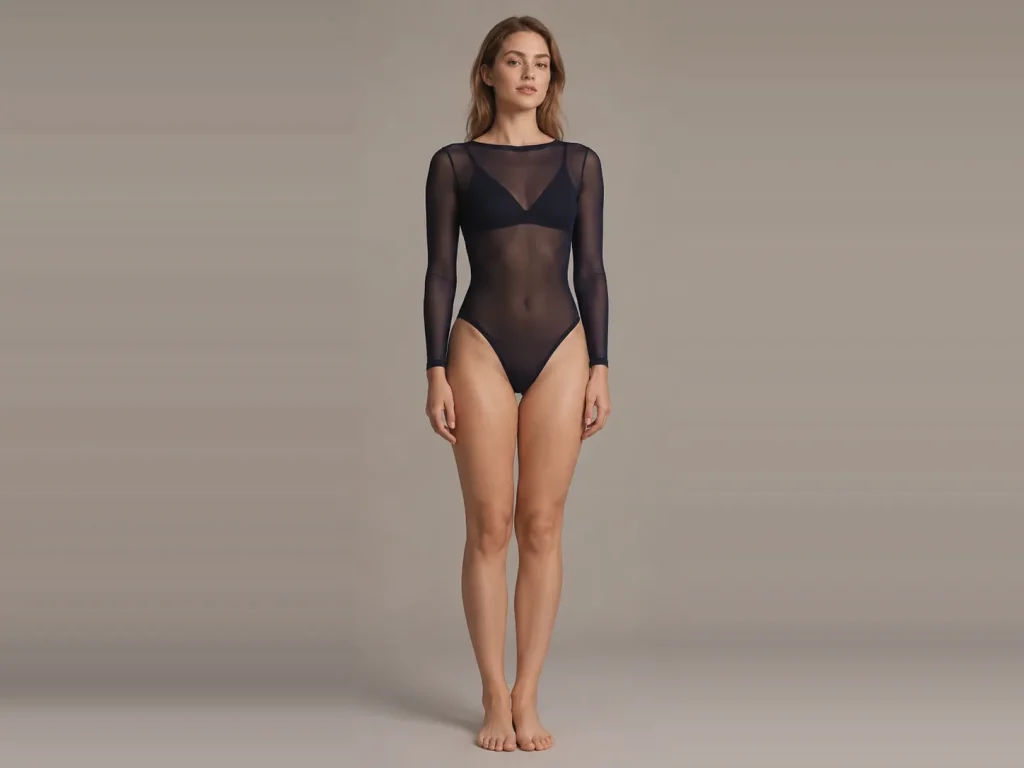
One clear subject is easier to control
Multiple people create ambiguity about which body the pose instruction belongs to and can introduce unwanted interactions. For Best Photos for AI Pose Changing: Framing, Clothing & Camera Angle, when the result is almost right, avoid rewriting the entire request. Preserve the successful parts and correct one failure at a time—for example the right hand, the planted foot or the shoulder angle. This makes the workflow easier to compare and reduces the chance that a fix introduces a completely different composition.
For this specific issue, evaluate the result against the original rather than against an imagined perfect pose. Preserve the parts that already work, and make the next instruction about one clear subject is easier to control as concrete as possible. This keeps the edit measurable and prevents unrelated changes from hiding the original problem.
A quick source-photo scorecard
Check body visibility, limb visibility, background separation, resolution, camera angle and available space before starting. In Best Photos for AI Pose Changing: Framing, Clothing & Camera Angle, this matters in AI pose editing because the model has to redraw a connected body, not move a rigid cut-out. A small change in the hips or shoulders can force new clothing folds, contact shadows and limb positions elsewhere in the frame. Treat the request as a new photographic arrangement while explicitly naming the details that should remain recognizable.
The source does not need to be a studio photo, but it should make the subject easy to read. Strong compression, tiny faces and heavy occlusion leave the model with less evidence for reconstruction. In this guide on Best Photos for AI Pose Changing: Framing, Clothing & Camera Angle, use that check specifically when reviewing a quick source-photo scorecard.
Source resolution and compression affect pose reconstruction
A larger, cleaner source preserves more information around fingers, facial features, garment edges and shoes. Messenger screenshots and heavily compressed downloads can still work, but they give the editor less reliable detail to carry into a new posture. For Best Photos for AI Pose Changing: Framing, Clothing & Camera Angle, the practical goal is not to control every pixel; it is to give the model enough geometric constraints that the new posture reads clearly while identity, clothing and scene remain close to the source. The more unusual the requested pose, the more useful it is to describe support points, hand placement, foot placement and body direction instead of relying on a vague style word.
The source does not need to be a studio photo, but it should make the subject easy to read. Strong compression, tiny faces and heavy occlusion leave the model with less evidence for reconstruction. In this guide on Best Photos for AI Pose Changing: Framing, Clothing & Camera Angle, use that check specifically when reviewing source resolution and compression affect pose reconstruction.
Prompt examples
The examples in Best Photos for AI Pose Changing: Framing, Clothing & Camera Angle are deliberately specific about body geometry. Shorten them if the source already makes a detail obvious, or add preservation constraints for distinctive clothing and accessories.
From this full-body source, change the posture to a relaxed standing pose with the weight on the right leg and left foot half a step forward. Preserve face, outfit, camera position and background.
Generate from the original source and inspect anatomy and preservation at full size.
For this waist-up portrait, turn the shoulders slightly away from camera, tilt the head back toward camera and keep both hands visible near the lower edge of frame. Preserve face and clothing.
Generate from the original source and inspect anatomy and preservation at full size.
A practical step-by-step workflow
For best photos for ai pose changing: framing, clothing & camera angle, a repeatable workflow is more useful than chasing a single lucky generation. Start from the original image each time so you can compare alternatives without accumulating changes from earlier outputs.
- 1. Choose the clearest original image you have and confirm that the requested body parts are visible enough for the planned change.
- 2. Decide whether a preset is sufficient or whether a text description is needed for hands, feet, support and body direction.
- 3. Write the pose as the only main change and list the identity, clothing or scene details that must remain recognizable.
- 4. Generate one candidate from the original rather than chaining from an earlier edited pose.
- 5. Inspect face, hands, joints, shoes, clothing folds, support points, shadows and background at full size.
- 6. If one detail fails, simplify or correct that region and generate another candidate from the original.
Save the original and compare candidates side by side before choosing a final version. For Best Photos for AI Pose Changing: Framing, Clothing & Camera Angle, when the result is almost right, avoid rewriting the entire request. Preserve the successful parts and correct one failure at a time—for example the right hand, the planted foot or the shoulder angle. This makes the workflow easier to compare and reduces the chance that a fix introduces a completely different composition.
Use pose editing responsibly
When applying the workflow from Best Photos for AI Pose Changing: Framing, Clothing & Camera Angle, use images you have the right to edit and photos of adults who have consented to the use of their image. A pose edit can create a convincing new depiction that was never photographed, so do not present generated posture changes as documentary evidence of an event that did not occur.
For professional or commercial use of best photos for ai pose changing: framing, clothing & camera angle, keep the original and record which image was AI-edited. This is especially useful when a client needs to compare wardrobe, identity or scene details against the source.
Related AvaClik guides
After Best Photos for AI Pose Changing: Framing, Clothing & Camera Angle, continue with the most relevant AvaClik pose guide below when the next step needs a different level of control. The linked articles separate source-photo choice, prompt design, preservation and troubleshooting so each problem can be reviewed on its own.
- How to Change a Pose in a Photo With AI
- 40 AI Pose Changer Prompts
- How to Keep the Same Face and Outfit
- How to Make AI Poses Look Realistic
Frequently asked questions
Do I always need a full-body photo?
No. Use full-body framing when the requested edit involves legs, feet, seating or walking. Portrait changes can use a tighter crop.
Are selfies good pose sources?
They can work for head and shoulder changes, but large body changes are harder when most of the body is missing.
Does a plain background help?
Often yes because the silhouette is easier to separate, but a normal scene can work when body edges are clear.
What if the source cuts off a foot?
The AI can invent the missing area, but that introduces more uncertainty. Review the generated shoe, leg length and floor contact carefully.
Try this in AvaClik
Try the workflow in AvaClik
Upload a photo you have permission to edit, make a change, check the result and refine it.
Try AvaClik AI Pose Changer ↗