How to Create a Couple Photo From Two Separate Pictures
Create a natural couple photo from two separate source images while preserving both faces and matching pose, light, height and body contact.
On this page
Open the AvaClik tool connected to this guide and try it on your photo.
A couple composition is a special case of combining two people because proximity and body contact make small errors obvious. Matching faces is only the first step; hands, shoulder overlap, height, gaze and shadows must also make sense together.
Quick answer
Use clear source photos of both consenting adults, choose one scene, start with a simple side-by-side pose, match height and light, and preserve both faces and outfits. Add closer contact only after the basic composition already looks believable.
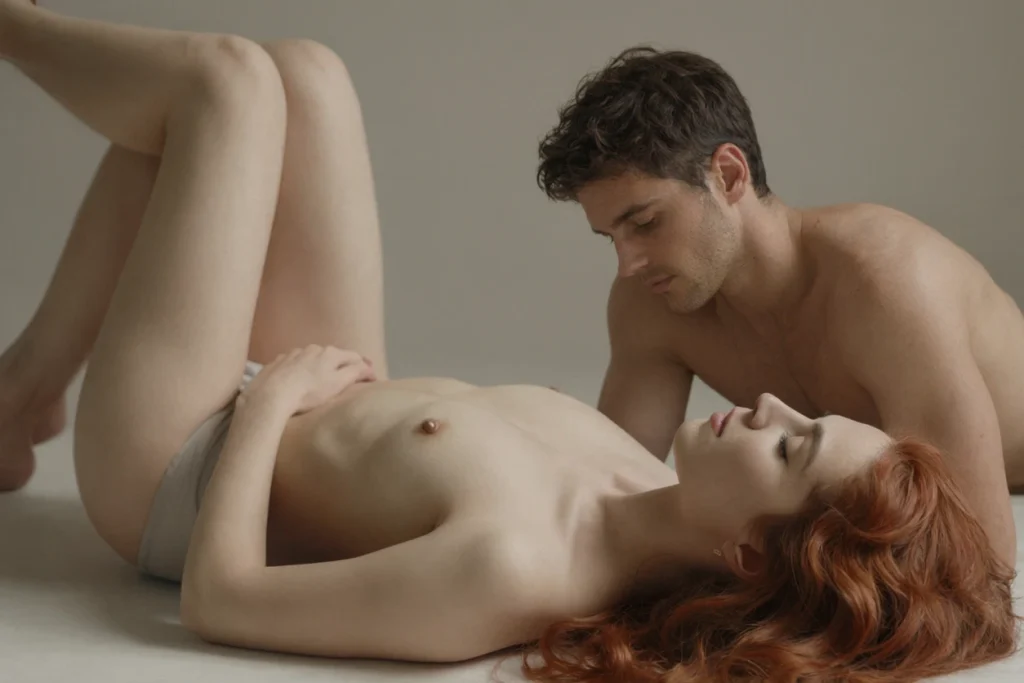
Use consensual source images
Couple-style edits involve real people and can change how their relationship appears. Use source images you are allowed to edit and avoid presenting a synthetic relationship scene as documentary proof. A useful workflow for How to Create a Couple Photo From Two Separate Pictures is to change one compositional decision at a time. If placement is wrong, fix placement first. If the person is the correct size but the light does not match, keep the size and correct only the lighting instruction. Small controlled revisions make it easier to identify what improved the composite and what caused a new artifact.
Couple-style edits involve real people and can change how their relationship appears. Use source images you are allowed to edit and avoid presenting a synthetic relationship scene as documentary proof. In How to Create a Couple Photo From Two Separate Pictures, the important point is that the inserted person must belong to the same photographic space as the original subjects. Scale, camera height, lighting direction, floor contact and occlusion all work together. A result can look convincing at thumbnail size but still fail when you compare faces, hands, shadows and the relative height of everyone in the scene.
For this section, make the comparison against the source files concrete. Note exactly what should change and what should stay stable. In a workflow about create couple photo from two separate pictures, that distinction prevents a visually impressive result from hiding a change to identity, wardrobe, framing or scene geometry that the user did not request.
Start with a simple couple pose
Standing side by side or sitting beside each other is easier to integrate than an embrace with crossed arms and hidden hands. With start with a simple couple pose, physical relationships matter more than decorative wording. Saying “standing to the right, half a step behind the group, feet on the same floor plane, warm light from camera-left” gives the model clearer constraints than simply asking for a “natural group photo.” Mood words can help, but position, scale and light are what make the person feel present in the scene.
Standing side by side or sitting beside each other is easier to integrate than an embrace with crossed arms and hidden hands. For How to Create a Couple Photo From Two Separate Pictures, treat the base image as the reference for perspective and atmosphere. The second photo supplies the person, but it should not silently redefine the whole scene. Preserve the original crop, existing people and major background lines unless the edit genuinely needs more room. This makes it easier to judge whether the added person was integrated rather than whether the entire photo was regenerated.
For this section, make the comparison against the source files concrete. Note exactly what should change and what should stay stable. In a workflow about create couple photo from two separate pictures, that distinction prevents a visually impressive result from hiding a change to identity, wardrobe, framing or scene geometry that the user did not request.
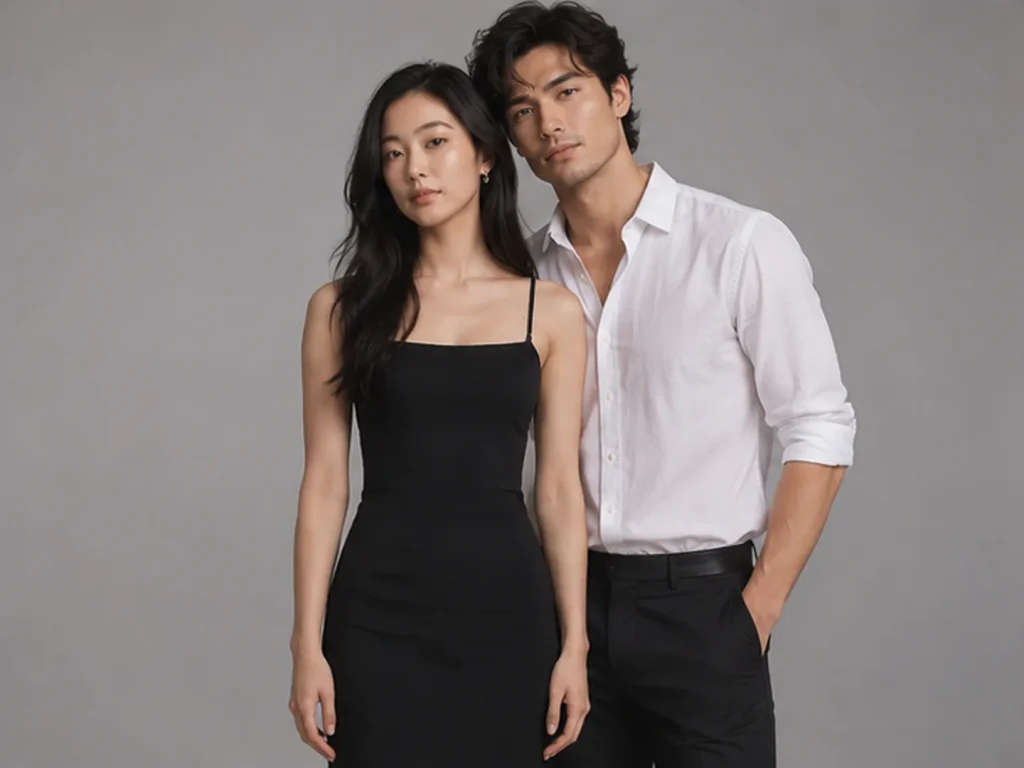
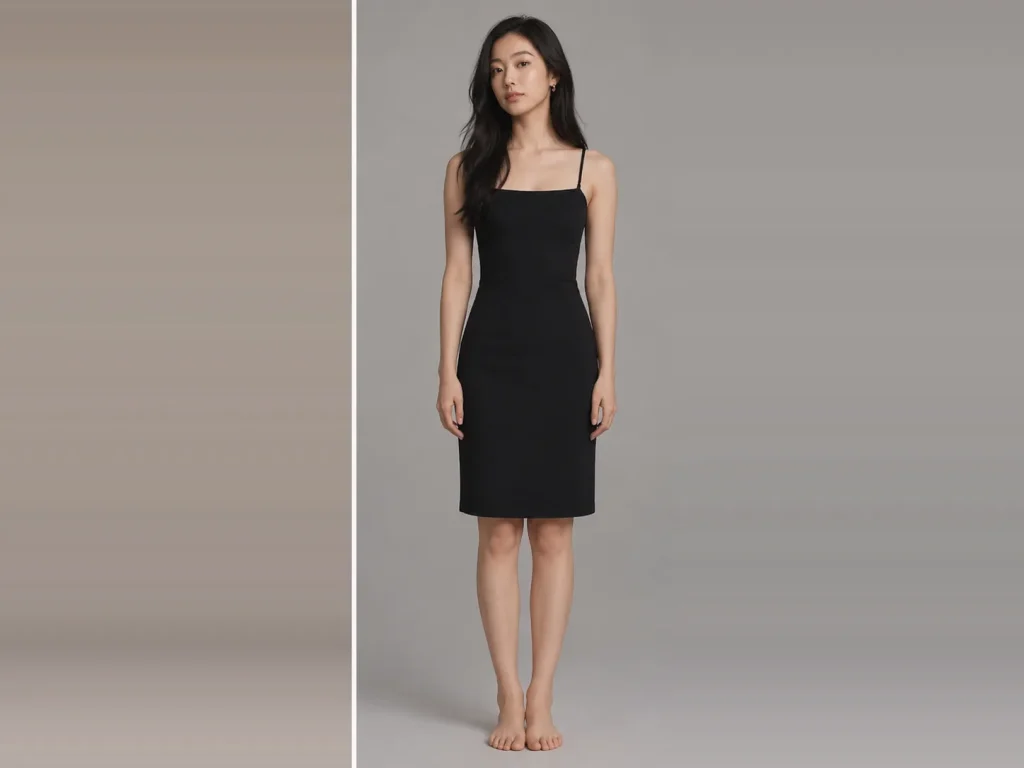
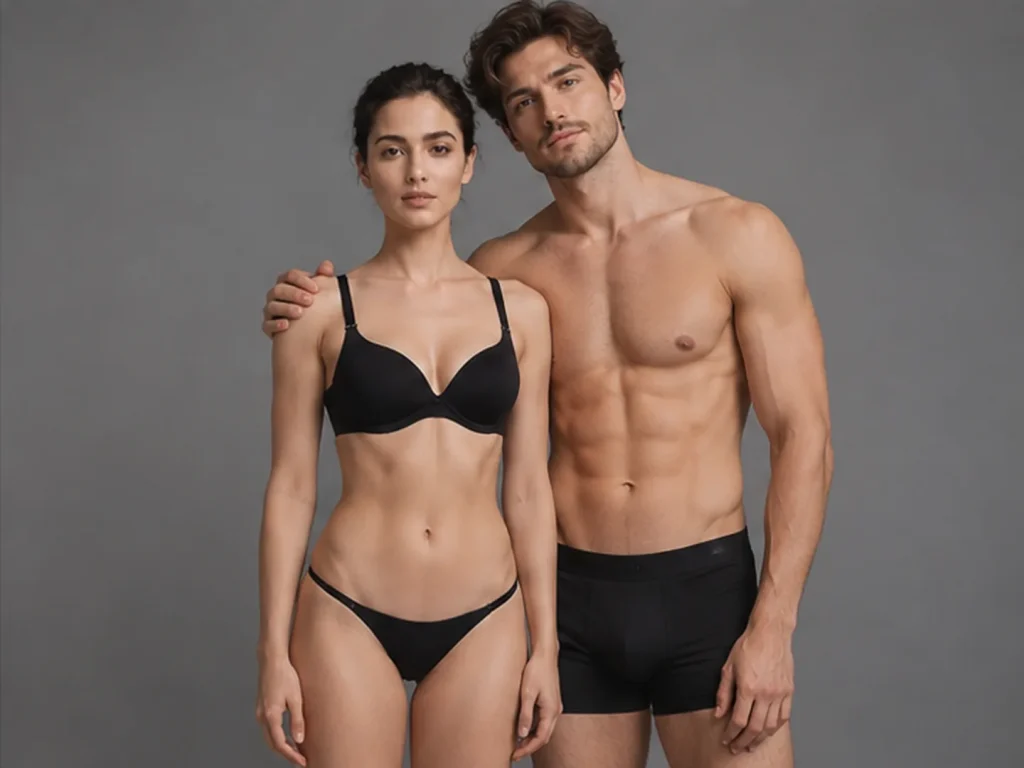
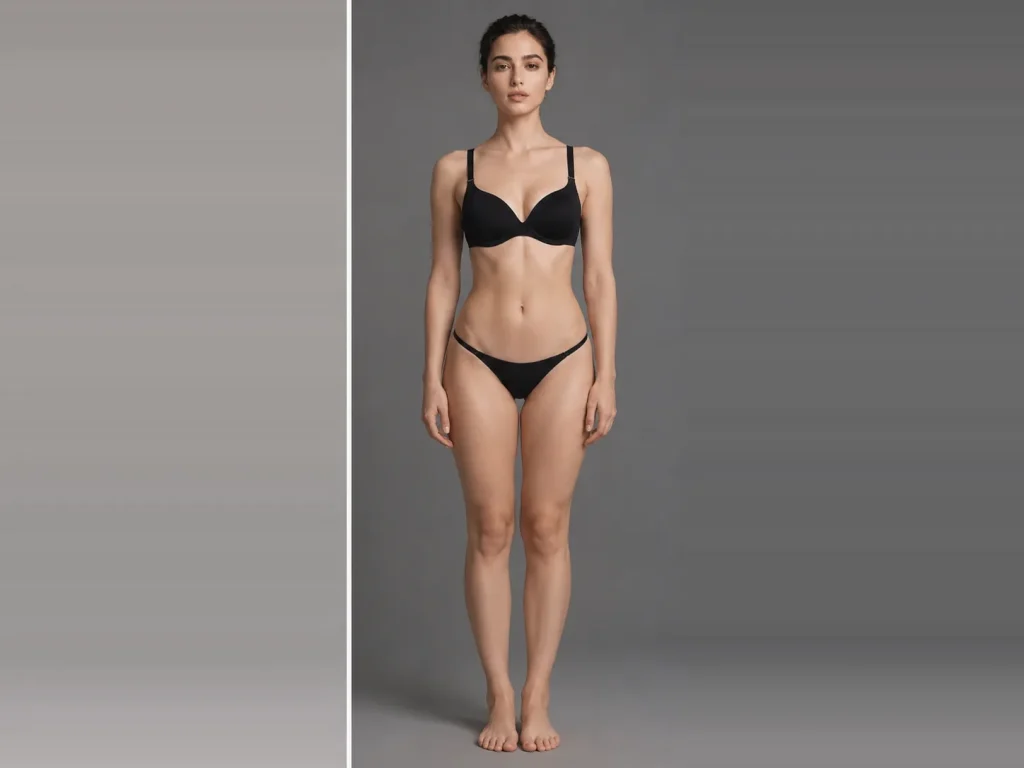
Create one natural portrait with both adults standing side by side. Use the first photo as the background. Preserve both faces and outfits, match their relative height, lighting and floor shadows, and keep hand placement simple.
Adapt placement and preservation to the actual source photos.
Place both adults sitting next to each other on the sofa in the base photo. Match camera perspective and warm room light. Preserve both identities, clothing and background, with natural shoulder contact and visible hands.
Adapt placement and preservation to the actual source photos.
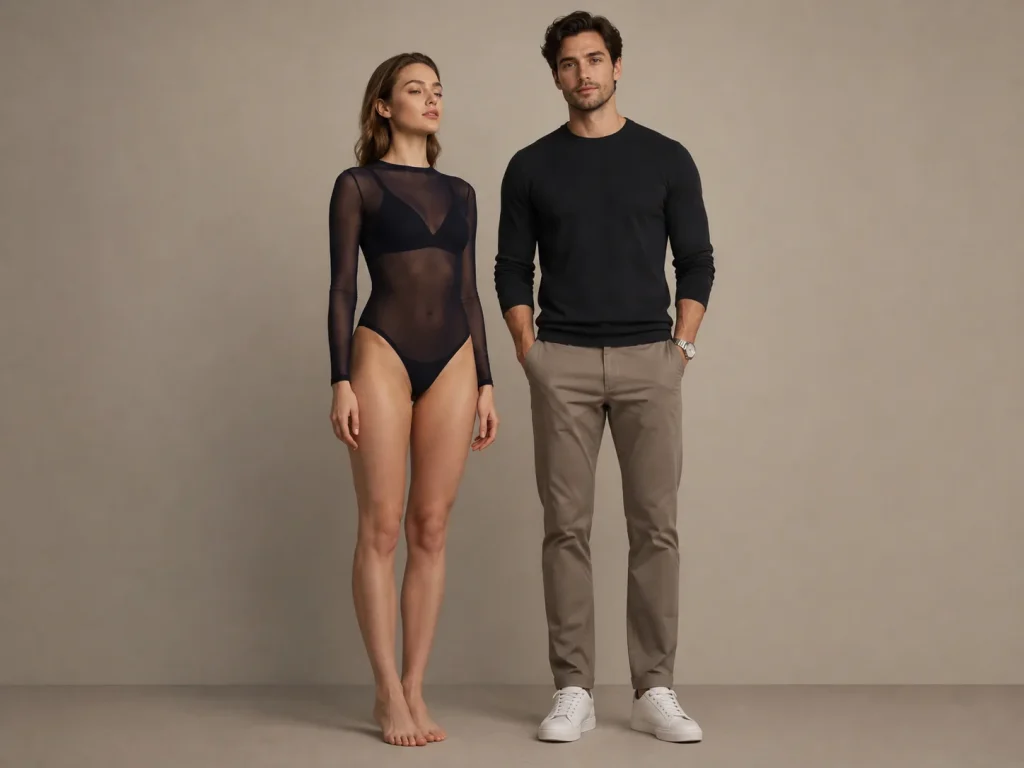
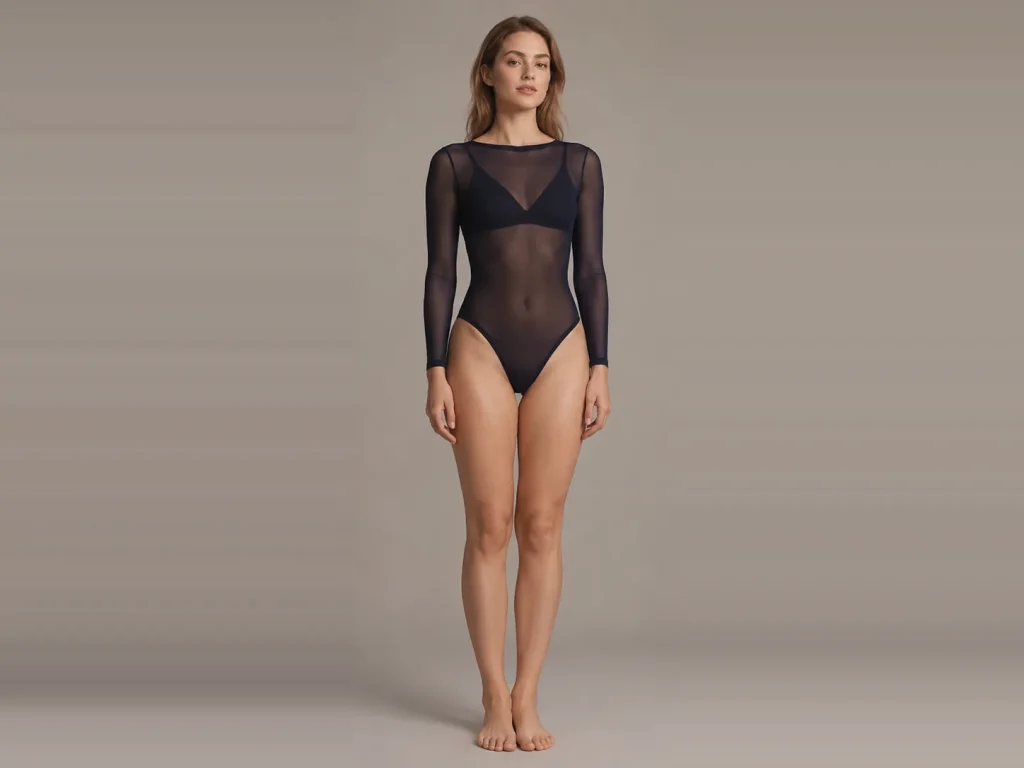
Set height and shoulder relationship
A natural relative height and shoulder line make the pair feel photographed together rather than scaled independently. In How to Create a Couple Photo From Two Separate Pictures, the important point is that the inserted person must belong to the same photographic space as the original subjects. Scale, camera height, lighting direction, floor contact and occlusion all work together. A result can look convincing at thumbnail size but still fail when you compare faces, hands, shadows and the relative height of everyone in the scene.
A natural relative height and shoulder line make the pair feel photographed together rather than scaled independently. When reviewing set height and shoulder relationship, compare the result with both source photos. The new composition should keep recognizable identity from the second image while matching the geometry of the base photo. Check face shape, hairstyle, outfit details, hand count, foot placement, shadows and any overlap with nearby people or furniture before accepting the result.
For this section, make the comparison against the source files concrete. Note exactly what should change and what should stay stable. In a workflow about create couple photo from two separate pictures, that distinction prevents a visually impressive result from hiding a change to identity, wardrobe, framing or scene geometry that the user did not request.
Create one natural portrait with both adults standing side by side. Use the first photo as the background. Preserve both faces and outfits, match their relative height, lighting and floor shadows, and keep hand placement simple.
Adapt placement and preservation to the actual source photos.
Place both adults sitting next to each other on the sofa in the base photo. Match camera perspective and warm room light. Preserve both identities, clothing and background, with natural shoulder contact and visible hands.
Adapt placement and preservation to the actual source photos.
Choose where both people look
Both can look at the camera, at each other or slightly away, but mismatched gaze can make the scene feel assembled. For How to Create a Couple Photo From Two Separate Pictures, treat the base image as the reference for perspective and atmosphere. The second photo supplies the person, but it should not silently redefine the whole scene. Preserve the original crop, existing people and major background lines unless the edit genuinely needs more room. This makes it easier to judge whether the added person was integrated rather than whether the entire photo was regenerated.
Both can look at the camera, at each other or slightly away, but mismatched gaze can make the scene feel assembled. A useful workflow for How to Create a Couple Photo From Two Separate Pictures is to change one compositional decision at a time. If placement is wrong, fix placement first. If the person is the correct size but the light does not match, keep the size and correct only the lighting instruction. Small controlled revisions make it easier to identify what improved the composite and what caused a new artifact.
For this section, make the comparison against the source files concrete. Note exactly what should change and what should stay stable. In a workflow about create couple photo from two separate pictures, that distinction prevents a visually impressive result from hiding a change to identity, wardrobe, framing or scene geometry that the user did not request.
Treat hands and contact as a separate task
Hands on a waist, shoulder or arm need anatomically believable contact and correct finger count. When reviewing treat hands and contact as a separate task, compare the result with both source photos. The new composition should keep recognizable identity from the second image while matching the geometry of the base photo. Check face shape, hairstyle, outfit details, hand count, foot placement, shadows and any overlap with nearby people or furniture before accepting the result.
Hands on a waist, shoulder or arm need anatomically believable contact and correct finger count. With treat hands and contact as a separate task, physical relationships matter more than decorative wording. Saying “standing to the right, half a step behind the group, feet on the same floor plane, warm light from camera-left” gives the model clearer constraints than simply asking for a “natural group photo.” Mood words can help, but position, scale and light are what make the person feel present in the scene.
For this section, make the comparison against the source files concrete. Note exactly what should change and what should stay stable. In a workflow about create couple photo from two separate pictures, that distinction prevents a visually impressive result from hiding a change to identity, wardrobe, framing or scene geometry that the user did not request.
Preserve clothing unless a coordinated look is intentional
Unnecessary wardrobe changes can make identity preservation harder and turn a composition edit into a full restyle. A useful workflow for How to Create a Couple Photo From Two Separate Pictures is to change one compositional decision at a time. If placement is wrong, fix placement first. If the person is the correct size but the light does not match, keep the size and correct only the lighting instruction. Small controlled revisions make it easier to identify what improved the composite and what caused a new artifact.
Unnecessary wardrobe changes can make identity preservation harder and turn a composition edit into a full restyle. In How to Create a Couple Photo From Two Separate Pictures, the important point is that the inserted person must belong to the same photographic space as the original subjects. Scale, camera height, lighting direction, floor contact and occlusion all work together. A result can look convincing at thumbnail size but still fail when you compare faces, hands, shadows and the relative height of everyone in the scene.
For this section, make the comparison against the source files concrete. Note exactly what should change and what should stay stable. In a workflow about create couple photo from two separate pictures, that distinction prevents a visually impressive result from hiding a change to identity, wardrobe, framing or scene geometry that the user did not request.
Give both people one lighting environment
Skin highlights, hair rim light and clothing shadows should agree with the base scene. With give both people one lighting environment, physical relationships matter more than decorative wording. Saying “standing to the right, half a step behind the group, feet on the same floor plane, warm light from camera-left” gives the model clearer constraints than simply asking for a “natural group photo.” Mood words can help, but position, scale and light are what make the person feel present in the scene.
Skin highlights, hair rim light and clothing shadows should agree with the base scene. For How to Create a Couple Photo From Two Separate Pictures, treat the base image as the reference for perspective and atmosphere. The second photo supplies the person, but it should not silently redefine the whole scene. Preserve the original crop, existing people and major background lines unless the edit genuinely needs more room. This makes it easier to judge whether the added person was integrated rather than whether the entire photo was regenerated.
For this section, make the comparison against the source files concrete. Note exactly what should change and what should stay stable. In a workflow about create couple photo from two separate pictures, that distinction prevents a visually impressive result from hiding a change to identity, wardrobe, framing or scene geometry that the user did not request.
Create one natural portrait with both adults standing side by side. Use the first photo as the background. Preserve both faces and outfits, match their relative height, lighting and floor shadows, and keep hand placement simple.
Adapt placement and preservation to the actual source photos.
Place both adults sitting next to each other on the sofa in the base photo. Match camera perspective and warm room light. Preserve both identities, clothing and background, with natural shoulder contact and visible hands.
Adapt placement and preservation to the actual source photos.
Keep both people on the same spatial plane
Unless one person is intentionally behind the other, their foot placement and sharpness should imply comparable distance from the camera. In How to Create a Couple Photo From Two Separate Pictures, the important point is that the inserted person must belong to the same photographic space as the original subjects. Scale, camera height, lighting direction, floor contact and occlusion all work together. A result can look convincing at thumbnail size but still fail when you compare faces, hands, shadows and the relative height of everyone in the scene.
Unless one person is intentionally behind the other, their foot placement and sharpness should imply comparable distance from the camera. When reviewing keep both people on the same spatial plane, compare the result with both source photos. The new composition should keep recognizable identity from the second image while matching the geometry of the base photo. Check face shape, hairstyle, outfit details, hand count, foot placement, shadows and any overlap with nearby people or furniture before accepting the result.
For this section, make the comparison against the source files concrete. Note exactly what should change and what should stay stable. In a workflow about create couple photo from two separate pictures, that distinction prevents a visually impressive result from hiding a change to identity, wardrobe, framing or scene geometry that the user did not request.
Use mood after geometry is correct
Warm, editorial or candid styling works best after scale, perspective and contact have already been solved. For How to Create a Couple Photo From Two Separate Pictures, treat the base image as the reference for perspective and atmosphere. The second photo supplies the person, but it should not silently redefine the whole scene. Preserve the original crop, existing people and major background lines unless the edit genuinely needs more room. This makes it easier to judge whether the added person was integrated rather than whether the entire photo was regenerated.
Warm, editorial or candid styling works best after scale, perspective and contact have already been solved. A useful workflow for How to Create a Couple Photo From Two Separate Pictures is to change one compositional decision at a time. If placement is wrong, fix placement first. If the person is the correct size but the light does not match, keep the size and correct only the lighting instruction. Small controlled revisions make it easier to identify what improved the composite and what caused a new artifact.
For this section, make the comparison against the source files concrete. Note exactly what should change and what should stay stable. In a workflow about create couple photo from two separate pictures, that distinction prevents a visually impressive result from hiding a change to identity, wardrobe, framing or scene geometry that the user did not request.
Check both identities and every contact point
Compare face, hair and clothing with the sources, then inspect hands, elbows, shoulders, feet and contact shadows. When reviewing check both identities and every contact point, compare the result with both source photos. The new composition should keep recognizable identity from the second image while matching the geometry of the base photo. Check face shape, hairstyle, outfit details, hand count, foot placement, shadows and any overlap with nearby people or furniture before accepting the result.
Compare face, hair and clothing with the sources, then inspect hands, elbows, shoulders, feet and contact shadows. With check both identities and every contact point, physical relationships matter more than decorative wording. Saying “standing to the right, half a step behind the group, feet on the same floor plane, warm light from camera-left” gives the model clearer constraints than simply asking for a “natural group photo.” Mood words can help, but position, scale and light are what make the person feel present in the scene.
For this section, make the comparison against the source files concrete. Note exactly what should change and what should stay stable. In a workflow about create couple photo from two separate pictures, that distinction prevents a visually impressive result from hiding a change to identity, wardrobe, framing or scene geometry that the user did not request.
Example prompts to adapt
Create one natural portrait with both adults standing side by side. Use the first photo as the background. Preserve both faces and outfits, match their relative height, lighting and floor shadows, and keep hand placement simple.Place both adults sitting next to each other on the sofa in the base photo. Match camera perspective and warm room light. Preserve both identities, clothing and background, with natural shoulder contact and visible hands.Treat these examples as starting points for How to Create a Couple Photo From Two Separate Pictures, not fixed recipes. The strongest prompt describes the actual placement, camera geometry, lighting relationship and protected details visible in the two source images you are using.
A practical step-by-step workflow
For how to create a couple photo from two separate pictures, use a repeatable sequence rather than changing placement, scale, lighting and styling all at once. Start from the original files each time, save several candidates, and compare them side by side at full size.
- 1. Choose the base photo and decide what parts of it must remain unchanged.
- 2. Choose the source image of the person and check face clarity, body visibility, camera angle and lighting.
- 3. Describe the intended placement, relative scale, depth and simple pose.
- 4. Generate from the original files and compare the new person with nearby people and scene references.
- 5. Inspect identity, hands, feet, overlaps, contact shadows, background geometry, sharpness and color.
- 6. Refine one failed constraint at a time and export a new file while keeping the original sources.
Before export in How to Create a Couple Photo From Two Separate Pictures, zoom into the transition zones that matter for this composition: hair against the background, shoulders near another person, hands near clothing, shoes or seated contact points, and the local shadow. These details often reveal a compositing mistake sooner than the center of the face.
Quality checklist before saving
- The added face still resembles the source person.
- Every existing face and expression remains recognizable.
- Relative height and body scale fit nearby people.
- Feet or seated body parts touch the correct surface.
- Hands have plausible anatomy and do not fuse with clothing or other people.
- Lighting direction, softness and color fit the base image.
- Contact shadows and depth cues place the person in the scene.
- Straight background lines and repeated textures are not warped.
- Local sharpness, grain and compression do not make the new person stand out.
- The edited image is not presented as documentary evidence of an event that did not occur.
Related AvaClik guides
These guides cover the next common problems in the same workflow: better source selection, stronger prompts, realistic integration and troubleshooting.
- How to Add a Person to a Photo With AI
- How to Put Two People Together in One Photo
- Best Photos for Adding a Person With AI
- How to Make an Added Person Look Natural
Frequently asked questions
Can AI create a couple photo if the people were never together?
Yes, it can create a synthetic composition. It should be treated as an AI-edited image, not evidence that an event or relationship happened.
Why do hugs often look worse?
Hugs create many occlusions and hand interactions, which require more reconstruction than a simple side-by-side pose.
Can I keep both original outfits?
Yes, explicitly ask to preserve them and use source photos where the clothing is visible enough to reproduce.
What source photos work best?
Clear images with compatible camera angles, similar framing and visible body areas give the model more reliable information.
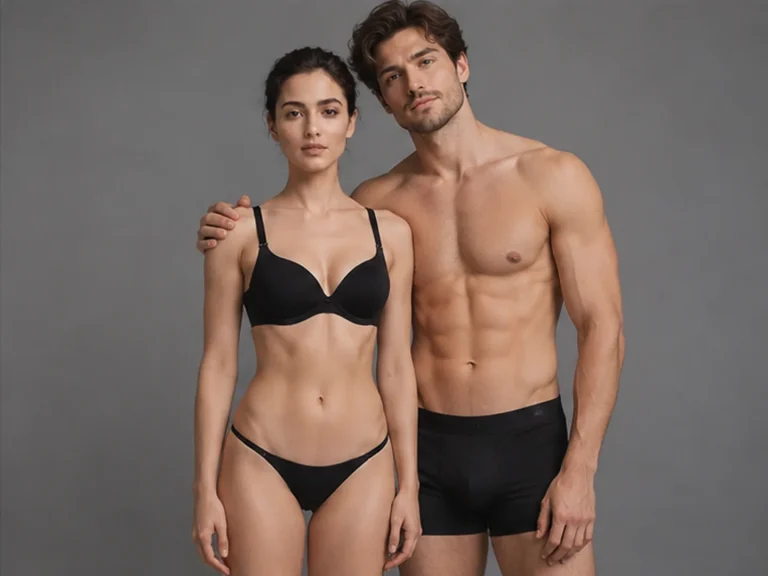
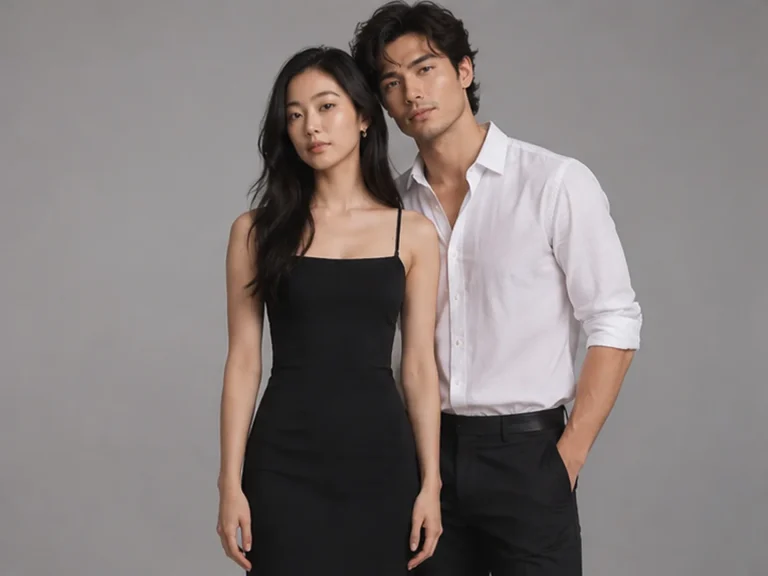
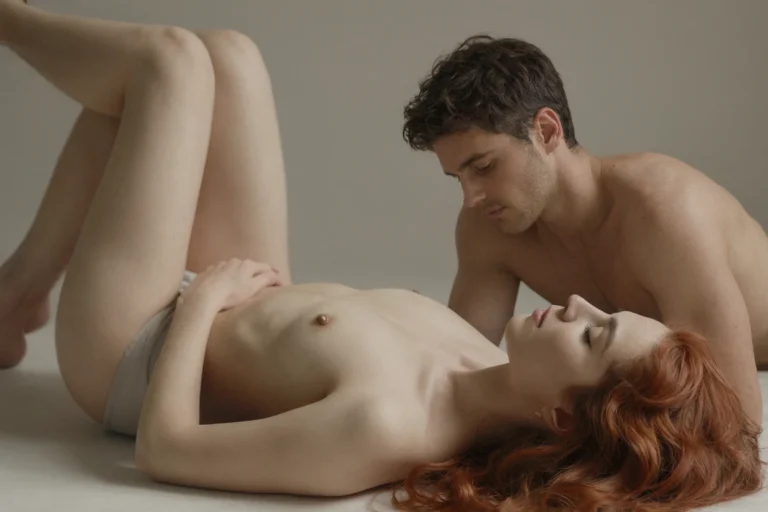
Try this in AvaClik
Try the workflow in AvaClik
Upload a photo you have permission to edit, make a change, check the result and refine it.
Try AvaClik AI Add Person ↗