AI Image Aspect Ratios: 1:1 vs 4:5 vs 3:2 vs 16:9
Learn how aspect ratio changes composition in AI image generation and when square, portrait, photographic and widescreen frames make the most sense.
On this page
Open the AvaClik tool connected to this guide and try it on your photo.
Learn how aspect ratio changes composition in AI image generation and when square, portrait, photographic and widescreen frames make the most sense.
Quick answer
For AI image aspect ratios, start with a short visual brief that makes the main subject, physical setting, framing and lighting explicit. Generate a simple version first, judge the large structural decisions, and only then spend extra detail or higher-quality generations on a composition that already works.
The important distinction in “AI Image Aspect Ratios: 1:1 vs 4:5 vs 3:2 vs 16:9” is that a text-to-image model invents the entire frame. It is not recovering a hidden real photograph. Faces, hands, clothing folds, background signs and small objects are synthetic choices, so the final image should be reviewed as generated media rather than assumed to be accurate evidence of anything real.
Aspect ratio changes composition, not just crop
For “AI Image Aspect Ratios: 1:1 vs 4:5 vs 3:2 vs 16:9,” aspect ratio changes composition, not just crop changes the space the model has to solve the scene. A vertical frame gives a standing subject room from head to feet; a wide frame gives the environment more visual weight. Decide the ratio before refining pose and background, because a later crop can remove the very details the prompt asked the model to compose.
A practical test is to generate two versions where only this decision changes. Keep the subject, setting and camera language stable, then compare which version has more coherent geometry, clearer visual hierarchy and fewer artifacts. This isolates whether aspect ratio changes composition, not just crop actually helped instead of confusing the result with several simultaneous prompt changes.
Before publishing the “Aspect ratio changes composition, not just crop” section of “AI Image Aspect Ratios: 1:1 vs 4:5 vs 3:2 vs 16:9,” replace its placeholder with a real AvaClik example that demonstrates this decision. The example should make the difference visible at a glance, use only adult content allowed by the service, and include enough of the frame for readers to judge composition rather than showing a cropped detail with no context.
1:1 for centered portraits and profile images
In the context of “AI Image Aspect Ratios: 1:1 vs 4:5 vs 3:2 vs 16:9,” 1:1 for centered portraits and profile images should remove age ambiguity rather than rely on vague beauty language. Use clearly adult descriptors such as “adult woman in her 30s” or “adult man in his late 20s” when age framing matters, and avoid terms that could be read as underage.
When reviewing this part of “AI Image Aspect Ratios: 1:1 vs 4:5 vs 3:2 vs 16:9,” ask what a photographer or art director would be able to point to in the finished frame. If the instruction cannot be checked visually, rewrite it into something observable: a light source, a camera angle, a physical material, a pose relationship or a defined background element.
Before publishing the “1:1 for centered portraits and profile images” section of “AI Image Aspect Ratios: 1:1 vs 4:5 vs 3:2 vs 16:9,” replace its placeholder with a real AvaClik example that demonstrates this decision. The example should make the difference visible at a glance, use only adult content allowed by the service, and include enough of the frame for readers to judge composition rather than showing a cropped detail with no context.
| Ratio | Best starting use | Composition note |
|---|---|---|
| 1:1 | Profile / centered portrait | Balanced space around one subject |
| 4:5 | Vertical portrait / social feed | More body and wardrobe room |
| 3:2 | Photography-style frame | Natural horizontal or vertical composition |
| 16:9 | Cinematic / environmental scene | Background becomes a major part of the story |
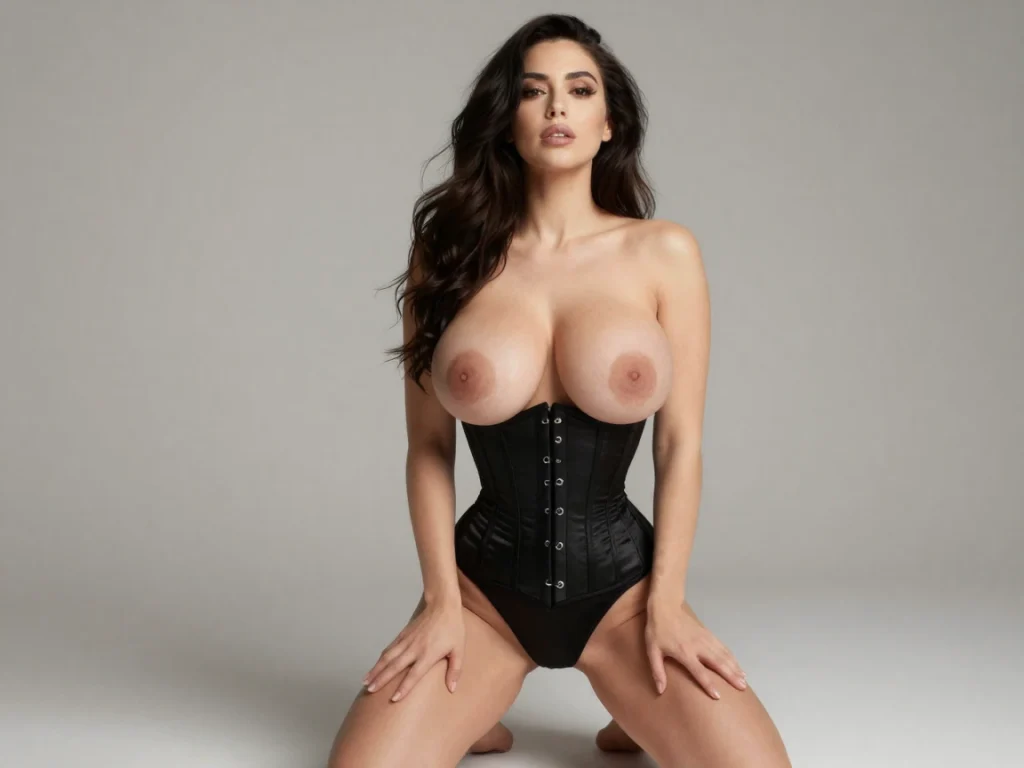
4:5 for vertical portraits and social posts
For “AI Image Aspect Ratios: 1:1 vs 4:5 vs 3:2 vs 16:9,” 4:5 for vertical portraits and social posts changes the space the model has to solve the scene. A vertical frame gives a standing subject room from head to feet; a wide frame gives the environment more visual weight. Decide the ratio before refining pose and background, because a later crop can remove the very details the prompt asked the model to compose.
For a production-style workflow, save the prompt and note what changed between iterations. That makes 4:5 for vertical portraits and social posts reproducible: if a later version is worse, you can return to the stronger composition instead of trying to remember which combination of words produced it.
Before publishing the “4:5 for vertical portraits and social posts” section of “AI Image Aspect Ratios: 1:1 vs 4:5 vs 3:2 vs 16:9,” replace its placeholder with a real AvaClik example that demonstrates this decision. The example should make the difference visible at a glance, use only adult content allowed by the service, and include enough of the frame for readers to judge composition rather than showing a cropped detail with no context.
3:2 for a photographic frame
In “AI Image Aspect Ratios: 1:1 vs 4:5 vs 3:2 vs 16:9,” the section “3:2 for a photographic frame” focuses on a decision that materially changes the generated frame. Treat it as one controllable variable: describe it clearly, keep the rest of the visual brief stable, and compare the result against the exact outcome the section is trying to improve.
Keep the first experiment conservative. A clear single subject, simple scene and readable pose make it easier to judge 3:2 for a photographic frame. Once the core image is stable, add atmosphere and secondary detail without changing every constraint at the same time.
Before publishing the “3:2 for a photographic frame” section of “AI Image Aspect Ratios: 1:1 vs 4:5 vs 3:2 vs 16:9,” replace its placeholder with a real AvaClik example that demonstrates this decision. The example should make the difference visible at a glance, use only adult content allowed by the service, and include enough of the frame for readers to judge composition rather than showing a cropped detail with no context.
16:9 for wide cinematic scenes
For “AI Image Aspect Ratios: 1:1 vs 4:5 vs 3:2 vs 16:9,” 16:9 for wide cinematic scenes changes the space the model has to solve the scene. A vertical frame gives a standing subject room from head to feet; a wide frame gives the environment more visual weight. Decide the ratio before refining pose and background, because a later crop can remove the very details the prompt asked the model to compose.
A practical test is to generate two versions where only this decision changes. Keep the subject, setting and camera language stable, then compare which version has more coherent geometry, clearer visual hierarchy and fewer artifacts. This isolates whether 16:9 for wide cinematic scenes actually helped instead of confusing the result with several simultaneous prompt changes.
Before publishing the “16:9 for wide cinematic scenes” section of “AI Image Aspect Ratios: 1:1 vs 4:5 vs 3:2 vs 16:9,” replace its placeholder with a real AvaClik example that demonstrates this decision. The example should make the difference visible at a glance, use only adult content allowed by the service, and include enough of the frame for readers to judge composition rather than showing a cropped detail with no context.
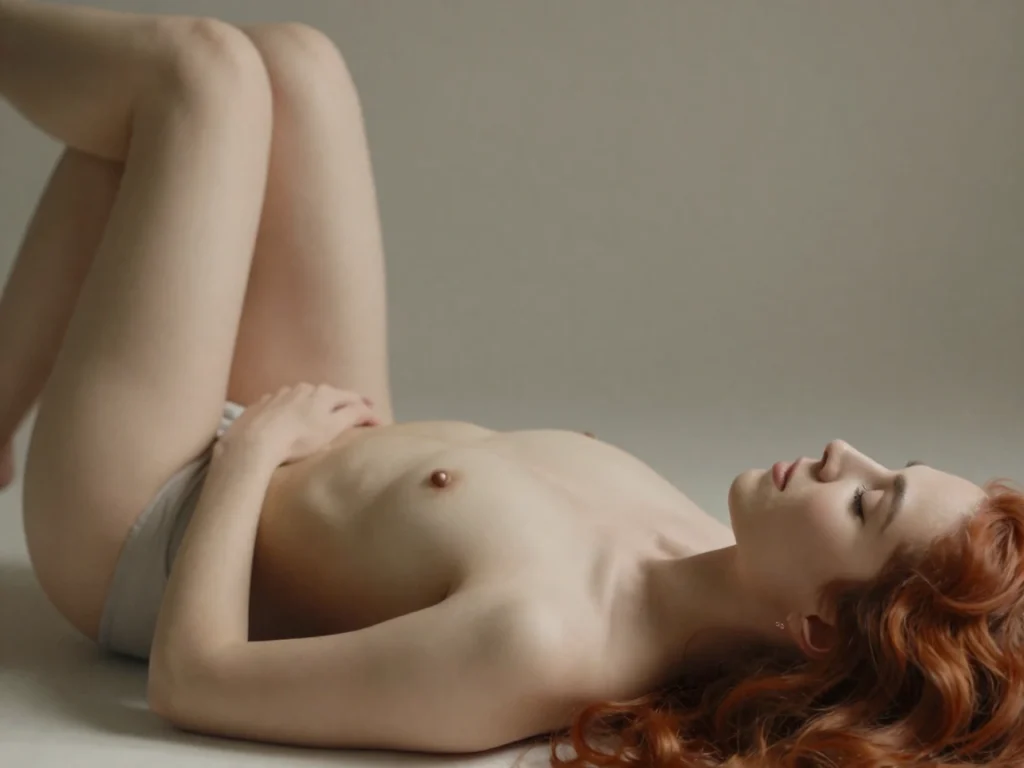
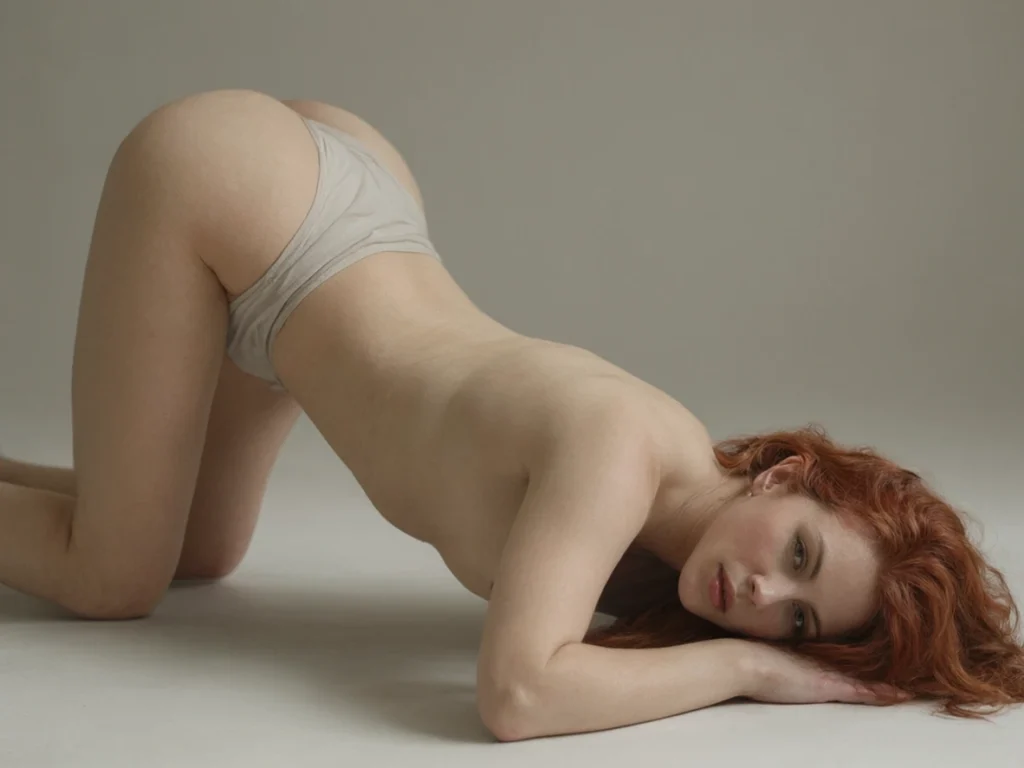
Portrait ratios give the body more vertical room
In “AI Image Aspect Ratios: 1:1 vs 4:5 vs 3:2 vs 16:9,” the section “Portrait ratios give the body more vertical room” focuses on a decision that materially changes the generated frame. Treat it as one controllable variable: describe it clearly, keep the rest of the visual brief stable, and compare the result against the exact outcome the section is trying to improve.
When reviewing this part of “AI Image Aspect Ratios: 1:1 vs 4:5 vs 3:2 vs 16:9,” ask what a photographer or art director would be able to point to in the finished frame. If the instruction cannot be checked visually, rewrite it into something observable: a light source, a camera angle, a physical material, a pose relationship or a defined background element.
Before publishing the “Portrait ratios give the body more vertical room” section of “AI Image Aspect Ratios: 1:1 vs 4:5 vs 3:2 vs 16:9,” replace its placeholder with a real AvaClik example that demonstrates this decision. The example should make the difference visible at a glance, use only adult content allowed by the service, and include enough of the frame for readers to judge composition rather than showing a cropped detail with no context.
Wide ratios need more environmental information
For “AI Image Aspect Ratios: 1:1 vs 4:5 vs 3:2 vs 16:9,” wide ratios need more environmental information should define camera distance before decorative style. A close portrait prioritizes face detail; a full-body frame forces the model to solve feet, floor contact and more clothing geometry; a wide frame asks it to construct a believable environment as well as the person.
For a production-style workflow, save the prompt and note what changed between iterations. That makes wide ratios need more environmental information reproducible: if a later version is worse, you can return to the stronger composition instead of trying to remember which combination of words produced it.
Before publishing the “Wide ratios need more environmental information” section of “AI Image Aspect Ratios: 1:1 vs 4:5 vs 3:2 vs 16:9,” replace its placeholder with a real AvaClik example that demonstrates this decision. The example should make the difference visible at a glance, use only adult content allowed by the service, and include enough of the frame for readers to judge composition rather than showing a cropped detail with no context.
How aspect ratio affects pose and placement
For “AI Image Aspect Ratios: 1:1 vs 4:5 vs 3:2 vs 16:9,” how aspect ratio affects pose and placement changes the space the model has to solve the scene. A vertical frame gives a standing subject room from head to feet; a wide frame gives the environment more visual weight. Decide the ratio before refining pose and background, because a later crop can remove the very details the prompt asked the model to compose.
Keep the first experiment conservative. A clear single subject, simple scene and readable pose make it easier to judge how aspect ratio affects pose and placement. Once the core image is stable, add atmosphere and secondary detail without changing every constraint at the same time.
Before publishing the “How aspect ratio affects pose and placement” section of “AI Image Aspect Ratios: 1:1 vs 4:5 vs 3:2 vs 16:9,” replace its placeholder with a real AvaClik example that demonstrates this decision. The example should make the difference visible at a glance, use only adult content allowed by the service, and include enough of the frame for readers to judge composition rather than showing a cropped detail with no context.
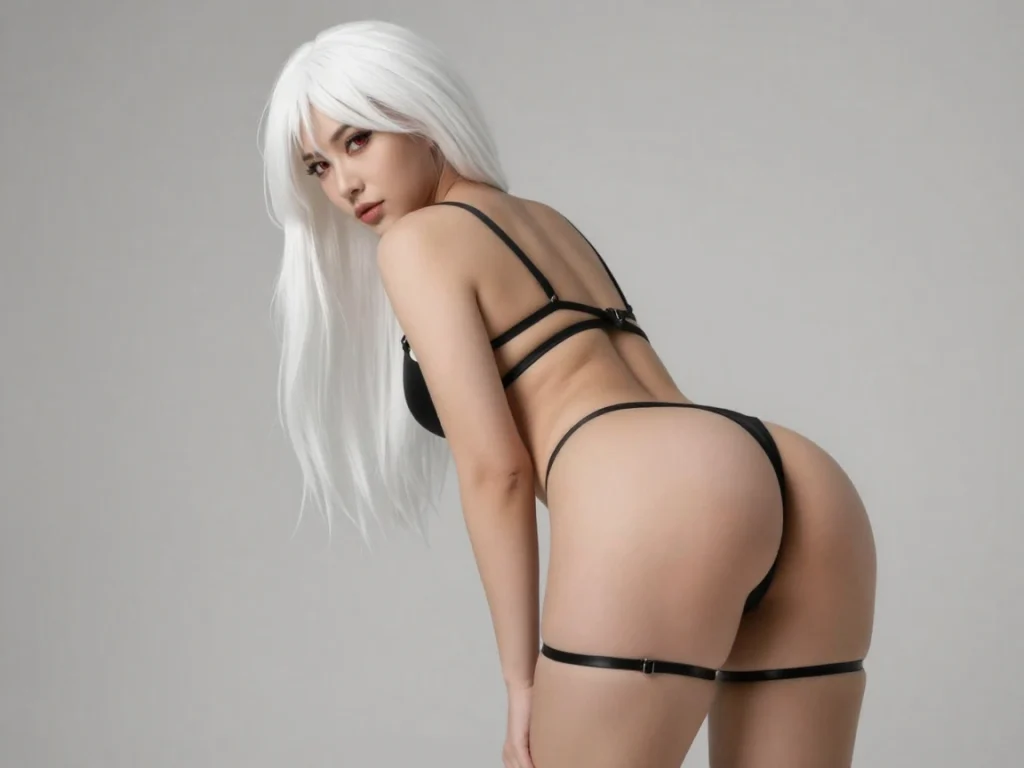
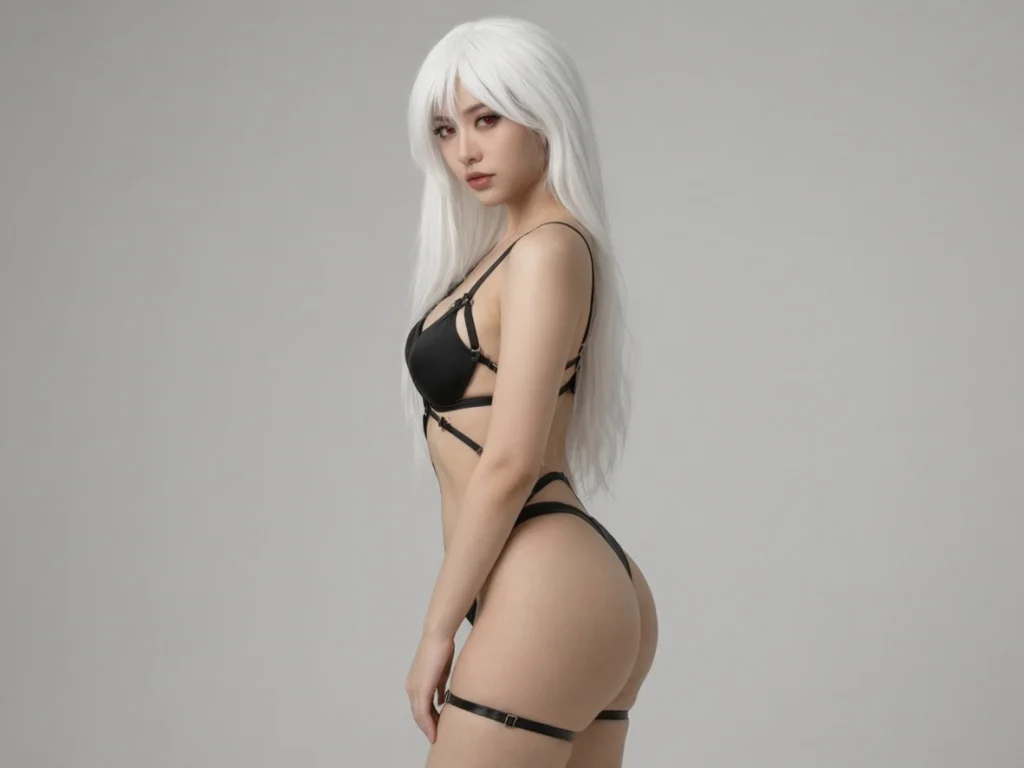
Avoid generating wide and cropping later when framing matters
For “AI Image Aspect Ratios: 1:1 vs 4:5 vs 3:2 vs 16:9,” avoid generating wide and cropping later when framing matters should define camera distance before decorative style. A close portrait prioritizes face detail; a full-body frame forces the model to solve feet, floor contact and more clothing geometry; a wide frame asks it to construct a believable environment as well as the person.
A practical test is to generate two versions where only this decision changes. Keep the subject, setting and camera language stable, then compare which version has more coherent geometry, clearer visual hierarchy and fewer artifacts. This isolates whether avoid generating wide and cropping later when framing matters actually helped instead of confusing the result with several simultaneous prompt changes.
Before publishing the “Avoid generating wide and cropping later when framing matters” section of “AI Image Aspect Ratios: 1:1 vs 4:5 vs 3:2 vs 16:9,” replace its placeholder with a real AvaClik example that demonstrates this decision. The example should make the difference visible at a glance, use only adult content allowed by the service, and include enough of the frame for readers to judge composition rather than showing a cropped detail with no context.
Match the ratio to the publishing destination
In “AI Image Aspect Ratios: 1:1 vs 4:5 vs 3:2 vs 16:9,” match the ratio to the publishing destination is part of the creative workflow, not an afterthought. Keep every depicted person unambiguously adult, use real-person likenesses only with appropriate permission, and do not present a synthetic intimate scene as evidence that a real person did something they did not do.
When reviewing this part of “AI Image Aspect Ratios: 1:1 vs 4:5 vs 3:2 vs 16:9,” ask what a photographer or art director would be able to point to in the finished frame. If the instruction cannot be checked visually, rewrite it into something observable: a light source, a camera angle, a physical material, a pose relationship or a defined background element.
Before publishing the “Match the ratio to the publishing destination” section of “AI Image Aspect Ratios: 1:1 vs 4:5 vs 3:2 vs 16:9,” replace its placeholder with a real AvaClik example that demonstrates this decision. The example should make the difference visible at a glance, use only adult content allowed by the service, and include enough of the frame for readers to judge composition rather than showing a cropped detail with no context.
How to rewrite prompts for vertical images
In the context of “AI Image Aspect Ratios: 1:1 vs 4:5 vs 3:2 vs 16:9,” how to rewrite prompts for vertical images should remove age ambiguity rather than rely on vague beauty language. Use clearly adult descriptors such as “adult woman in her 30s” or “adult man in his late 20s” when age framing matters, and avoid terms that could be read as underage.
For a production-style workflow, save the prompt and note what changed between iterations. That makes how to rewrite prompts for vertical images reproducible: if a later version is worse, you can return to the stronger composition instead of trying to remember which combination of words produced it.
Before publishing the “How to rewrite prompts for vertical images” section of “AI Image Aspect Ratios: 1:1 vs 4:5 vs 3:2 vs 16:9,” replace its placeholder with a real AvaClik example that demonstrates this decision. The example should make the difference visible at a glance, use only adult content allowed by the service, and include enough of the frame for readers to judge composition rather than showing a cropped detail with no context.
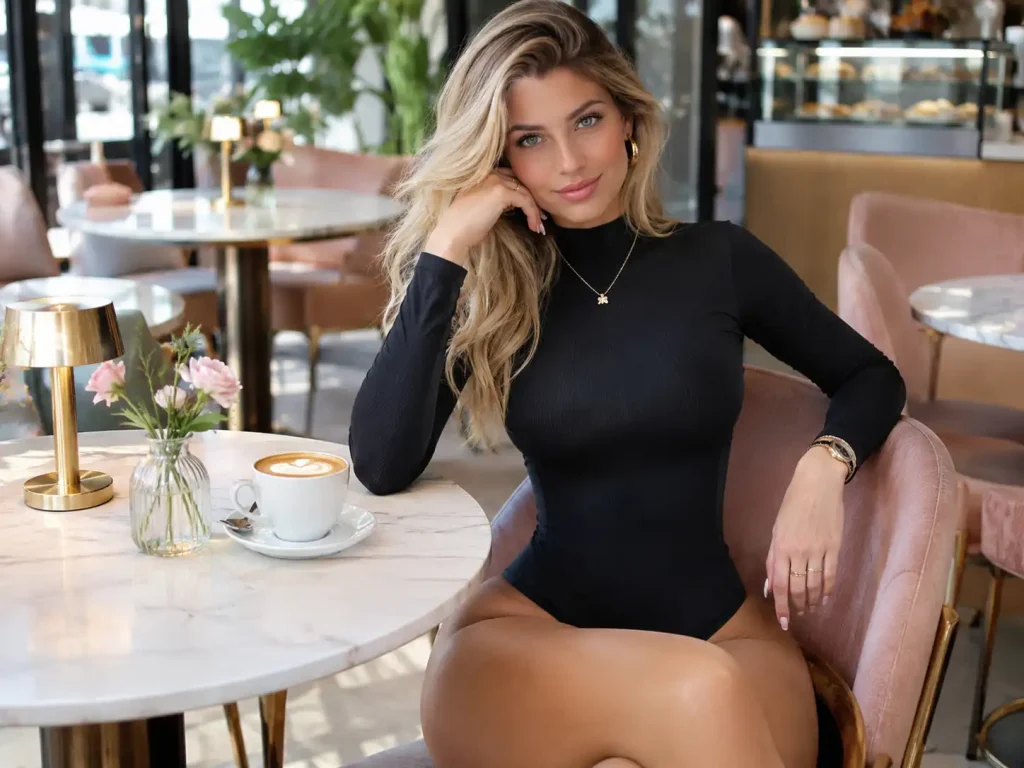
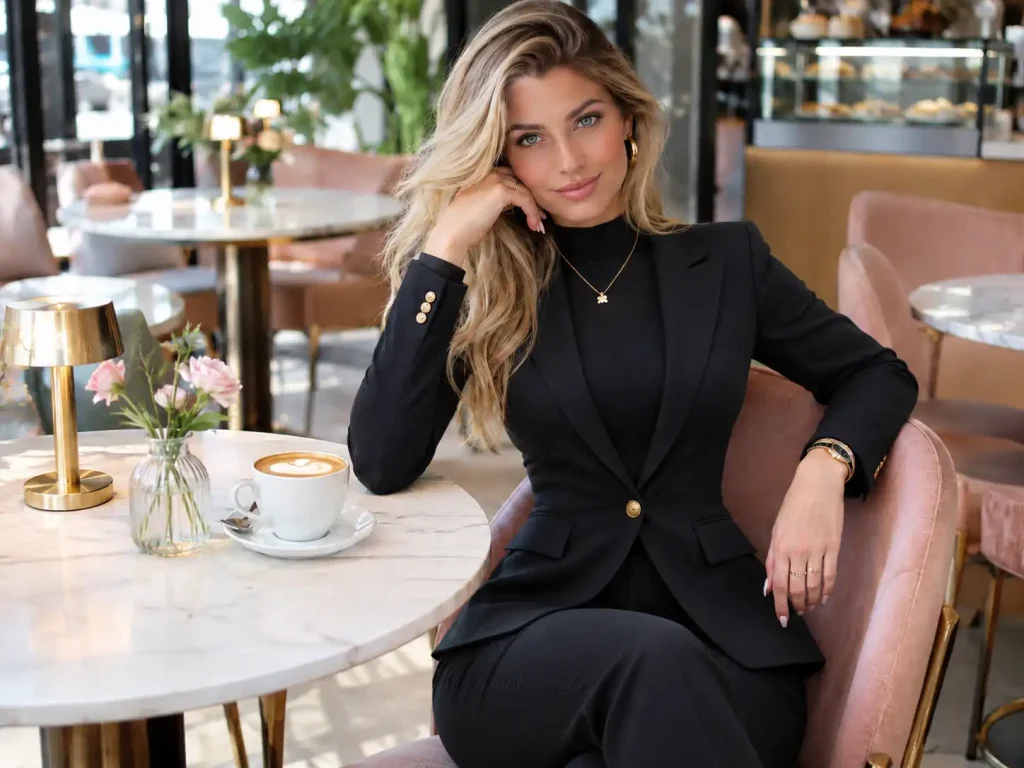
How to rewrite prompts for wide images
In the context of “AI Image Aspect Ratios: 1:1 vs 4:5 vs 3:2 vs 16:9,” how to rewrite prompts for wide images should remove age ambiguity rather than rely on vague beauty language. Use clearly adult descriptors such as “adult woman in her 30s” or “adult man in his late 20s” when age framing matters, and avoid terms that could be read as underage.
Keep the first experiment conservative. A clear single subject, simple scene and readable pose make it easier to judge how to rewrite prompts for wide images. Once the core image is stable, add atmosphere and secondary detail without changing every constraint at the same time.
Before publishing the “How to rewrite prompts for wide images” section of “AI Image Aspect Ratios: 1:1 vs 4:5 vs 3:2 vs 16:9,” replace its placeholder with a real AvaClik example that demonstrates this decision. The example should make the difference visible at a glance, use only adult content allowed by the service, and include enough of the frame for readers to judge composition rather than showing a cropped detail with no context.
Face size and detail at different ratios
In “AI Image Aspect Ratios: 1:1 vs 4:5 vs 3:2 vs 16:9,” face size and detail at different ratios deserves a separate review because viewers notice facial inconsistencies immediately. Check eye direction, eyelid shape, mouth geometry, hairline continuity and skin texture together. A technically sharp image can still feel synthetic if those features do not agree with the same pose and light.
A practical test is to generate two versions where only this decision changes. Keep the subject, setting and camera language stable, then compare which version has more coherent geometry, clearer visual hierarchy and fewer artifacts. This isolates whether face size and detail at different ratios actually helped instead of confusing the result with several simultaneous prompt changes.
Before publishing the “Face size and detail at different ratios” section of “AI Image Aspect Ratios: 1:1 vs 4:5 vs 3:2 vs 16:9,” replace its placeholder with a real AvaClik example that demonstrates this decision. The example should make the difference visible at a glance, use only adult content allowed by the service, and include enough of the frame for readers to judge composition rather than showing a cropped detail with no context.
Test composition before paying for maximum quality
Within “AI Image Aspect Ratios: 1:1 vs 4:5 vs 3:2 vs 16:9,” test composition before paying for maximum quality is best treated as a workflow decision rather than a universal quality ranking. The current AvaClik generator interface shows a Fast option and a Super 2K option; verify token pricing in the live UI before publication because product costs can change. Use lower-cost iterations while subject, framing or lighting are still moving, then use higher quality when the composition is worth inspecting closely.
When reviewing this part of “AI Image Aspect Ratios: 1:1 vs 4:5 vs 3:2 vs 16:9,” ask what a photographer or art director would be able to point to in the finished frame. If the instruction cannot be checked visually, rewrite it into something observable: a light source, a camera angle, a physical material, a pose relationship or a defined background element.
Before publishing the “Test composition before paying for maximum quality” section of “AI Image Aspect Ratios: 1:1 vs 4:5 vs 3:2 vs 16:9,” replace its placeholder with a real AvaClik example that demonstrates this decision. The example should make the difference visible at a glance, use only adult content allowed by the service, and include enough of the frame for readers to judge composition rather than showing a cropped detail with no context.
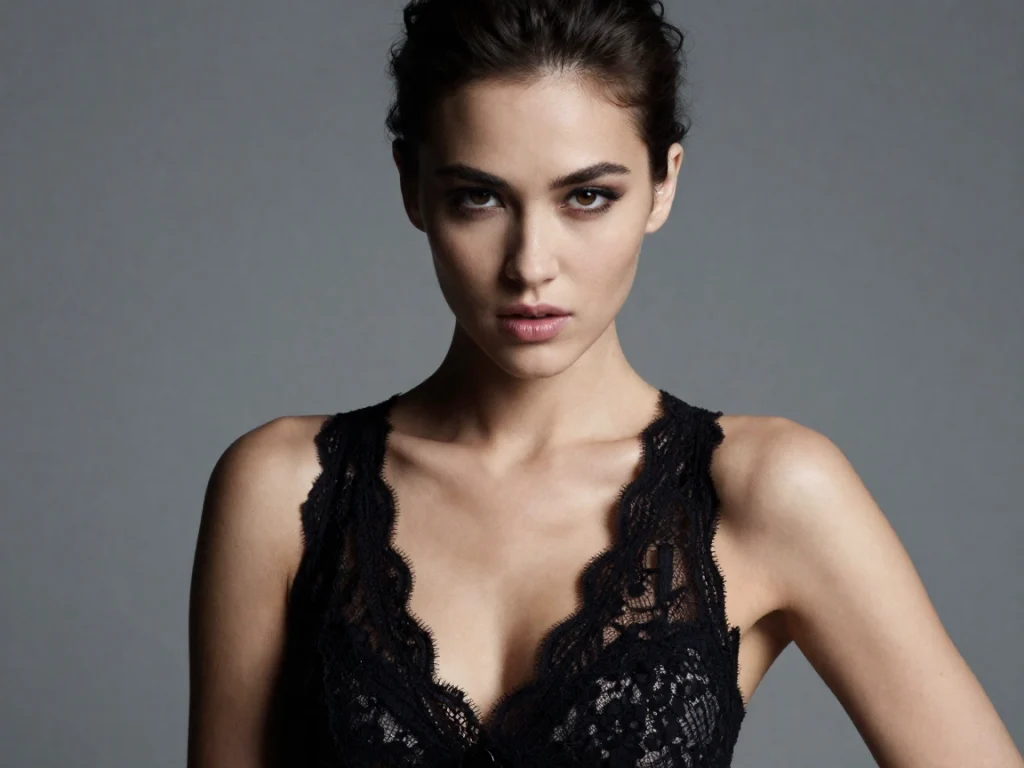
Aspect ratio checklist
For “AI Image Aspect Ratios: 1:1 vs 4:5 vs 3:2 vs 16:9,” aspect ratio checklist changes the space the model has to solve the scene. A vertical frame gives a standing subject room from head to feet; a wide frame gives the environment more visual weight. Decide the ratio before refining pose and background, because a later crop can remove the very details the prompt asked the model to compose.
For a production-style workflow, save the prompt and note what changed between iterations. That makes aspect ratio checklist reproducible: if a later version is worse, you can return to the stronger composition instead of trying to remember which combination of words produced it.
Before publishing the “Aspect ratio checklist” section of “AI Image Aspect Ratios: 1:1 vs 4:5 vs 3:2 vs 16:9,” replace its placeholder with a real AvaClik example that demonstrates this decision. The example should make the difference visible at a glance, use only adult content allowed by the service, and include enough of the frame for readers to judge composition rather than showing a cropped detail with no context.
Related AvaClik guides
In “AI Image Aspect Ratios: 1:1 vs 4:5 vs 3:2 vs 16:9,” the section “Related AvaClik guides” focuses on a decision that materially changes the generated frame. Treat it as one controllable variable: describe it clearly, keep the rest of the visual brief stable, and compare the result against the exact outcome the section is trying to improve.
Keep the first experiment conservative. A clear single subject, simple scene and readable pose make it easier to judge related avaclik guides. Once the core image is stable, add atmosphere and secondary detail without changing every constraint at the same time.
Before publishing the “Related AvaClik guides” section of “AI Image Aspect Ratios: 1:1 vs 4:5 vs 3:2 vs 16:9,” replace its placeholder with a real AvaClik example that demonstrates this decision. The example should make the difference visible at a glance, use only adult content allowed by the service, and include enough of the frame for readers to judge composition rather than showing a cropped detail with no context.
Frequently asked questions
In “AI Image Aspect Ratios: 1:1 vs 4:5 vs 3:2 vs 16:9,” the section “Frequently asked questions” focuses on a decision that materially changes the generated frame. Treat it as one controllable variable: describe it clearly, keep the rest of the visual brief stable, and compare the result against the exact outcome the section is trying to improve.
A practical test is to generate two versions where only this decision changes. Keep the subject, setting and camera language stable, then compare which version has more coherent geometry, clearer visual hierarchy and fewer artifacts. This isolates whether frequently asked questions actually helped instead of confusing the result with several simultaneous prompt changes.
Before publishing the “Frequently asked questions” section of “AI Image Aspect Ratios: 1:1 vs 4:5 vs 3:2 vs 16:9,” replace its placeholder with a real AvaClik example that demonstrates this decision. The example should make the difference visible at a glance, use only adult content allowed by the service, and include enough of the frame for readers to judge composition rather than showing a cropped detail with no context.
Final takeaway
In “AI Image Aspect Ratios: 1:1 vs 4:5 vs 3:2 vs 16:9,” the section “Final takeaway” focuses on a decision that materially changes the generated frame. Treat it as one controllable variable: describe it clearly, keep the rest of the visual brief stable, and compare the result against the exact outcome the section is trying to improve.
When reviewing this part of “AI Image Aspect Ratios: 1:1 vs 4:5 vs 3:2 vs 16:9,” ask what a photographer or art director would be able to point to in the finished frame. If the instruction cannot be checked visually, rewrite it into something observable: a light source, a camera angle, a physical material, a pose relationship or a defined background element.
Before publishing the “Final takeaway” section of “AI Image Aspect Ratios: 1:1 vs 4:5 vs 3:2 vs 16:9,” replace its placeholder with a real AvaClik example that demonstrates this decision. The example should make the difference visible at a glance, use only adult content allowed by the service, and include enough of the frame for readers to judge composition rather than showing a cropped detail with no context.
More AvaClik image-generation guides
- 30 Cinematic NSFW AI Image Prompts: Lighting, Camera & Mood
- NSFW AI Image Generator vs AI Photo Editor: Which Should You Use?
- How to Generate NSFW AI Images From Text: Complete Guide
Try this in AvaClik
Try the workflow in AvaClik
Describe an image of an adult, choose quality and framing, check the result and refine the prompt.
Try AvaClik NSFW AI Image Generator ↗