AI Adult Portrait Prompt Guide: Face, Hair, Skin & Expression
Learn how to write stronger adult portrait prompts by separating identity cues, hair, skin texture, expression, camera distance, light and background.
On this page
Open the AvaClik tool connected to this guide and try it on your photo.
Learn how to write stronger adult portrait prompts by separating identity cues, hair, skin texture, expression, camera distance, light and background.
Quick answer
For AI adult portrait prompts, start with a short visual brief that makes the main subject, physical setting, framing and lighting explicit. Generate a simple version first, judge the large structural decisions, and only then spend extra detail or higher-quality generations on a composition that already works.
The important distinction in “AI Adult Portrait Prompt Guide: Face, Hair, Skin & Expression” is that a text-to-image model invents the entire frame. It is not recovering a hidden real photograph. Faces, hands, clothing folds, background signs and small objects are synthetic choices, so the final image should be reviewed as generated media rather than assumed to be accurate evidence of anything real.
Define the adult subject clearly
In the context of “AI Adult Portrait Prompt Guide: Face, Hair, Skin & Expression,” define the adult subject clearly should remove age ambiguity rather than rely on vague beauty language. Use clearly adult descriptors such as “adult woman in her 30s” or “adult man in his late 20s” when age framing matters, and avoid terms that could be read as underage.
For a production-style workflow, save the prompt and note what changed between iterations. That makes define the adult subject clearly reproducible: if a later version is worse, you can return to the stronger composition instead of trying to remember which combination of words produced it.
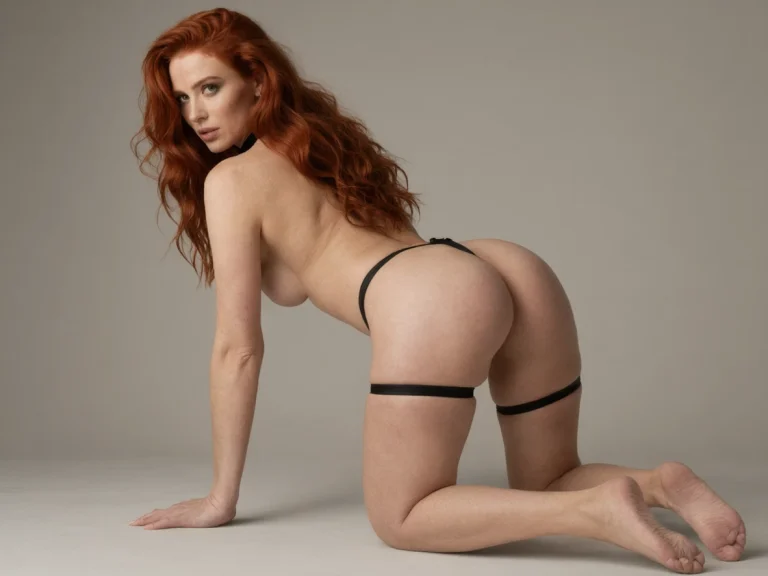
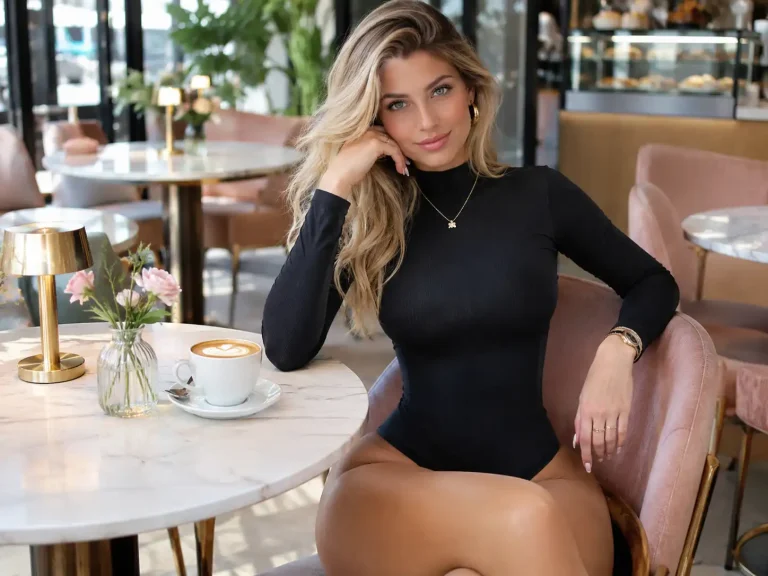
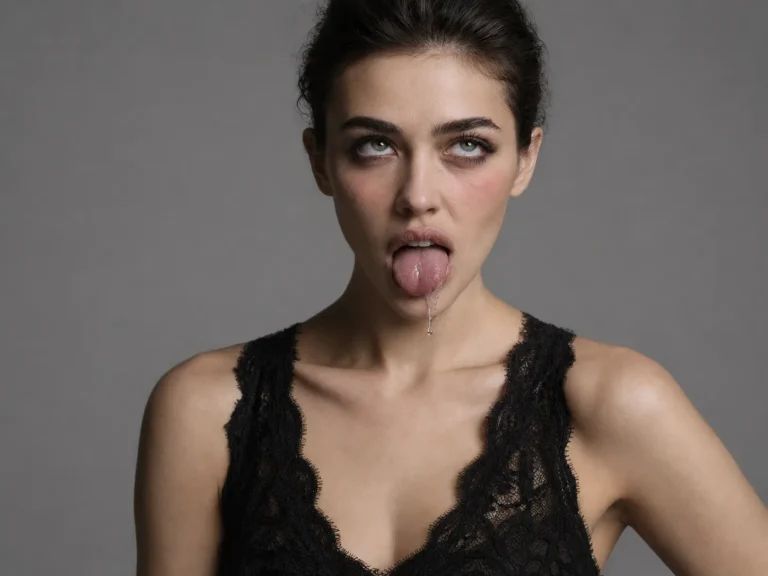
Before publishing the “Define the adult subject clearly” section of “AI Adult Portrait Prompt Guide: Face, Hair, Skin & Expression,” replace its placeholder with a real AvaClik example that demonstrates this decision. The example should make the difference visible at a glance, use only adult content allowed by the service, and include enough of the frame for readers to judge composition rather than showing a cropped detail with no context.
Describe face shape without overloading the prompt
In “AI Adult Portrait Prompt Guide: Face, Hair, Skin & Expression,” describe face shape without overloading the prompt deserves a separate review because viewers notice facial inconsistencies immediately. Check eye direction, eyelid shape, mouth geometry, hairline continuity and skin texture together. A technically sharp image can still feel synthetic if those features do not agree with the same pose and light.
Keep the first experiment conservative. A clear single subject, simple scene and readable pose make it easier to judge describe face shape without overloading the prompt. Once the core image is stable, add atmosphere and secondary detail without changing every constraint at the same time.
Before publishing the “Describe face shape without overloading the prompt” section of “AI Adult Portrait Prompt Guide: Face, Hair, Skin & Expression,” replace its placeholder with a real AvaClik example that demonstrates this decision. The example should make the difference visible at a glance, use only adult content allowed by the service, and include enough of the frame for readers to judge composition rather than showing a cropped detail with no context.
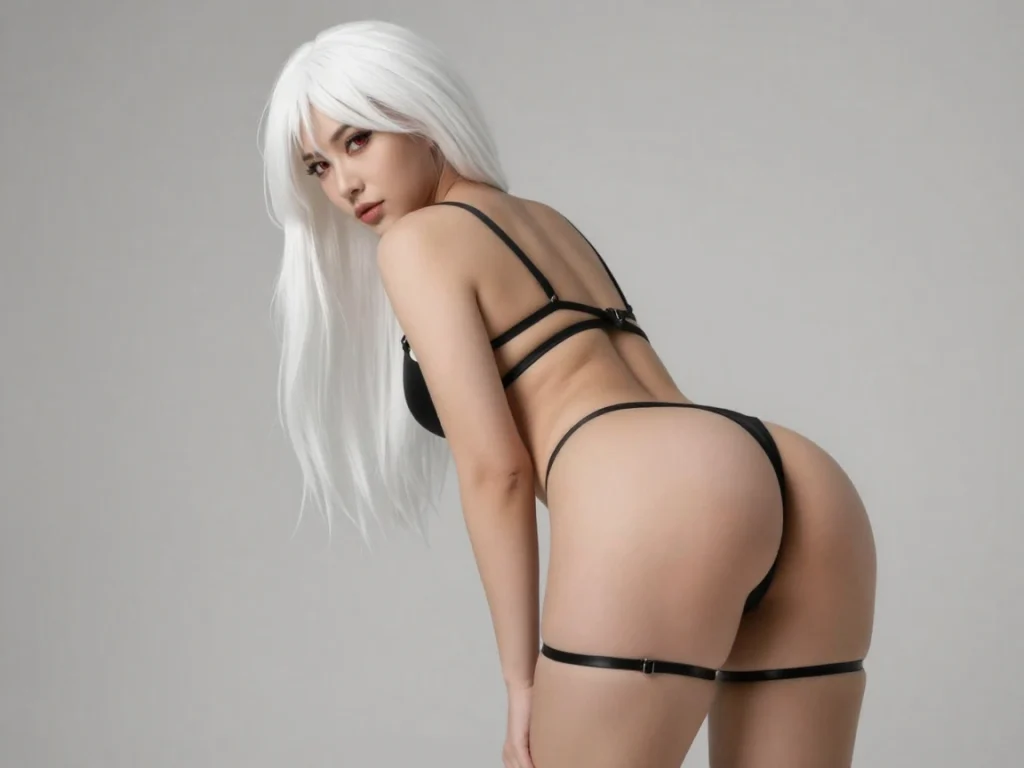
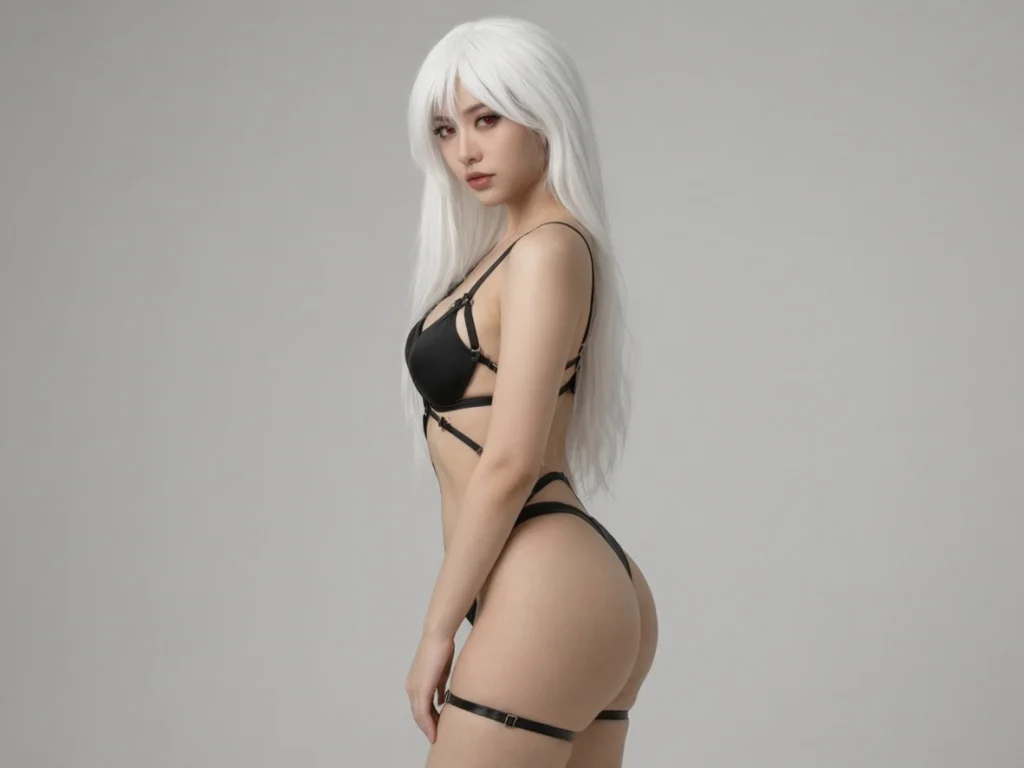
Hair needs shape, texture and movement
In “AI Adult Portrait Prompt Guide: Face, Hair, Skin & Expression,” hair needs shape, texture and movement deserves a separate review because viewers notice facial inconsistencies immediately. Check eye direction, eyelid shape, mouth geometry, hairline continuity and skin texture together. A technically sharp image can still feel synthetic if those features do not agree with the same pose and light.
A practical test is to generate two versions where only this decision changes. Keep the subject, setting and camera language stable, then compare which version has more coherent geometry, clearer visual hierarchy and fewer artifacts. This isolates whether hair needs shape, texture and movement actually helped instead of confusing the result with several simultaneous prompt changes.
Before publishing the “Hair needs shape, texture and movement” section of “AI Adult Portrait Prompt Guide: Face, Hair, Skin & Expression,” replace its placeholder with a real AvaClik example that demonstrates this decision. The example should make the difference visible at a glance, use only adult content allowed by the service, and include enough of the frame for readers to judge composition rather than showing a cropped detail with no context.
Natural skin needs texture and tonal variation
In “AI Adult Portrait Prompt Guide: Face, Hair, Skin & Expression,” natural skin needs texture and tonal variation deserves a separate review because viewers notice facial inconsistencies immediately. Check eye direction, eyelid shape, mouth geometry, hairline continuity and skin texture together. A technically sharp image can still feel synthetic if those features do not agree with the same pose and light.
When reviewing this part of “AI Adult Portrait Prompt Guide: Face, Hair, Skin & Expression,” ask what a photographer or art director would be able to point to in the finished frame. If the instruction cannot be checked visually, rewrite it into something observable: a light source, a camera angle, a physical material, a pose relationship or a defined background element.
Before publishing the “Natural skin needs texture and tonal variation” section of “AI Adult Portrait Prompt Guide: Face, Hair, Skin & Expression,” replace its placeholder with a real AvaClik example that demonstrates this decision. The example should make the difference visible at a glance, use only adult content allowed by the service, and include enough of the frame for readers to judge composition rather than showing a cropped detail with no context.
Expression changes the whole portrait
In “AI Adult Portrait Prompt Guide: Face, Hair, Skin & Expression,” the section “Expression changes the whole portrait” focuses on a decision that materially changes the generated frame. Treat it as one controllable variable: describe it clearly, keep the rest of the visual brief stable, and compare the result against the exact outcome the section is trying to improve.
For a production-style workflow, save the prompt and note what changed between iterations. That makes expression changes the whole portrait reproducible: if a later version is worse, you can return to the stronger composition instead of trying to remember which combination of words produced it.
Before publishing the “Expression changes the whole portrait” section of “AI Adult Portrait Prompt Guide: Face, Hair, Skin & Expression,” replace its placeholder with a real AvaClik example that demonstrates this decision. The example should make the difference visible at a glance, use only adult content allowed by the service, and include enough of the frame for readers to judge composition rather than showing a cropped detail with no context.
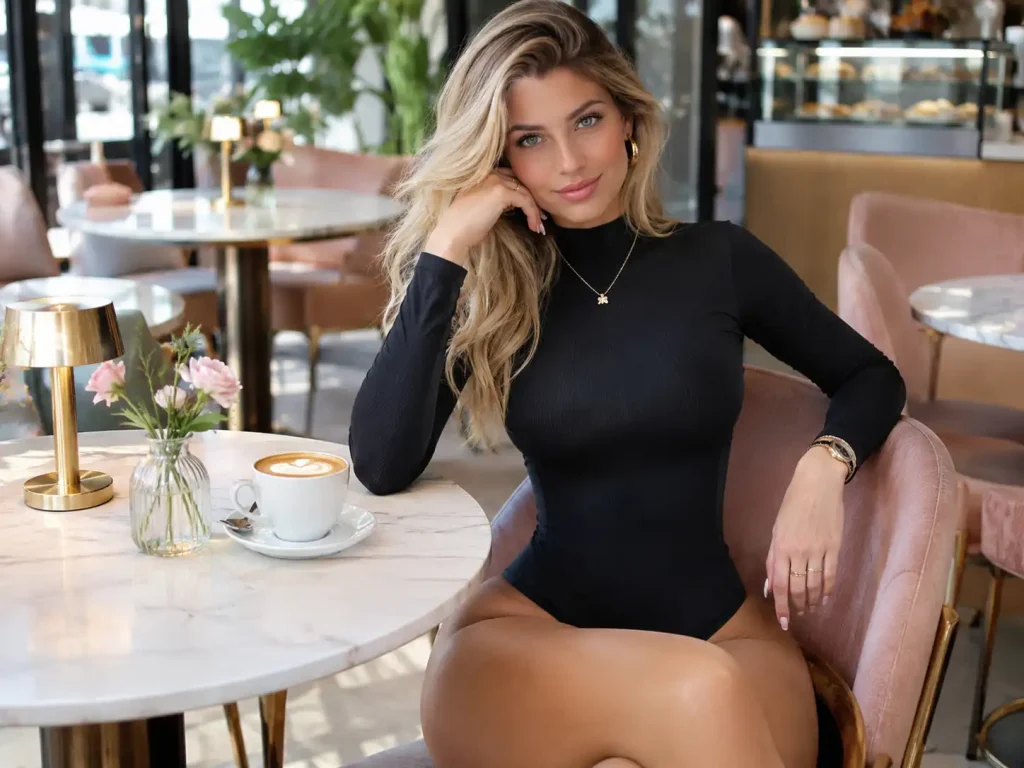
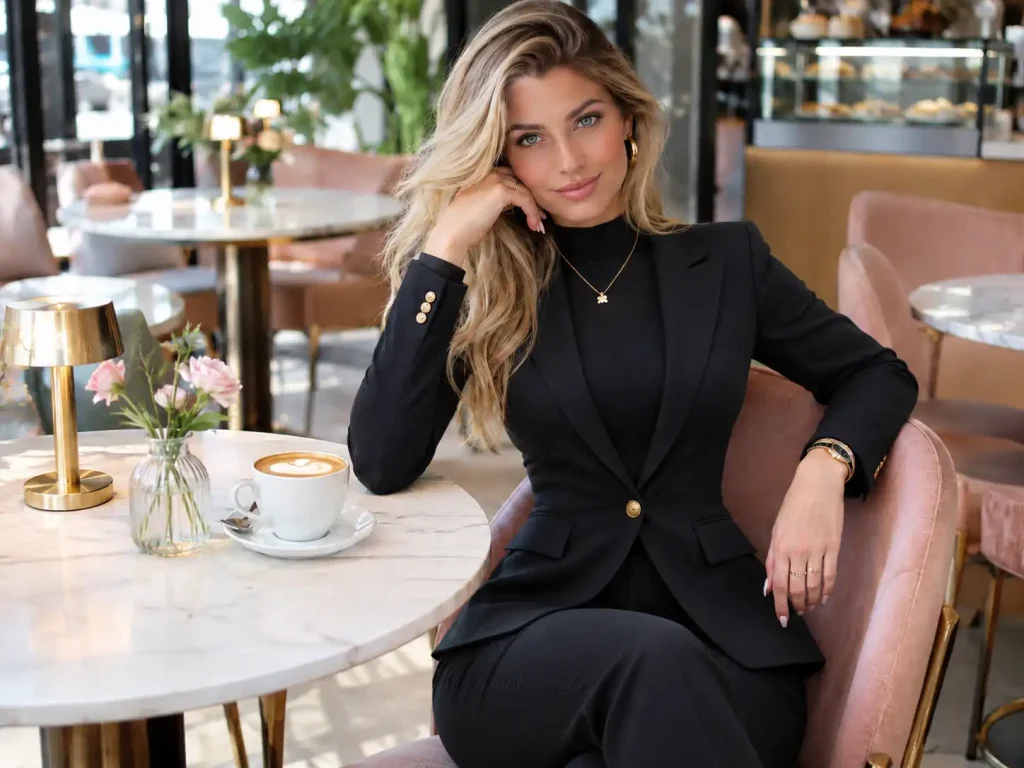
Eyes need direction, not just color
In “AI Adult Portrait Prompt Guide: Face, Hair, Skin & Expression,” eyes need direction, not just color deserves a separate review because viewers notice facial inconsistencies immediately. Check eye direction, eyelid shape, mouth geometry, hairline continuity and skin texture together. A technically sharp image can still feel synthetic if those features do not agree with the same pose and light.
Keep the first experiment conservative. A clear single subject, simple scene and readable pose make it easier to judge eyes need direction, not just color. Once the core image is stable, add atmosphere and secondary detail without changing every constraint at the same time.
Before publishing the “Eyes need direction, not just color” section of “AI Adult Portrait Prompt Guide: Face, Hair, Skin & Expression,” replace its placeholder with a real AvaClik example that demonstrates this decision. The example should make the difference visible at a glance, use only adult content allowed by the service, and include enough of the frame for readers to judge composition rather than showing a cropped detail with no context.
Choose close-up, headshot or half-body framing
For “AI Adult Portrait Prompt Guide: Face, Hair, Skin & Expression,” choose close-up, headshot or half-body framing should define camera distance before decorative style. A close portrait prioritizes face detail; a full-body frame forces the model to solve feet, floor contact and more clothing geometry; a wide frame asks it to construct a believable environment as well as the person.
A practical test is to generate two versions where only this decision changes. Keep the subject, setting and camera language stable, then compare which version has more coherent geometry, clearer visual hierarchy and fewer artifacts. This isolates whether choose close-up, headshot or half-body framing actually helped instead of confusing the result with several simultaneous prompt changes.
Before publishing the “Choose close-up, headshot or half-body framing” section of “AI Adult Portrait Prompt Guide: Face, Hair, Skin & Expression,” replace its placeholder with a real AvaClik example that demonstrates this decision. The example should make the difference visible at a glance, use only adult content allowed by the service, and include enough of the frame for readers to judge composition rather than showing a cropped detail with no context.
Use an 85mm-style cue for classic portrait compression
For “AI Adult Portrait Prompt Guide: Face, Hair, Skin & Expression,” use an 85mm-style cue for classic portrait compression improves when abstract praise is replaced by visible decisions. Instead of stacking “beautiful, amazing, ultra-detailed,” specify what should appear, where the camera is, what the light does and which visual treatment should dominate.
When reviewing this part of “AI Adult Portrait Prompt Guide: Face, Hair, Skin & Expression,” ask what a photographer or art director would be able to point to in the finished frame. If the instruction cannot be checked visually, rewrite it into something observable: a light source, a camera angle, a physical material, a pose relationship or a defined background element.
Before publishing the “Use an 85mm-style cue for classic portrait compression” section of “AI Adult Portrait Prompt Guide: Face, Hair, Skin & Expression,” replace its placeholder with a real AvaClik example that demonstrates this decision. The example should make the difference visible at a glance, use only adult content allowed by the service, and include enough of the frame for readers to judge composition rather than showing a cropped detail with no context.
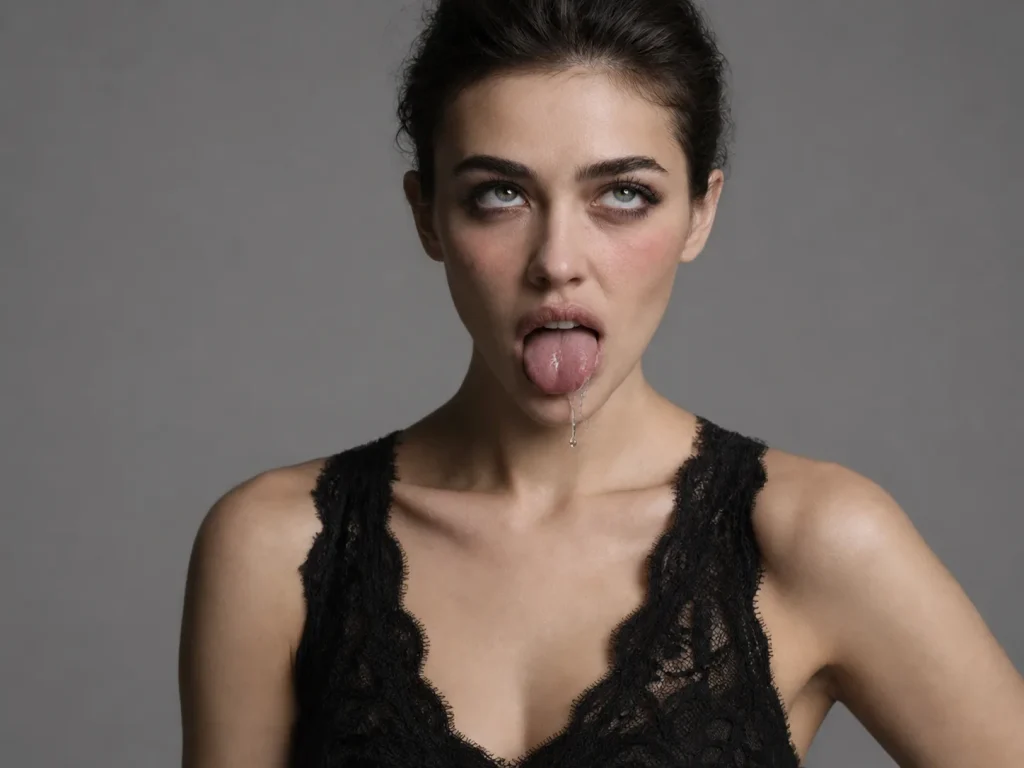
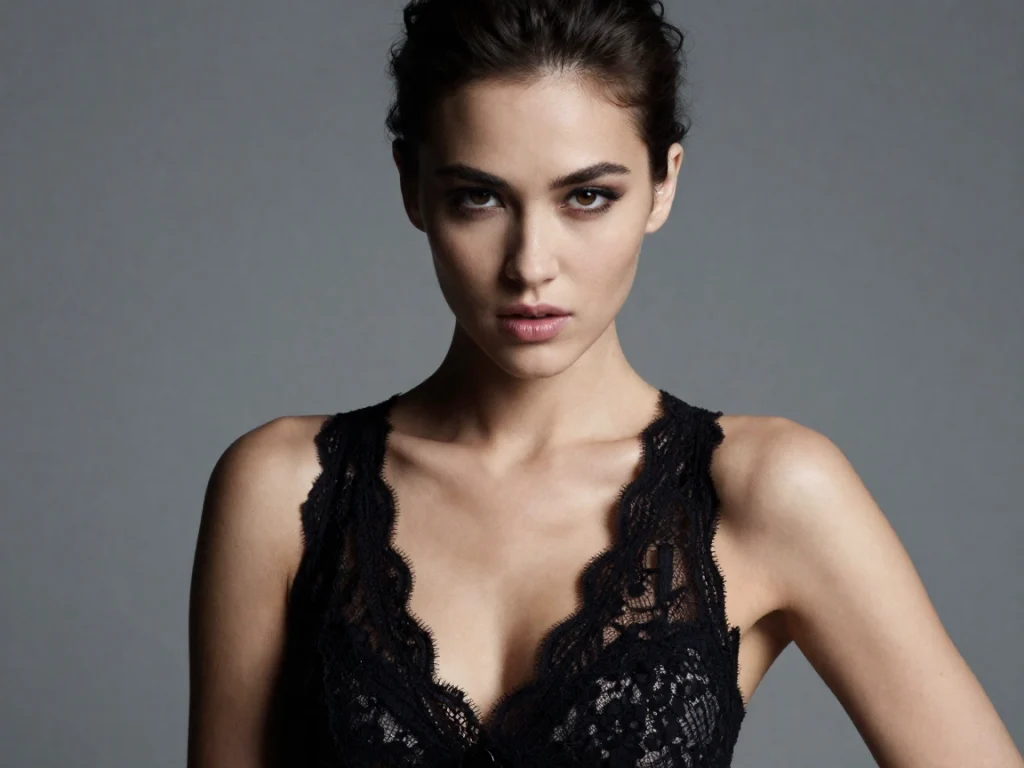
Window light vs studio light
In “AI Adult Portrait Prompt Guide: Face, Hair, Skin & Expression,” window light vs studio light works best when light is described as a physical source: direction, softness, temperature and effect on the subject. “Soft window light from the left with gentle falloff” is actionable; “amazing cinematic lighting” leaves too much for the model to guess.
For a production-style workflow, save the prompt and note what changed between iterations. That makes window light vs studio light reproducible: if a later version is worse, you can return to the stronger composition instead of trying to remember which combination of words produced it.
Before publishing the “Window light vs studio light” section of “AI Adult Portrait Prompt Guide: Face, Hair, Skin & Expression,” replace its placeholder with a real AvaClik example that demonstrates this decision. The example should make the difference visible at a glance, use only adult content allowed by the service, and include enough of the frame for readers to judge composition rather than showing a cropped detail with no context.
Separate subject description from environment
In “AI Adult Portrait Prompt Guide: Face, Hair, Skin & Expression,” separate subject description from environment should be written as a real place with scale cues, surfaces and light. Name a few defining elements rather than filling the frame with props. A coherent room, terrace or studio usually looks more believable than a prompt that lists ten unrelated decorative objects.
Keep the first experiment conservative. A clear single subject, simple scene and readable pose make it easier to judge separate subject description from environment. Once the core image is stable, add atmosphere and secondary detail without changing every constraint at the same time.
Before publishing the “Separate subject description from environment” section of “AI Adult Portrait Prompt Guide: Face, Hair, Skin & Expression,” replace its placeholder with a real AvaClik example that demonstrates this decision. The example should make the difference visible at a glance, use only adult content allowed by the service, and include enough of the frame for readers to judge composition rather than showing a cropped detail with no context.
Avoid too many beauty adjectives
For “AI Adult Portrait Prompt Guide: Face, Hair, Skin & Expression,” avoid too many beauty adjectives improves when abstract praise is replaced by visible decisions. Instead of stacking “beautiful, amazing, ultra-detailed,” specify what should appear, where the camera is, what the light does and which visual treatment should dominate.
A practical test is to generate two versions where only this decision changes. Keep the subject, setting and camera language stable, then compare which version has more coherent geometry, clearer visual hierarchy and fewer artifacts. This isolates whether avoid too many beauty adjectives actually helped instead of confusing the result with several simultaneous prompt changes.
Before publishing the “Avoid too many beauty adjectives” section of “AI Adult Portrait Prompt Guide: Face, Hair, Skin & Expression,” replace its placeholder with a real AvaClik example that demonstrates this decision. The example should make the difference visible at a glance, use only adult content allowed by the service, and include enough of the frame for readers to judge composition rather than showing a cropped detail with no context.
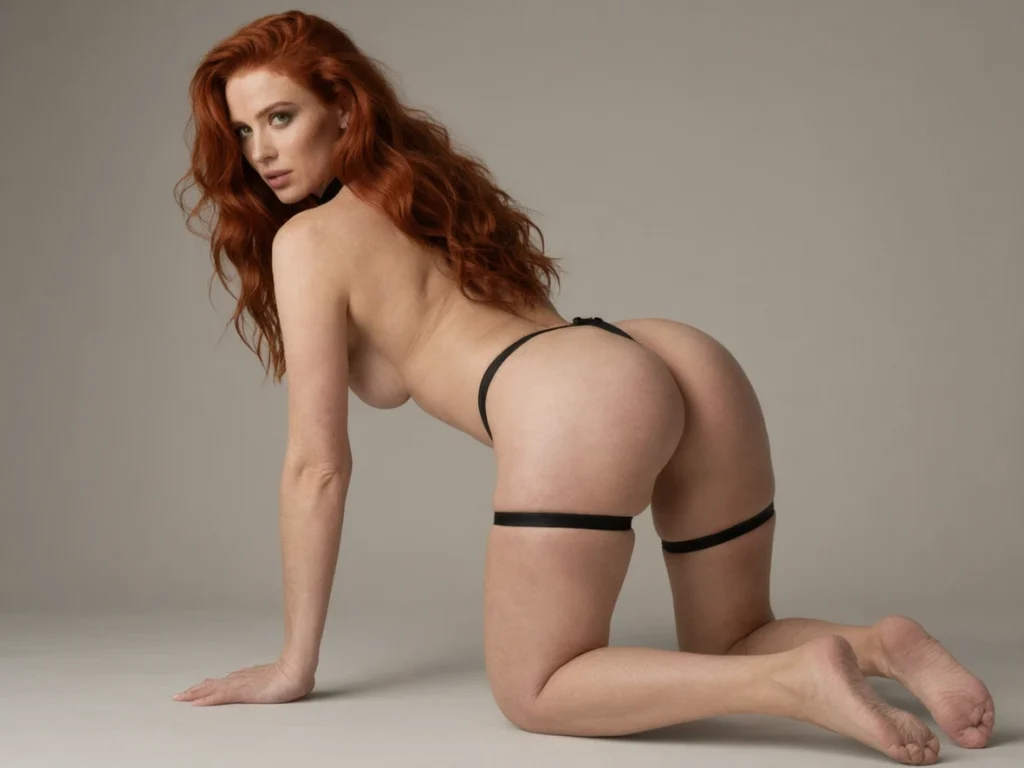
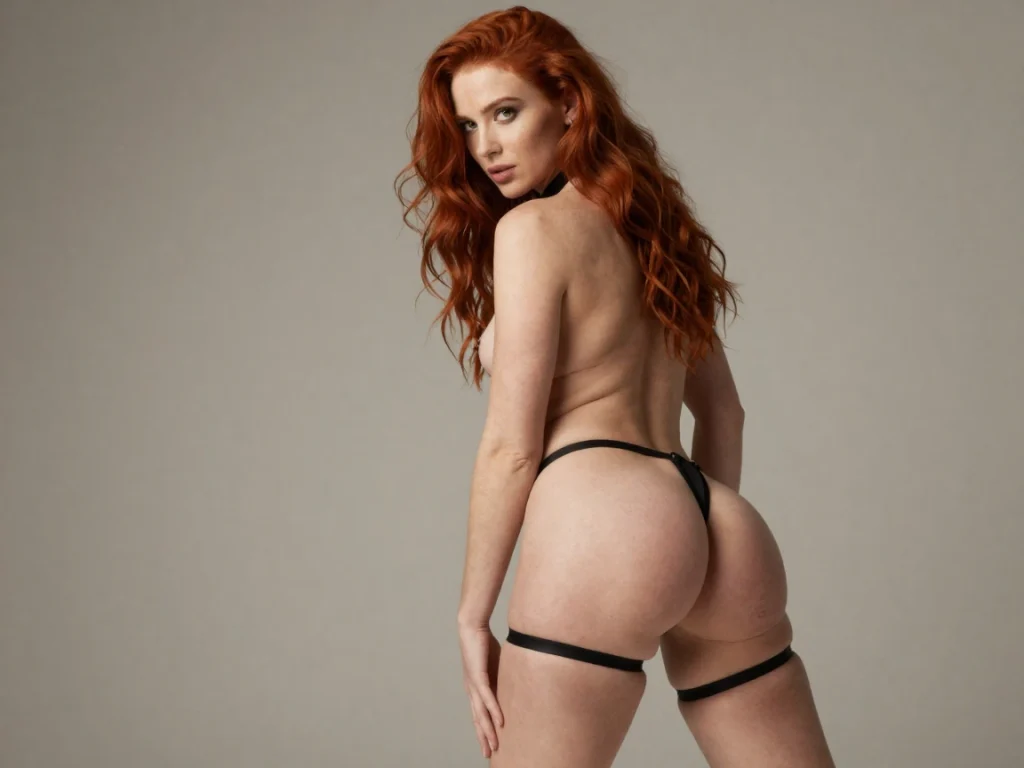
Keep accessories simple at first
In “AI Adult Portrait Prompt Guide: Face, Hair, Skin & Expression,” the section “Keep accessories simple at first” focuses on a decision that materially changes the generated frame. Treat it as one controllable variable: describe it clearly, keep the rest of the visual brief stable, and compare the result against the exact outcome the section is trying to improve.
When reviewing this part of “AI Adult Portrait Prompt Guide: Face, Hair, Skin & Expression,” ask what a photographer or art director would be able to point to in the finished frame. If the instruction cannot be checked visually, rewrite it into something observable: a light source, a camera angle, a physical material, a pose relationship or a defined background element.
Before publishing the “Keep accessories simple at first” section of “AI Adult Portrait Prompt Guide: Face, Hair, Skin & Expression,” replace its placeholder with a real AvaClik example that demonstrates this decision. The example should make the difference visible at a glance, use only adult content allowed by the service, and include enough of the frame for readers to judge composition rather than showing a cropped detail with no context.
Review asymmetry and facial coherence
In “AI Adult Portrait Prompt Guide: Face, Hair, Skin & Expression,” review asymmetry and facial coherence should happen at two scales. First view the full frame to judge composition and body geometry; then zoom into the face, hands, hair edges, clothing joins and background text. A result that only survives close-up inspection but feels awkward at normal size is not finished.
For a production-style workflow, save the prompt and note what changed between iterations. That makes review asymmetry and facial coherence reproducible: if a later version is worse, you can return to the stronger composition instead of trying to remember which combination of words produced it.
Before publishing the “Review asymmetry and facial coherence” section of “AI Adult Portrait Prompt Guide: Face, Hair, Skin & Expression,” replace its placeholder with a real AvaClik example that demonstrates this decision. The example should make the difference visible at a glance, use only adult content allowed by the service, and include enough of the frame for readers to judge composition rather than showing a cropped detail with no context.
Refine one facial detail per iteration
In “AI Adult Portrait Prompt Guide: Face, Hair, Skin & Expression,” refine one facial detail per iteration should happen at two scales. First view the full frame to judge composition and body geometry; then zoom into the face, hands, hair edges, clothing joins and background text. A result that only survives close-up inspection but feels awkward at normal size is not finished.
Keep the first experiment conservative. A clear single subject, simple scene and readable pose make it easier to judge refine one facial detail per iteration. Once the core image is stable, add atmosphere and secondary detail without changing every constraint at the same time.
Before publishing the “Refine one facial detail per iteration” section of “AI Adult Portrait Prompt Guide: Face, Hair, Skin & Expression,” replace its placeholder with a real AvaClik example that demonstrates this decision. The example should make the difference visible at a glance, use only adult content allowed by the service, and include enough of the frame for readers to judge composition rather than showing a cropped detail with no context.

Portrait prompt checklist
For “AI Adult Portrait Prompt Guide: Face, Hair, Skin & Expression,” portrait prompt checklist improves when abstract praise is replaced by visible decisions. Instead of stacking “beautiful, amazing, ultra-detailed,” specify what should appear, where the camera is, what the light does and which visual treatment should dominate.
A practical test is to generate two versions where only this decision changes. Keep the subject, setting and camera language stable, then compare which version has more coherent geometry, clearer visual hierarchy and fewer artifacts. This isolates whether portrait prompt checklist actually helped instead of confusing the result with several simultaneous prompt changes.
Before publishing the “Portrait prompt checklist” section of “AI Adult Portrait Prompt Guide: Face, Hair, Skin & Expression,” replace its placeholder with a real AvaClik example that demonstrates this decision. The example should make the difference visible at a glance, use only adult content allowed by the service, and include enough of the frame for readers to judge composition rather than showing a cropped detail with no context.
Related AvaClik guides
In “AI Adult Portrait Prompt Guide: Face, Hair, Skin & Expression,” the section “Related AvaClik guides” focuses on a decision that materially changes the generated frame. Treat it as one controllable variable: describe it clearly, keep the rest of the visual brief stable, and compare the result against the exact outcome the section is trying to improve.
When reviewing this part of “AI Adult Portrait Prompt Guide: Face, Hair, Skin & Expression,” ask what a photographer or art director would be able to point to in the finished frame. If the instruction cannot be checked visually, rewrite it into something observable: a light source, a camera angle, a physical material, a pose relationship or a defined background element.
Before publishing the “Related AvaClik guides” section of “AI Adult Portrait Prompt Guide: Face, Hair, Skin & Expression,” replace its placeholder with a real AvaClik example that demonstrates this decision. The example should make the difference visible at a glance, use only adult content allowed by the service, and include enough of the frame for readers to judge composition rather than showing a cropped detail with no context.
Frequently asked questions
In “AI Adult Portrait Prompt Guide: Face, Hair, Skin & Expression,” the section “Frequently asked questions” focuses on a decision that materially changes the generated frame. Treat it as one controllable variable: describe it clearly, keep the rest of the visual brief stable, and compare the result against the exact outcome the section is trying to improve.
For a production-style workflow, save the prompt and note what changed between iterations. That makes frequently asked questions reproducible: if a later version is worse, you can return to the stronger composition instead of trying to remember which combination of words produced it.
Before publishing the “Frequently asked questions” section of “AI Adult Portrait Prompt Guide: Face, Hair, Skin & Expression,” replace its placeholder with a real AvaClik example that demonstrates this decision. The example should make the difference visible at a glance, use only adult content allowed by the service, and include enough of the frame for readers to judge composition rather than showing a cropped detail with no context.
Final takeaway
In “AI Adult Portrait Prompt Guide: Face, Hair, Skin & Expression,” the section “Final takeaway” focuses on a decision that materially changes the generated frame. Treat it as one controllable variable: describe it clearly, keep the rest of the visual brief stable, and compare the result against the exact outcome the section is trying to improve.
Keep the first experiment conservative. A clear single subject, simple scene and readable pose make it easier to judge final takeaway. Once the core image is stable, add atmosphere and secondary detail without changing every constraint at the same time.
Before publishing the “Final takeaway” section of “AI Adult Portrait Prompt Guide: Face, Hair, Skin & Expression,” replace its placeholder with a real AvaClik example that demonstrates this decision. The example should make the difference visible at a glance, use only adult content allowed by the service, and include enough of the frame for readers to judge composition rather than showing a cropped detail with no context.
More AvaClik image-generation guides
- 20 AI Image Prompt Mistakes and How to Fix Them
- How to Write NSFW AI Image Prompts That Actually Work
- AI Image Aspect Ratios: 1:1 vs 4:5 vs 3:2 vs 16:9

Try this in AvaClik
Try the workflow in AvaClik
Describe an image of an adult, choose quality and framing, check the result and refine the prompt.
Try AvaClik NSFW AI Image Generator ↗