20 AI Image Prompt Mistakes and How to Fix Them
Twenty common prompt mistakes that create generic, contradictory or unstable AI images, with practical rewrites focused on visible decisions rather than keyword stuffing.
On this page
Open the AvaClik tool connected to this guide and try it on your photo.
Twenty common prompt mistakes that create generic, contradictory or unstable AI images, with practical rewrites focused on visible decisions rather than keyword stuffing.
How to use this troubleshooting list
In “20 AI Image Prompt Mistakes and How to Fix Them,” the section “How to use this troubleshooting list” focuses on a decision that materially changes the generated frame. Treat it as one controllable variable: describe it clearly, keep the rest of the visual brief stable, and compare the result against the exact outcome the section is trying to improve.
When reviewing this part of “20 AI Image Prompt Mistakes and How to Fix Them,” ask what a photographer or art director would be able to point to in the finished frame. If the instruction cannot be checked visually, rewrite it into something observable: a light source, a camera angle, a physical material, a pose relationship or a defined background element.
Before publishing the “How to use this troubleshooting list” section of “20 AI Image Prompt Mistakes and How to Fix Them,” replace its placeholder with a real AvaClik example that demonstrates this decision. The example should make the difference visible at a glance, use only adult content allowed by the service, and include enough of the frame for readers to judge composition rather than showing a cropped detail with no context.
Mistake 1: vague adult subject
In the context of “20 AI Image Prompt Mistakes and How to Fix Them,” mistake 1: vague adult subject should remove age ambiguity rather than rely on vague beauty language. Use clearly adult descriptors such as “adult woman in her 30s” or “adult man in his late 20s” when age framing matters, and avoid terms that could be read as underage.
For a production-style workflow, save the prompt and note what changed between iterations. That makes mistake 1: vague adult subject reproducible: if a later version is worse, you can return to the stronger composition instead of trying to remember which combination of words produced it.
Before publishing the “Mistake 1: vague adult subject” section of “20 AI Image Prompt Mistakes and How to Fix Them,” replace its placeholder with a real AvaClik example that demonstrates this decision. The example should make the difference visible at a glance, use only adult content allowed by the service, and include enough of the frame for readers to judge composition rather than showing a cropped detail with no context.
Mistake 2: age ambiguity
In the context of “20 AI Image Prompt Mistakes and How to Fix Them,” mistake 2: age ambiguity should remove age ambiguity rather than rely on vague beauty language. Use clearly adult descriptors such as “adult woman in her 30s” or “adult man in his late 20s” when age framing matters, and avoid terms that could be read as underage.
Keep the first experiment conservative. A clear single subject, simple scene and readable pose make it easier to judge mistake 2: age ambiguity. Once the core image is stable, add atmosphere and secondary detail without changing every constraint at the same time.
Before publishing the “Mistake 2: age ambiguity” section of “20 AI Image Prompt Mistakes and How to Fix Them,” replace its placeholder with a real AvaClik example that demonstrates this decision. The example should make the difference visible at a glance, use only adult content allowed by the service, and include enough of the frame for readers to judge composition rather than showing a cropped detail with no context.
Mistake 3: adjective stacking
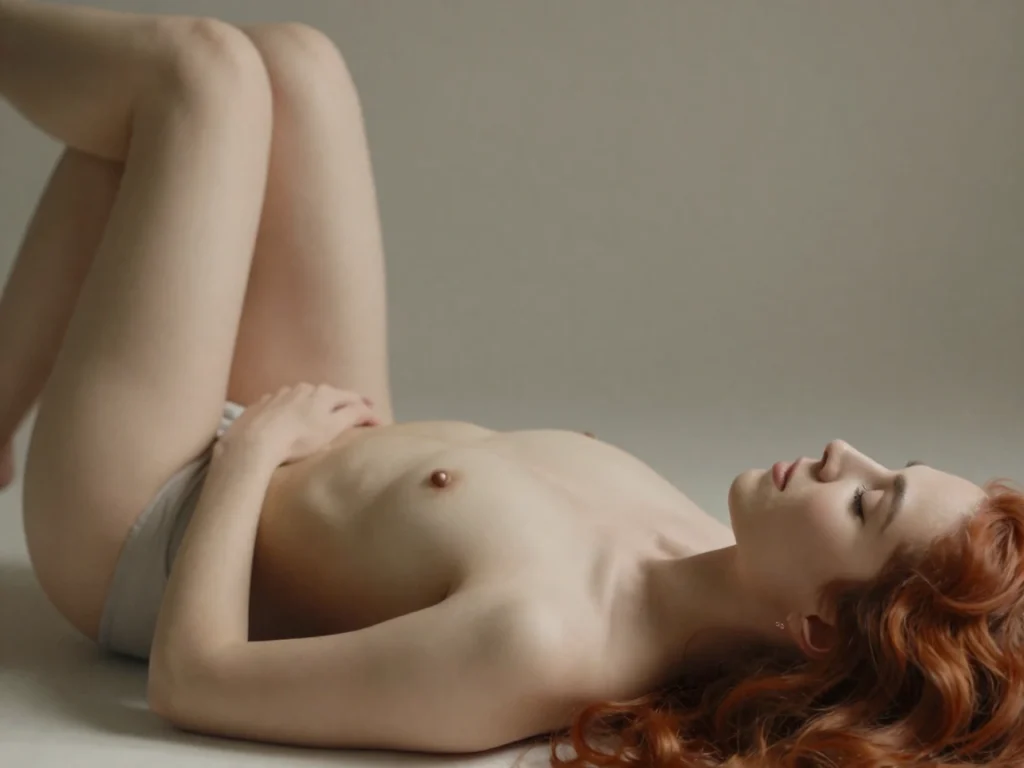
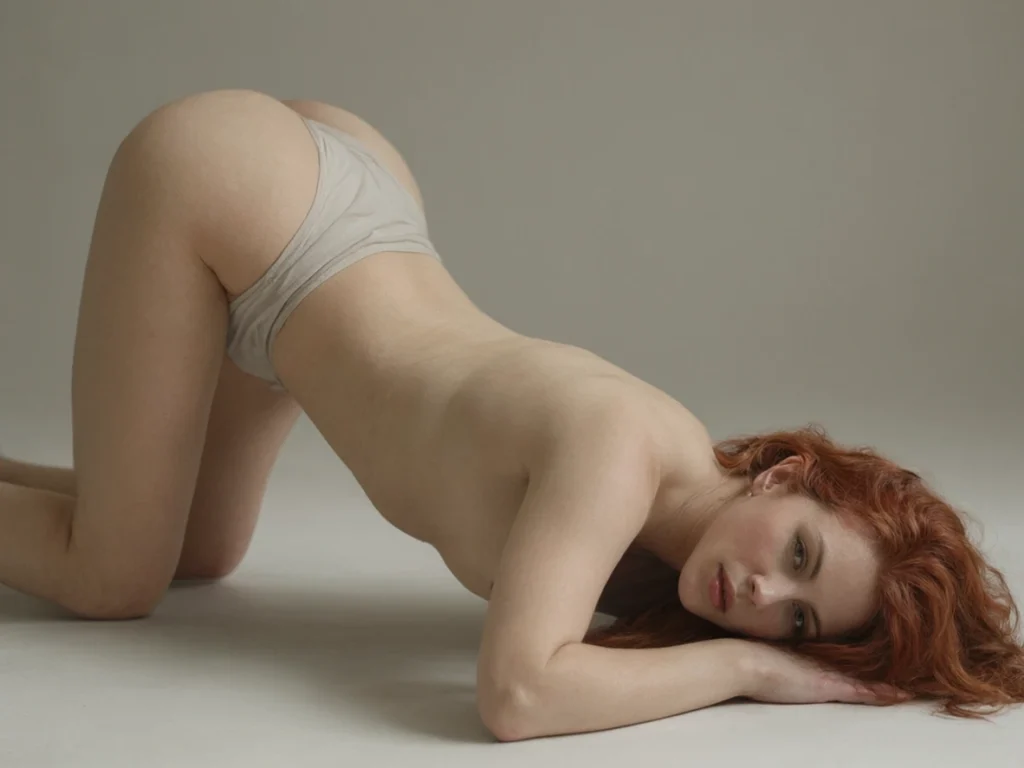
For “20 AI Image Prompt Mistakes and How to Fix Them,” mistake 3: adjective stacking improves when abstract praise is replaced by visible decisions. Instead of stacking “beautiful, amazing, ultra-detailed,” specify what should appear, where the camera is, what the light does and which visual treatment should dominate.
A practical test is to generate two versions where only this decision changes. Keep the subject, setting and camera language stable, then compare which version has more coherent geometry, clearer visual hierarchy and fewer artifacts. This isolates whether mistake 3: adjective stacking actually helped instead of confusing the result with several simultaneous prompt changes.
Before publishing the “Mistake 3: adjective stacking” section of “20 AI Image Prompt Mistakes and How to Fix Them,” replace its placeholder with a real AvaClik example that demonstrates this decision. The example should make the difference visible at a glance, use only adult content allowed by the service, and include enough of the frame for readers to judge composition rather than showing a cropped detail with no context.
Mistake 4: conflicting camera terms
For “20 AI Image Prompt Mistakes and How to Fix Them,” mistake 4: conflicting camera terms should define camera distance before decorative style. A close portrait prioritizes face detail; a full-body frame forces the model to solve feet, floor contact and more clothing geometry; a wide frame asks it to construct a believable environment as well as the person.
When reviewing this part of “20 AI Image Prompt Mistakes and How to Fix Them,” ask what a photographer or art director would be able to point to in the finished frame. If the instruction cannot be checked visually, rewrite it into something observable: a light source, a camera angle, a physical material, a pose relationship or a defined background element.
Before publishing the “Mistake 4: conflicting camera terms” section of “20 AI Image Prompt Mistakes and How to Fix Them,” replace its placeholder with a real AvaClik example that demonstrates this decision. The example should make the difference visible at a glance, use only adult content allowed by the service, and include enough of the frame for readers to judge composition rather than showing a cropped detail with no context.
Mistake 5: no physical setting
In “20 AI Image Prompt Mistakes and How to Fix Them,” mistake 5: no physical setting should be written as a real place with scale cues, surfaces and light. Name a few defining elements rather than filling the frame with props. A coherent room, terrace or studio usually looks more believable than a prompt that lists ten unrelated decorative objects.
For a production-style workflow, save the prompt and note what changed between iterations. That makes mistake 5: no physical setting reproducible: if a later version is worse, you can return to the stronger composition instead of trying to remember which combination of words produced it.
Before publishing the “Mistake 5: no physical setting” section of “20 AI Image Prompt Mistakes and How to Fix Them,” replace its placeholder with a real AvaClik example that demonstrates this decision. The example should make the difference visible at a glance, use only adult content allowed by the service, and include enough of the frame for readers to judge composition rather than showing a cropped detail with no context.

Mistake 6: vague lighting
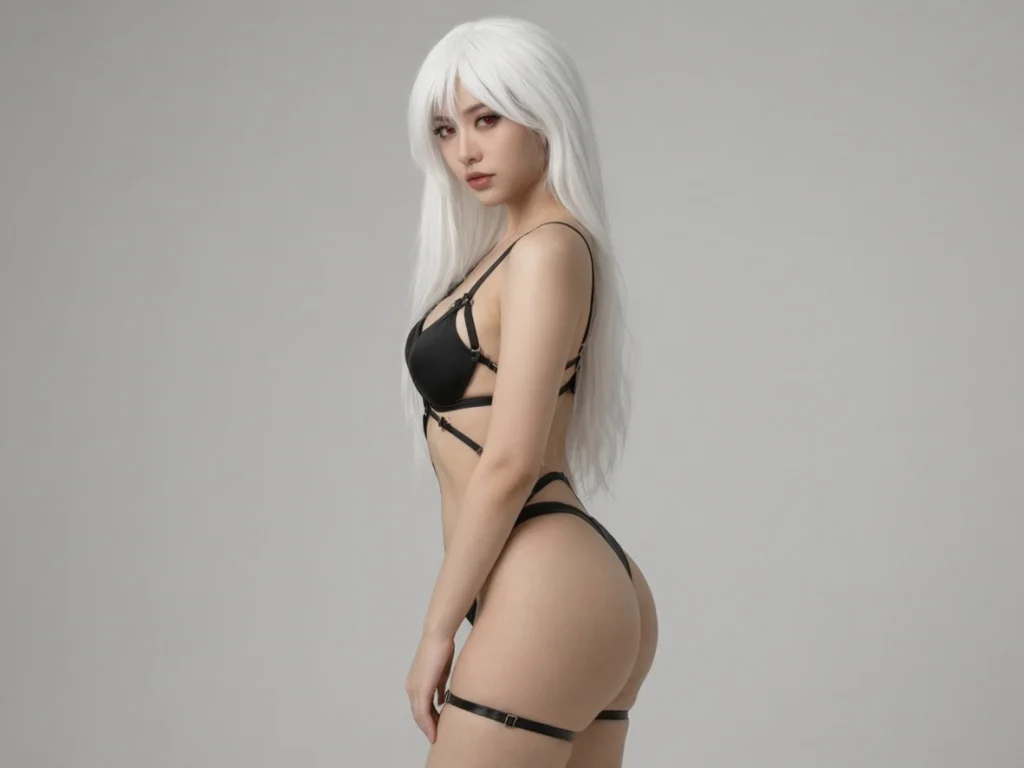
In “20 AI Image Prompt Mistakes and How to Fix Them,” mistake 6: vague lighting works best when light is described as a physical source: direction, softness, temperature and effect on the subject. “Soft window light from the left with gentle falloff” is actionable; “amazing cinematic lighting” leaves too much for the model to guess.
Keep the first experiment conservative. A clear single subject, simple scene and readable pose make it easier to judge mistake 6: vague lighting. Once the core image is stable, add atmosphere and secondary detail without changing every constraint at the same time.
Before publishing the “Mistake 6: vague lighting” section of “20 AI Image Prompt Mistakes and How to Fix Them,” replace its placeholder with a real AvaClik example that demonstrates this decision. The example should make the difference visible at a glance, use only adult content allowed by the service, and include enough of the frame for readers to judge composition rather than showing a cropped detail with no context.
Mistake 7: impossible lighting directions
In “20 AI Image Prompt Mistakes and How to Fix Them,” mistake 7: impossible lighting directions works best when light is described as a physical source: direction, softness, temperature and effect on the subject. “Soft window light from the left with gentle falloff” is actionable; “amazing cinematic lighting” leaves too much for the model to guess.
A practical test is to generate two versions where only this decision changes. Keep the subject, setting and camera language stable, then compare which version has more coherent geometry, clearer visual hierarchy and fewer artifacts. This isolates whether mistake 7: impossible lighting directions actually helped instead of confusing the result with several simultaneous prompt changes.
Before publishing the “Mistake 7: impossible lighting directions” section of “20 AI Image Prompt Mistakes and How to Fix Them,” replace its placeholder with a real AvaClik example that demonstrates this decision. The example should make the difference visible at a glance, use only adult content allowed by the service, and include enough of the frame for readers to judge composition rather than showing a cropped detail with no context.
Mistake 8: no framing instruction
For “20 AI Image Prompt Mistakes and How to Fix Them,” mistake 8: no framing instruction should define camera distance before decorative style. A close portrait prioritizes face detail; a full-body frame forces the model to solve feet, floor contact and more clothing geometry; a wide frame asks it to construct a believable environment as well as the person.
When reviewing this part of “20 AI Image Prompt Mistakes and How to Fix Them,” ask what a photographer or art director would be able to point to in the finished frame. If the instruction cannot be checked visually, rewrite it into something observable: a light source, a camera angle, a physical material, a pose relationship or a defined background element.
Before publishing the “Mistake 8: no framing instruction” section of “20 AI Image Prompt Mistakes and How to Fix Them,” replace its placeholder with a real AvaClik example that demonstrates this decision. The example should make the difference visible at a glance, use only adult content allowed by the service, and include enough of the frame for readers to judge composition rather than showing a cropped detail with no context.
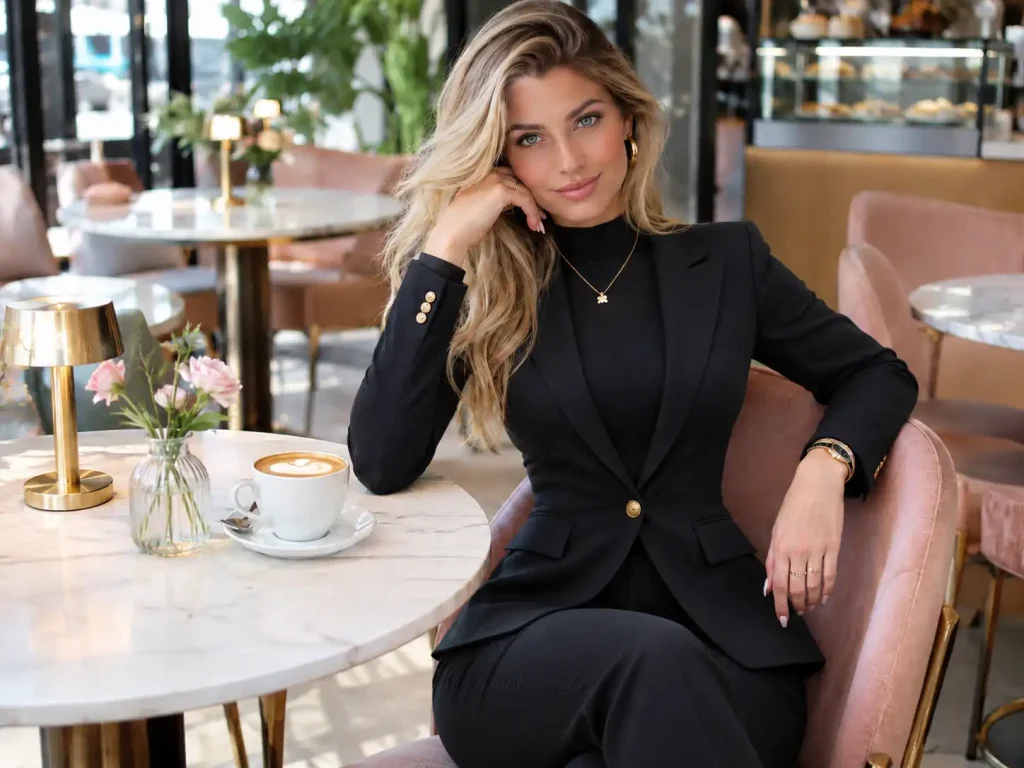
Mistake 9: incompatible styles
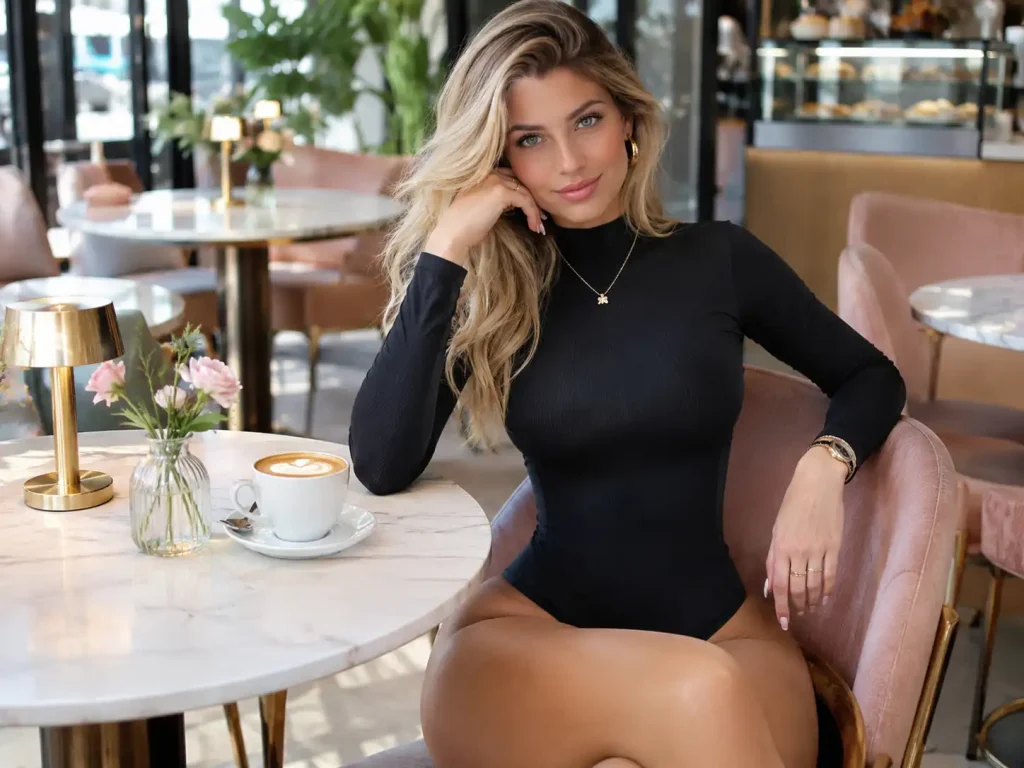
For “20 AI Image Prompt Mistakes and How to Fix Them,” mistake 9: incompatible styles improves when abstract praise is replaced by visible decisions. Instead of stacking “beautiful, amazing, ultra-detailed,” specify what should appear, where the camera is, what the light does and which visual treatment should dominate.
For a production-style workflow, save the prompt and note what changed between iterations. That makes mistake 9: incompatible styles reproducible: if a later version is worse, you can return to the stronger composition instead of trying to remember which combination of words produced it.
Before publishing the “Mistake 9: incompatible styles” section of “20 AI Image Prompt Mistakes and How to Fix Them,” replace its placeholder with a real AvaClik example that demonstrates this decision. The example should make the difference visible at a glance, use only adult content allowed by the service, and include enough of the frame for readers to judge composition rather than showing a cropped detail with no context.
Mistake 10: too many important actions
For “20 AI Image Prompt Mistakes and How to Fix Them,” mistake 10: too many important actions improves when abstract praise is replaced by visible decisions. Instead of stacking “beautiful, amazing, ultra-detailed,” specify what should appear, where the camera is, what the light does and which visual treatment should dominate.
Keep the first experiment conservative. A clear single subject, simple scene and readable pose make it easier to judge mistake 10: too many important actions. Once the core image is stable, add atmosphere and secondary detail without changing every constraint at the same time.
Before publishing the “Mistake 10: too many important actions” section of “20 AI Image Prompt Mistakes and How to Fix Them,” replace its placeholder with a real AvaClik example that demonstrates this decision. The example should make the difference visible at a glance, use only adult content allowed by the service, and include enough of the frame for readers to judge composition rather than showing a cropped detail with no context.
Mistake 11: over-specifying tiny details
For “20 AI Image Prompt Mistakes and How to Fix Them,” mistake 11: over-specifying tiny details improves when abstract praise is replaced by visible decisions. Instead of stacking “beautiful, amazing, ultra-detailed,” specify what should appear, where the camera is, what the light does and which visual treatment should dominate.
A practical test is to generate two versions where only this decision changes. Keep the subject, setting and camera language stable, then compare which version has more coherent geometry, clearer visual hierarchy and fewer artifacts. This isolates whether mistake 11: over-specifying tiny details actually helped instead of confusing the result with several simultaneous prompt changes.
Before publishing the “Mistake 11: over-specifying tiny details” section of “20 AI Image Prompt Mistakes and How to Fix Them,” replace its placeholder with a real AvaClik example that demonstrates this decision. The example should make the difference visible at a glance, use only adult content allowed by the service, and include enough of the frame for readers to judge composition rather than showing a cropped detail with no context.
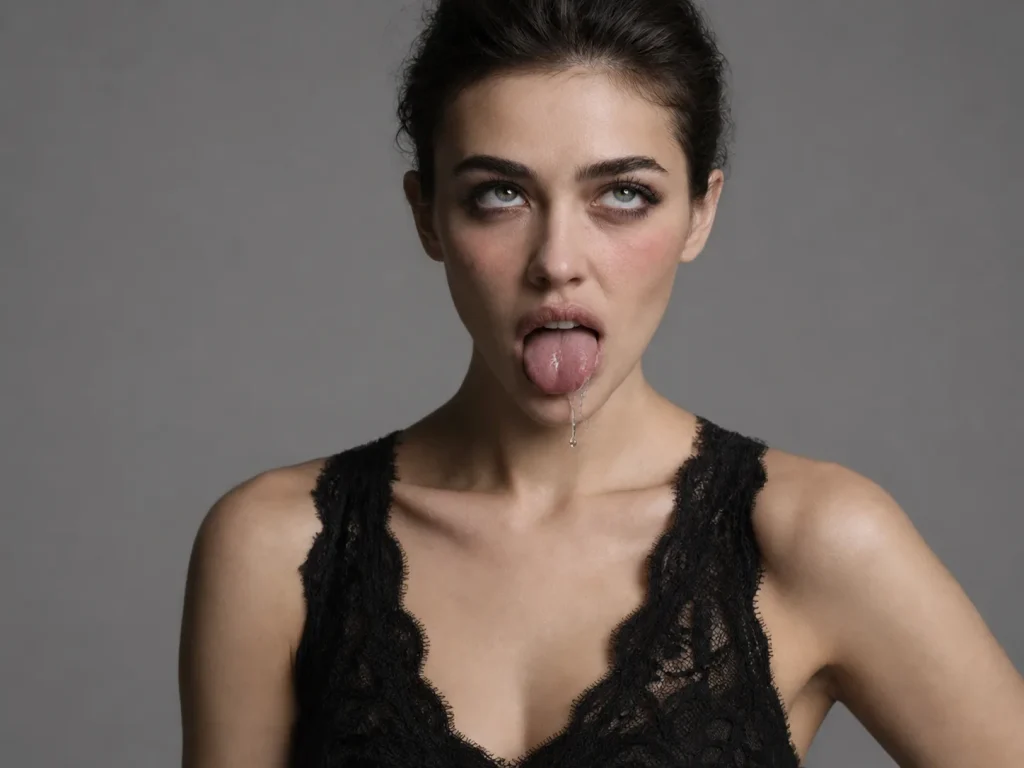
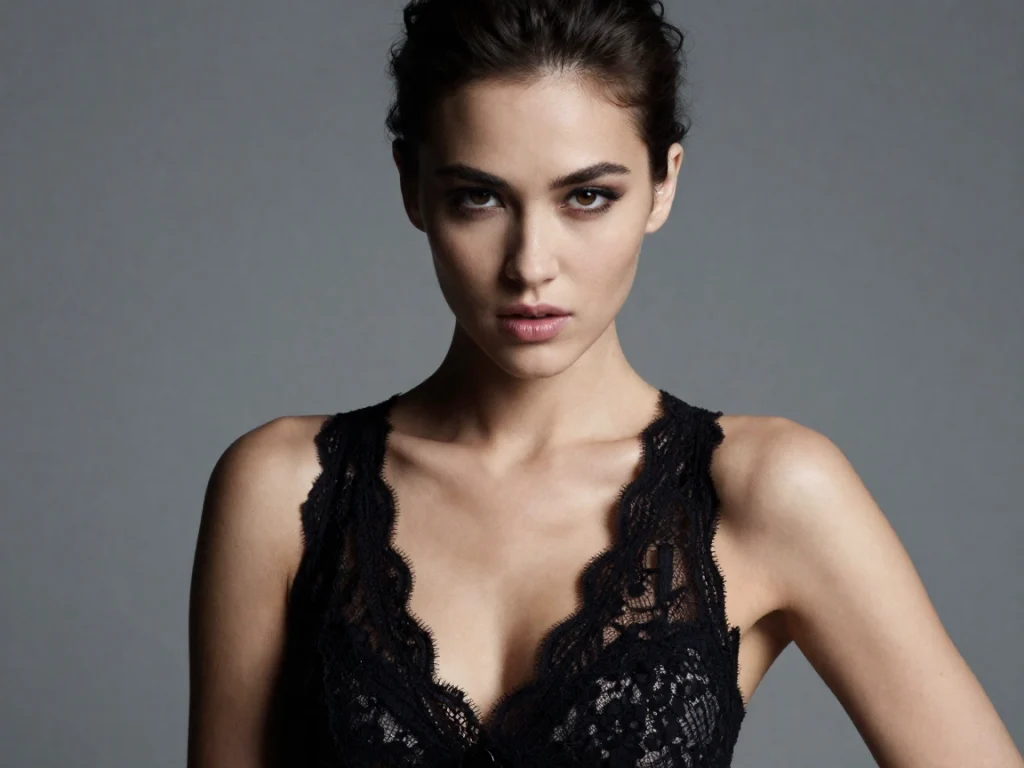
Mistake 12: ignoring aspect ratio
For “20 AI Image Prompt Mistakes and How to Fix Them,” mistake 12: ignoring aspect ratio changes the space the model has to solve the scene. A vertical frame gives a standing subject room from head to feet; a wide frame gives the environment more visual weight. Decide the ratio before refining pose and background, because a later crop can remove the very details the prompt asked the model to compose.
When reviewing this part of “20 AI Image Prompt Mistakes and How to Fix Them,” ask what a photographer or art director would be able to point to in the finished frame. If the instruction cannot be checked visually, rewrite it into something observable: a light source, a camera angle, a physical material, a pose relationship or a defined background element.
Before publishing the “Mistake 12: ignoring aspect ratio” section of “20 AI Image Prompt Mistakes and How to Fix Them,” replace its placeholder with a real AvaClik example that demonstrates this decision. The example should make the difference visible at a glance, use only adult content allowed by the service, and include enough of the frame for readers to judge composition rather than showing a cropped detail with no context.
Mistake 13: trying to fix everything at once
For “20 AI Image Prompt Mistakes and How to Fix Them,” mistake 13: trying to fix everything at once improves when abstract praise is replaced by visible decisions. Instead of stacking “beautiful, amazing, ultra-detailed,” specify what should appear, where the camera is, what the light does and which visual treatment should dominate.
For a production-style workflow, save the prompt and note what changed between iterations. That makes mistake 13: trying to fix everything at once reproducible: if a later version is worse, you can return to the stronger composition instead of trying to remember which combination of words produced it.
Before publishing the “Mistake 13: trying to fix everything at once” section of “20 AI Image Prompt Mistakes and How to Fix Them,” replace its placeholder with a real AvaClik example that demonstrates this decision. The example should make the difference visible at a glance, use only adult content allowed by the service, and include enough of the frame for readers to judge composition rather than showing a cropped detail with no context.
Mistake 14: using quality words instead of visual detail
Within “20 AI Image Prompt Mistakes and How to Fix Them,” mistake 14: using quality words instead of visual detail is best treated as a workflow decision rather than a universal quality ranking. The current AvaClik generator interface shows a Fast option and a Super 2K option; verify token pricing in the live UI before publication because product costs can change. Use lower-cost iterations while subject, framing or lighting are still moving, then use higher quality when the composition is worth inspecting closely.
Keep the first experiment conservative. A clear single subject, simple scene and readable pose make it easier to judge mistake 14: using quality words instead of visual detail. Once the core image is stable, add atmosphere and secondary detail without changing every constraint at the same time.
Before publishing the “Mistake 14: using quality words instead of visual detail” section of “20 AI Image Prompt Mistakes and How to Fix Them,” replace its placeholder with a real AvaClik example that demonstrates this decision. The example should make the difference visible at a glance, use only adult content allowed by the service, and include enough of the frame for readers to judge composition rather than showing a cropped detail with no context.
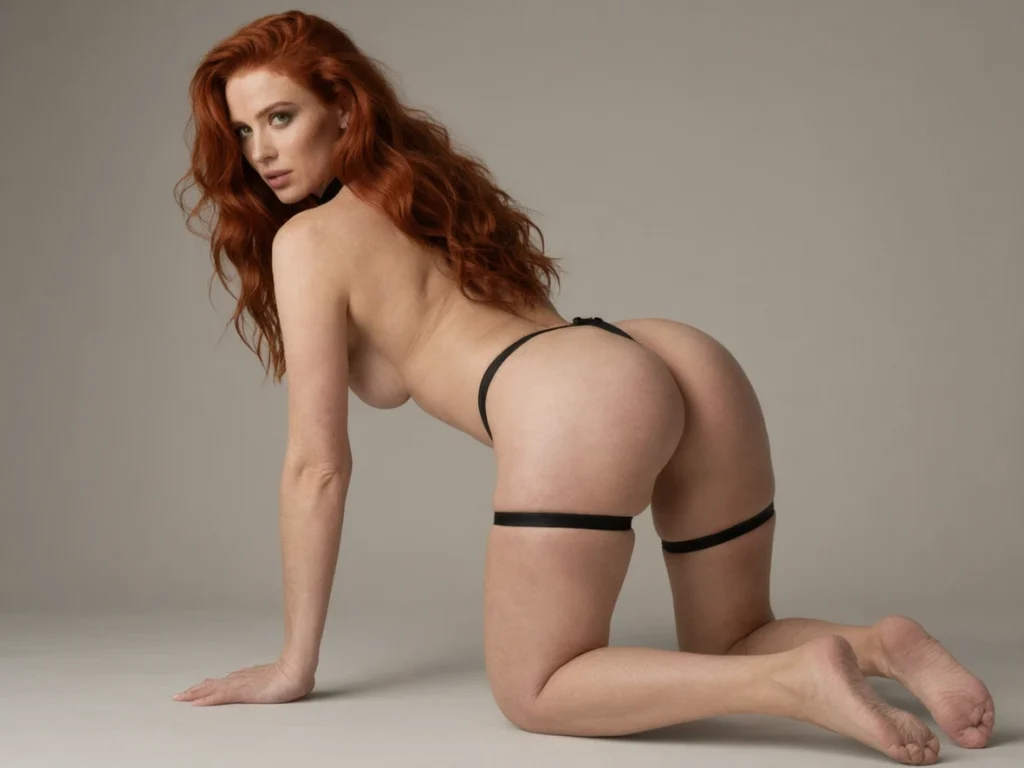
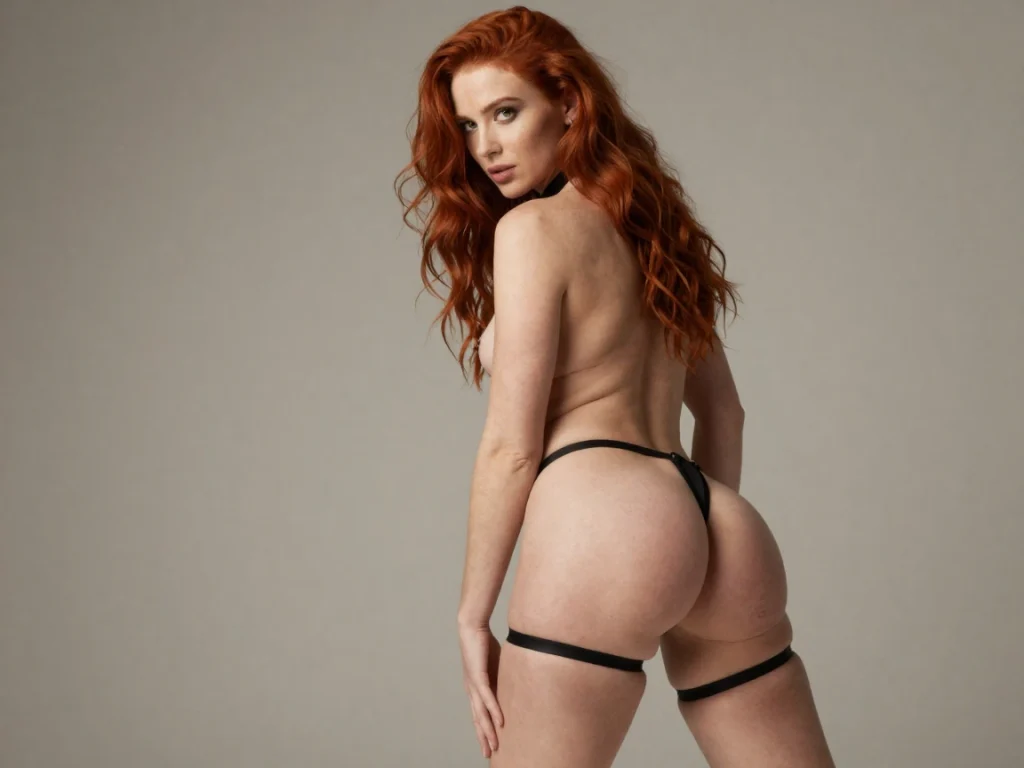
Mistake 15: ignoring hands and contact points
For “20 AI Image Prompt Mistakes and How to Fix Them,” mistake 15: ignoring hands and contact points is a structural problem, not a keyword problem. Count limbs and fingers, follow joints through the pose, and check where the body actually contacts furniture or the floor. If the skeleton is implausible, adding more “high quality” adjectives rarely repairs it; a simpler pose or new generation is usually cleaner.
A practical test is to generate two versions where only this decision changes. Keep the subject, setting and camera language stable, then compare which version has more coherent geometry, clearer visual hierarchy and fewer artifacts. This isolates whether mistake 15: ignoring hands and contact points actually helped instead of confusing the result with several simultaneous prompt changes.
Before publishing the “Mistake 15: ignoring hands and contact points” section of “20 AI Image Prompt Mistakes and How to Fix Them,” replace its placeholder with a real AvaClik example that demonstrates this decision. The example should make the difference visible at a glance, use only adult content allowed by the service, and include enough of the frame for readers to judge composition rather than showing a cropped detail with no context.
Mistake 16: demanding readable text inside the image
In the context of “20 AI Image Prompt Mistakes and How to Fix Them,” mistake 16: demanding readable text inside the image should remove age ambiguity rather than rely on vague beauty language. Use clearly adult descriptors such as “adult woman in her 30s” or “adult man in his late 20s” when age framing matters, and avoid terms that could be read as underage.
When reviewing this part of “20 AI Image Prompt Mistakes and How to Fix Them,” ask what a photographer or art director would be able to point to in the finished frame. If the instruction cannot be checked visually, rewrite it into something observable: a light source, a camera angle, a physical material, a pose relationship or a defined background element.
Before publishing the “Mistake 16: demanding readable text inside the image” section of “20 AI Image Prompt Mistakes and How to Fix Them,” replace its placeholder with a real AvaClik example that demonstrates this decision. The example should make the difference visible at a glance, use only adult content allowed by the service, and include enough of the frame for readers to judge composition rather than showing a cropped detail with no context.
Mistake 17: no background scale cues
In “20 AI Image Prompt Mistakes and How to Fix Them,” mistake 17: no background scale cues should be written as a real place with scale cues, surfaces and light. Name a few defining elements rather than filling the frame with props. A coherent room, terrace or studio usually looks more believable than a prompt that lists ten unrelated decorative objects.
For a production-style workflow, save the prompt and note what changed between iterations. That makes mistake 17: no background scale cues reproducible: if a later version is worse, you can return to the stronger composition instead of trying to remember which combination of words produced it.
Before publishing the “Mistake 17: no background scale cues” section of “20 AI Image Prompt Mistakes and How to Fix Them,” replace its placeholder with a real AvaClik example that demonstrates this decision. The example should make the difference visible at a glance, use only adult content allowed by the service, and include enough of the frame for readers to judge composition rather than showing a cropped detail with no context.
Mistake 18: changing prompt and quality simultaneously
Within “20 AI Image Prompt Mistakes and How to Fix Them,” mistake 18: changing prompt and quality simultaneously is best treated as a workflow decision rather than a universal quality ranking. The current AvaClik generator interface shows a Fast option and a Super 2K option; verify token pricing in the live UI before publication because product costs can change. Use lower-cost iterations while subject, framing or lighting are still moving, then use higher quality when the composition is worth inspecting closely.
Keep the first experiment conservative. A clear single subject, simple scene and readable pose make it easier to judge mistake 18: changing prompt and quality simultaneously. Once the core image is stable, add atmosphere and secondary detail without changing every constraint at the same time.
Before publishing the “Mistake 18: changing prompt and quality simultaneously” section of “20 AI Image Prompt Mistakes and How to Fix Them,” replace its placeholder with a real AvaClik example that demonstrates this decision. The example should make the difference visible at a glance, use only adult content allowed by the service, and include enough of the frame for readers to judge composition rather than showing a cropped detail with no context.
Mistake 19: not comparing iterations
For “20 AI Image Prompt Mistakes and How to Fix Them,” mistake 19: not comparing iterations improves when abstract praise is replaced by visible decisions. Instead of stacking “beautiful, amazing, ultra-detailed,” specify what should appear, where the camera is, what the light does and which visual treatment should dominate.
A practical test is to generate two versions where only this decision changes. Keep the subject, setting and camera language stable, then compare which version has more coherent geometry, clearer visual hierarchy and fewer artifacts. This isolates whether mistake 19: not comparing iterations actually helped instead of confusing the result with several simultaneous prompt changes.
Before publishing the “Mistake 19: not comparing iterations” section of “20 AI Image Prompt Mistakes and How to Fix Them,” replace its placeholder with a real AvaClik example that demonstrates this decision. The example should make the difference visible at a glance, use only adult content allowed by the service, and include enough of the frame for readers to judge composition rather than showing a cropped detail with no context.
Mistake 20: keeping a structurally broken generation
For “20 AI Image Prompt Mistakes and How to Fix Them,” mistake 20: keeping a structurally broken generation improves when abstract praise is replaced by visible decisions. Instead of stacking “beautiful, amazing, ultra-detailed,” specify what should appear, where the camera is, what the light does and which visual treatment should dominate.
When reviewing this part of “20 AI Image Prompt Mistakes and How to Fix Them,” ask what a photographer or art director would be able to point to in the finished frame. If the instruction cannot be checked visually, rewrite it into something observable: a light source, a camera angle, a physical material, a pose relationship or a defined background element.
Before publishing the “Mistake 20: keeping a structurally broken generation” section of “20 AI Image Prompt Mistakes and How to Fix Them,” replace its placeholder with a real AvaClik example that demonstrates this decision. The example should make the difference visible at a glance, use only adult content allowed by the service, and include enough of the frame for readers to judge composition rather than showing a cropped detail with no context.
Final checklist
In “20 AI Image Prompt Mistakes and How to Fix Them,” final checklist should happen at two scales. First view the full frame to judge composition and body geometry; then zoom into the face, hands, hair edges, clothing joins and background text. A result that only survives close-up inspection but feels awkward at normal size is not finished.
For a production-style workflow, save the prompt and note what changed between iterations. That makes final checklist reproducible: if a later version is worse, you can return to the stronger composition instead of trying to remember which combination of words produced it.
Before publishing the “Final checklist” section of “20 AI Image Prompt Mistakes and How to Fix Them,” replace its placeholder with a real AvaClik example that demonstrates this decision. The example should make the difference visible at a glance, use only adult content allowed by the service, and include enough of the frame for readers to judge composition rather than showing a cropped detail with no context.
Related AvaClik guides
In “20 AI Image Prompt Mistakes and How to Fix Them,” the section “Related AvaClik guides” focuses on a decision that materially changes the generated frame. Treat it as one controllable variable: describe it clearly, keep the rest of the visual brief stable, and compare the result against the exact outcome the section is trying to improve.
Keep the first experiment conservative. A clear single subject, simple scene and readable pose make it easier to judge related avaclik guides. Once the core image is stable, add atmosphere and secondary detail without changing every constraint at the same time.
Before publishing the “Related AvaClik guides” section of “20 AI Image Prompt Mistakes and How to Fix Them,” replace its placeholder with a real AvaClik example that demonstrates this decision. The example should make the difference visible at a glance, use only adult content allowed by the service, and include enough of the frame for readers to judge composition rather than showing a cropped detail with no context.
Frequently asked questions
In “20 AI Image Prompt Mistakes and How to Fix Them,” the section “Frequently asked questions” focuses on a decision that materially changes the generated frame. Treat it as one controllable variable: describe it clearly, keep the rest of the visual brief stable, and compare the result against the exact outcome the section is trying to improve.
A practical test is to generate two versions where only this decision changes. Keep the subject, setting and camera language stable, then compare which version has more coherent geometry, clearer visual hierarchy and fewer artifacts. This isolates whether frequently asked questions actually helped instead of confusing the result with several simultaneous prompt changes.
Before publishing the “Frequently asked questions” section of “20 AI Image Prompt Mistakes and How to Fix Them,” replace its placeholder with a real AvaClik example that demonstrates this decision. The example should make the difference visible at a glance, use only adult content allowed by the service, and include enough of the frame for readers to judge composition rather than showing a cropped detail with no context.
Final takeaway
In “20 AI Image Prompt Mistakes and How to Fix Them,” the section “Final takeaway” focuses on a decision that materially changes the generated frame. Treat it as one controllable variable: describe it clearly, keep the rest of the visual brief stable, and compare the result against the exact outcome the section is trying to improve.
When reviewing this part of “20 AI Image Prompt Mistakes and How to Fix Them,” ask what a photographer or art director would be able to point to in the finished frame. If the instruction cannot be checked visually, rewrite it into something observable: a light source, a camera angle, a physical material, a pose relationship or a defined background element.
Before publishing the “Final takeaway” section of “20 AI Image Prompt Mistakes and How to Fix Them,” replace its placeholder with a real AvaClik example that demonstrates this decision. The example should make the difference visible at a glance, use only adult content allowed by the service, and include enough of the frame for readers to judge composition rather than showing a cropped detail with no context.
More AvaClik image-generation guides
- NSFW AI Image Generator vs AI Photo Editor: Which Should You Use?
- 50 NSFW AI Image Prompts for Adult Portraits, Boudoir & Editorial
- 30 Cinematic NSFW AI Image Prompts: Lighting, Camera & Mood

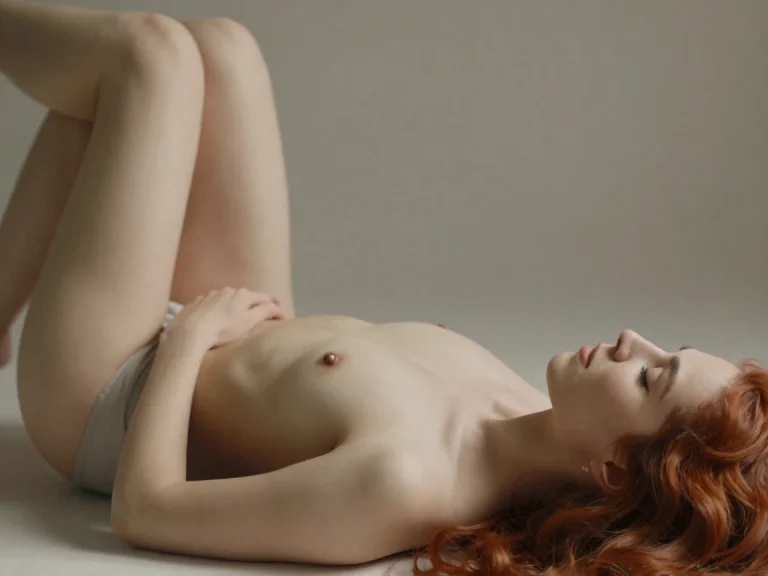
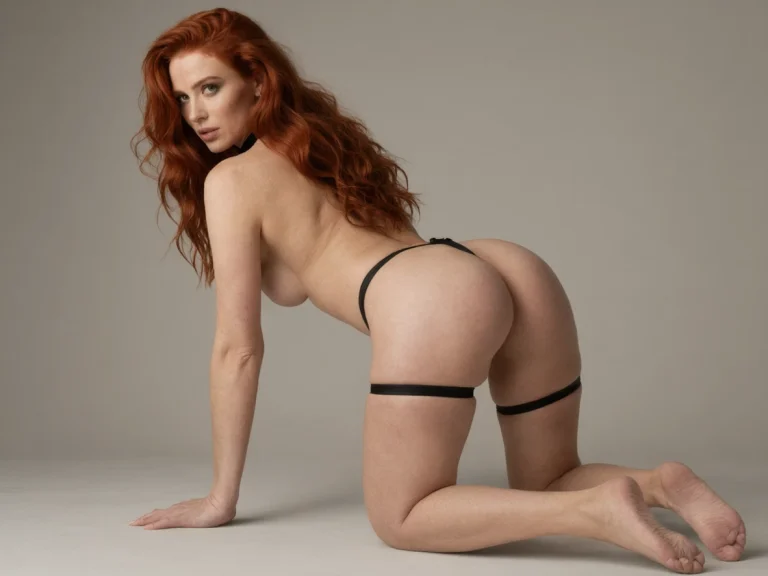
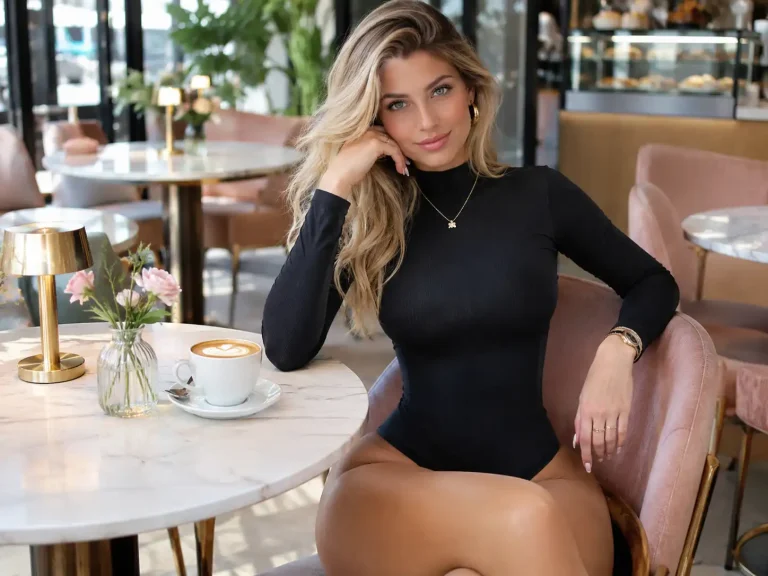
Try this in AvaClik
Try the workflow in AvaClik
Describe an image of an adult, choose quality and framing, check the result and refine the prompt.
Try AvaClik NSFW AI Image Generator ↗