40 AI Beard Prompts for Realistic Beard, Stubble & Mustache Styles
Copy 40 AI beard prompts for stubble, short beards, full beards, goatees, mustaches, color changes and polished portrait looks.
On this page
Open the AvaClik tool connected to this guide and try it on your photo.
A useful beard prompt describes visible facial-hair geometry rather than vague attractiveness. Style, length, density, cheek line, neckline, moustache shape, color and preservation instructions are the variables that make the biggest difference.
Quick answer
Build beard prompts in this order: style → length → density → cheek/neck boundaries → moustache connection → color → what must stay unchanged. Keep the face, hair, expression, skin and background fixed unless they are intentionally part of the edit.
A simple formula for beard prompts
Specific visible attributes make a beard request easier to interpret than broad labels such as “handsome beard” or “rugged look.” A practical test for a simple formula for beard prompts is to ask what visual evidence the source image provides and what the model has to invent. With AI beard prompts, the safest result keeps the underlying face stable while using the available cheek, mouth, chin and jaw geometry to place new hair. The less the editor has to guess about hidden boundaries, the easier it is to get a believable result.
Specific visible attributes make a beard request easier to interpret than broad labels such as “handsome beard” or “rugged look.” For a publishable before-and-after example in 40 AI Beard Prompts for Realistic Beard, Stubble & Mustache Styles, keep crop, expression, camera angle and exposure consistent. If the “after” image also receives better skin, a different jaw or a more flattering light, readers cannot tell what the beard operation actually contributed. A fair example isolates the facial-hair change and makes preservation quality visible.
Stubble prompt structure
For stubble, the important variables are short length, low or medium density, even coverage and whether the moustache/chin areas should be slightly stronger. Review this section at two scales. At normal viewing size, look for overall beard silhouette, balance and whether the style belongs on the same person. At close zoom, inspect style shape, hair length, density, cheek line, moustache, neckline, color and identity preservation. Those two views catch different failures: silhouette problems are obvious from a distance, while edge, strand and identity problems usually appear only when you inspect the details.
For stubble, the important variables are short length, low or medium density, even coverage and whether the moustache/chin areas should be slightly stronger. Generate more than one candidate when the boundary is difficult. Facial hair contains thousands of small dark-light transitions, and one version may preserve the mouth better while another handles cheek edges or jaw attachment more cleanly. Comparing candidates from the same source is often faster and more reliable than stacking many repair instructions onto a weak first result.
- For stubble
- the important variables are short length
- low or medium density
- even coverage and whether the moustache/chin areas should be slightly stronger
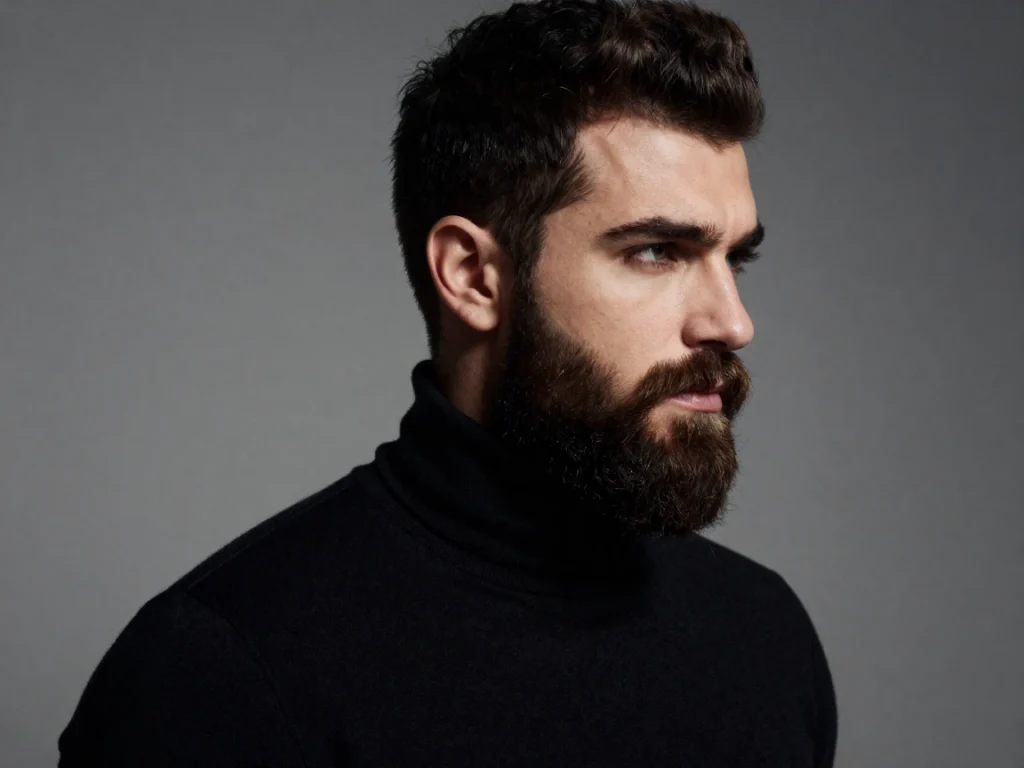
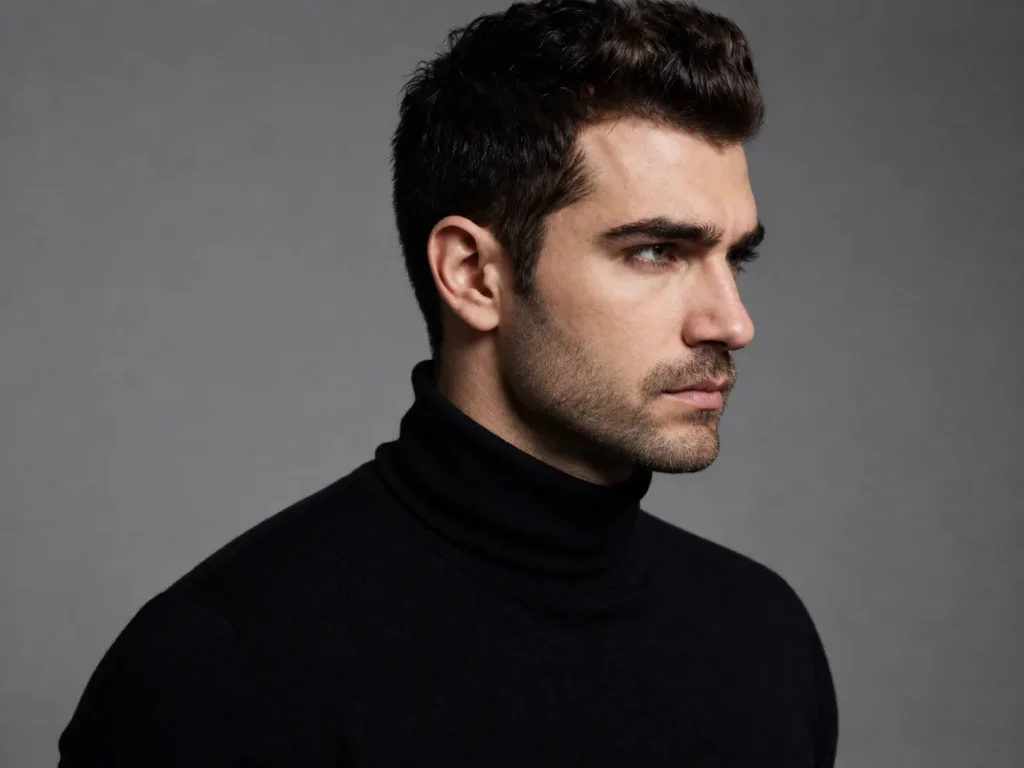
Short-beard prompt structure
A short beard needs a defined lower-face shape, clean but natural cheek line and enough density to read as beard rather than shadow. For a publishable before-and-after example in 40 AI Beard Prompts for Realistic Beard, Stubble & Mustache Styles, keep crop, expression, camera angle and exposure consistent. If the “after” image also receives better skin, a different jaw or a more flattering light, readers cannot tell what the beard operation actually contributed. A fair example isolates the facial-hair change and makes preservation quality visible.
A short beard needs a defined lower-face shape, clean but natural cheek line and enough density to read as beard rather than shadow. In 40 AI Beard Prompts for Realistic Beard, Stubble & Mustache Styles, this matters because the goal is to turn a vague beard idea into a precise facial-hair edit that can be compared fairly. Facial hair sits directly on high-information identity regions, so a visually attractive result can still be wrong if it silently changes the face underneath. Keep the edit narrow and judge the beard against the original portrait rather than judging the new style in isolation.
Full-beard prompt structure
Full styles change the lower-face silhouette, so describe overall length, fullness at the chin and how wide the beard should appear at the jaw. Generate more than one candidate when the boundary is difficult. Facial hair contains thousands of small dark-light transitions, and one version may preserve the mouth better while another handles cheek edges or jaw attachment more cleanly. Comparing candidates from the same source is often faster and more reliable than stacking many repair instructions onto a weak first result.
Full styles change the lower-face silhouette, so describe overall length, fullness at the chin and how wide the beard should appear at the jaw. A practical test for full-beard prompt structure is to ask what visual evidence the source image provides and what the model has to invent. With AI beard prompts, the safest result keeps the underlying face stable while using the available cheek, mouth, chin and jaw geometry to place new hair. The less the editor has to guess about hidden boundaries, the easier it is to get a believable result.
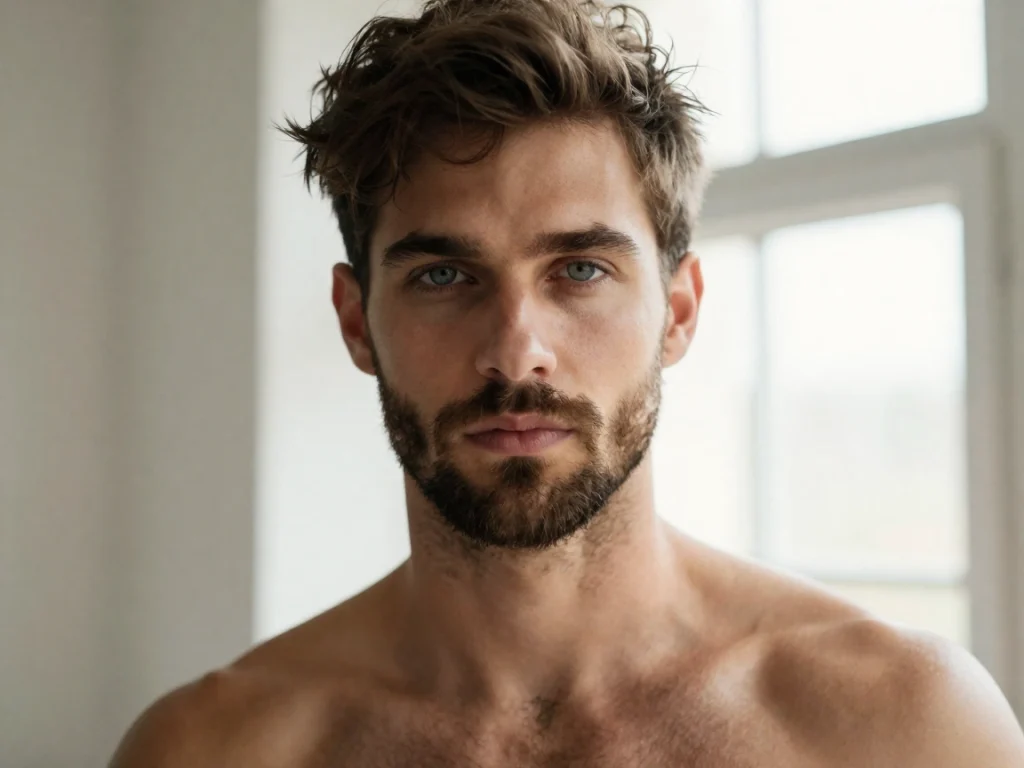
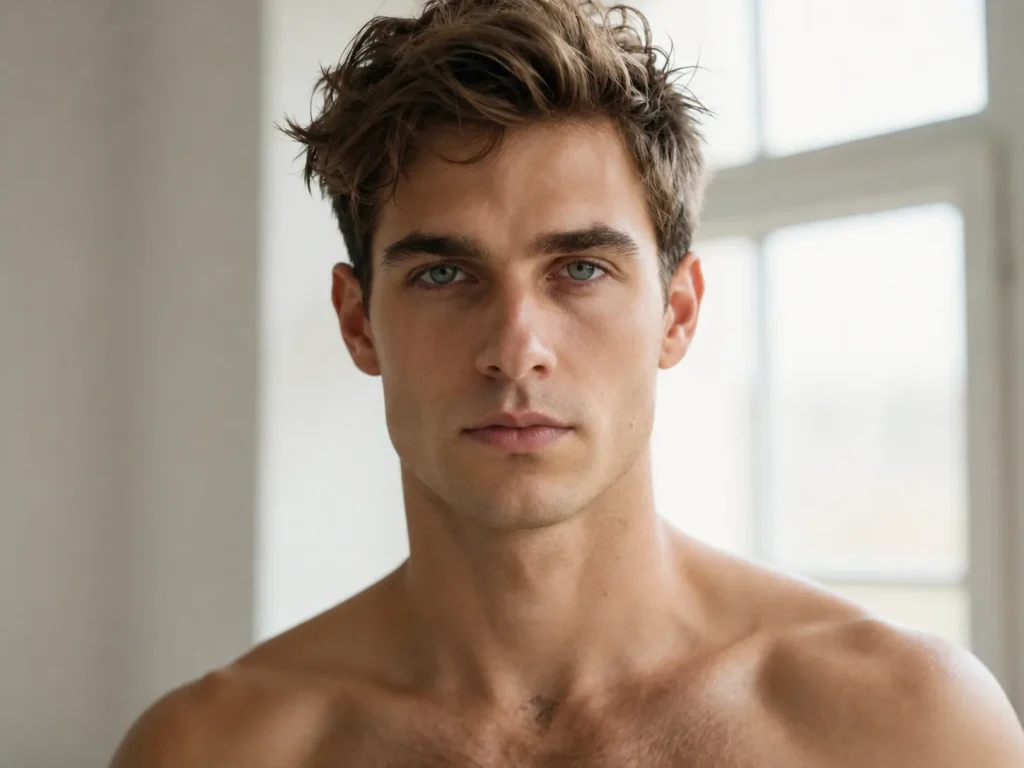
Goatee and circle-beard prompts
These styles depend on clean separation from the cheeks and controlled connection between moustache and chin hair. In 40 AI Beard Prompts for Realistic Beard, Stubble & Mustache Styles, this matters because the goal is to turn a vague beard idea into a precise facial-hair edit that can be compared fairly. Facial hair sits directly on high-information identity regions, so a visually attractive result can still be wrong if it silently changes the face underneath. Keep the edit narrow and judge the beard against the original portrait rather than judging the new style in isolation.
These styles depend on clean separation from the cheeks and controlled connection between moustache and chin hair. Review this section at two scales. At normal viewing size, look for overall beard silhouette, balance and whether the style belongs on the same person. At close zoom, inspect style shape, hair length, density, cheek line, moustache, neckline, color and identity preservation. Those two views catch different failures: silhouette problems are obvious from a distance, while edge, strand and identity problems usually appear only when you inspect the details.
Mustache prompts
Describe width, thickness, end shape and whether the upper-lip edge should remain clearly visible. A practical test for mustache prompts is to ask what visual evidence the source image provides and what the model has to invent. With AI beard prompts, the safest result keeps the underlying face stable while using the available cheek, mouth, chin and jaw geometry to place new hair. The less the editor has to guess about hidden boundaries, the easier it is to get a believable result.
Describe width, thickness, end shape and whether the upper-lip edge should remain clearly visible. For a publishable before-and-after example in 40 AI Beard Prompts for Realistic Beard, Stubble & Mustache Styles, keep crop, expression, camera angle and exposure consistent. If the “after” image also receives better skin, a different jaw or a more flattering light, readers cannot tell what the beard operation actually contributed. A fair example isolates the facial-hair change and makes preservation quality visible.
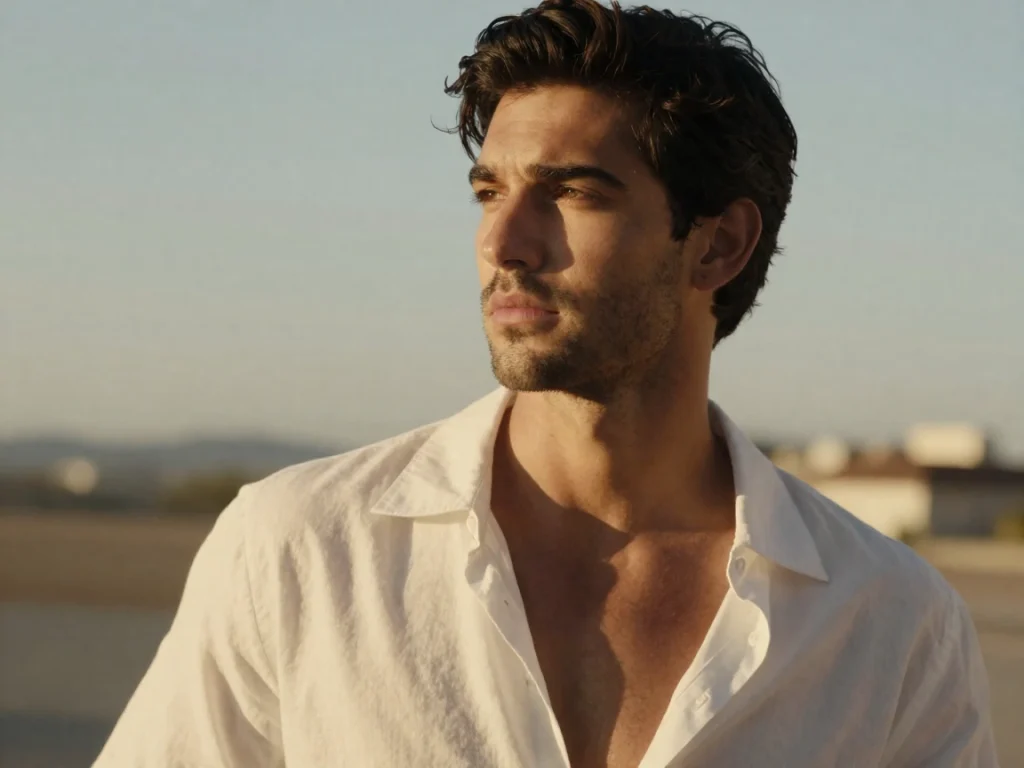
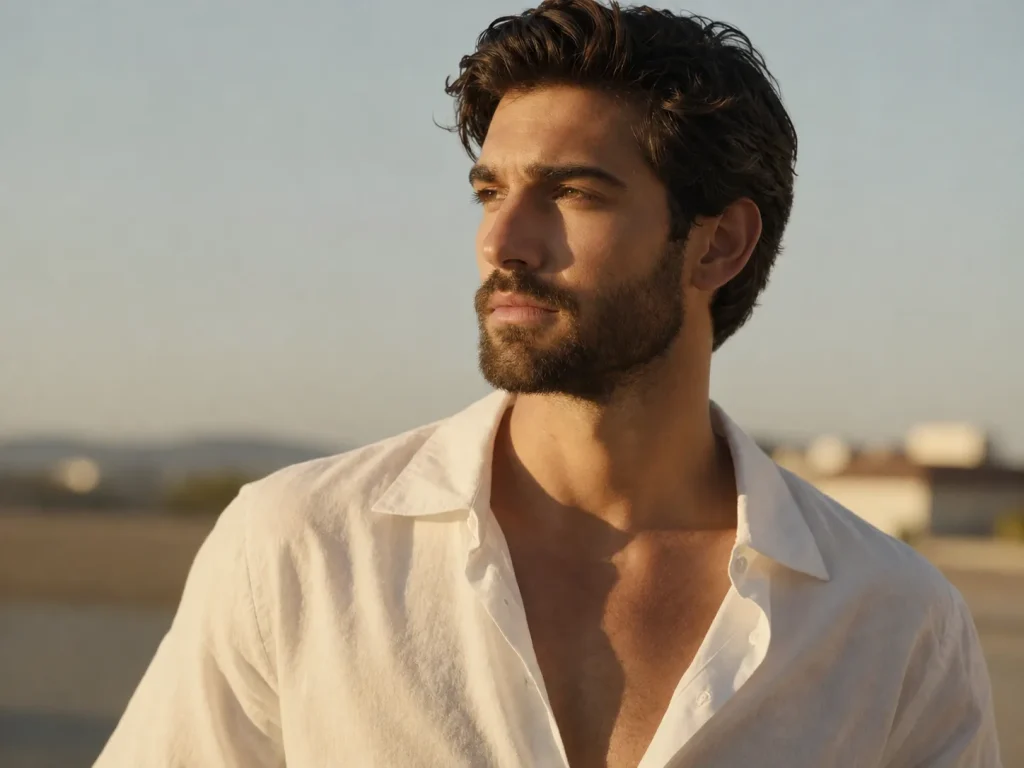
Beard-color prompts
When recoloring, keep style, length and density fixed so you can judge the shade instead of a completely different beard. Review this section at two scales. At normal viewing size, look for overall beard silhouette, balance and whether the style belongs on the same person. At close zoom, inspect style shape, hair length, density, cheek line, moustache, neckline, color and identity preservation. Those two views catch different failures: silhouette problems are obvious from a distance, while edge, strand and identity problems usually appear only when you inspect the details.
When recoloring, keep style, length and density fixed so you can judge the shade instead of a completely different beard. Generate more than one candidate when the boundary is difficult. Facial hair contains thousands of small dark-light transitions, and one version may preserve the mouth better while another handles cheek edges or jaw attachment more cleanly. Comparing candidates from the same source is often faster and more reliable than stacking many repair instructions onto a weak first result.
Grey and salt-and-pepper prompts
Natural grey facial hair usually needs tonal variation rather than a flat single-color overlay. For a publishable before-and-after example in 40 AI Beard Prompts for Realistic Beard, Stubble & Mustache Styles, keep crop, expression, camera angle and exposure consistent. If the “after” image also receives better skin, a different jaw or a more flattering light, readers cannot tell what the beard operation actually contributed. A fair example isolates the facial-hair change and makes preservation quality visible.
Natural grey facial hair usually needs tonal variation rather than a flat single-color overlay. In 40 AI Beard Prompts for Realistic Beard, Stubble & Mustache Styles, this matters because the goal is to turn a vague beard idea into a precise facial-hair edit that can be compared fairly. Facial hair sits directly on high-information identity regions, so a visually attractive result can still be wrong if it silently changes the face underneath. Keep the edit narrow and judge the beard against the original portrait rather than judging the new style in isolation.
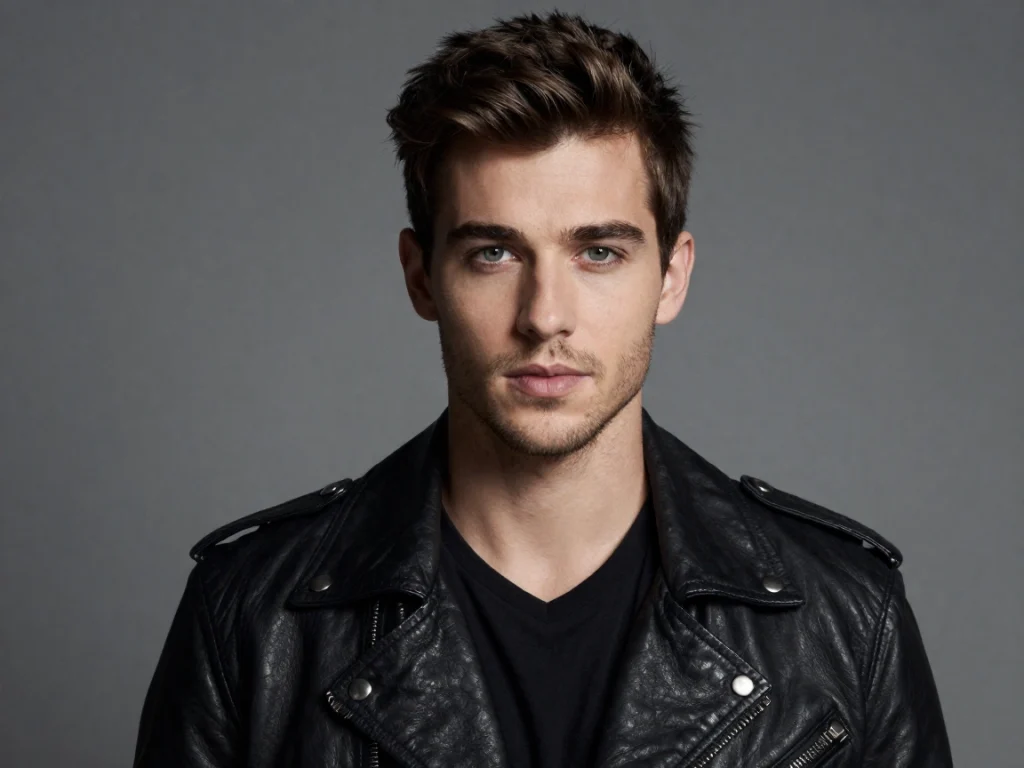
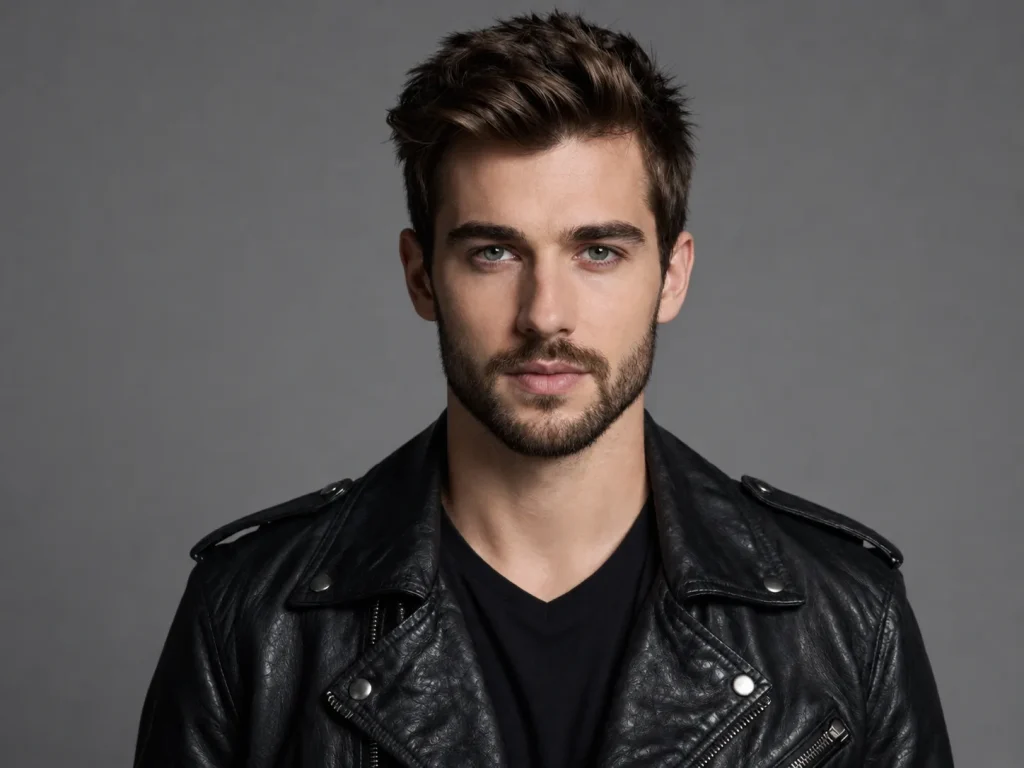
Groomed versus rugged styling
A groomed beard uses cleaner boundaries and more even length; a rugged style can have softer edges and slightly varied density without becoming messy or artificial. Generate more than one candidate when the boundary is difficult. Facial hair contains thousands of small dark-light transitions, and one version may preserve the mouth better while another handles cheek edges or jaw attachment more cleanly. Comparing candidates from the same source is often faster and more reliable than stacking many repair instructions onto a weak first result.
A groomed beard uses cleaner boundaries and more even length; a rugged style can have softer edges and slightly varied density without becoming messy or artificial. A practical test for groomed versus rugged styling is to ask what visual evidence the source image provides and what the model has to invent. With AI beard prompts, the safest result keeps the underlying face stable while using the available cheek, mouth, chin and jaw geometry to place new hair. The less the editor has to guess about hidden boundaries, the easier it is to get a believable result.
Add a preservation clause
Identity-preservation language helps keep the edit focused on facial hair and reduces unintended changes to nose, lips, jaw, skin and hairstyle. In 40 AI Beard Prompts for Realistic Beard, Stubble & Mustache Styles, this matters because the goal is to turn a vague beard idea into a precise facial-hair edit that can be compared fairly. Facial hair sits directly on high-information identity regions, so a visually attractive result can still be wrong if it silently changes the face underneath. Keep the edit narrow and judge the beard against the original portrait rather than judging the new style in isolation.
Identity-preservation language helps keep the edit focused on facial hair and reduces unintended changes to nose, lips, jaw, skin and hairstyle. Review this section at two scales. At normal viewing size, look for overall beard silhouette, balance and whether the style belongs on the same person. At close zoom, inspect style shape, hair length, density, cheek line, moustache, neckline, color and identity preservation. Those two views catch different failures: silhouette problems are obvious from a distance, while edge, strand and identity problems usually appear only when you inspect the details.
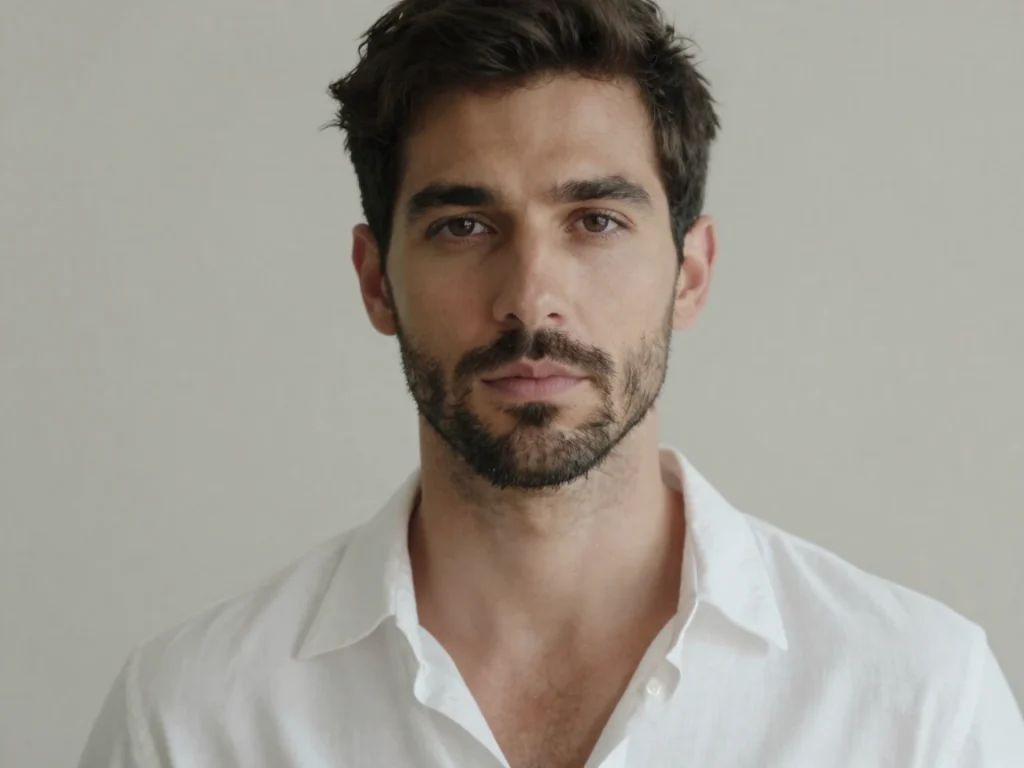
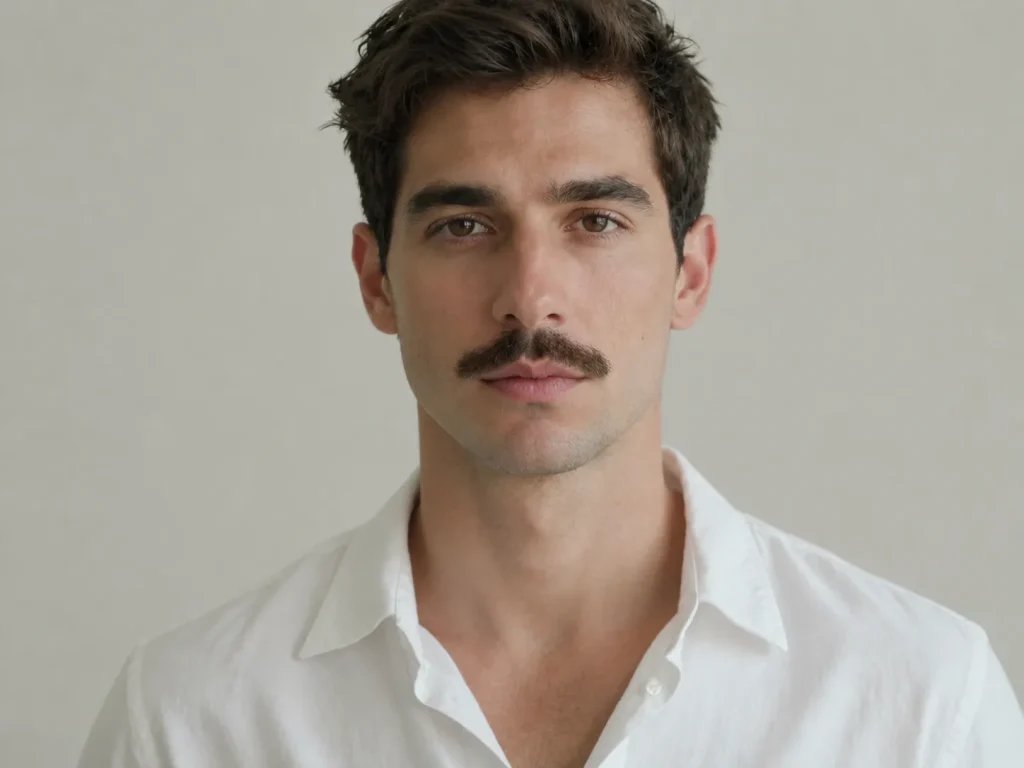
40 ready-to-copy beard prompts
Use these as starting points. Keep the preservation clause when identity matters, and change only the facial-hair variables you actually want to compare.
Add very light natural stubble with visible skin, subtle moustache and chin coverage and a soft jaw transition. Preserve the exact same face, jaw structure, nose, lips, eyes, eyebrows, hairstyle, expression, skin tone, lighting, outfit and background.Add light stubble across moustache, chin and jaw with slightly lower density on the upper cheeks. Preserve the exact same face, jaw structure, nose, lips, eyes, eyebrows, hairstyle, expression, skin tone, lighting, outfit and background.Add a realistic five-o’clock shadow: extremely short dark regrowth with visible skin and no long beard strands. Preserve the exact same face, jaw structure, nose, lips, eyes, eyebrows, hairstyle, expression, skin tone, lighting, outfit and background.Add medium stubble with natural texture, even jaw coverage and a soft cheek boundary. Preserve the exact same face, jaw structure, nose, lips, eyes, eyebrows, hairstyle, expression, skin tone, lighting, outfit and background.Add heavy designer stubble with dense short growth, defined jaw coverage and clean but natural cheek and neck edges. Preserve the exact same face, jaw structure, nose, lips, eyes, eyebrows, hairstyle, expression, skin tone, lighting, outfit and background.Add a short boxed beard with compact length, moderate density, a tidy cheek line and clean neckline. Preserve the exact same face, jaw structure, nose, lips, eyes, eyebrows, hairstyle, expression, skin tone, lighting, outfit and background.Add a polished corporate beard with short even length, controlled cheek line and neatly integrated moustache. Preserve the exact same face, jaw structure, nose, lips, eyes, eyebrows, hairstyle, expression, skin tone, lighting, outfit and background.Add a short tapered beard, fuller at the chin and subtly shorter toward the sideburns. Preserve the exact same face, jaw structure, nose, lips, eyes, eyebrows, hairstyle, expression, skin tone, lighting, outfit and background.Add a short beard with a soft rounded lower silhouette and natural jaw coverage. Preserve the exact same face, jaw structure, nose, lips, eyes, eyebrows, hairstyle, expression, skin tone, lighting, outfit and background.Add a short beard with a slightly squarer lower outline that visually emphasizes the jaw without changing facial structure. Preserve the exact same face, jaw structure, nose, lips, eyes, eyebrows, hairstyle, expression, skin tone, lighting, outfit and background.Continue comparing these beard ideas on the same source portrait for 40 AI Beard Prompts for Realistic Beard, Stubble & Mustache Styles. Identical framing makes differences in density, shape and color much easier to judge.
Add a medium full beard with balanced cheek coverage, natural side volume and moderate chin length. Preserve the exact same face, jaw structure, nose, lips, eyes, eyebrows, hairstyle, expression, skin tone, lighting, outfit and background.Add a classic full beard with even coverage, connected moustache and natural strand direction. Preserve the exact same face, jaw structure, nose, lips, eyes, eyebrows, hairstyle, expression, skin tone, lighting, outfit and background.Add a full but neatly groomed beard with controlled side volume, clean cheek boundary and realistic individual strands. Preserve the exact same face, jaw structure, nose, lips, eyes, eyebrows, hairstyle, expression, skin tone, lighting, outfit and background.Add a fuller rugged beard with slightly varied length, softer boundaries and natural texture. Preserve the exact same face, jaw structure, nose, lips, eyes, eyebrows, hairstyle, expression, skin tone, lighting, outfit and background.Add a ducktail beard with fuller sides tapering toward a longer central point at the chin. Preserve the exact same face, jaw structure, nose, lips, eyes, eyebrows, hairstyle, expression, skin tone, lighting, outfit and background.Add a fuller rounded beard with broad lower volume and a soft curved silhouette. Preserve the exact same face, jaw structure, nose, lips, eyes, eyebrows, hairstyle, expression, skin tone, lighting, outfit and background.Add a classic chin-focused goatee with clean cheeks and a compact natural outline. Preserve the exact same face, jaw structure, nose, lips, eyes, eyebrows, hairstyle, expression, skin tone, lighting, outfit and background.Add a circle beard connecting moustache and chin hair around the mouth with clean cheeks. Preserve the exact same face, jaw structure, nose, lips, eyes, eyebrows, hairstyle, expression, skin tone, lighting, outfit and background.Add a Van Dyke-inspired style with a distinct moustache and pointed chin beard separated by clean skin. Preserve the exact same face, jaw structure, nose, lips, eyes, eyebrows, hairstyle, expression, skin tone, lighting, outfit and background.Add a small centered soul patch below the lower lip while keeping the cheeks and moustache area clean. Preserve the exact same face, jaw structure, nose, lips, eyes, eyebrows, hairstyle, expression, skin tone, lighting, outfit and background.Continue comparing these beard ideas on the same source portrait for 40 AI Beard Prompts for Realistic Beard, Stubble & Mustache Styles. Identical framing makes differences in density, shape and color much easier to judge.
Add a thick chevron mustache with natural strand texture and a clean visible lower lip boundary. Preserve the exact same face, jaw structure, nose, lips, eyes, eyebrows, hairstyle, expression, skin tone, lighting, outfit and background.Add a fuller moustache with gently extended curved ends, keeping the face and lips unchanged. Preserve the exact same face, jaw structure, nose, lips, eyes, eyebrows, hairstyle, expression, skin tone, lighting, outfit and background.Add a thin natural pencil mustache with subtle strand texture, following the upper lip without looking drawn on. Preserve the exact same face, jaw structure, nose, lips, eyes, eyebrows, hairstyle, expression, skin tone, lighting, outfit and background.Add a medium natural moustache with soft edges and realistic density matched to the person’s hair color. Preserve the exact same face, jaw structure, nose, lips, eyes, eyebrows, hairstyle, expression, skin tone, lighting, outfit and background.Add a strong moustache with much lighter short stubble across the cheeks, chin and jaw. Preserve the exact same face, jaw structure, nose, lips, eyes, eyebrows, hairstyle, expression, skin tone, lighting, outfit and background.Add a moustache and chin goatee with clean separation at the corners of the mouth and clean cheeks. Preserve the exact same face, jaw structure, nose, lips, eyes, eyebrows, hairstyle, expression, skin tone, lighting, outfit and background.Keep the exact beard style and change only facial-hair color to natural dark brown with tonal variation. Preserve the exact same face, jaw structure, nose, lips, eyes, eyebrows, hairstyle, expression, skin tone, lighting, outfit and background.Keep geometry unchanged and recolor facial hair to warm medium brown with subtle lighter reflections. Preserve the exact same face, jaw structure, nose, lips, eyes, eyebrows, hairstyle, expression, skin tone, lighting, outfit and background.Keep the beard shape unchanged and recolor it to natural soft black with visible strand highlights and no flat painted areas. Preserve the exact same face, jaw structure, nose, lips, eyes, eyebrows, hairstyle, expression, skin tone, lighting, outfit and background.Keep style unchanged and recolor the beard to natural auburn with mixed red-brown tones. Preserve the exact same face, jaw structure, nose, lips, eyes, eyebrows, hairstyle, expression, skin tone, lighting, outfit and background.Continue comparing these beard ideas on the same source portrait for 40 AI Beard Prompts for Realistic Beard, Stubble & Mustache Styles. Identical framing makes differences in density, shape and color much easier to judge.
Keep facial-hair geometry fixed and recolor to soft copper with realistic darker roots and tonal variation. Preserve the exact same face, jaw structure, nose, lips, eyes, eyebrows, hairstyle, expression, skin tone, lighting, outfit and background.Keep style unchanged and recolor to natural grey with mixed dark and light strands instead of uniform silver. Preserve the exact same face, jaw structure, nose, lips, eyes, eyebrows, hairstyle, expression, skin tone, lighting, outfit and background.Keep the beard silhouette unchanged and create natural salt-and-pepper facial hair with irregular dark and grey strand distribution. Preserve the exact same face, jaw structure, nose, lips, eyes, eyebrows, hairstyle, expression, skin tone, lighting, outfit and background.Keep the same beard style and change color to natural white-grey with subtle shadowed strands and realistic skin contrast. Preserve the exact same face, jaw structure, nose, lips, eyes, eyebrows, hairstyle, expression, skin tone, lighting, outfit and background.Refine the beard into a neatly groomed shape with clean cheek and neck boundaries while preserving realistic strand texture. Preserve the exact same face, jaw structure, nose, lips, eyes, eyebrows, hairstyle, expression, skin tone, lighting, outfit and background.Keep the beard style but soften all boundaries with natural individual hairs and small irregularities. Preserve the exact same face, jaw structure, nose, lips, eyes, eyebrows, hairstyle, expression, skin tone, lighting, outfit and background.Keep beard length and density unchanged but lower the upper cheek line slightly for a cleaner more conservative shape. Preserve the exact same face, jaw structure, nose, lips, eyes, eyebrows, hairstyle, expression, skin tone, lighting, outfit and background.Keep beard style unchanged but allow a slightly higher natural cheek line with soft irregular growth, avoiding a hard graphic edge. Preserve the exact same face, jaw structure, nose, lips, eyes, eyebrows, hairstyle, expression, skin tone, lighting, outfit and background.Keep the same beard overall but add slightly more length and density at the chin while preserving side volume. Preserve the exact same face, jaw structure, nose, lips, eyes, eyebrows, hairstyle, expression, skin tone, lighting, outfit and background.Keep chin length but reduce beard volume on the sides for a narrower, more groomed silhouette. Preserve the exact same face, jaw structure, nose, lips, eyes, eyebrows, hairstyle, expression, skin tone, lighting, outfit and background.A practical step-by-step workflow
Use a controlled sequence when testing AI beard prompts. Start from the original portrait for each major style comparison so identity changes do not accumulate from one generated image to the next.
- 1. Choose a clear adult portrait where cheeks, mouth, chin and jaw are visible.
- 2. Decide the one main facial-hair variable you want to test: style, length, density or color.
- 3. Preserve facial identity, hairstyle, expression, skin tone, camera angle, lighting, clothing and background.
- 4. Generate several candidates and compare overall beard silhouette before zooming into cheek, lip, jaw and neckline details.
- 5. If identity changes, retry from the original. If only the beard edge or color is wrong, make one narrow correction at a time.
Before exporting 40 AI Beard Prompts for Realistic Beard, Stubble & Mustache Styles examples, compare source and result at the same crop. The beard should look attached to the original face and light, not like a separate layer that happens to be in the right location.
Common mistakes to avoid
- Changing beard style, color, face shape and portrait lighting at the same time when you only need to compare facial hair.
- Accepting a beard because the style looks attractive without checking whether lips, jaw, skin texture or nose changed.
- Using a heavily cropped or shadowed source and then expecting precise moustache, cheek and neckline boundaries.
- Treating AI-generated beard density as a prediction of how real facial hair will grow.
- Repairing many unrelated problems on a drifted result instead of retrying from the original portrait.
Related AvaClik beard guides
Use these related guides when the next question is about prompts, source-photo quality, identity preservation, beard realism or repairing a weak result.
- How to Try a Beard on Your Photo With AI: Complete Guide
- How to Change Beard Style Without Changing Your Face
- Best Photos for AI Beard Try-On: Angle, Lighting & Jawline
- How to Make an AI Beard Look Natural: Hair Direction, Density & Edges
Frequently asked questions
Will the AI beard look exactly like my real beard would grow?
No. It is a visual preview. Real facial-hair density, patchiness, growth direction, curl, color and growth rate vary and cannot be inferred perfectly from a generated image.
What kind of photo works best?
A clear front or gentle three-quarter adult portrait with visible cheeks, mouth, chin and jawline is easiest to evaluate.
Can I change beard color in AvaClik?
Yes. The Beard tool supports color choice. For a fair comparison, keep beard shape and density fixed when testing color.
Should I use the result as a barber reference?
You can use it as a visual style reference, but treat it as inspiration rather than a guarantee of how your real facial hair will grow or trim.
Try the beard style in AvaClik
Open AvaClik AI Beard Changer to test the workflow from 40 AI Beard Prompts for Realistic Beard, Stubble & Mustache Styles. Use a photo you have the right to edit, choose a beard or stubble preset, adjust color only when it is part of the comparison, and inspect the generated result before saving.
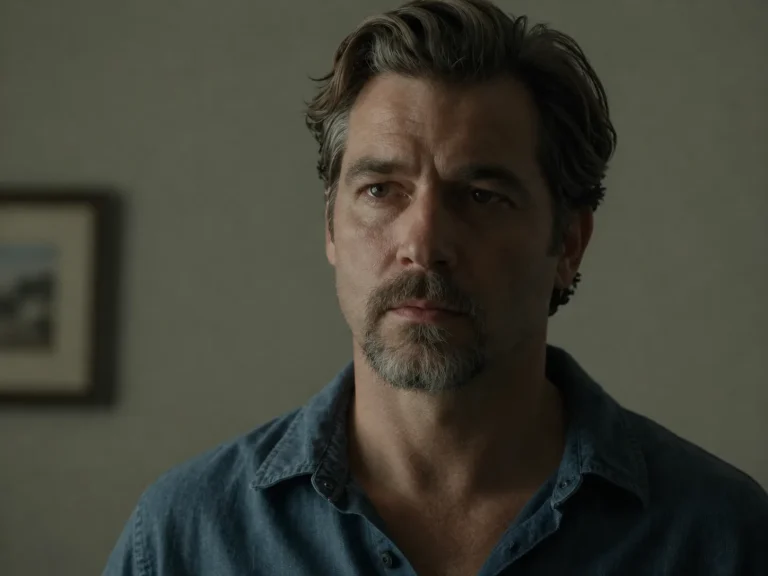
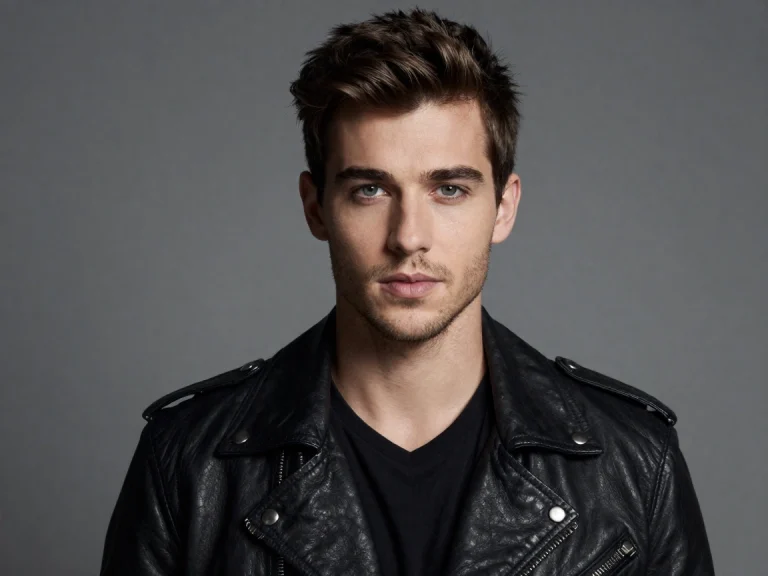
Try this in AvaClik
Try the workflow in AvaClik
Upload a photo you have permission to edit, make a change, check the result and refine it.
Try AvaClik AI Beard Changer ↗