20 Short Beard Styles to Try With AI
Try 20 short beard styles with AI, including boxed, corporate, tapered and neatly trimmed looks with realistic cheek and neckline control.
On this page
Open the AvaClik tool connected to this guide and try it on your photo.
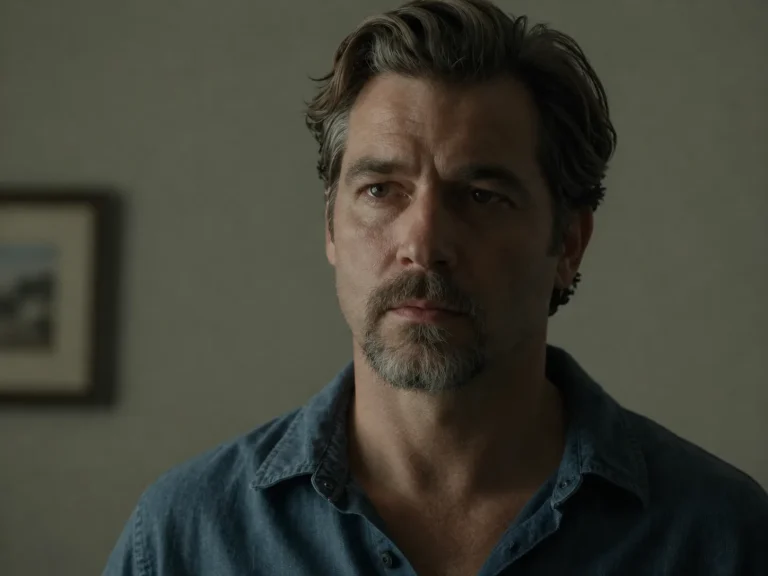
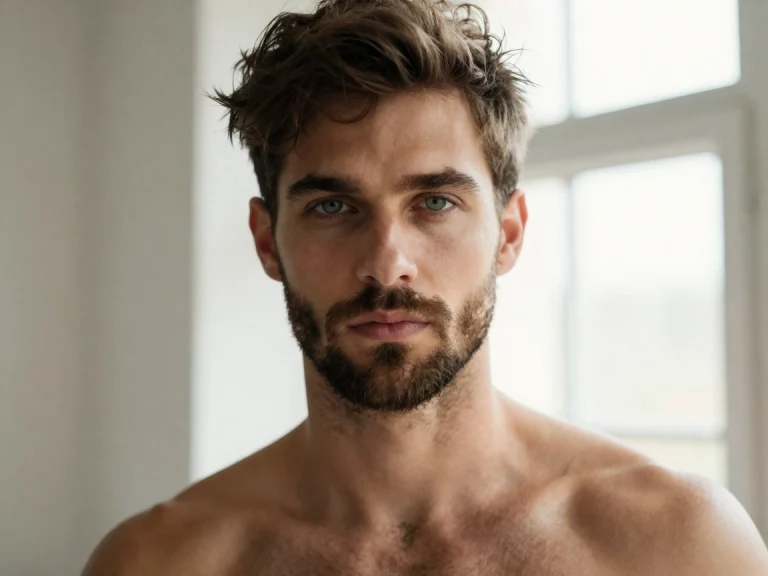
Short beards sit between stubble and full-beard territory: there is enough length to create visible strands and reshape the jaw, but the face still needs clean edges and readable skin. That makes cheek line, neckline and even length especially important.
Quick answer
Describe a short beard by length, density, cheek height, neckline and moustache connection. Keep the hair close enough to the face that jaw structure is still readable, and preserve the original facial features.
Short boxed beard
A boxed beard uses a controlled cheek line and compact length while keeping the jaw clearly defined. A practical test for short boxed beard is to ask what visual evidence the source image provides and what the model has to invent. With AI short beard styles, the safest result keeps the underlying face stable while using the available cheek, mouth, chin and jaw geometry to place new hair. The less the editor has to guess about hidden boundaries, the easier it is to get a believable result.
A boxed beard uses a controlled cheek line and compact length while keeping the jaw clearly defined. For a publishable before-and-after example in 20 Short Beard Styles to Try With AI, keep crop, expression, camera angle and exposure consistent. If the “after” image also receives better skin, a different jaw or a more flattering light, readers cannot tell what the beard operation actually contributed. A fair example isolates the facial-hair change and makes preservation quality visible.
Corporate beard
This style is tidy, moderate in density and usually has a clean moustache and neckline suitable for a polished portrait. Review this section at two scales. At normal viewing size, look for overall beard silhouette, balance and whether the style belongs on the same person. At close zoom, inspect trim length, cheek line, neckline, moustache connection, jaw contour, density and symmetry. Those two views catch different failures: silhouette problems are obvious from a distance, while edge, strand and identity problems usually appear only when you inspect the details.
This style is tidy, moderate in density and usually has a clean moustache and neckline suitable for a polished portrait. Generate more than one candidate when the boundary is difficult. Facial hair contains thousands of small dark-light transitions, and one version may preserve the mouth better while another handles cheek edges or jaw attachment more cleanly. Comparing candidates from the same source is often faster and more reliable than stacking many repair instructions onto a weak first result.
Tapered short beard
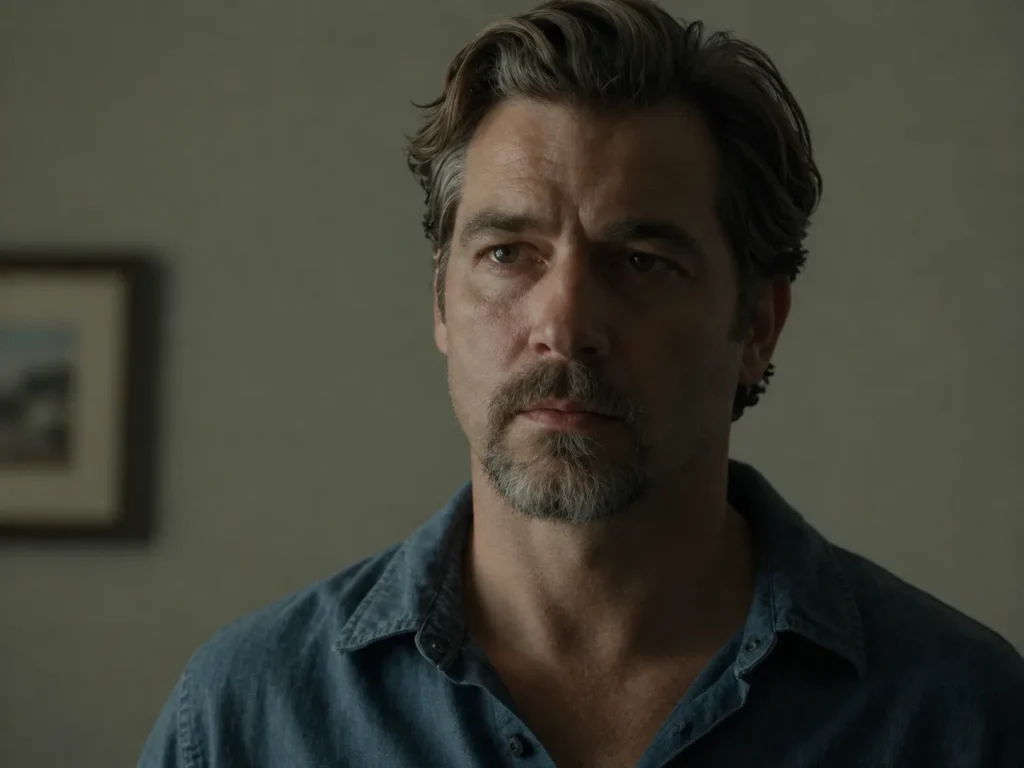
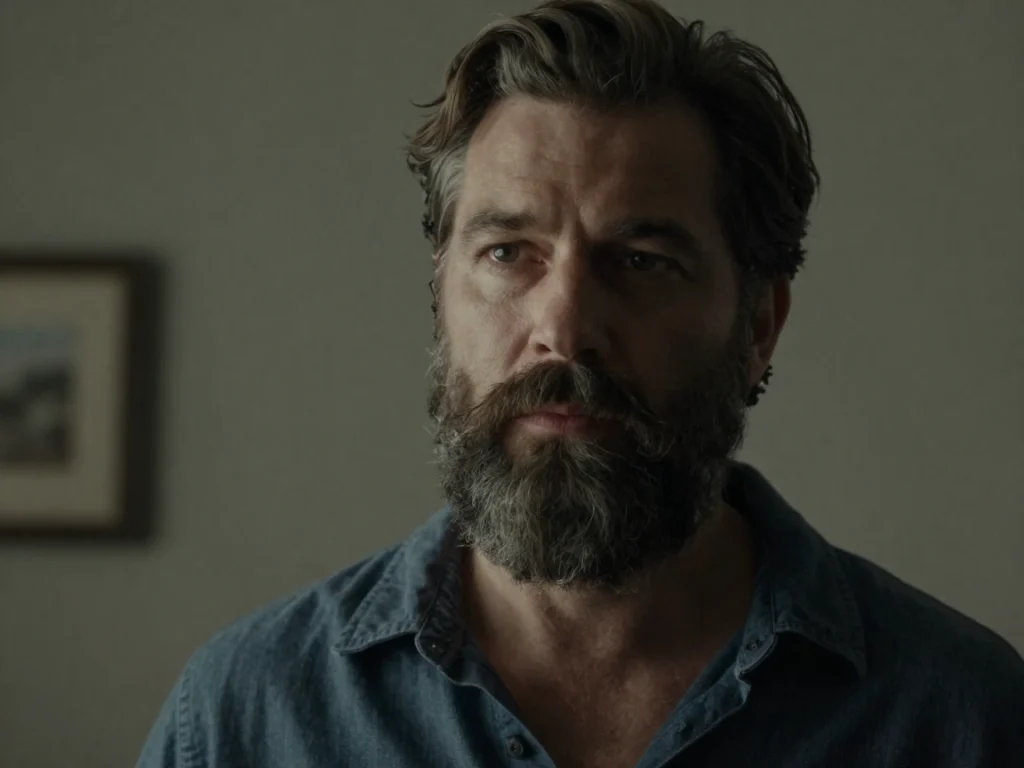
A tapered beard can be fuller at the chin and subtly shorter toward the sideburns for a cleaner transition. For a publishable before-and-after example in 20 Short Beard Styles to Try With AI, keep crop, expression, camera angle and exposure consistent. If the “after” image also receives better skin, a different jaw or a more flattering light, readers cannot tell what the beard operation actually contributed. A fair example isolates the facial-hair change and makes preservation quality visible.
A tapered beard can be fuller at the chin and subtly shorter toward the sideburns for a cleaner transition. In 20 Short Beard Styles to Try With AI, this matters because the goal is to compare tidy short-beard silhouettes without hiding or changing the underlying face. Facial hair sits directly on high-information identity regions, so a visually attractive result can still be wrong if it silently changes the face underneath. Keep the edit narrow and judge the beard against the original portrait rather than judging the new style in isolation.
Rounded short beard
The lower edge follows a soft rounded silhouette rather than a square boxed outline. Generate more than one candidate when the boundary is difficult. Facial hair contains thousands of small dark-light transitions, and one version may preserve the mouth better while another handles cheek edges or jaw attachment more cleanly. Comparing candidates from the same source is often faster and more reliable than stacking many repair instructions onto a weak first result.
The lower edge follows a soft rounded silhouette rather than a square boxed outline. A practical test for rounded short beard is to ask what visual evidence the source image provides and what the model has to invent. With AI short beard styles, the safest result keeps the underlying face stable while using the available cheek, mouth, chin and jaw geometry to place new hair. The less the editor has to guess about hidden boundaries, the easier it is to get a believable result.
Square short beard
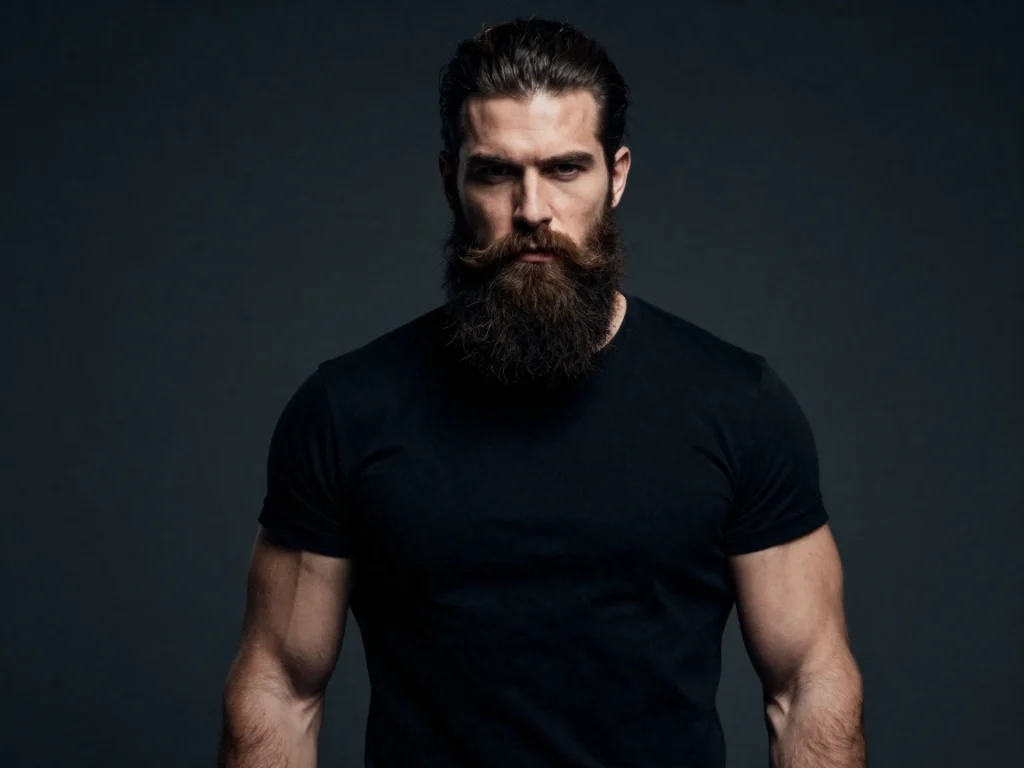
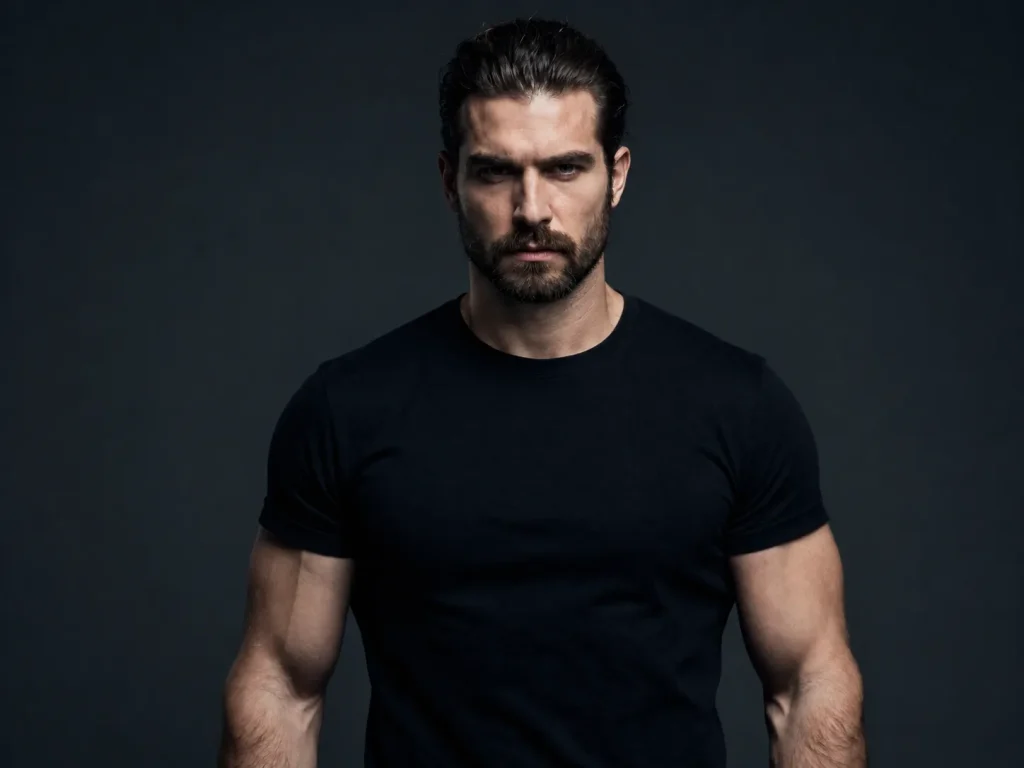
The chin and jaw corners can read broader when the lower beard edge is kept more angular. In 20 Short Beard Styles to Try With AI, this matters because the goal is to compare tidy short-beard silhouettes without hiding or changing the underlying face. Facial hair sits directly on high-information identity regions, so a visually attractive result can still be wrong if it silently changes the face underneath. Keep the edit narrow and judge the beard against the original portrait rather than judging the new style in isolation.
The chin and jaw corners can read broader when the lower beard edge is kept more angular. Review this section at two scales. At normal viewing size, look for overall beard silhouette, balance and whether the style belongs on the same person. At close zoom, inspect trim length, cheek line, neckline, moustache connection, jaw contour, density and symmetry. Those two views catch different failures: silhouette problems are obvious from a distance, while edge, strand and identity problems usually appear only when you inspect the details.
Moustache integration
Short beards look more coherent when moustache density and length belong to the same grooming level as the cheeks and chin. A practical test for moustache integration is to ask what visual evidence the source image provides and what the model has to invent. With AI short beard styles, the safest result keeps the underlying face stable while using the available cheek, mouth, chin and jaw geometry to place new hair. The less the editor has to guess about hidden boundaries, the easier it is to get a believable result.
Short beards look more coherent when moustache density and length belong to the same grooming level as the cheeks and chin. For a publishable before-and-after example in 20 Short Beard Styles to Try With AI, keep crop, expression, camera angle and exposure consistent. If the “after” image also receives better skin, a different jaw or a more flattering light, readers cannot tell what the beard operation actually contributed. A fair example isolates the facial-hair change and makes preservation quality visible.
Blend sideburns into the hairstyle
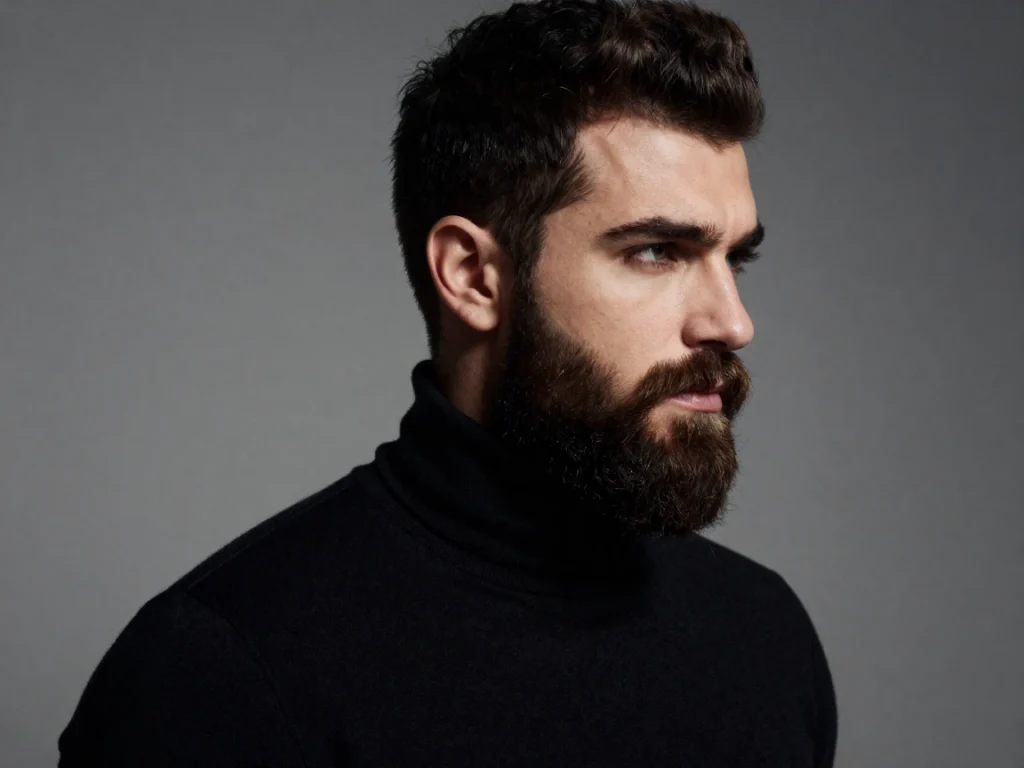
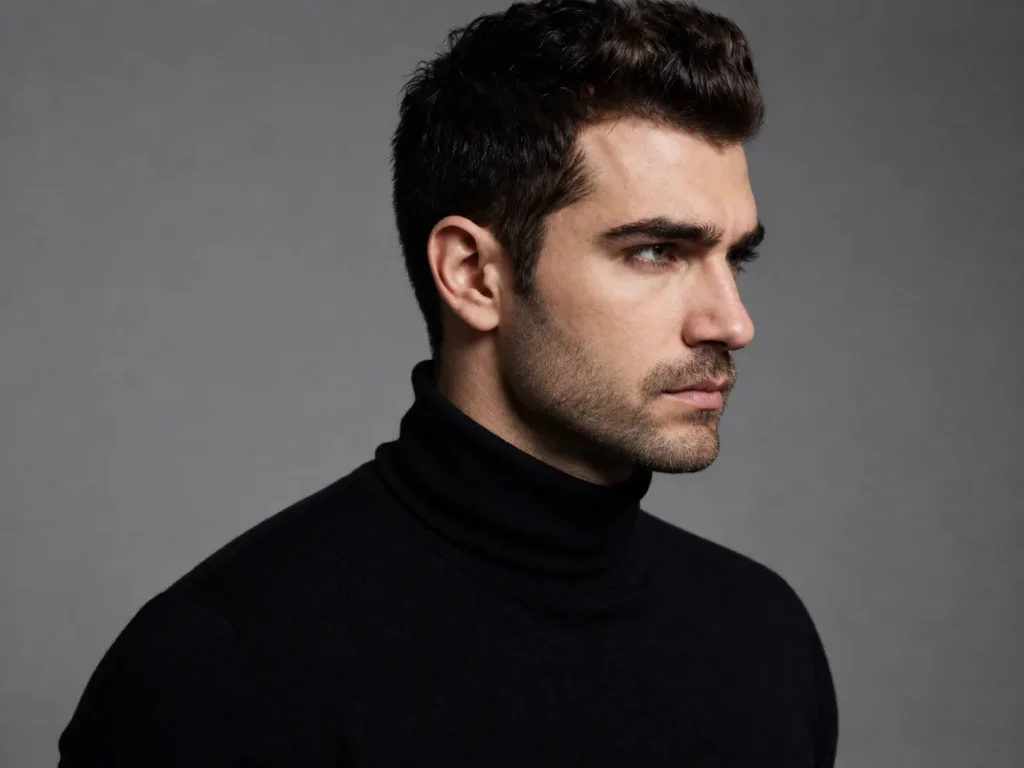
The beard-to-hair transition near the ears should not become a sudden digital seam. Review this section at two scales. At normal viewing size, look for overall beard silhouette, balance and whether the style belongs on the same person. At close zoom, inspect trim length, cheek line, neckline, moustache connection, jaw contour, density and symmetry. Those two views catch different failures: silhouette problems are obvious from a distance, while edge, strand and identity problems usually appear only when you inspect the details.
The beard-to-hair transition near the ears should not become a sudden digital seam. Generate more than one candidate when the boundary is difficult. Facial hair contains thousands of small dark-light transitions, and one version may preserve the mouth better while another handles cheek edges or jaw attachment more cleanly. Comparing candidates from the same source is often faster and more reliable than stacking many repair instructions onto a weak first result.
Keep the neckline clean but natural
A very high neckline can shrink the beard while a very low one can make a short style look untrimmed. For a publishable before-and-after example in 20 Short Beard Styles to Try With AI, keep crop, expression, camera angle and exposure consistent. If the “after” image also receives better skin, a different jaw or a more flattering light, readers cannot tell what the beard operation actually contributed. A fair example isolates the facial-hair change and makes preservation quality visible.
A very high neckline can shrink the beard while a very low one can make a short style look untrimmed. In 20 Short Beard Styles to Try With AI, this matters because the goal is to compare tidy short-beard silhouettes without hiding or changing the underlying face. Facial hair sits directly on high-information identity regions, so a visually attractive result can still be wrong if it silently changes the face underneath. Keep the edit narrow and judge the beard against the original portrait rather than judging the new style in isolation.
Keep short-beard color dimensional
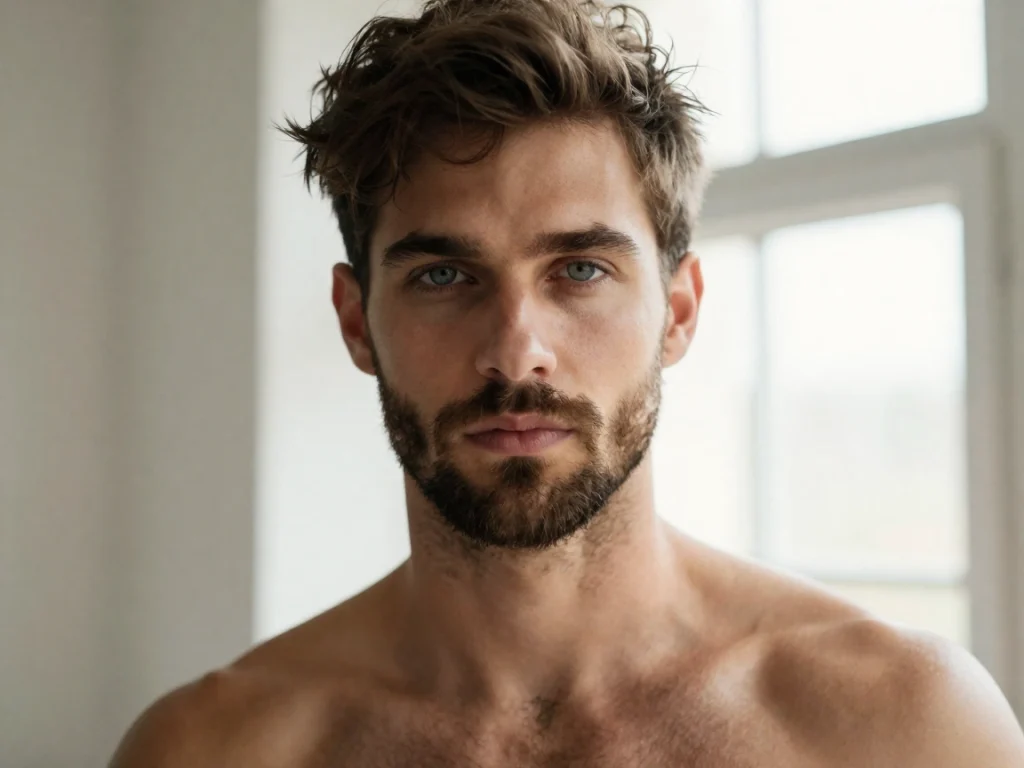
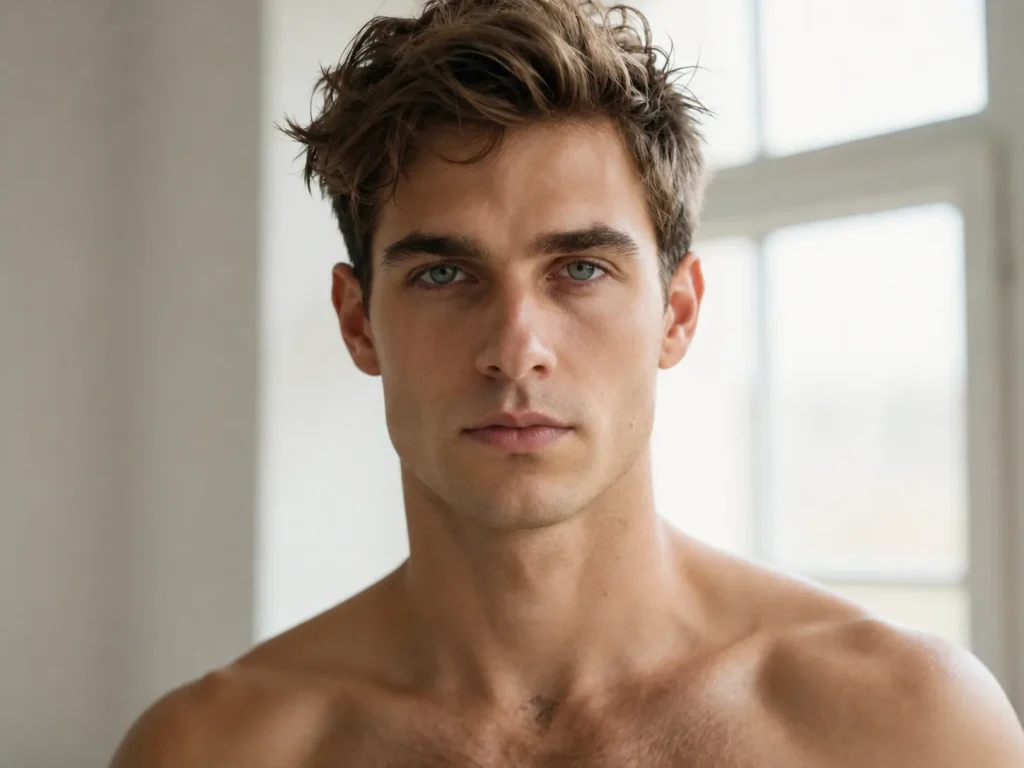
Even trimmed hair should contain small tonal changes rather than one flat block of color. Generate more than one candidate when the boundary is difficult. Facial hair contains thousands of small dark-light transitions, and one version may preserve the mouth better while another handles cheek edges or jaw attachment more cleanly. Comparing candidates from the same source is often faster and more reliable than stacking many repair instructions onto a weak first result.
Even trimmed hair should contain small tonal changes rather than one flat block of color. A practical test for keep short-beard color dimensional is to ask what visual evidence the source image provides and what the model has to invent. With AI short beard styles, the safest result keeps the underlying face stable while using the available cheek, mouth, chin and jaw geometry to place new hair. The less the editor has to guess about hidden boundaries, the easier it is to get a believable result.
Compare style shape before tiny grooming details
Choose the overall silhouette first, then refine cheek height or moustache thickness only after the main beard shape works. In 20 Short Beard Styles to Try With AI, this matters because the goal is to compare tidy short-beard silhouettes without hiding or changing the underlying face. Facial hair sits directly on high-information identity regions, so a visually attractive result can still be wrong if it silently changes the face underneath. Keep the edit narrow and judge the beard against the original portrait rather than judging the new style in isolation.
Choose the overall silhouette first, then refine cheek height or moustache thickness only after the main beard shape works. Review this section at two scales. At normal viewing size, look for overall beard silhouette, balance and whether the style belongs on the same person. At close zoom, inspect trim length, cheek line, neckline, moustache connection, jaw contour, density and symmetry. Those two views catch different failures: silhouette problems are obvious from a distance, while edge, strand and identity problems usually appear only when you inspect the details.
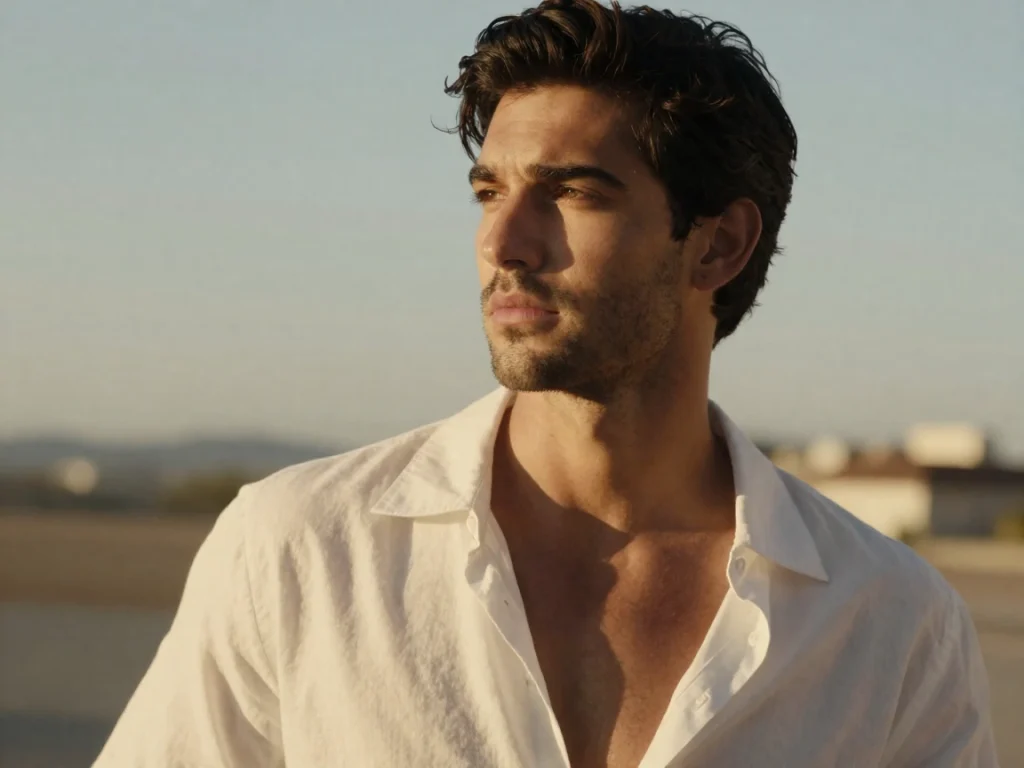
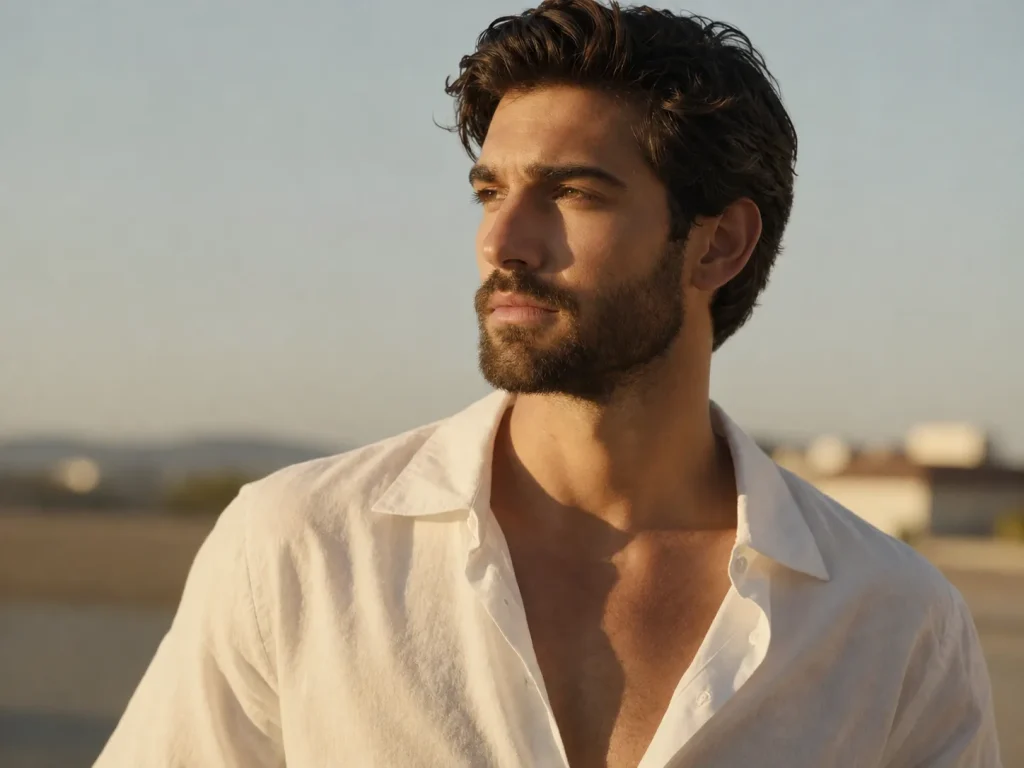
20 ready-to-copy beard prompts
Use these as starting points. Keep the preservation clause when identity matters, and change only the facial-hair variables you actually want to compare.
Add a short boxed beard with realistic short facial-hair texture, believable cheek and neckline boundaries and natural density variation. Preserve the exact same face, jaw structure, nose, lips, eyes, eyebrows, hairstyle, expression, skin tone, lighting, outfit and background.Add a corporate beard with realistic short facial-hair texture, believable cheek and neckline boundaries and natural density variation. Preserve the exact same face, jaw structure, nose, lips, eyes, eyebrows, hairstyle, expression, skin tone, lighting, outfit and background.Add a tapered short beard with realistic short facial-hair texture, believable cheek and neckline boundaries and natural density variation. Preserve the exact same face, jaw structure, nose, lips, eyes, eyebrows, hairstyle, expression, skin tone, lighting, outfit and background.Add a rounded short beard with realistic short facial-hair texture, believable cheek and neckline boundaries and natural density variation. Preserve the exact same face, jaw structure, nose, lips, eyes, eyebrows, hairstyle, expression, skin tone, lighting, outfit and background.Add a square short beard with realistic short facial-hair texture, believable cheek and neckline boundaries and natural density variation. Preserve the exact same face, jaw structure, nose, lips, eyes, eyebrows, hairstyle, expression, skin tone, lighting, outfit and background.Add a short full beard with realistic short facial-hair texture, believable cheek and neckline boundaries and natural density variation. Preserve the exact same face, jaw structure, nose, lips, eyes, eyebrows, hairstyle, expression, skin tone, lighting, outfit and background.Add a short rugged beard with realistic short facial-hair texture, believable cheek and neckline boundaries and natural density variation. Preserve the exact same face, jaw structure, nose, lips, eyes, eyebrows, hairstyle, expression, skin tone, lighting, outfit and background.Add a short groomed beard with realistic short facial-hair texture, believable cheek and neckline boundaries and natural density variation. Preserve the exact same face, jaw structure, nose, lips, eyes, eyebrows, hairstyle, expression, skin tone, lighting, outfit and background.Add a close-cropped beard with realistic short facial-hair texture, believable cheek and neckline boundaries and natural density variation. Preserve the exact same face, jaw structure, nose, lips, eyes, eyebrows, hairstyle, expression, skin tone, lighting, outfit and background.Add a high cheek short beard with realistic short facial-hair texture, believable cheek and neckline boundaries and natural density variation. Preserve the exact same face, jaw structure, nose, lips, eyes, eyebrows, hairstyle, expression, skin tone, lighting, outfit and background.Continue comparing these beard ideas on the same source portrait for 20 Short Beard Styles to Try With AI. Identical framing makes differences in density, shape and color much easier to judge.
Add a low cheek short beard with realistic short facial-hair texture, believable cheek and neckline boundaries and natural density variation. Preserve the exact same face, jaw structure, nose, lips, eyes, eyebrows, hairstyle, expression, skin tone, lighting, outfit and background.Add a short beard with strong moustache with realistic short facial-hair texture, believable cheek and neckline boundaries and natural density variation. Preserve the exact same face, jaw structure, nose, lips, eyes, eyebrows, hairstyle, expression, skin tone, lighting, outfit and background.Add a short beard with subtle moustache with realistic short facial-hair texture, believable cheek and neckline boundaries and natural density variation. Preserve the exact same face, jaw structure, nose, lips, eyes, eyebrows, hairstyle, expression, skin tone, lighting, outfit and background.Add a short beard fuller at chin with realistic short facial-hair texture, believable cheek and neckline boundaries and natural density variation. Preserve the exact same face, jaw structure, nose, lips, eyes, eyebrows, hairstyle, expression, skin tone, lighting, outfit and background.Add a short beard closer on sides with realistic short facial-hair texture, believable cheek and neckline boundaries and natural density variation. Preserve the exact same face, jaw structure, nose, lips, eyes, eyebrows, hairstyle, expression, skin tone, lighting, outfit and background.Add a short beard with soft neckline with realistic short facial-hair texture, believable cheek and neckline boundaries and natural density variation. Preserve the exact same face, jaw structure, nose, lips, eyes, eyebrows, hairstyle, expression, skin tone, lighting, outfit and background.Add a short salt-and-pepper beard with realistic short facial-hair texture, believable cheek and neckline boundaries and natural density variation. Preserve the exact same face, jaw structure, nose, lips, eyes, eyebrows, hairstyle, expression, skin tone, lighting, outfit and background.Add a short dark brown beard with realistic short facial-hair texture, believable cheek and neckline boundaries and natural density variation. Preserve the exact same face, jaw structure, nose, lips, eyes, eyebrows, hairstyle, expression, skin tone, lighting, outfit and background.Add a short auburn beard with realistic short facial-hair texture, believable cheek and neckline boundaries and natural density variation. Preserve the exact same face, jaw structure, nose, lips, eyes, eyebrows, hairstyle, expression, skin tone, lighting, outfit and background.Add a short natural uneven beard with realistic short facial-hair texture, believable cheek and neckline boundaries and natural density variation. Preserve the exact same face, jaw structure, nose, lips, eyes, eyebrows, hairstyle, expression, skin tone, lighting, outfit and background.A practical step-by-step workflow
Use a controlled sequence when testing AI short beard styles. Start from the original portrait for each major style comparison so identity changes do not accumulate from one generated image to the next.
- 1. Choose a clear adult portrait where cheeks, mouth, chin and jaw are visible.
- 2. Decide the one main facial-hair variable you want to test: style, length, density or color.
- 3. Preserve facial identity, hairstyle, expression, skin tone, camera angle, lighting, clothing and background.
- 4. Generate several candidates and compare overall beard silhouette before zooming into cheek, lip, jaw and neckline details.
- 5. If identity changes, retry from the original. If only the beard edge or color is wrong, make one narrow correction at a time.
Before exporting 20 Short Beard Styles to Try With AI examples, compare source and result at the same crop. The beard should look attached to the original face and light, not like a separate layer that happens to be in the right location.
Common mistakes to avoid
- Changing beard style, color, face shape and portrait lighting at the same time when you only need to compare facial hair.
- Accepting a beard because the style looks attractive without checking whether lips, jaw, skin texture or nose changed.
- Using a heavily cropped or shadowed source and then expecting precise moustache, cheek and neckline boundaries.
- Treating AI-generated beard density as a prediction of how real facial hair will grow.
- Repairing many unrelated problems on a drifted result instead of retrying from the original portrait.
Related AvaClik beard guides
Use these related guides when the next question is about prompts, source-photo quality, identity preservation, beard realism or repairing a weak result.
- How to Try a Beard on Your Photo With AI: Complete Guide
- 40 AI Beard Prompts for Realistic Beard, Stubble & Mustache Styles
- How to Change Beard Style Without Changing Your Face
- Best Photos for AI Beard Try-On: Angle, Lighting & Jawline
Frequently asked questions
Will the AI beard look exactly like my real beard would grow?
No. It is a visual preview. Real facial-hair density, patchiness, growth direction, curl, color and growth rate vary and cannot be inferred perfectly from a generated image.
What kind of photo works best?
A clear front or gentle three-quarter adult portrait with visible cheeks, mouth, chin and jawline is easiest to evaluate.
Can I change beard color in AvaClik?
Yes. The Beard tool supports color choice. For a fair comparison, keep beard shape and density fixed when testing color.
Should I use the result as a barber reference?
You can use it as a visual style reference, but treat it as inspiration rather than a guarantee of how your real facial hair will grow or trim.
Try the beard style in AvaClik
Open AvaClik AI Beard Changer to test the workflow from 20 Short Beard Styles to Try With AI. Use a photo you have the right to edit, choose a beard or stubble preset, adjust color only when it is part of the comparison, and inspect the generated result before saving.
Try this in AvaClik
Try the workflow in AvaClik
Upload a photo you have permission to edit, make a change, check the result and refine it.
Try AvaClik AI Beard Changer ↗