How to Fix Bad AI Beard Edits: Lips, Jawline, Hairline & Color
Fix common AI beard problems including face drift, painted edges, covered lips, floating facial hair, wrong color, uneven density and broken sideburns.
On this page
Open the AvaClik tool connected to this guide and try it on your photo.
Most weak beard edits can be diagnosed by separating identity failures from facial-hair failures. If the face itself changed, restart from the original. If the face is stable but the beard boundary, density or color looks wrong, a narrow correction is usually enough.
Quick answer
Classify the problem first: face drift, cheek line, lip/moustache area, jaw attachment, neckline, density, color, sideburns or lighting. Fix one class at a time and compare against the original portrait after every retry.
The face changed
If nose, lips, jaw, eyes or skin changed, do not keep polishing the beard on top of the drifted face. Restart from the source with a facial-hair-only instruction. A practical test for the face changed is to ask what visual evidence the source image provides and what the model has to invent. With fix bad AI beard edit, the safest result keeps the underlying face stable while using the available cheek, mouth, chin and jaw geometry to place new hair. The less the editor has to guess about hidden boundaries, the easier it is to get a believable result.
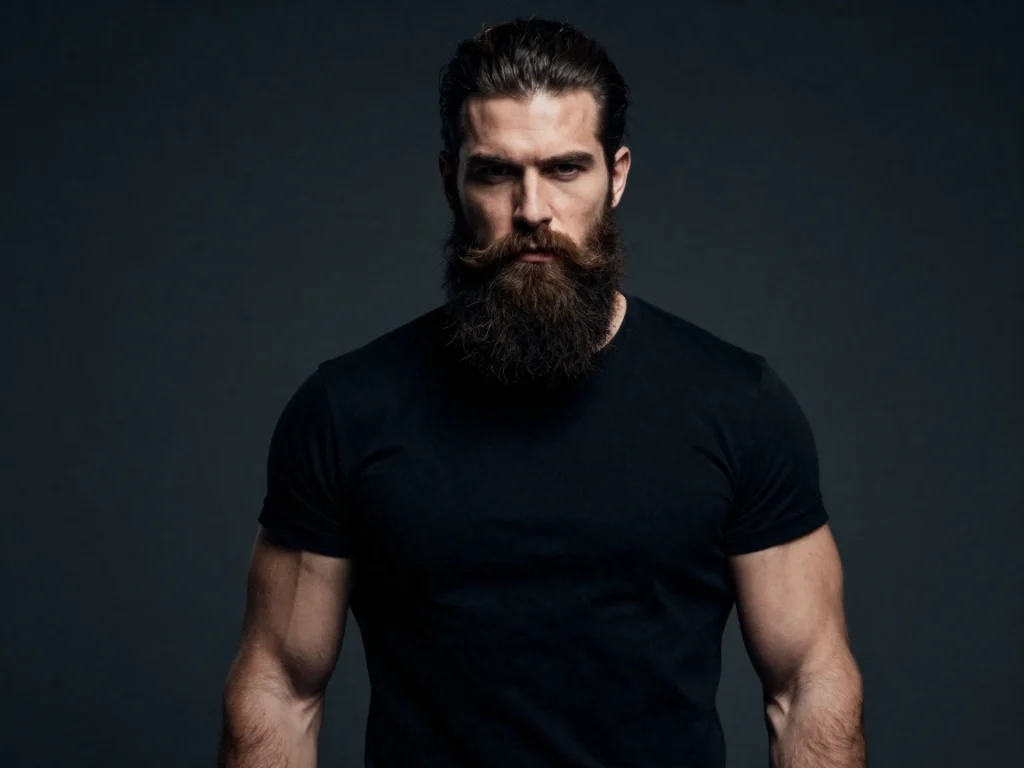
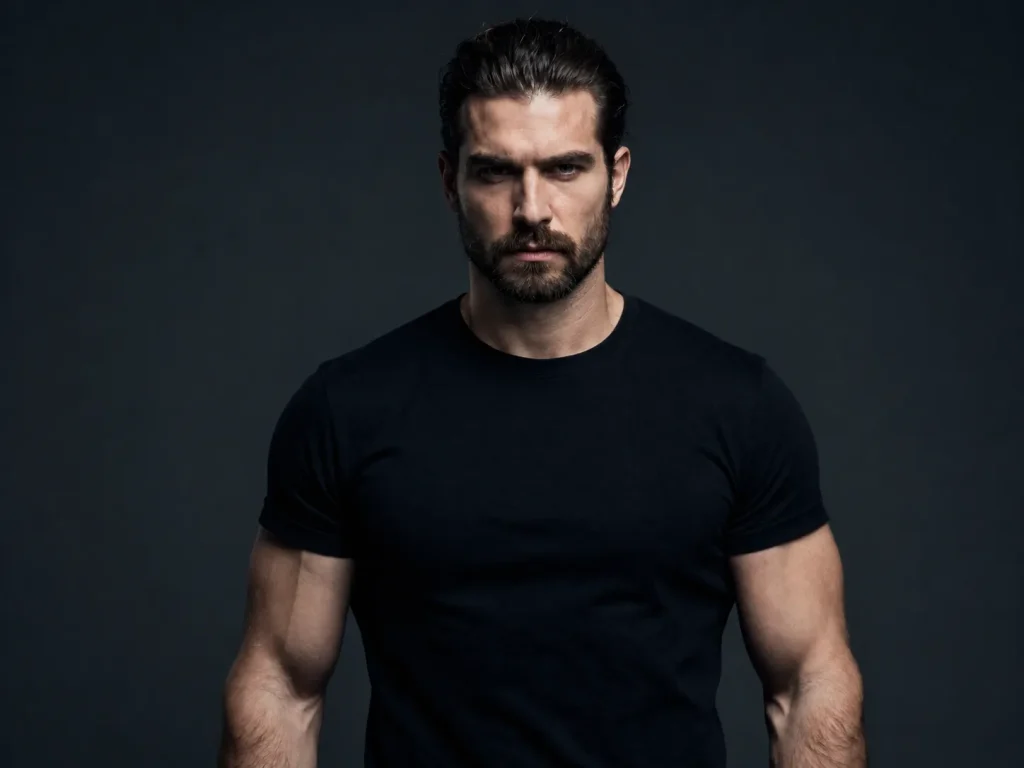
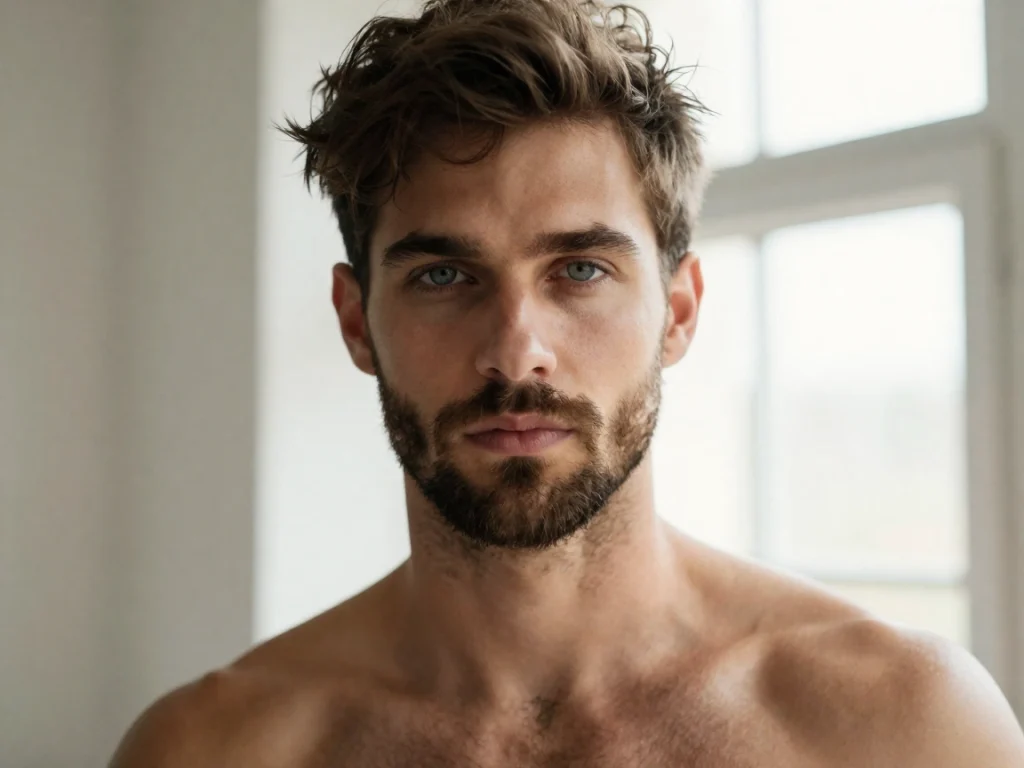
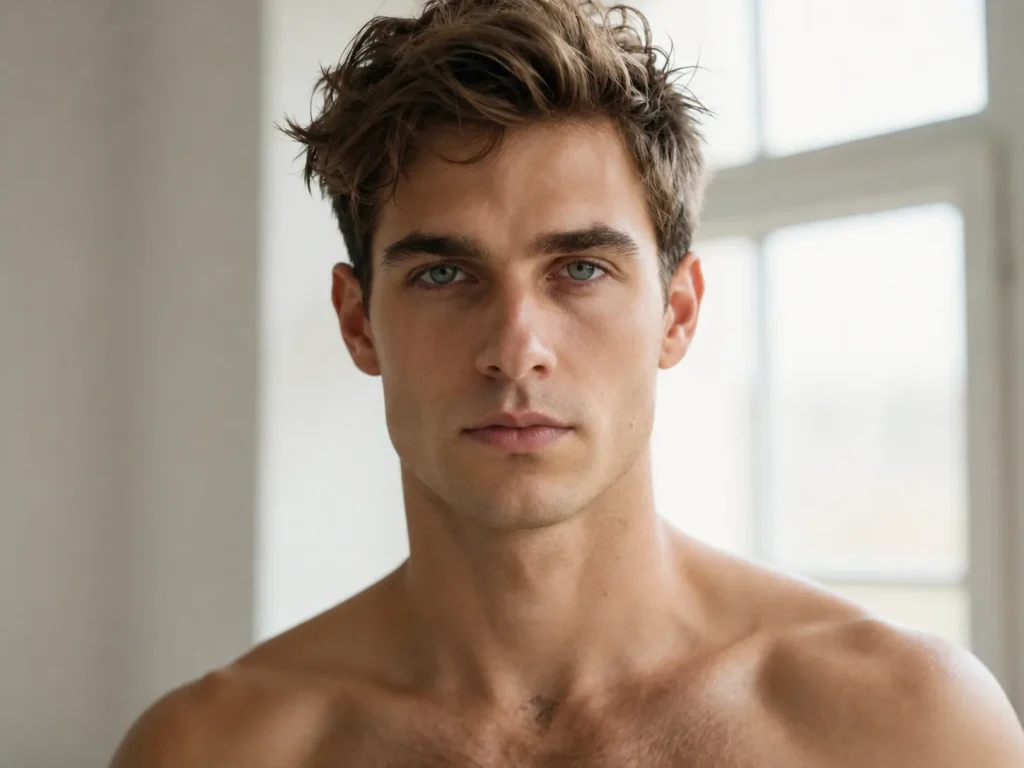
If nose, lips, jaw, eyes or skin changed, do not keep polishing the beard on top of the drifted face. Restart from the source with a facial-hair-only instruction. For a publishable before-and-after example in How to Fix Bad AI Beard Edits: Lips, Jawline, Hairline & Color, keep crop, expression, camera angle and exposure consistent. If the “after” image also receives better skin, a different jaw or a more flattering light, readers cannot tell what the beard operation actually contributed. A fair example isolates the facial-hair change and makes preservation quality visible.
The cheek line looks painted
A perfectly straight or high-contrast edge can make the beard look like a mask. Ask for a softer natural transition with subtle irregularity. Review this section at two scales. At normal viewing size, look for overall beard silhouette, balance and whether the style belongs on the same person. At close zoom, inspect identity, cheek line, lip boundary, moustache, sideburns, jaw/neck attachment, density, color and lighting. Those two views catch different failures: silhouette problems are obvious from a distance, while edge, strand and identity problems usually appear only when you inspect the details.
A perfectly straight or high-contrast edge can make the beard look like a mask. Ask for a softer natural transition with subtle irregularity. Generate more than one candidate when the boundary is difficult. Facial hair contains thousands of small dark-light transitions, and one version may preserve the mouth better while another handles cheek edges or jaw attachment more cleanly. Comparing candidates from the same source is often faster and more reliable than stacking many repair instructions onto a weak first result.
The moustache covers or changes the lips
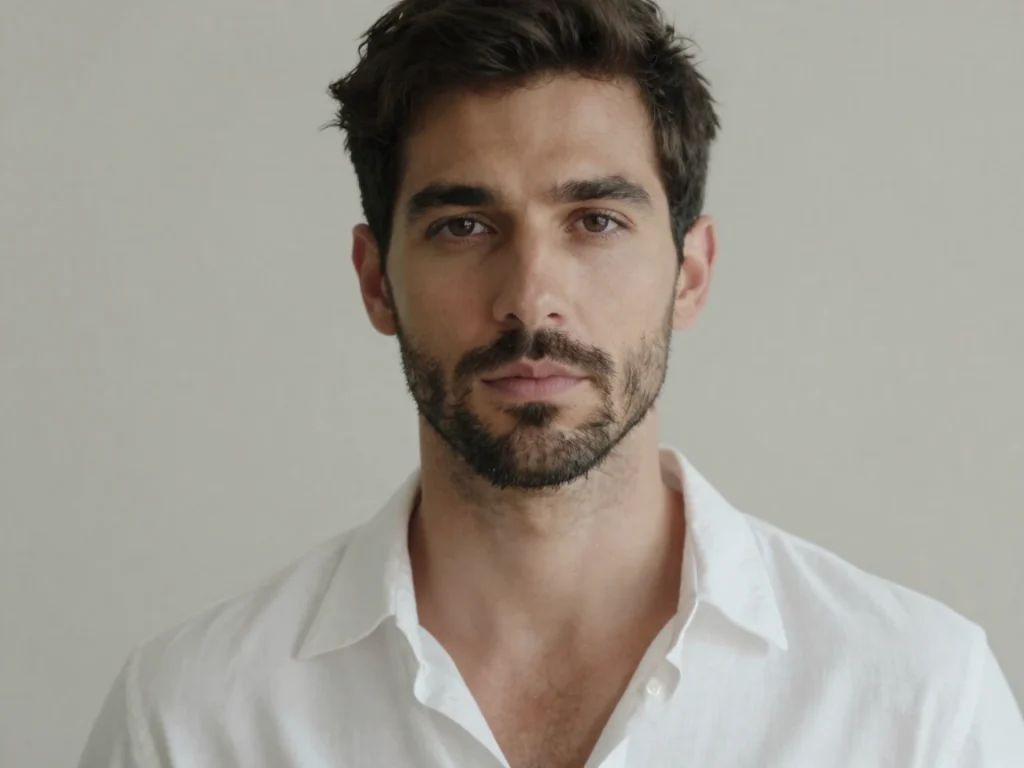
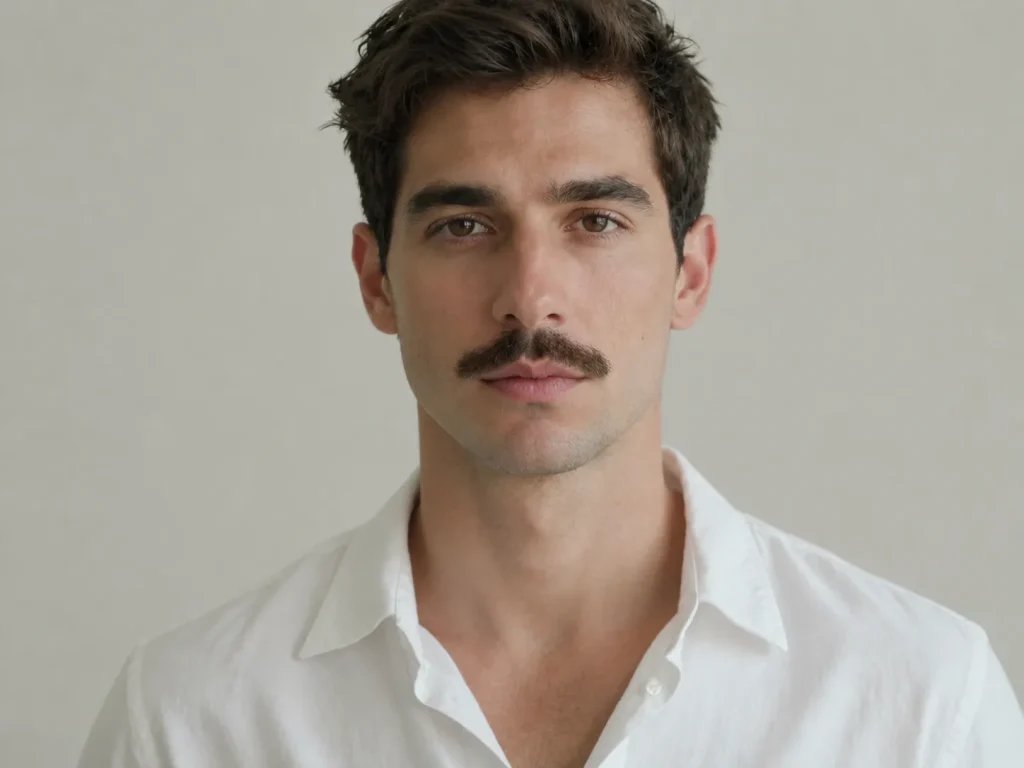
Reduce moustache length or density near the lip line while explicitly preserving mouth shape and expression. For a publishable before-and-after example in How to Fix Bad AI Beard Edits: Lips, Jawline, Hairline & Color, keep crop, expression, camera angle and exposure consistent. If the “after” image also receives better skin, a different jaw or a more flattering light, readers cannot tell what the beard operation actually contributed. A fair example isolates the facial-hair change and makes preservation quality visible.
Reduce moustache length or density near the lip line while explicitly preserving mouth shape and expression. In How to Fix Bad AI Beard Edits: Lips, Jawline, Hairline & Color, this matters because the goal is to repair one specific beard failure without introducing new changes elsewhere in the portrait. Facial hair sits directly on high-information identity regions, so a visually attractive result can still be wrong if it silently changes the face underneath. Keep the edit narrow and judge the beard against the original portrait rather than judging the new style in isolation.
The beard looks detached from the jaw
Correct hair direction, contact shadows and the way the beard wraps around the chin and lower face. Generate more than one candidate when the boundary is difficult. Facial hair contains thousands of small dark-light transitions, and one version may preserve the mouth better while another handles cheek edges or jaw attachment more cleanly. Comparing candidates from the same source is often faster and more reliable than stacking many repair instructions onto a weak first result.
Correct hair direction, contact shadows and the way the beard wraps around the chin and lower face. A practical test for the beard looks detached from the jaw is to ask what visual evidence the source image provides and what the model has to invent. With fix bad AI beard edit, the safest result keeps the underlying face stable while using the available cheek, mouth, chin and jaw geometry to place new hair. The less the editor has to guess about hidden boundaries, the easier it is to get a believable result.
The neckline is too high, too low or flat
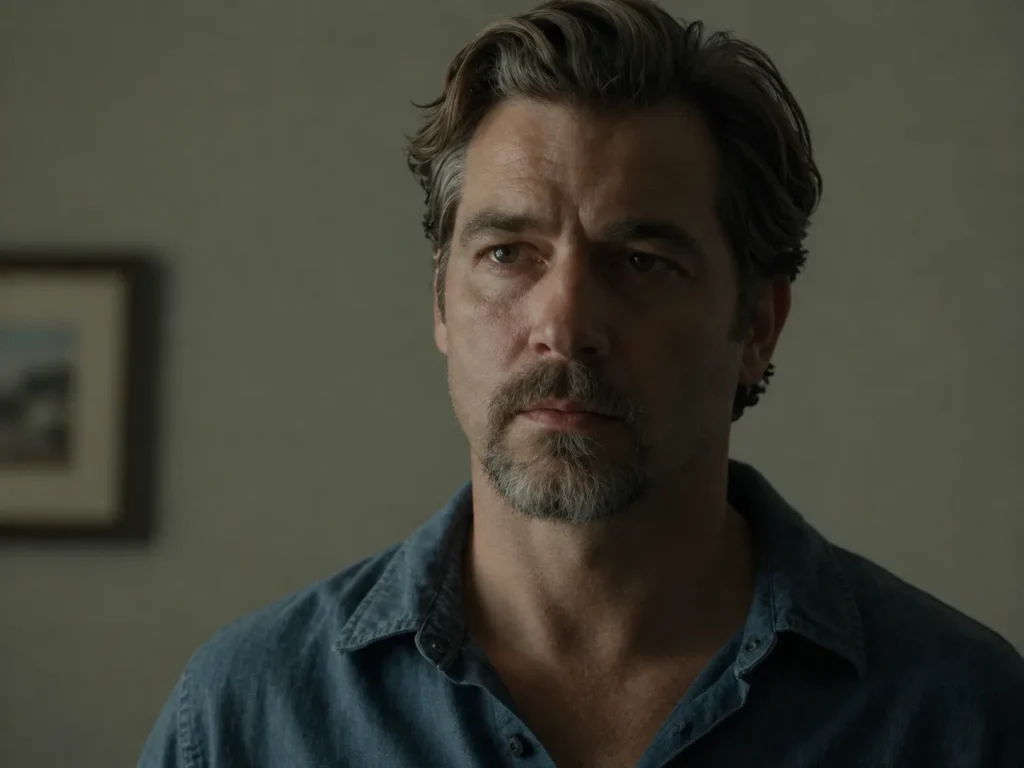
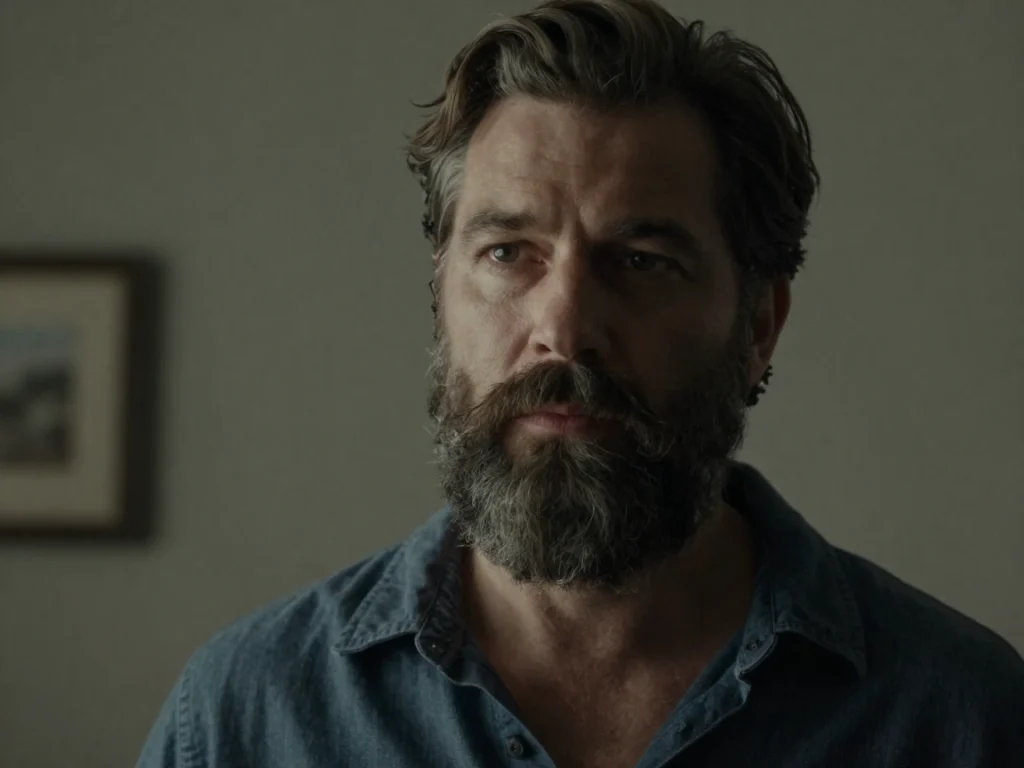
Ask for a grooming-appropriate neckline that follows the underside of the jaw and neck anatomy. In How to Fix Bad AI Beard Edits: Lips, Jawline, Hairline & Color, this matters because the goal is to repair one specific beard failure without introducing new changes elsewhere in the portrait. Facial hair sits directly on high-information identity regions, so a visually attractive result can still be wrong if it silently changes the face underneath. Keep the edit narrow and judge the beard against the original portrait rather than judging the new style in isolation.
Ask for a grooming-appropriate neckline that follows the underside of the jaw and neck anatomy. Review this section at two scales. At normal viewing size, look for overall beard silhouette, balance and whether the style belongs on the same person. At close zoom, inspect identity, cheek line, lip boundary, moustache, sideburns, jaw/neck attachment, density, color and lighting. Those two views catch different failures: silhouette problems are obvious from a distance, while edge, strand and identity problems usually appear only when you inspect the details.
Sideburns do not connect to hair naturally
Blend facial hair into sideburns while keeping the hairstyle itself unchanged. A practical test for sideburns do not connect to hair naturally is to ask what visual evidence the source image provides and what the model has to invent. With fix bad AI beard edit, the safest result keeps the underlying face stable while using the available cheek, mouth, chin and jaw geometry to place new hair. The less the editor has to guess about hidden boundaries, the easier it is to get a believable result.
Blend facial hair into sideburns while keeping the hairstyle itself unchanged. For a publishable before-and-after example in How to Fix Bad AI Beard Edits: Lips, Jawline, Hairline & Color, keep crop, expression, camera angle and exposure consistent. If the “after” image also receives better skin, a different jaw or a more flattering light, readers cannot tell what the beard operation actually contributed. A fair example isolates the facial-hair change and makes preservation quality visible.
Density is too uniform
Introduce gradual variation across cheeks, chin and moustache and preserve some visible skin where appropriate. Review this section at two scales. At normal viewing size, look for overall beard silhouette, balance and whether the style belongs on the same person. At close zoom, inspect identity, cheek line, lip boundary, moustache, sideburns, jaw/neck attachment, density, color and lighting. Those two views catch different failures: silhouette problems are obvious from a distance, while edge, strand and identity problems usually appear only when you inspect the details.
Introduce gradual variation across cheeks, chin and moustache and preserve some visible skin where appropriate. Generate more than one candidate when the boundary is difficult. Facial hair contains thousands of small dark-light transitions, and one version may preserve the mouth better while another handles cheek edges or jaw attachment more cleanly. Comparing candidates from the same source is often faster and more reliable than stacking many repair instructions onto a weak first result.
The beard color looks fake
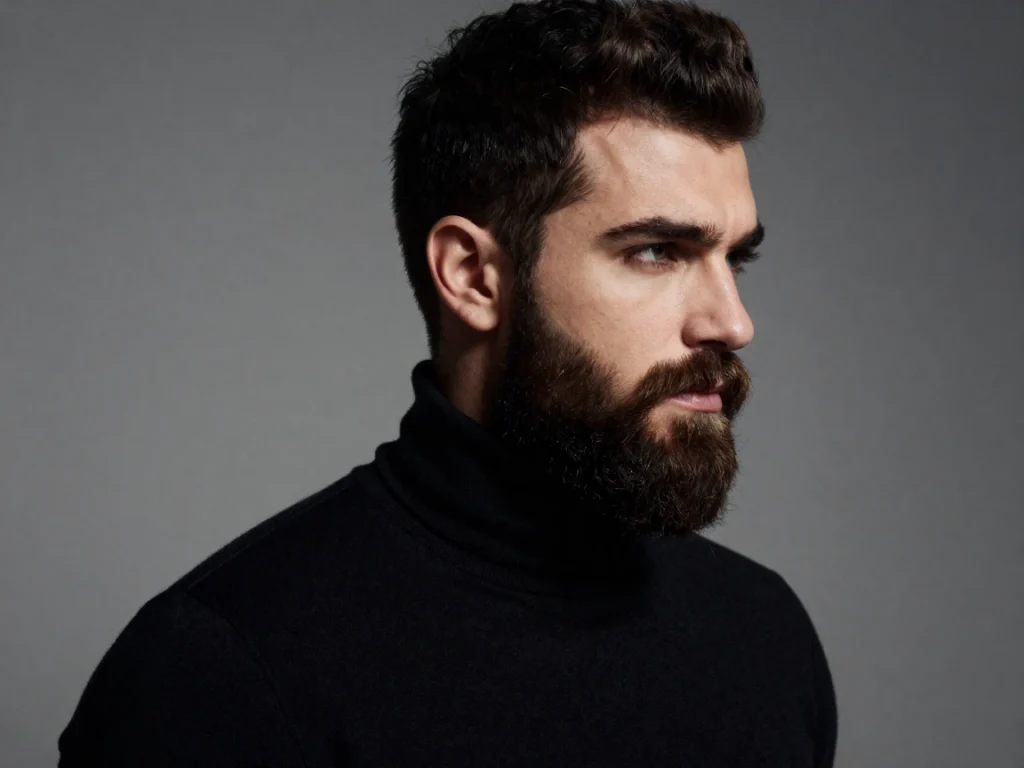
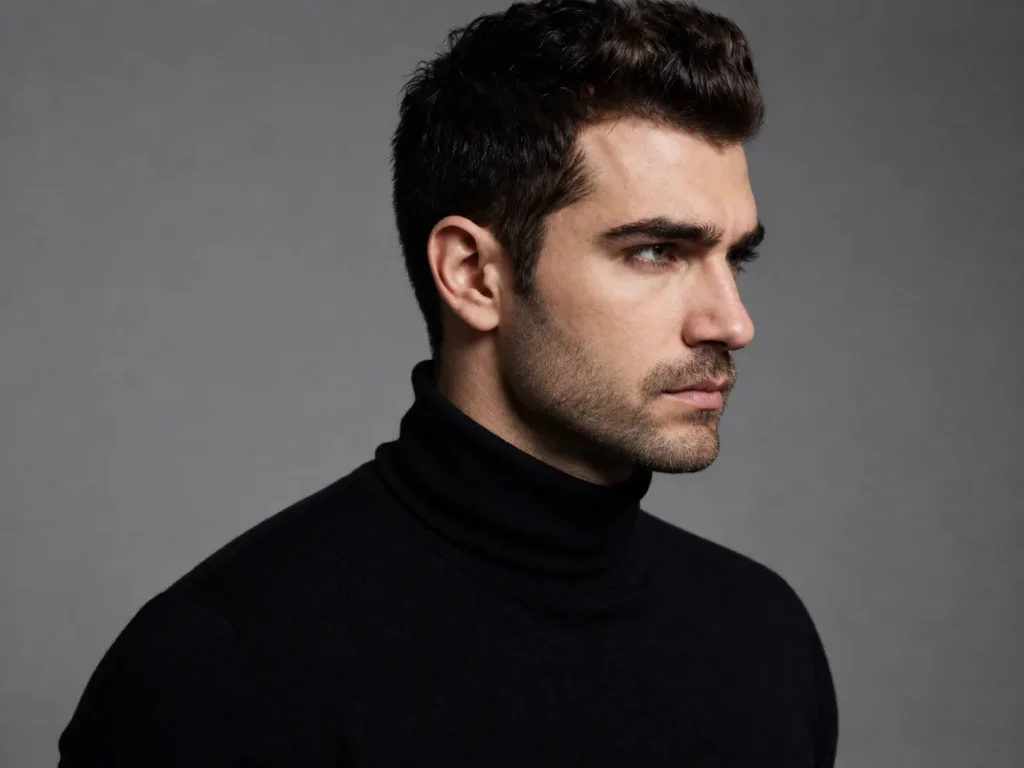
Replace flat color with realistic tonal variation and ensure the skin between hairs is not tinted. For a publishable before-and-after example in How to Fix Bad AI Beard Edits: Lips, Jawline, Hairline & Color, keep crop, expression, camera angle and exposure consistent. If the “after” image also receives better skin, a different jaw or a more flattering light, readers cannot tell what the beard operation actually contributed. A fair example isolates the facial-hair change and makes preservation quality visible.
Replace flat color with realistic tonal variation and ensure the skin between hairs is not tinted. In How to Fix Bad AI Beard Edits: Lips, Jawline, Hairline & Color, this matters because the goal is to repair one specific beard failure without introducing new changes elsewhere in the portrait. Facial hair sits directly on high-information identity regions, so a visually attractive result can still be wrong if it silently changes the face underneath. Keep the edit narrow and judge the beard against the original portrait rather than judging the new style in isolation.
The beard has the wrong lighting
Match highlights and shadow direction to the original portrait rather than adding independent glossy hair lighting. Generate more than one candidate when the boundary is difficult. Facial hair contains thousands of small dark-light transitions, and one version may preserve the mouth better while another handles cheek edges or jaw attachment more cleanly. Comparing candidates from the same source is often faster and more reliable than stacking many repair instructions onto a weak first result.
Match highlights and shadow direction to the original portrait rather than adding independent glossy hair lighting. A practical test for the beard has the wrong lighting is to ask what visual evidence the source image provides and what the model has to invent. With fix bad AI beard edit, the safest result keeps the underlying face stable while using the available cheek, mouth, chin and jaw geometry to place new hair. The less the editor has to guess about hidden boundaries, the easier it is to get a believable result.
Know when to regenerate instead of repair
If multiple failures occur together, generating a new candidate from the original is usually cleaner than stacking many local corrections. In How to Fix Bad AI Beard Edits: Lips, Jawline, Hairline & Color, this matters because the goal is to repair one specific beard failure without introducing new changes elsewhere in the portrait. Facial hair sits directly on high-information identity regions, so a visually attractive result can still be wrong if it silently changes the face underneath. Keep the edit narrow and judge the beard against the original portrait rather than judging the new style in isolation.
If multiple failures occur together, generating a new candidate from the original is usually cleaner than stacking many local corrections. Review this section at two scales. At normal viewing size, look for overall beard silhouette, balance and whether the style belongs on the same person. At close zoom, inspect identity, cheek line, lip boundary, moustache, sideburns, jaw/neck attachment, density, color and lighting. Those two views catch different failures: silhouette problems are obvious from a distance, while edge, strand and identity problems usually appear only when you inspect the details.
Ready-to-copy examples
Use these as starting points. Keep the preservation clause when identity matters, and change only the facial-hair variables you actually want to compare.
Keep the same person and beard style. Refine only the upper cheek boundary so it has a natural soft transition with small irregularities and realistic individual hairs. Do not change the face.Keep the beard unchanged but reduce moustache density directly over the upper lip, restore a clean visible lip edge and preserve the exact mouth shape and expression.A practical step-by-step workflow
Use a controlled sequence when testing fix bad AI beard edit. Start from the original portrait for each major style comparison so identity changes do not accumulate from one generated image to the next.
- 1. Choose a clear adult portrait where cheeks, mouth, chin and jaw are visible.
- 2. Decide the one main facial-hair variable you want to test: style, length, density or color.
- 3. Preserve facial identity, hairstyle, expression, skin tone, camera angle, lighting, clothing and background.
- 4. Generate several candidates and compare overall beard silhouette before zooming into cheek, lip, jaw and neckline details.
- 5. If identity changes, retry from the original. If only the beard edge or color is wrong, make one narrow correction at a time.
Before exporting How to Fix Bad AI Beard Edits: Lips, Jawline, Hairline & Color examples, compare source and result at the same crop. The beard should look attached to the original face and light, not like a separate layer that happens to be in the right location.
Common mistakes to avoid
- Changing beard style, color, face shape and portrait lighting at the same time when you only need to compare facial hair.
- Accepting a beard because the style looks attractive without checking whether lips, jaw, skin texture or nose changed.
- Using a heavily cropped or shadowed source and then expecting precise moustache, cheek and neckline boundaries.
- Treating AI-generated beard density as a prediction of how real facial hair will grow.
- Repairing many unrelated problems on a drifted result instead of retrying from the original portrait.
Related AvaClik beard guides
Use these related guides when the next question is about prompts, source-photo quality, identity preservation, beard realism or repairing a weak result.
- How to Try a Beard on Your Photo With AI: Complete Guide
- 40 AI Beard Prompts for Realistic Beard, Stubble & Mustache Styles
- How to Change Beard Style Without Changing Your Face
- Best Photos for AI Beard Try-On: Angle, Lighting & Jawline
Frequently asked questions
Will the AI beard look exactly like my real beard would grow?
No. It is a visual preview. Real facial-hair density, patchiness, growth direction, curl, color and growth rate vary and cannot be inferred perfectly from a generated image.
What kind of photo works best?
A clear front or gentle three-quarter adult portrait with visible cheeks, mouth, chin and jawline is easiest to evaluate.
Can I change beard color in AvaClik?
Yes. The Beard tool supports color choice. For a fair comparison, keep beard shape and density fixed when testing color.
Should I use the result as a barber reference?
You can use it as a visual style reference, but treat it as inspiration rather than a guarantee of how your real facial hair will grow or trim.
Try the beard style in AvaClik
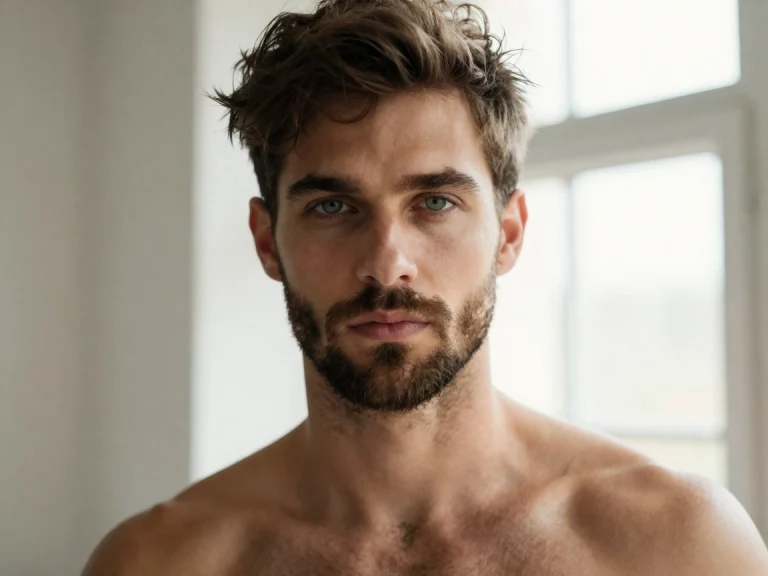
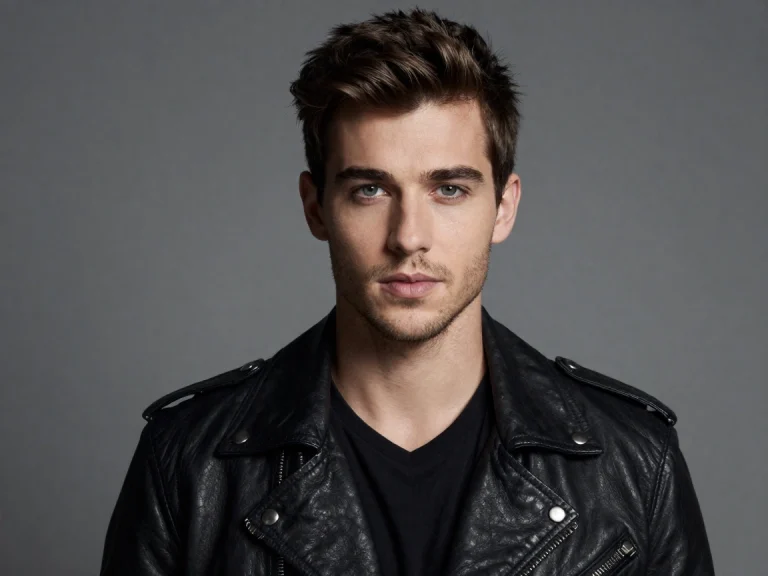
Open AvaClik AI Beard Changer to test the workflow from How to Fix Bad AI Beard Edits: Lips, Jawline, Hairline & Color. Use a photo you have the right to edit, choose a beard or stubble preset, adjust color only when it is part of the comparison, and inspect the generated result before saving.
Try this in AvaClik
Try the workflow in AvaClik
Upload a photo you have permission to edit, make a change, check the result and refine it.
Try AvaClik AI Beard Changer ↗