Responsible NSFW AI Image Generation: Adults, Consent & Synthetic Media
A practical responsible-use guide for adult AI image generation covering unambiguous adulthood, consent, fictional characters, real-person likeness, disclosure and safe publishing habits.
On this page
Open the AvaClik tool connected to this guide and try it on your photo.
A practical responsible-use guide for adult AI image generation covering unambiguous adulthood, consent, fictional characters, real-person likeness, disclosure and safe publishing habits.
Quick answer
For responsible NSFW AI image generation, start with a short visual brief that makes the main subject, physical setting, framing and lighting explicit. Generate a simple version first, judge the large structural decisions, and only then spend extra detail or higher-quality generations on a composition that already works.
The important distinction in “Responsible NSFW AI Image Generation: Adults, Consent & Synthetic Media” is that a text-to-image model invents the entire frame. It is not recovering a hidden real photograph. Faces, hands, clothing folds, background signs and small objects are synthetic choices, so the final image should be reviewed as generated media rather than assumed to be accurate evidence of anything real.
Keep every depicted person unambiguously adult
In the context of “Responsible NSFW AI Image Generation: Adults, Consent & Synthetic Media,” keep every depicted person unambiguously adult should remove age ambiguity rather than rely on vague beauty language. Use clearly adult descriptors such as “adult woman in her 30s” or “adult man in his late 20s” when age framing matters, and avoid terms that could be read as underage.
Keep the first experiment conservative. A clear single subject, simple scene and readable pose make it easier to judge keep every depicted person unambiguously adult. Once the core image is stable, add atmosphere and secondary detail without changing every constraint at the same time.
Before publishing the “Keep every depicted person unambiguously adult” section of “Responsible NSFW AI Image Generation: Adults, Consent & Synthetic Media,” replace its placeholder with a real AvaClik example that demonstrates this decision. The example should make the difference visible at a glance, use only adult content allowed by the service, and include enough of the frame for readers to judge composition rather than showing a cropped detail with no context.
Use fictional adults when a real identity is unnecessary
In the context of “Responsible NSFW AI Image Generation: Adults, Consent & Synthetic Media,” use fictional adults when a real identity is unnecessary should remove age ambiguity rather than rely on vague beauty language. Use clearly adult descriptors such as “adult woman in her 30s” or “adult man in his late 20s” when age framing matters, and avoid terms that could be read as underage.
A practical test is to generate two versions where only this decision changes. Keep the subject, setting and camera language stable, then compare which version has more coherent geometry, clearer visual hierarchy and fewer artifacts. This isolates whether use fictional adults when a real identity is unnecessary actually helped instead of confusing the result with several simultaneous prompt changes.
Before publishing the “Use fictional adults when a real identity is unnecessary” section of “Responsible NSFW AI Image Generation: Adults, Consent & Synthetic Media,” replace its placeholder with a real AvaClik example that demonstrates this decision. The example should make the difference visible at a glance, use only adult content allowed by the service, and include enough of the frame for readers to judge composition rather than showing a cropped detail with no context.


Consent matters when a real person is identifiable
In “Responsible NSFW AI Image Generation: Adults, Consent & Synthetic Media,” consent matters when a real person is identifiable is part of the creative workflow, not an afterthought. Keep every depicted person unambiguously adult, use real-person likenesses only with appropriate permission, and do not present a synthetic intimate scene as evidence that a real person did something they did not do.
When reviewing this part of “Responsible NSFW AI Image Generation: Adults, Consent & Synthetic Media,” ask what a photographer or art director would be able to point to in the finished frame. If the instruction cannot be checked visually, rewrite it into something observable: a light source, a camera angle, a physical material, a pose relationship or a defined background element.
Before publishing the “Consent matters when a real person is identifiable” section of “Responsible NSFW AI Image Generation: Adults, Consent & Synthetic Media,” replace its placeholder with a real AvaClik example that demonstrates this decision. The example should make the difference visible at a glance, use only adult content allowed by the service, and include enough of the frame for readers to judge composition rather than showing a cropped detail with no context.
Do not use intimate imagery to impersonate real people
In the context of “Responsible NSFW AI Image Generation: Adults, Consent & Synthetic Media,” do not use intimate imagery to impersonate real people should remove age ambiguity rather than rely on vague beauty language. Use clearly adult descriptors such as “adult woman in her 30s” or “adult man in his late 20s” when age framing matters, and avoid terms that could be read as underage.
For a production-style workflow, save the prompt and note what changed between iterations. That makes do not use intimate imagery to impersonate real people reproducible: if a later version is worse, you can return to the stronger composition instead of trying to remember which combination of words produced it.
Before publishing the “Do not use intimate imagery to impersonate real people” section of “Responsible NSFW AI Image Generation: Adults, Consent & Synthetic Media,” replace its placeholder with a real AvaClik example that demonstrates this decision. The example should make the difference visible at a glance, use only adult content allowed by the service, and include enough of the frame for readers to judge composition rather than showing a cropped detail with no context.
Avoid public-figure sexual deepfakes
In “Responsible NSFW AI Image Generation: Adults, Consent & Synthetic Media,” avoid public-figure sexual deepfakes is part of the creative workflow, not an afterthought. Keep every depicted person unambiguously adult, use real-person likenesses only with appropriate permission, and do not present a synthetic intimate scene as evidence that a real person did something they did not do.
Keep the first experiment conservative. A clear single subject, simple scene and readable pose make it easier to judge avoid public-figure sexual deepfakes. Once the core image is stable, add atmosphere and secondary detail without changing every constraint at the same time.
Before publishing the “Avoid public-figure sexual deepfakes” section of “Responsible NSFW AI Image Generation: Adults, Consent & Synthetic Media,” replace its placeholder with a real AvaClik example that demonstrates this decision. The example should make the difference visible at a glance, use only adult content allowed by the service, and include enough of the frame for readers to judge composition rather than showing a cropped detail with no context.
Treat generated images as synthetic media
In the context of “Responsible NSFW AI Image Generation: Adults, Consent & Synthetic Media,” treat generated images as synthetic media should remove age ambiguity rather than rely on vague beauty language. Use clearly adult descriptors such as “adult woman in her 30s” or “adult man in his late 20s” when age framing matters, and avoid terms that could be read as underage.
A practical test is to generate two versions where only this decision changes. Keep the subject, setting and camera language stable, then compare which version has more coherent geometry, clearer visual hierarchy and fewer artifacts. This isolates whether treat generated images as synthetic media actually helped instead of confusing the result with several simultaneous prompt changes.
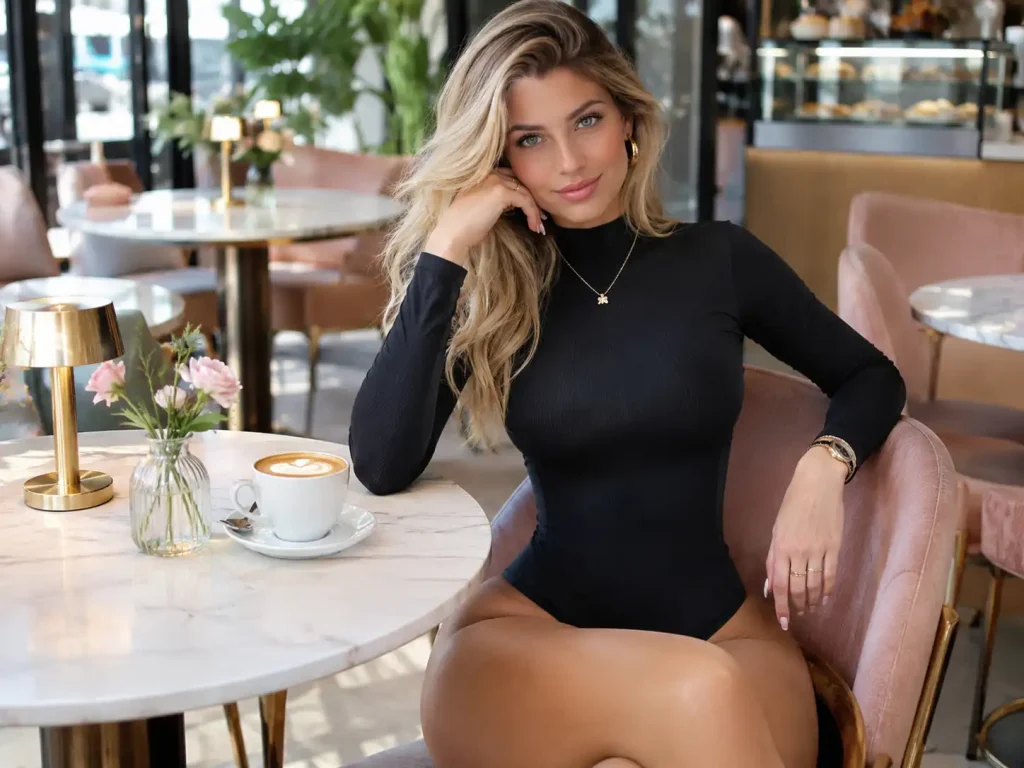
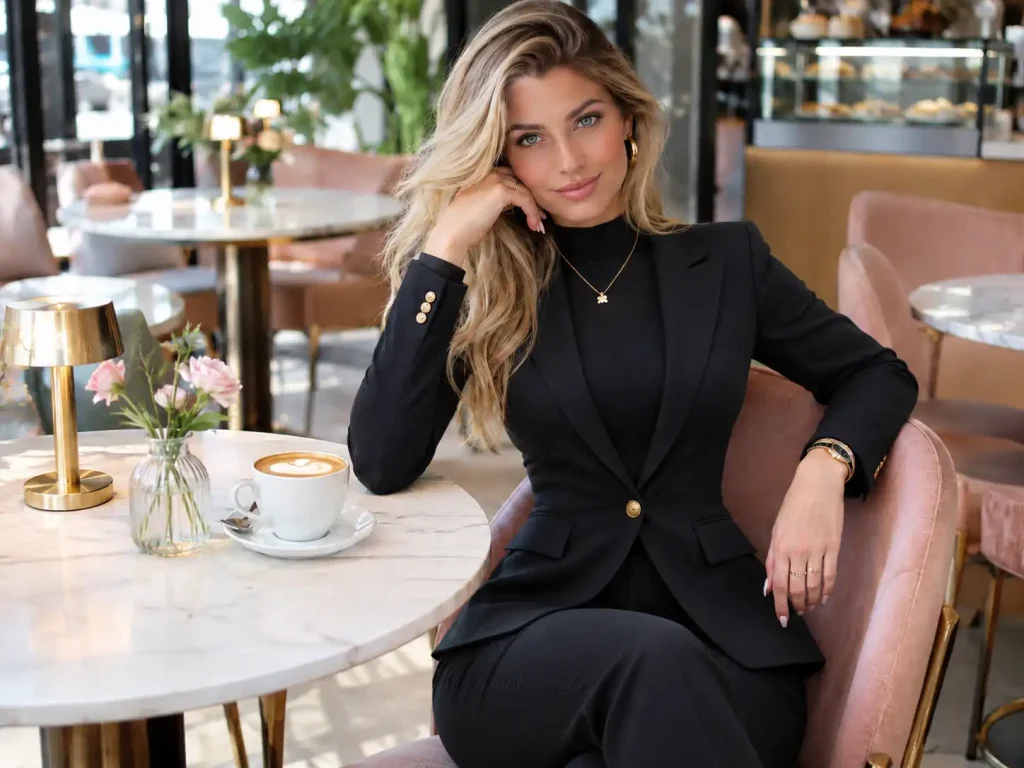
Before publishing the “Treat generated images as synthetic media” section of “Responsible NSFW AI Image Generation: Adults, Consent & Synthetic Media,” replace its placeholder with a real AvaClik example that demonstrates this decision. The example should make the difference visible at a glance, use only adult content allowed by the service, and include enough of the frame for readers to judge composition rather than showing a cropped detail with no context.
Do not present a generated scene as evidence of a real event
In “Responsible NSFW AI Image Generation: Adults, Consent & Synthetic Media,” the section “Do not present a generated scene as evidence of a real event” focuses on a decision that materially changes the generated frame. Treat it as one controllable variable: describe it clearly, keep the rest of the visual brief stable, and compare the result against the exact outcome the section is trying to improve.
When reviewing this part of “Responsible NSFW AI Image Generation: Adults, Consent & Synthetic Media,” ask what a photographer or art director would be able to point to in the finished frame. If the instruction cannot be checked visually, rewrite it into something observable: a light source, a camera angle, a physical material, a pose relationship or a defined background element.
Before publishing the “Do not present a generated scene as evidence of a real event” section of “Responsible NSFW AI Image Generation: Adults, Consent & Synthetic Media,” replace its placeholder with a real AvaClik example that demonstrates this decision. The example should make the difference visible at a glance, use only adult content allowed by the service, and include enough of the frame for readers to judge composition rather than showing a cropped detail with no context.
Keep private source material private
For “Responsible NSFW AI Image Generation: Adults, Consent & Synthetic Media,” keep private source material private is about choosing the right starting constraint. A generator has freedom to invent the entire frame from text, while an editor inherits identity, pose, lighting and scene information from an existing authorized image. The right tool depends on whether freedom or continuity matters more.
For a production-style workflow, save the prompt and note what changed between iterations. That makes keep private source material private reproducible: if a later version is worse, you can return to the stronger composition instead of trying to remember which combination of words produced it.
Before publishing the “Keep private source material private” section of “Responsible NSFW AI Image Generation: Adults, Consent & Synthetic Media,” replace its placeholder with a real AvaClik example that demonstrates this decision. The example should make the difference visible at a glance, use only adult content allowed by the service, and include enough of the frame for readers to judge composition rather than showing a cropped detail with no context.
Review metadata and filenames before sharing
In “Responsible NSFW AI Image Generation: Adults, Consent & Synthetic Media,” review metadata and filenames before sharing should happen at two scales. First view the full frame to judge composition and body geometry; then zoom into the face, hands, hair edges, clothing joins and background text. A result that only survives close-up inspection but feels awkward at normal size is not finished.
Keep the first experiment conservative. A clear single subject, simple scene and readable pose make it easier to judge review metadata and filenames before sharing. Once the core image is stable, add atmosphere and secondary detail without changing every constraint at the same time.
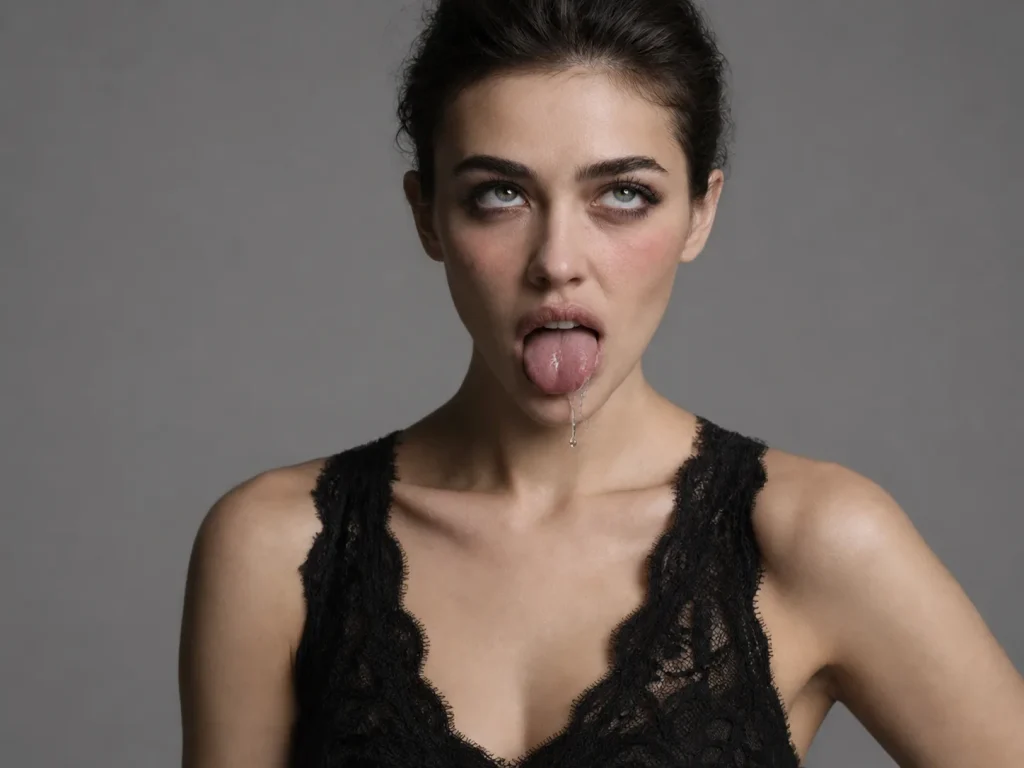
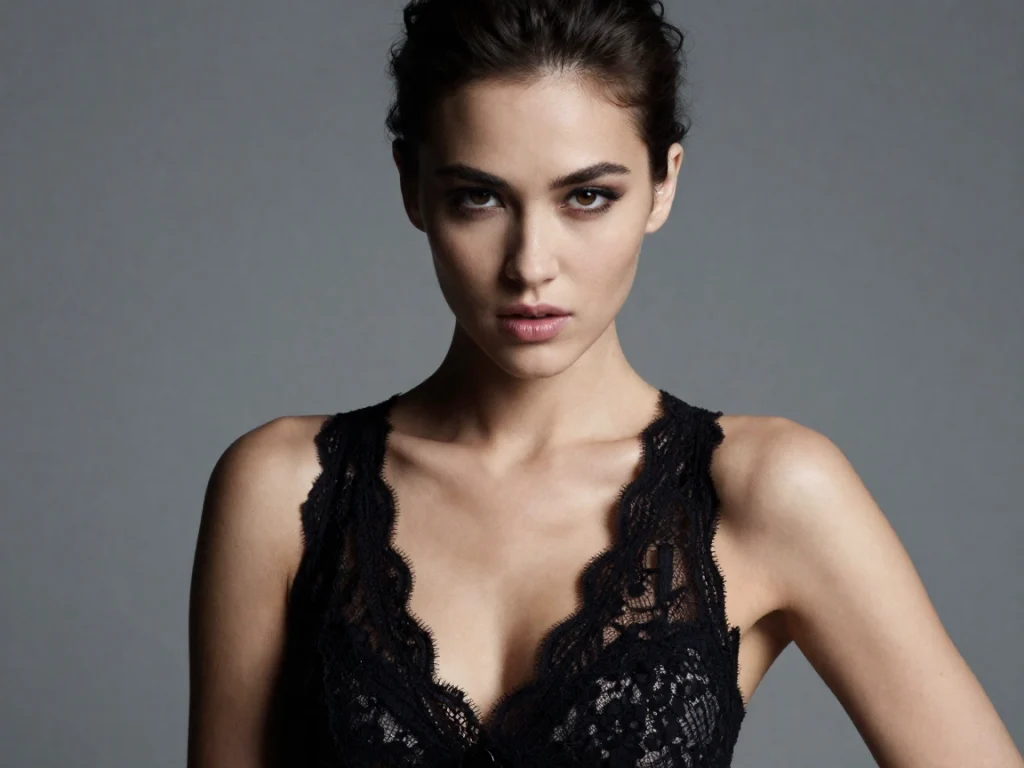
Before publishing the “Review metadata and filenames before sharing” section of “Responsible NSFW AI Image Generation: Adults, Consent & Synthetic Media,” replace its placeholder with a real AvaClik example that demonstrates this decision. The example should make the difference visible at a glance, use only adult content allowed by the service, and include enough of the frame for readers to judge composition rather than showing a cropped detail with no context.
Think about where the image will be published
In the context of “Responsible NSFW AI Image Generation: Adults, Consent & Synthetic Media,” think about where the image will be published should remove age ambiguity rather than rely on vague beauty language. Use clearly adult descriptors such as “adult woman in her 30s” or “adult man in his late 20s” when age framing matters, and avoid terms that could be read as underage.
A practical test is to generate two versions where only this decision changes. Keep the subject, setting and camera language stable, then compare which version has more coherent geometry, clearer visual hierarchy and fewer artifacts. This isolates whether think about where the image will be published actually helped instead of confusing the result with several simultaneous prompt changes.
Before publishing the “Think about where the image will be published” section of “Responsible NSFW AI Image Generation: Adults, Consent & Synthetic Media,” replace its placeholder with a real AvaClik example that demonstrates this decision. The example should make the difference visible at a glance, use only adult content allowed by the service, and include enough of the frame for readers to judge composition rather than showing a cropped detail with no context.
Respect platform and payment-provider rules
In “Responsible NSFW AI Image Generation: Adults, Consent & Synthetic Media,” the section “Respect platform and payment-provider rules” focuses on a decision that materially changes the generated frame. Treat it as one controllable variable: describe it clearly, keep the rest of the visual brief stable, and compare the result against the exact outcome the section is trying to improve.
When reviewing this part of “Responsible NSFW AI Image Generation: Adults, Consent & Synthetic Media,” ask what a photographer or art director would be able to point to in the finished frame. If the instruction cannot be checked visually, rewrite it into something observable: a light source, a camera angle, a physical material, a pose relationship or a defined background element.
Before publishing the “Respect platform and payment-provider rules” section of “Responsible NSFW AI Image Generation: Adults, Consent & Synthetic Media,” replace its placeholder with a real AvaClik example that demonstrates this decision. The example should make the difference visible at a glance, use only adult content allowed by the service, and include enough of the frame for readers to judge composition rather than showing a cropped detail with no context.
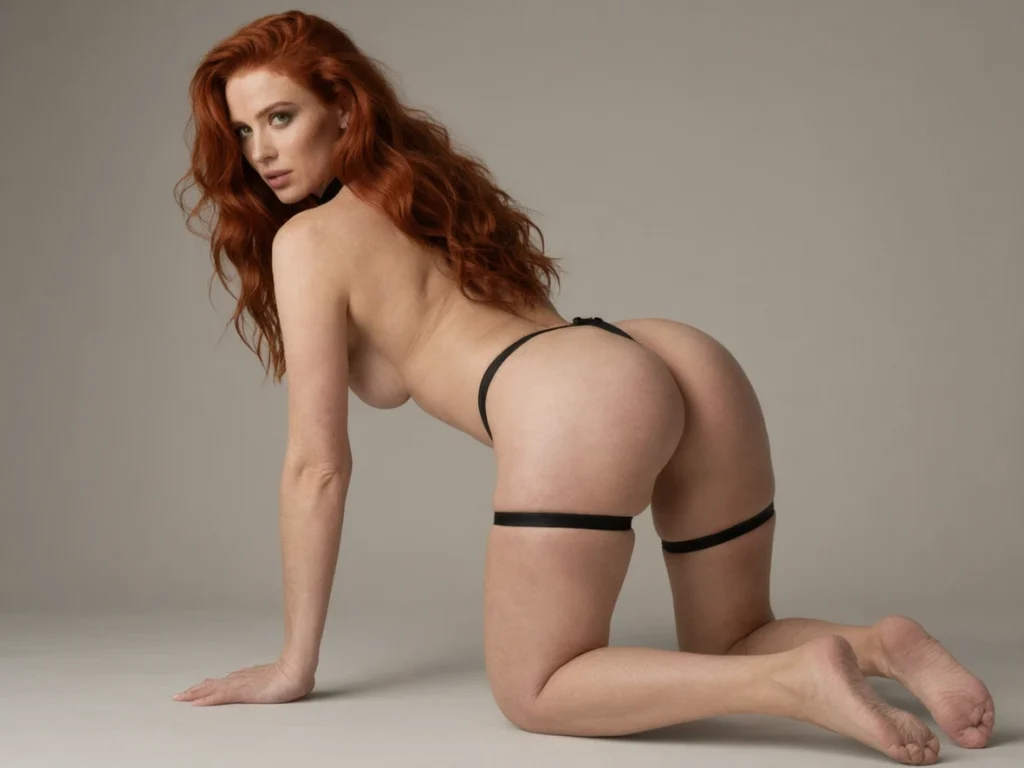
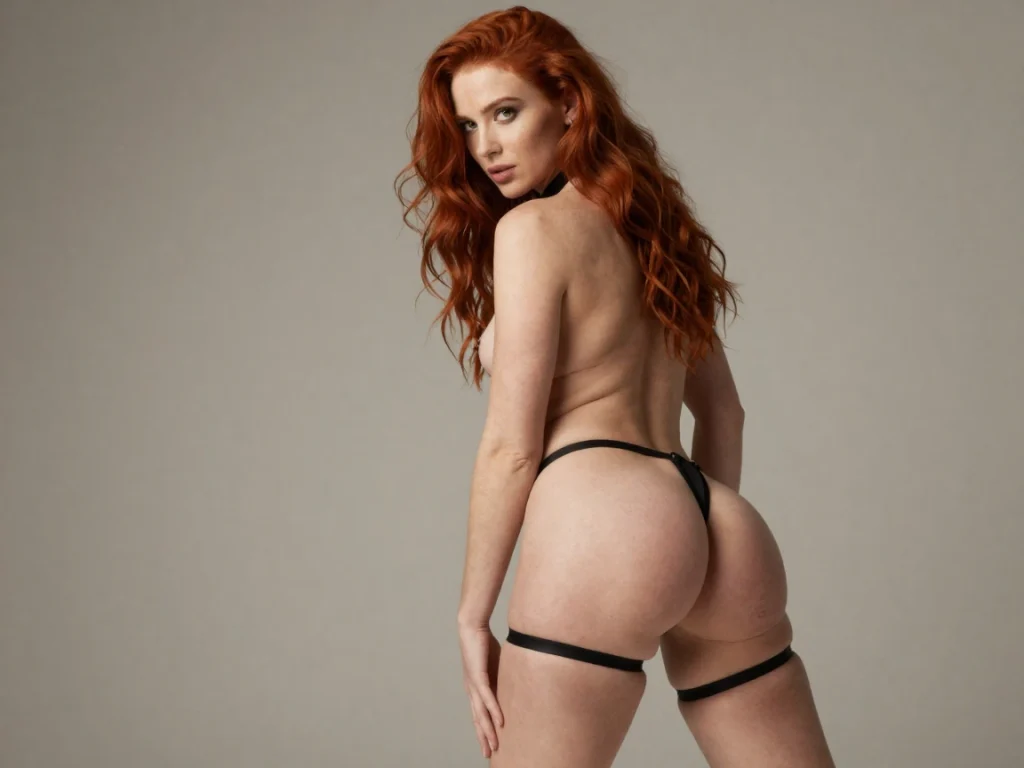
Use labels when context could mislead
In “Responsible NSFW AI Image Generation: Adults, Consent & Synthetic Media,” the section “Use labels when context could mislead” focuses on a decision that materially changes the generated frame. Treat it as one controllable variable: describe it clearly, keep the rest of the visual brief stable, and compare the result against the exact outcome the section is trying to improve.
For a production-style workflow, save the prompt and note what changed between iterations. That makes use labels when context could mislead reproducible: if a later version is worse, you can return to the stronger composition instead of trying to remember which combination of words produced it.
Before publishing the “Use labels when context could mislead” section of “Responsible NSFW AI Image Generation: Adults, Consent & Synthetic Media,” replace its placeholder with a real AvaClik example that demonstrates this decision. The example should make the difference visible at a glance, use only adult content allowed by the service, and include enough of the frame for readers to judge composition rather than showing a cropped detail with no context.
Keep a human review step
In “Responsible NSFW AI Image Generation: Adults, Consent & Synthetic Media,” keep a human review step should happen at two scales. First view the full frame to judge composition and body geometry; then zoom into the face, hands, hair edges, clothing joins and background text. A result that only survives close-up inspection but feels awkward at normal size is not finished.
Keep the first experiment conservative. A clear single subject, simple scene and readable pose make it easier to judge keep a human review step. Once the core image is stable, add atmosphere and secondary detail without changing every constraint at the same time.
Before publishing the “Keep a human review step” section of “Responsible NSFW AI Image Generation: Adults, Consent & Synthetic Media,” replace its placeholder with a real AvaClik example that demonstrates this decision. The example should make the difference visible at a glance, use only adult content allowed by the service, and include enough of the frame for readers to judge composition rather than showing a cropped detail with no context.
What responsible creative freedom looks like
In “Responsible NSFW AI Image Generation: Adults, Consent & Synthetic Media,” what responsible creative freedom looks like is part of the creative workflow, not an afterthought. Keep every depicted person unambiguously adult, use real-person likenesses only with appropriate permission, and do not present a synthetic intimate scene as evidence that a real person did something they did not do.
A practical test is to generate two versions where only this decision changes. Keep the subject, setting and camera language stable, then compare which version has more coherent geometry, clearer visual hierarchy and fewer artifacts. This isolates whether what responsible creative freedom looks like actually helped instead of confusing the result with several simultaneous prompt changes.
Before publishing the “What responsible creative freedom looks like” section of “Responsible NSFW AI Image Generation: Adults, Consent & Synthetic Media,” replace its placeholder with a real AvaClik example that demonstrates this decision. The example should make the difference visible at a glance, use only adult content allowed by the service, and include enough of the frame for readers to judge composition rather than showing a cropped detail with no context.

Responsible-use checklist
In “Responsible NSFW AI Image Generation: Adults, Consent & Synthetic Media,” responsible-use checklist should happen at two scales. First view the full frame to judge composition and body geometry; then zoom into the face, hands, hair edges, clothing joins and background text. A result that only survives close-up inspection but feels awkward at normal size is not finished.
When reviewing this part of “Responsible NSFW AI Image Generation: Adults, Consent & Synthetic Media,” ask what a photographer or art director would be able to point to in the finished frame. If the instruction cannot be checked visually, rewrite it into something observable: a light source, a camera angle, a physical material, a pose relationship or a defined background element.
Before publishing the “Responsible-use checklist” section of “Responsible NSFW AI Image Generation: Adults, Consent & Synthetic Media,” replace its placeholder with a real AvaClik example that demonstrates this decision. The example should make the difference visible at a glance, use only adult content allowed by the service, and include enough of the frame for readers to judge composition rather than showing a cropped detail with no context.
Related AvaClik guides
In “Responsible NSFW AI Image Generation: Adults, Consent & Synthetic Media,” the section “Related AvaClik guides” focuses on a decision that materially changes the generated frame. Treat it as one controllable variable: describe it clearly, keep the rest of the visual brief stable, and compare the result against the exact outcome the section is trying to improve.
For a production-style workflow, save the prompt and note what changed between iterations. That makes related avaclik guides reproducible: if a later version is worse, you can return to the stronger composition instead of trying to remember which combination of words produced it.
Before publishing the “Related AvaClik guides” section of “Responsible NSFW AI Image Generation: Adults, Consent & Synthetic Media,” replace its placeholder with a real AvaClik example that demonstrates this decision. The example should make the difference visible at a glance, use only adult content allowed by the service, and include enough of the frame for readers to judge composition rather than showing a cropped detail with no context.
Frequently asked questions
In “Responsible NSFW AI Image Generation: Adults, Consent & Synthetic Media,” the section “Frequently asked questions” focuses on a decision that materially changes the generated frame. Treat it as one controllable variable: describe it clearly, keep the rest of the visual brief stable, and compare the result against the exact outcome the section is trying to improve.
Keep the first experiment conservative. A clear single subject, simple scene and readable pose make it easier to judge frequently asked questions. Once the core image is stable, add atmosphere and secondary detail without changing every constraint at the same time.
Before publishing the “Frequently asked questions” section of “Responsible NSFW AI Image Generation: Adults, Consent & Synthetic Media,” replace its placeholder with a real AvaClik example that demonstrates this decision. The example should make the difference visible at a glance, use only adult content allowed by the service, and include enough of the frame for readers to judge composition rather than showing a cropped detail with no context.
Final takeaway
In “Responsible NSFW AI Image Generation: Adults, Consent & Synthetic Media,” the section “Final takeaway” focuses on a decision that materially changes the generated frame. Treat it as one controllable variable: describe it clearly, keep the rest of the visual brief stable, and compare the result against the exact outcome the section is trying to improve.
A practical test is to generate two versions where only this decision changes. Keep the subject, setting and camera language stable, then compare which version has more coherent geometry, clearer visual hierarchy and fewer artifacts. This isolates whether final takeaway actually helped instead of confusing the result with several simultaneous prompt changes.
Before publishing the “Final takeaway” section of “Responsible NSFW AI Image Generation: Adults, Consent & Synthetic Media,” replace its placeholder with a real AvaClik example that demonstrates this decision. The example should make the difference visible at a glance, use only adult content allowed by the service, and include enough of the frame for readers to judge composition rather than showing a cropped detail with no context.
More AvaClik image-generation guides
- How to Generate NSFW AI Images From Text: Complete Guide
- 30 AI Boudoir Image Prompts for Adult Portraits
- AI Adult Portrait Prompt Guide: Face, Hair, Skin & Expression

Try this in AvaClik
Try the workflow in AvaClik
Describe an image of an adult, choose quality and framing, check the result and refine the prompt.
Try AvaClik NSFW AI Image Generator ↗