50 AI Hairstyle Prompts for Realistic Hair Makeovers
Copy 50 practical AI hairstyle prompts for bobs, pixies, bangs, layers, curls, men’s cuts, hair color and editorial styling.
On this page
Open the AvaClik tool connected to this guide and try it on your photo.
A strong hairstyle prompt describes visible geometry instead of vague attractiveness. Length, silhouette, fringe, parting, texture, volume and color are the variables that matter most, followed by a short preservation instruction for the face, outfit, lighting and background.
Quick answer
Build a hairstyle prompt in this order: target length → haircut shape → fringe or parting → texture → volume → color → what must stay unchanged. Start with one clear hairstyle idea instead of stacking several incompatible cuts.
A simple formula for better hairstyle prompts
Concrete hair geometry gives the model a better target than mood words. “Chin-length blunt bob, center part, straight texture” is easier to interpret than “modern elegant hair.” A practical way to evaluate a simple formula for better hairstyle prompts is to identify what should change and what should remain stable before generating. With AI hairstyle prompts, the change may be hair length, fringe, texture or color, while facial features, expression, makeup, camera perspective and background are often preservation targets. This simple split makes failures much easier to diagnose.
Concrete hair geometry gives the model a better target than mood words. “Chin-length blunt bob, center part, straight texture” is easier to interpret than “modern elegant hair.” Review a simple formula for better hairstyle prompts both at normal viewing size and at close zoom. At normal size, inspect the hairstyle silhouette and whether it suits the portrait. At close zoom, inspect the hairline, roots, fine strands, ear boundaries, neck, clothing overlap and any background pattern near the hair. The two views reveal different classes of problems.
Bob and lob prompts
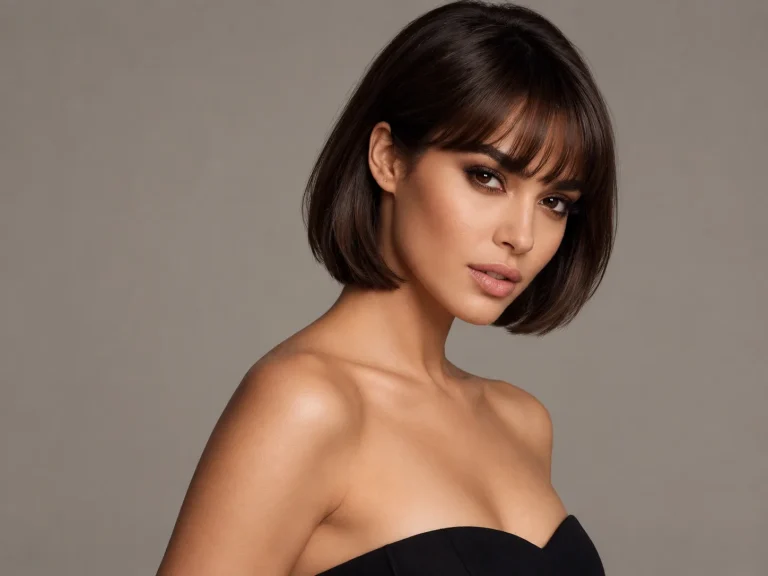
Bobs vary by chin length, jaw length, shoulder length, bluntness, graduation and parting. Those details strongly change the silhouette. When testing bob and lob prompts, save multiple candidates instead of forcing one weak image through many correction passes. Hair contains thousands of small edges and tonal transitions, so one version may preserve identity better while another handles strands, ears or shoulder overlap more cleanly. Comparing candidates is often faster than repeatedly repairing a poor starting point.
Bobs vary by chin length, jaw length, shoulder length, bluntness, graduation and parting. Those details strongly change the silhouette. For a publishable example in 50 AI Hairstyle Prompts for Realistic Hair Makeovers, keep the before and after framing consistent. A fair comparison should not secretly improve the portrait by changing crop, exposure, makeup or face shape at the same time. That matters for readers because they should be able to see what the hairstyle operation itself contributed.
- Bobs vary by chin length
- jaw length
- shoulder length
- bluntness
- graduation and parting
Pixie and short-cut prompts
Short styles expose the ears, temples and head outline, so ask for a clean hairline and preserved facial proportions. Review pixie and short-cut prompts both at normal viewing size and at close zoom. At normal size, inspect the hairstyle silhouette and whether it suits the portrait. At close zoom, inspect the hairline, roots, fine strands, ear boundaries, neck, clothing overlap and any background pattern near the hair. The two views reveal different classes of problems.
Short styles expose the ears, temples and head outline, so ask for a clean hairline and preserved facial proportions. For 50 AI Hairstyle Prompts for Realistic Hair Makeovers, judge this detail in relation to the original portrait rather than as an isolated beauty effect. Hair geometry sits next to the face, ears, neck and clothing, so a locally attractive result can still be wrong if it changes identity, head angle or scene lighting. Keep the purpose of the edit narrow and compare the result with the source at the same zoom.
Bangs and fringe prompts
Curtain, wispy, blunt and side-swept bangs need explicit length and density because the fringe sits directly on the forehead and can easily alter the perceived face shape. For a publishable example in 50 AI Hairstyle Prompts for Realistic Hair Makeovers, keep the before and after framing consistent. A fair comparison should not secretly improve the portrait by changing crop, exposure, makeup or face shape at the same time. That matters for readers because they should be able to see what the hairstyle operation itself contributed.
Curtain, wispy, blunt and side-swept bangs need explicit length and density because the fringe sits directly on the forehead and can easily alter the perceived face shape. A practical way to evaluate bangs and fringe prompts is to identify what should change and what should remain stable before generating. With AI hairstyle prompts, the change may be hair length, fringe, texture or color, while facial features, expression, makeup, camera perspective and background are often preservation targets. This simple split makes failures much easier to diagnose.
Long layers and face framing
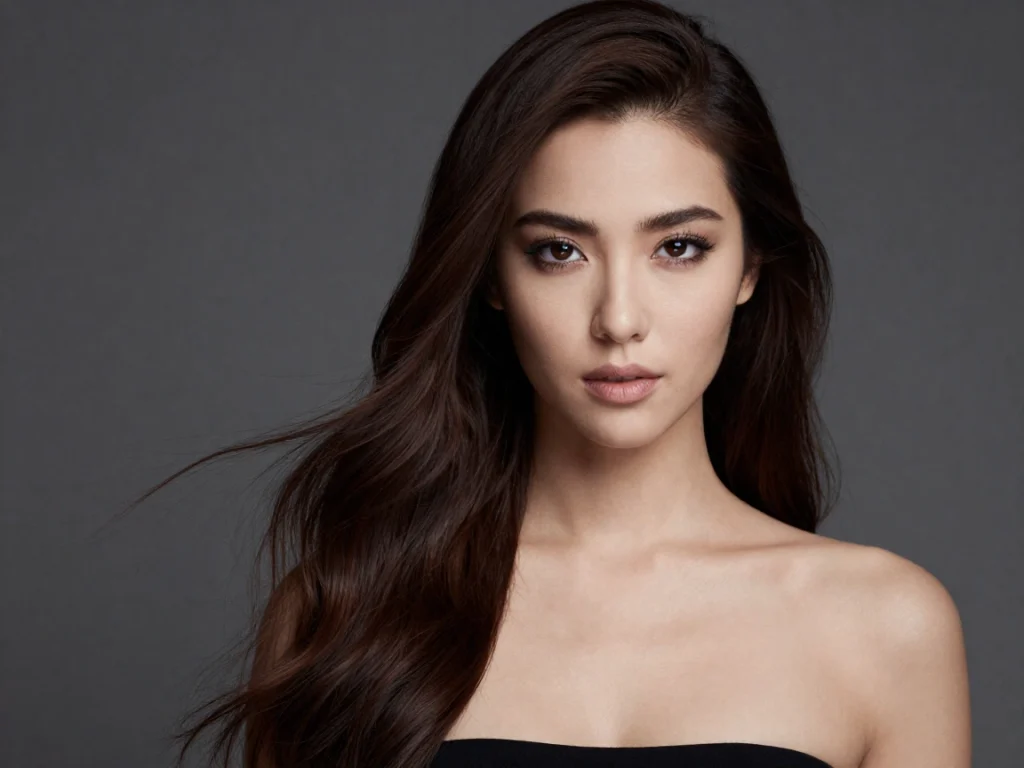
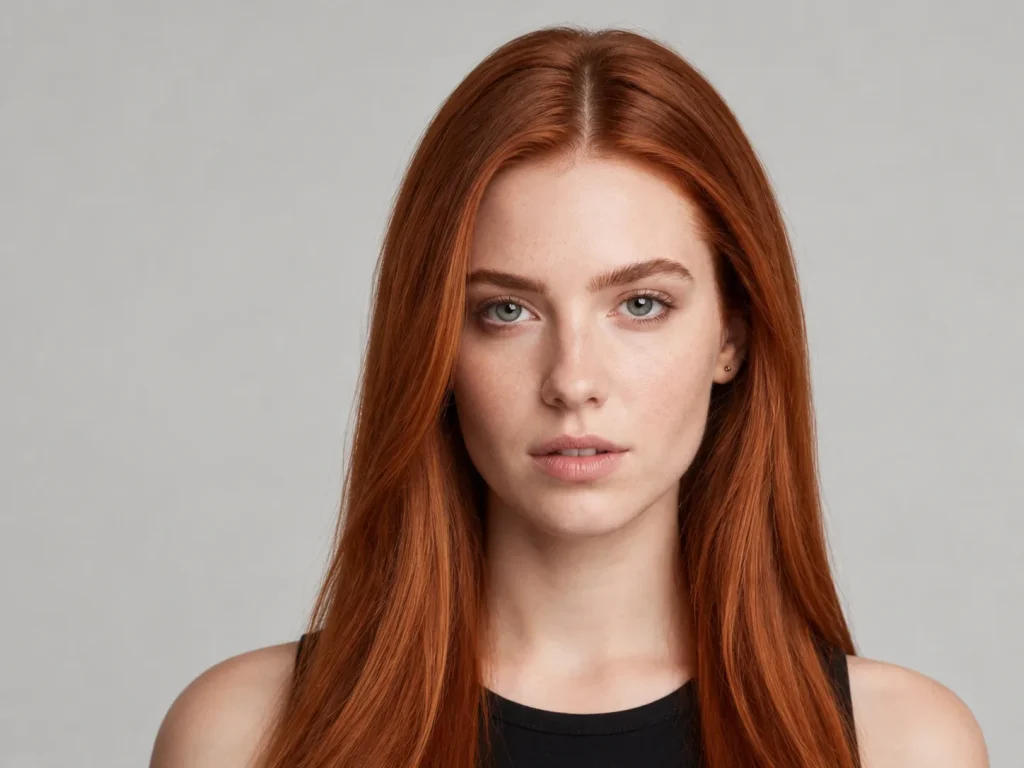
For long hair, describe where the shortest face-framing layers begin and whether the ends are blunt, feathered or softly tapered. For 50 AI Hairstyle Prompts for Realistic Hair Makeovers, judge this detail in relation to the original portrait rather than as an isolated beauty effect. Hair geometry sits next to the face, ears, neck and clothing, so a locally attractive result can still be wrong if it changes identity, head angle or scene lighting. Keep the purpose of the edit narrow and compare the result with the source at the same zoom.
For long hair, describe where the shortest face-framing layers begin and whether the ends are blunt, feathered or softly tapered. When testing long layers and face framing, save multiple candidates instead of forcing one weak image through many correction passes. Hair contains thousands of small edges and tonal transitions, so one version may preserve identity better while another handles strands, ears or shoulder overlap more cleanly. Comparing candidates is often faster than repeatedly repairing a poor starting point.
- For long hair
- describe where the shortest face-framing layers begin and whether the ends are blunt
- feathered or softly tapered
Waves, curls and texture
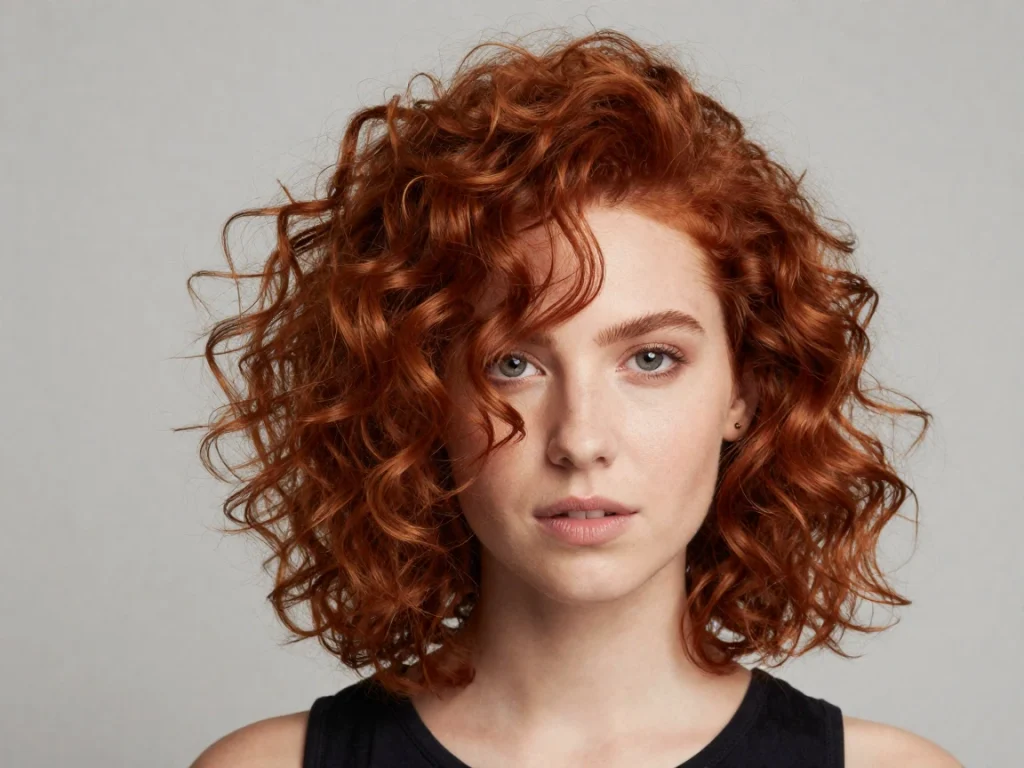
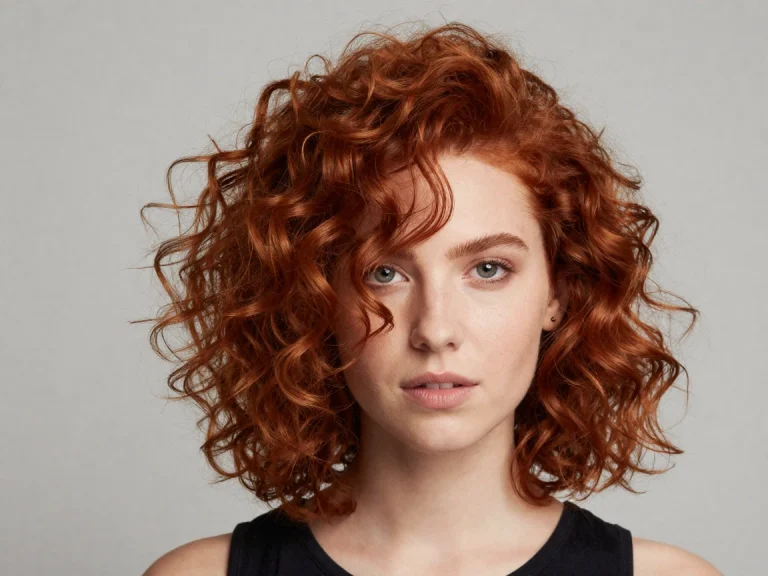
Curl size, definition and volume matter. Loose waves, beach waves, soft curls and tighter ringlets should be described separately. A practical way to evaluate waves, curls and texture is to identify what should change and what should remain stable before generating. With AI hairstyle prompts, the change may be hair length, fringe, texture or color, while facial features, expression, makeup, camera perspective and background are often preservation targets. This simple split makes failures much easier to diagnose.
Curl size, definition and volume matter. Loose waves, beach waves, soft curls and tighter ringlets should be described separately. Review waves, curls and texture both at normal viewing size and at close zoom. At normal size, inspect the hairstyle silhouette and whether it suits the portrait. At close zoom, inspect the hairline, roots, fine strands, ear boundaries, neck, clothing overlap and any background pattern near the hair. The two views reveal different classes of problems.
Braids and updo ideas
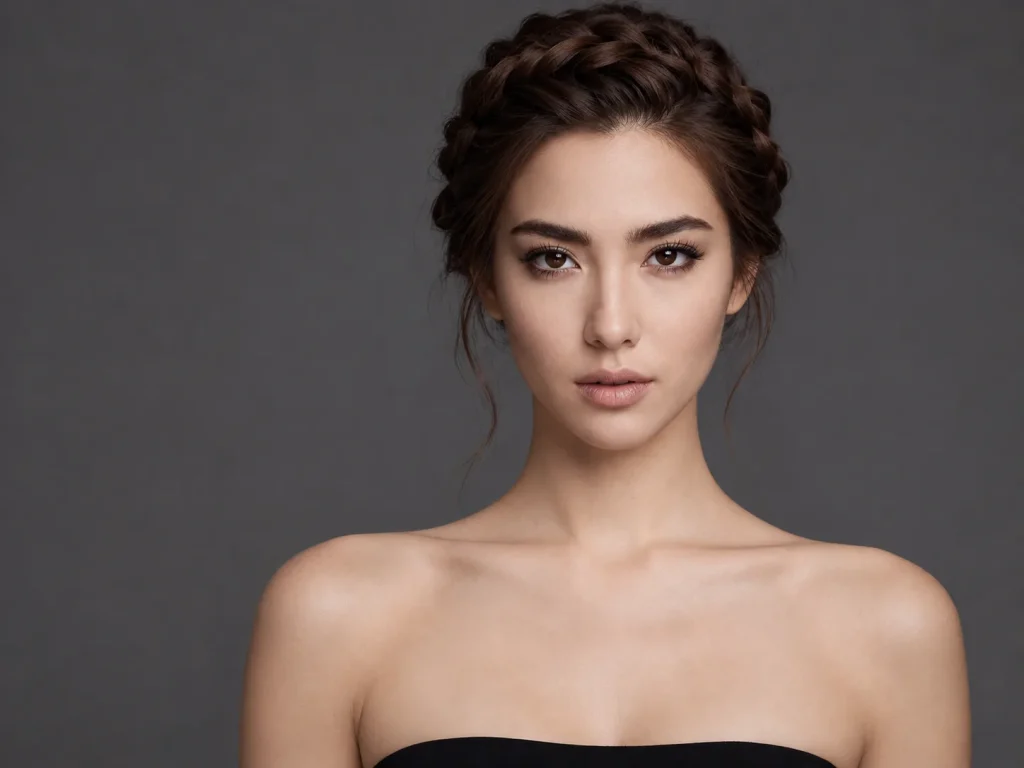
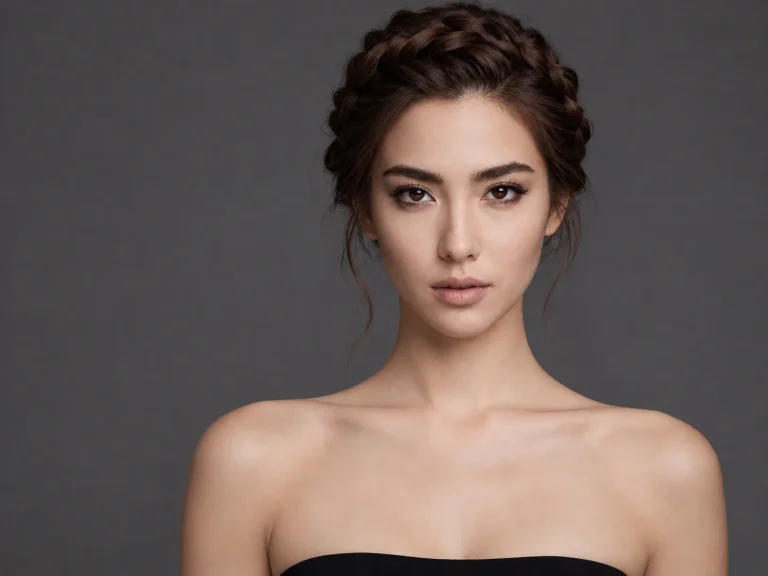
Braids, buns and ponytails introduce more structure near the crown and ears, so keep accessory placement and visible hairline consistent. When testing braids and updo ideas, save multiple candidates instead of forcing one weak image through many correction passes. Hair contains thousands of small edges and tonal transitions, so one version may preserve identity better while another handles strands, ears or shoulder overlap more cleanly. Comparing candidates is often faster than repeatedly repairing a poor starting point.
Braids, buns and ponytails introduce more structure near the crown and ears, so keep accessory placement and visible hairline consistent. For a publishable example in 50 AI Hairstyle Prompts for Realistic Hair Makeovers, keep the before and after framing consistent. A fair comparison should not secretly improve the portrait by changing crop, exposure, makeup or face shape at the same time. That matters for readers because they should be able to see what the hairstyle operation itself contributed.
Men’s haircut prompts
Fades, crops, quiffs, side parts and longer textured styles need clear instructions about side length, top length and taper. Review men’s haircut prompts both at normal viewing size and at close zoom. At normal size, inspect the hairstyle silhouette and whether it suits the portrait. At close zoom, inspect the hairline, roots, fine strands, ear boundaries, neck, clothing overlap and any background pattern near the hair. The two views reveal different classes of problems.
Fades, crops, quiffs, side parts and longer textured styles need clear instructions about side length, top length and taper. For 50 AI Hairstyle Prompts for Realistic Hair Makeovers, judge this detail in relation to the original portrait rather than as an isolated beauty effect. Hair geometry sits next to the face, ears, neck and clothing, so a locally attractive result can still be wrong if it changes identity, head angle or scene lighting. Keep the purpose of the edit narrow and compare the result with the source at the same zoom.
- Fades
- crops
- quiffs
- side parts and longer textured styles need clear instructions about side length
- top length and taper
Hair-color prompts
When color is the main change, say that the haircut, length and texture must remain unchanged. Add warmth, coolness or highlight placement only if needed. For a publishable example in 50 AI Hairstyle Prompts for Realistic Hair Makeovers, keep the before and after framing consistent. A fair comparison should not secretly improve the portrait by changing crop, exposure, makeup or face shape at the same time. That matters for readers because they should be able to see what the hairstyle operation itself contributed.
When color is the main change, say that the haircut, length and texture must remain unchanged. Add warmth, coolness or highlight placement only if needed. A practical way to evaluate hair-color prompts is to identify what should change and what should remain stable before generating. With AI hairstyle prompts, the change may be hair length, fringe, texture or color, while facial features, expression, makeup, camera perspective and background are often preservation targets. This simple split makes failures much easier to diagnose.
Editorial and creative styling
For stylized looks, keep the haircut description physically coherent before adding glossy, wet-look, voluminous or fashion-editorial finish. For 50 AI Hairstyle Prompts for Realistic Hair Makeovers, judge this detail in relation to the original portrait rather than as an isolated beauty effect. Hair geometry sits next to the face, ears, neck and clothing, so a locally attractive result can still be wrong if it changes identity, head angle or scene lighting. Keep the purpose of the edit narrow and compare the result with the source at the same zoom.
For stylized looks, keep the haircut description physically coherent before adding glossy, wet-look, voluminous or fashion-editorial finish. When testing editorial and creative styling, save multiple candidates instead of forcing one weak image through many correction passes. Hair contains thousands of small edges and tonal transitions, so one version may preserve identity better while another handles strands, ears or shoulder overlap more cleanly. Comparing candidates is often faster than repeatedly repairing a poor starting point.
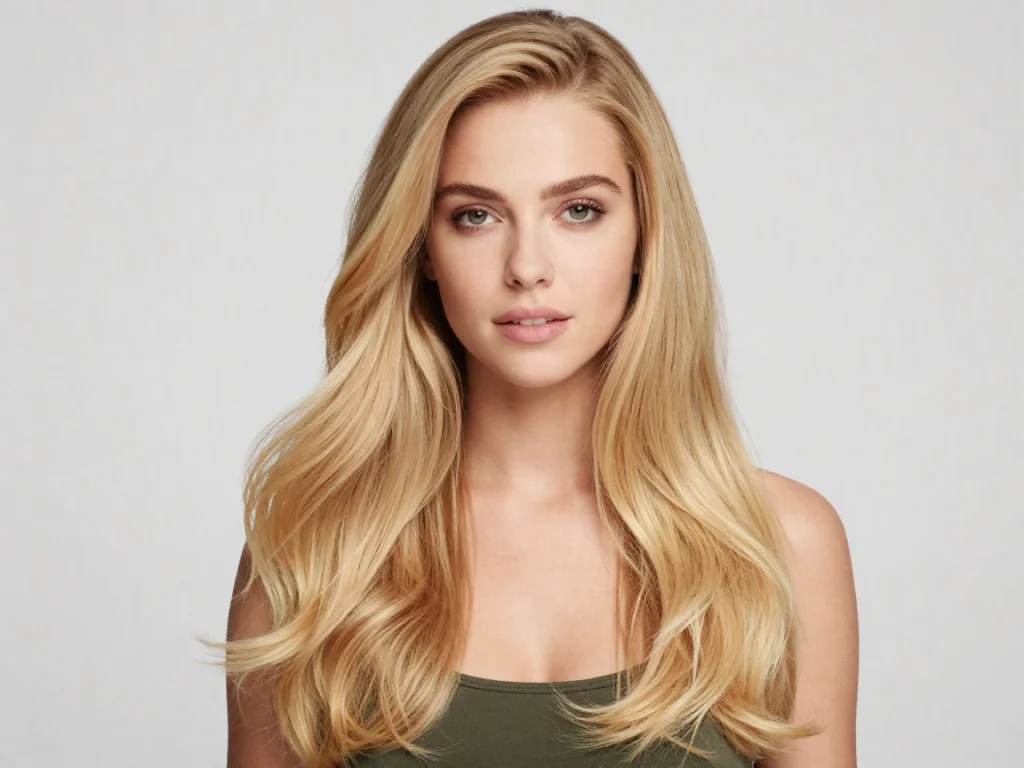
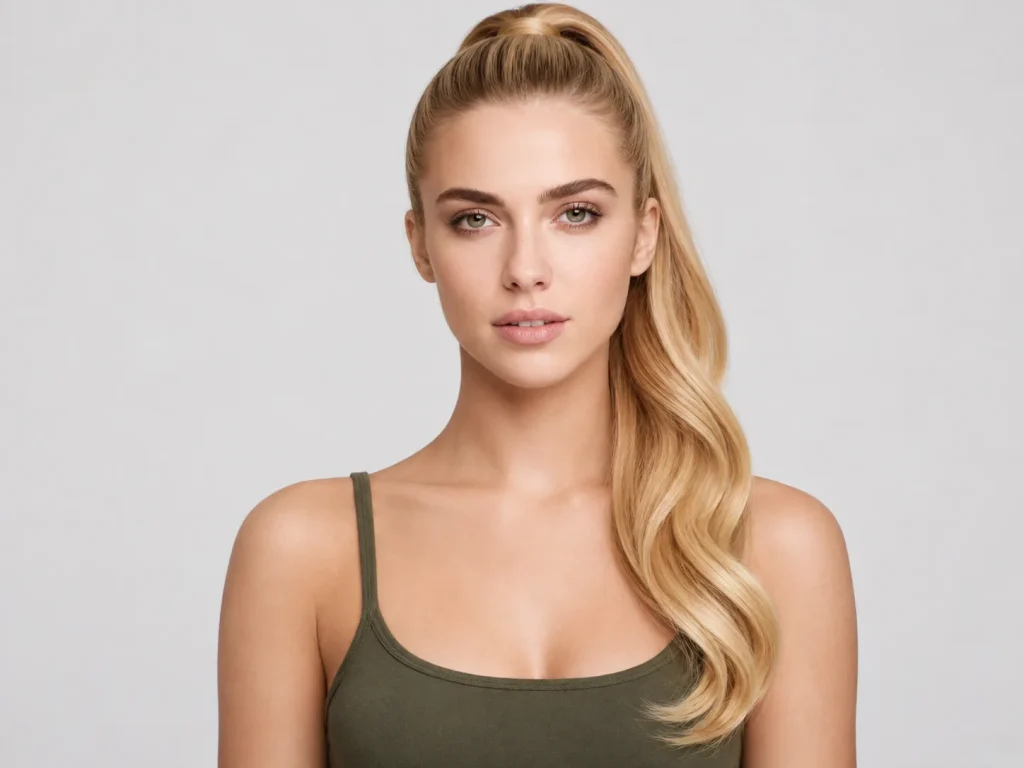
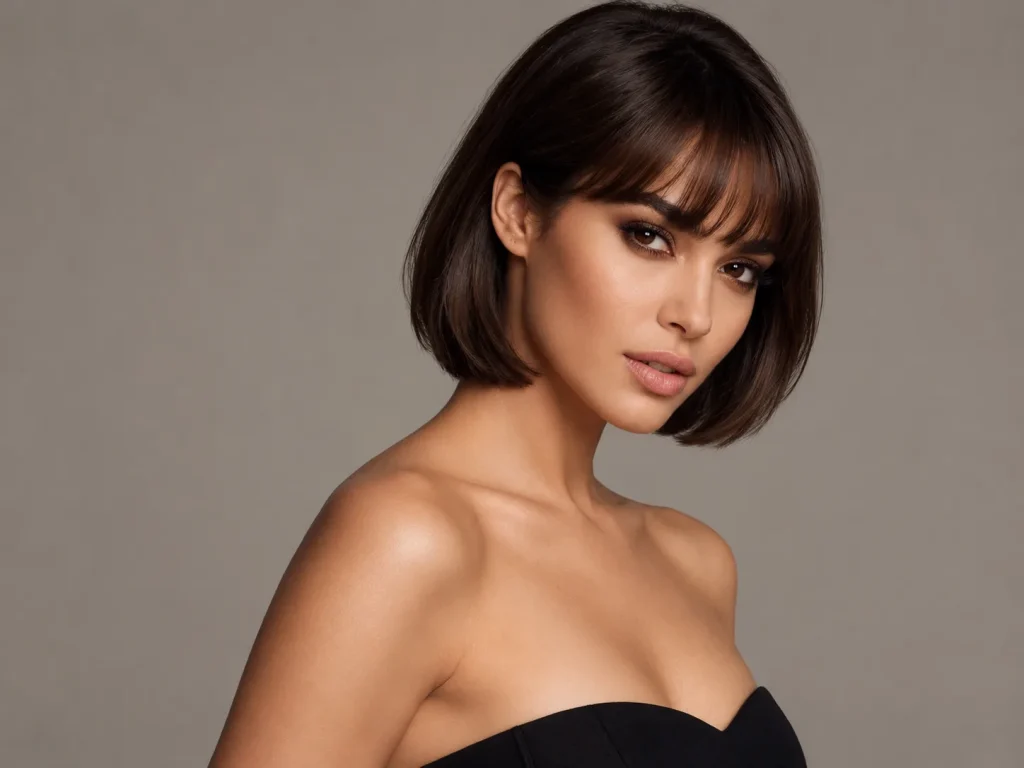
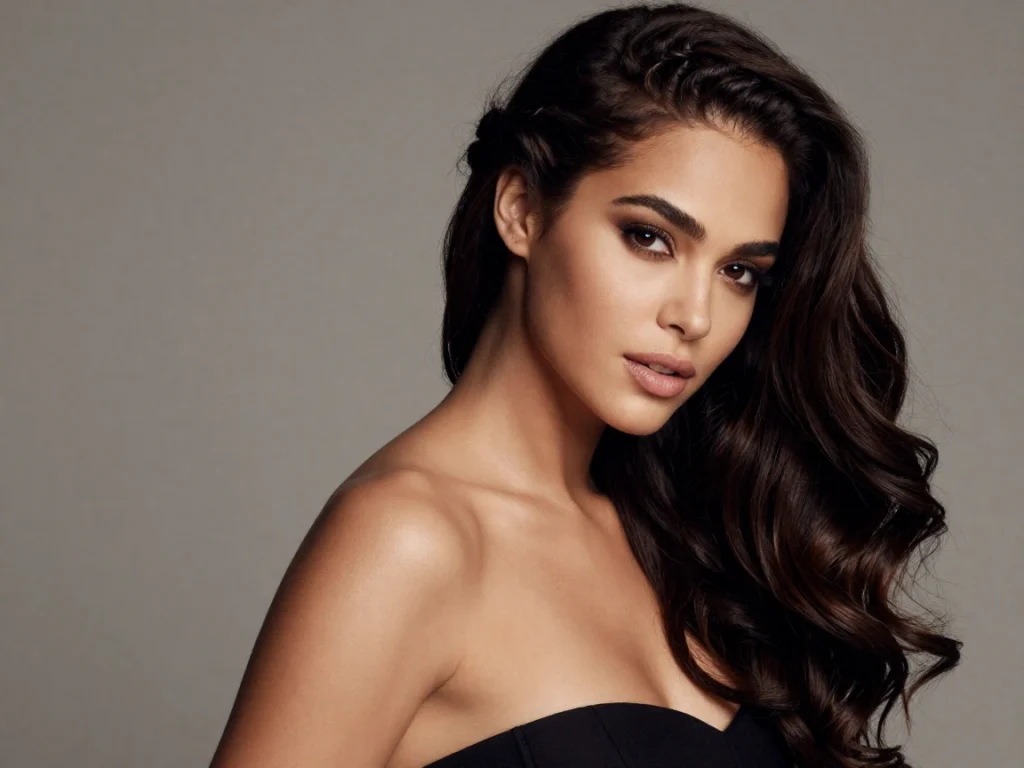
50 ready-to-copy hairstyle prompts
Use these as starting points. Keep the preservation clause when identity matters, and change only the hairstyle attributes that are relevant to your photo.
Change the hairstyle to a chin-length blunt bob with a clean center part and smooth straight texture. Preserve the same face, hair color, expression, makeup, lighting and background.Change the hair to a jaw-length French bob with soft natural texture and a light eyebrow-length fringe. Keep facial features and original color unchanged.Create a collarbone-length textured lob with soft broken ends and a relaxed center part. Preserve identity and scene.Change to a softly graduated bob, shorter at the nape and slightly longer toward the front, with natural volume and original hair color.Create a sleek jaw-length bob with a deep side part and subtle inward bend at the ends. Keep the same face and lighting.Change the hair to a soft pixie cut with tapered sides, slightly longer textured top and a gentle side-swept fringe.Create a textured pixie with piecey top layers, clean temples and natural root lift. Preserve face and ears.Create a bixie haircut combining pixie length with slightly longer layered sides and nape, keeping natural texture.Change to a short textured crop with tidy sides and a soft forward fringe. Preserve facial identity.Preview a very short buzz cut with a natural hairline, realistic scalp coverage and unchanged facial features.For the next set, keep the same source portrait if you want a fair comparison. Consistent framing makes small differences in fringe, volume and texture easier to judge.
Add soft curtain bangs with a center part, shorter in the middle and blending toward the cheekbones. Keep the rest of the haircut unchanged.Add light wispy eyebrow-length bangs with fine separated strands and partial forehead visibility.Add medium-density blunt bangs ending just above the eyebrows. Preserve eyebrows and face shape.Add a long side-swept fringe moving from left to right and blending into the side layers.Add short baby bangs with a soft textured edge, leaving the eyebrows fully visible and preserving forehead proportions.Create long chest-length layers with the shortest pieces beginning below the cheekbones and a natural center part.Create voluminous long layers with shorter face-framing pieces and soft outward movement while preserving hair color.Add long feathered layers with light movement through the ends and moderate crown volume.Change to shoulder-length layered hair with subtle face framing and softly tapered ends.Extend the hair to chest length with sleek straight texture, natural root volume and a clean middle part.For the next set, keep the same source portrait if you want a fair comparison. Consistent framing makes small differences in fringe, volume and texture easier to judge.
Change the texture to loose beach waves with irregular natural movement and moderate volume.Create smooth polished waves with consistent S-shaped movement and controlled shine.Change the hair to soft medium curls with realistic root behavior and natural volume.Create defined ringlets with consistent curl size, believable strand separation and no change to face.Create fuller curls with balanced crown volume and realistic silhouette following the head shape.Style the hair into a clean low ponytail with soft face-framing strands and natural tension at the roots.Style the hair into a high ponytail with realistic lift at the crown and clean hairline preservation.Create a neat low bun at the nape with a smooth part and a few subtle face-framing strands.Create a relaxed messy bun with controlled flyaways, realistic root direction and preserved face.Create a half-up half-down hairstyle with soft volume at the crown and the remaining hair loose.For the next set, keep the same source portrait if you want a fair comparison. Consistent framing makes small differences in fringe, volume and texture easier to judge.
Style the hair into one classic braid with believable strand structure and consistent thickness.Create two symmetrical braids with a center part and natural tension at the roots.Change to a textured crop with a low fade, short sides and a slightly longer messy top.Create a mid fade with a textured quiff and natural front lift, preserving face and beard.Create a classic taper with a neat side part and medium top length, keeping facial hair unchanged.Change to a crew cut with short tapered sides and slightly longer top, preserving natural hairline.Create a medium-length bro flow with hair swept naturally back from the face and soft movement near the ears.Keep the exact haircut and change only the hair color to a cool medium ash brown with natural tonal variation.Keep the hairstyle unchanged and recolor the hair to a rich warm chocolate brown with realistic highlights.Keep the haircut unchanged and change only the color to a natural soft copper with subtle darker roots.For the next set, keep the same source portrait if you want a fair comparison. Consistent framing makes small differences in fringe, volume and texture easier to judge.
Change only the hair color to deep auburn with warm red-brown dimension and realistic shine.Keep the same hairstyle and change only the color to warm honey blonde with subtle lowlights.Keep the haircut unchanged and recolor to cool icy blonde with believable root shadow and natural strand depth.Keep the base haircut and add caramel balayage through the mid-lengths and ends with soft blending.Add subtle lighter face-framing highlights while preserving the rest of the hair color and haircut.Keep the hairstyle unchanged and recolor hair to deep burgundy with realistic dark roots and light reflections.Keep haircut and texture unchanged and change the hair color to muted rose brown with natural tonal variation.Keep the haircut length but style it into a controlled wet-look editorial finish with slick roots and defined strands.Create a glossy salon blowout with smooth large-volume movement, controlled roots and realistic shine.Create a textured editorial hairstyle with asymmetric movement and controlled flyaways while preserving identity.A practical step-by-step workflow
Use the same controlled sequence whenever you test AI hairstyle prompts. Starting from the original image each time makes comparisons cleaner and prevents small identity or texture changes from accumulating across revisions.
- 1. Choose the clearest source portrait available and keep the full head visible.
- 2. Decide the one main hair decision you want to test: shape, length, fringe, texture, reference style or color.
- 3. Preserve the face, expression, skin tone, makeup, head angle, outfit, lighting and background unless they are intentionally part of the edit.
- 4. Generate several candidates and compare silhouette first, then inspect hairline, ears, neck and strand boundaries at full size.
- 5. If a result drifts, retry from the original with a narrower instruction instead of stacking unrelated corrections onto the altered image.
Before exporting the example for 50 AI Hairstyle Prompts for Realistic Hair Makeovers, compare it with the original at the same crop and zoom. The final hairstyle should read as part of the same person and photograph, with stable identity, believable boundaries and no unrelated changes introduced just to make the new hair look polished.
Common mistakes to avoid
- Changing haircut, hair color, makeup and lighting at the same time when you only want to compare one variable.
- Using a cropped or heavily blurred portrait and then judging fine hairline detail as if the source contained it.
- Accepting a stylish result without checking whether the face, forehead, ears, jewelry or background changed.
- Treating a reference image as a promise of exact reproduction instead of guidance that must adapt to the base person.
- Using an AI salon preview as a guarantee of how real hair will behave after cutting, coloring or styling.
Related AvaClik hairstyle guides
Use these related guides when the next question is about source-photo quality, prompts, identity preservation, reference images or fixing a result that looks artificial.
- How to Change Your Hairstyle in a Photo With AI: Complete Guide
- How to Change Hairstyle Without Changing Your Face
- Best Photos for AI Hairstyle Try-On: Angle, Lighting & Hairline
- How to Copy a Hairstyle From a Reference Photo With AI
Frequently asked questions
Will an AI hairstyle preview look exactly like a real haircut?
No. It is a visual preview. Real results depend on hair density, texture, growth pattern, styling, products and the work of the stylist.
Should I use a front-facing photo?
A clear front or gentle three-quarter portrait is usually easiest because the face, hairline and overall head shape are visible.
Can AvaClik keep my original hair color?
Yes. The hairstyle workflow can keep the original shade or use another color, but always review the result for changes near the hairline and face.
Can I use a reference hairstyle photo?
Yes. AvaClik supports a second image as a hairstyle reference. Treat it as guidance rather than a guarantee of pixel-for-pixel copying.
Try the hairstyle in AvaClik
Open AvaClik AI Hairstyle Changer to test the workflow from 50 AI Hairstyle Prompts for Realistic Hair Makeovers. Use a photo you have the right to edit, choose a ready-made style or hairstyle reference, set hair color only when it is part of the test, and inspect the result carefully before saving.
Try this in AvaClik
Try the workflow in AvaClik
Upload a photo you have permission to edit, make a change, check the result and refine it.
Try AvaClik AI Hairstyle Changer ↗