Best Photos for AI Hairstyle Try-On: Angle, Lighting & Hairline
Choose better source photos for AI hairstyle try-on by controlling face angle, hairline visibility, lighting, resolution and framing.
On this page
Open the AvaClik tool connected to this guide and try it on your photo.
The source portrait determines how much reliable information the model has about the face, head shape, current hairline and lighting. A good image does not need to be a studio portrait, but it should make the head easy to read.
Quick answer
Use one sharp portrait with the full head visible, a front or mild three-quarter angle, even light, no hat and enough room around the hair. If using a reference hairstyle, choose a second image where the desired shape is equally clear.
Front and gentle three-quarter angles are easiest
These angles show both the face and enough side volume to understand the hairstyle without hiding half the hair behind the head. For a publishable example in Best Photos for AI Hairstyle Try-On: Angle, Lighting & Hairline, keep the before and after framing consistent. A fair comparison should not secretly improve the portrait by changing crop, exposure, makeup or face shape at the same time. That matters for readers because they should be able to see what the hairstyle operation itself contributed.
These angles show both the face and enough side volume to understand the hairstyle without hiding half the hair behind the head. A practical way to evaluate front and gentle three-quarter angles are easiest is to identify what should change and what should remain stable before generating. With best photo for AI hairstyle changer, the change may be hair length, fringe, texture or color, while facial features, expression, makeup, camera perspective and background are often preservation targets. This simple split makes failures much easier to diagnose.
Extreme profiles are harder for general try-on
A profile can be useful for side shape, but it provides less information about symmetrical fringe and front hairline placement. For Best Photos for AI Hairstyle Try-On: Angle, Lighting & Hairline, judge this detail in relation to the original portrait rather than as an isolated beauty effect. Hair geometry sits next to the face, ears, neck and clothing, so a locally attractive result can still be wrong if it changes identity, head angle or scene lighting. Keep the purpose of the edit narrow and compare the result with the source at the same zoom.
A profile can be useful for side shape, but it provides less information about symmetrical fringe and front hairline placement. When testing extreme profiles are harder for general try-on, save multiple candidates instead of forcing one weak image through many correction passes. Hair contains thousands of small edges and tonal transitions, so one version may preserve identity better while another handles strands, ears or shoulder overlap more cleanly. Comparing candidates is often faster than repeatedly repairing a poor starting point.
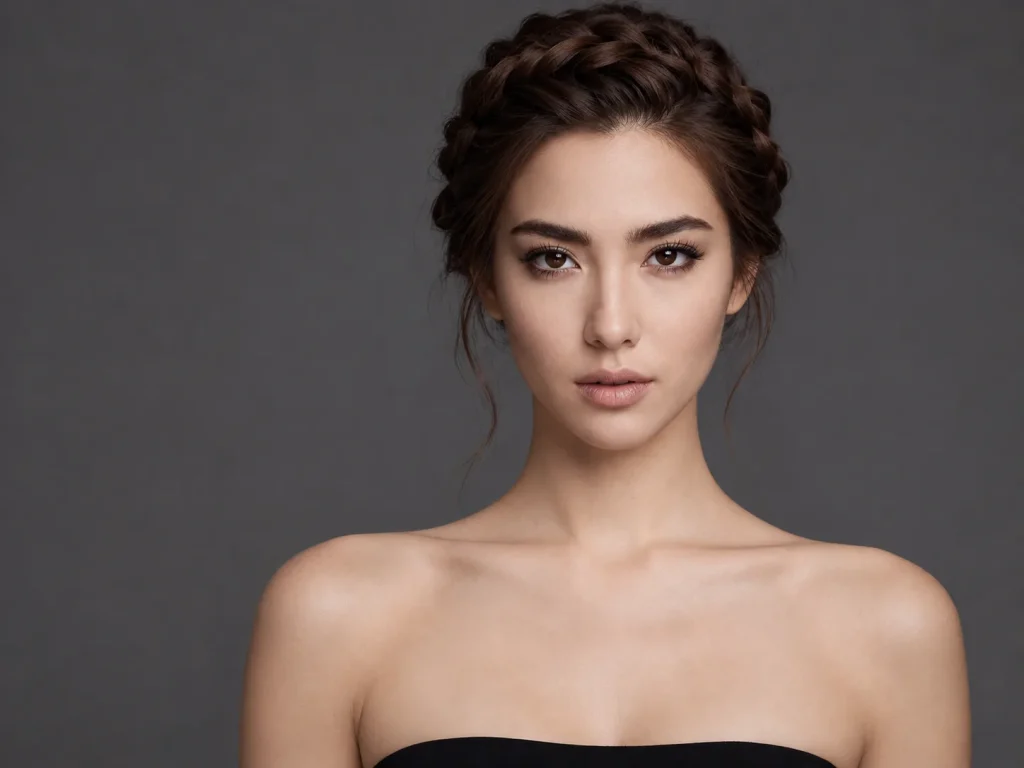
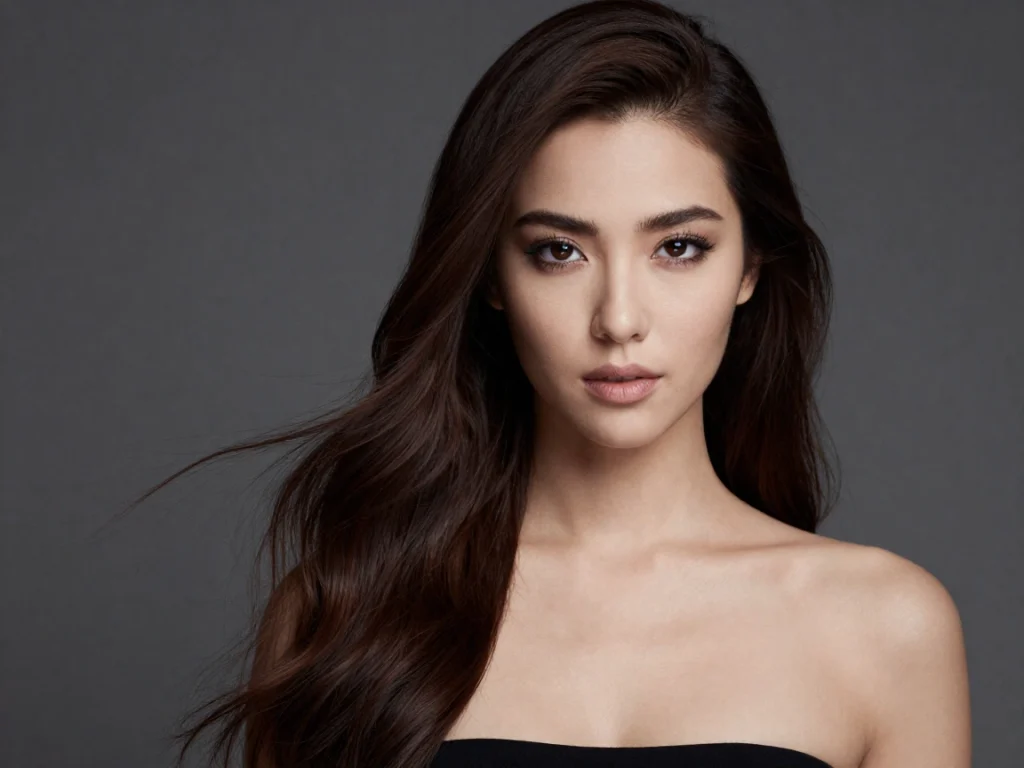
Keep the full head inside the frame
If the top of the hair is cropped, the model has less room to build volume, buns, long layers or high hairstyles consistently. A practical way to evaluate keep the full head inside the frame is to identify what should change and what should remain stable before generating. With best photo for AI hairstyle changer, the change may be hair length, fringe, texture or color, while facial features, expression, makeup, camera perspective and background are often preservation targets. This simple split makes failures much easier to diagnose.
If the top of the hair is cropped, the model has less room to build volume, buns, long layers or high hairstyles consistently. Review keep the full head inside the frame both at normal viewing size and at close zoom. At normal size, inspect the hairstyle silhouette and whether it suits the portrait. At close zoom, inspect the hairline, roots, fine strands, ear boundaries, neck, clothing overlap and any background pattern near the hair. The two views reveal different classes of problems.
Make the hairline reasonably visible
Heavy hats, hands on the forehead or very dark shadows around the temples make it harder to place fringe and short styles naturally. When testing make the hairline reasonably visible, save multiple candidates instead of forcing one weak image through many correction passes. Hair contains thousands of small edges and tonal transitions, so one version may preserve identity better while another handles strands, ears or shoulder overlap more cleanly. Comparing candidates is often faster than repeatedly repairing a poor starting point.
Heavy hats, hands on the forehead or very dark shadows around the temples make it harder to place fringe and short styles naturally. For a publishable example in Best Photos for AI Hairstyle Try-On: Angle, Lighting & Hairline, keep the before and after framing consistent. A fair comparison should not secretly improve the portrait by changing crop, exposure, makeup or face shape at the same time. That matters for readers because they should be able to see what the hairstyle operation itself contributed.
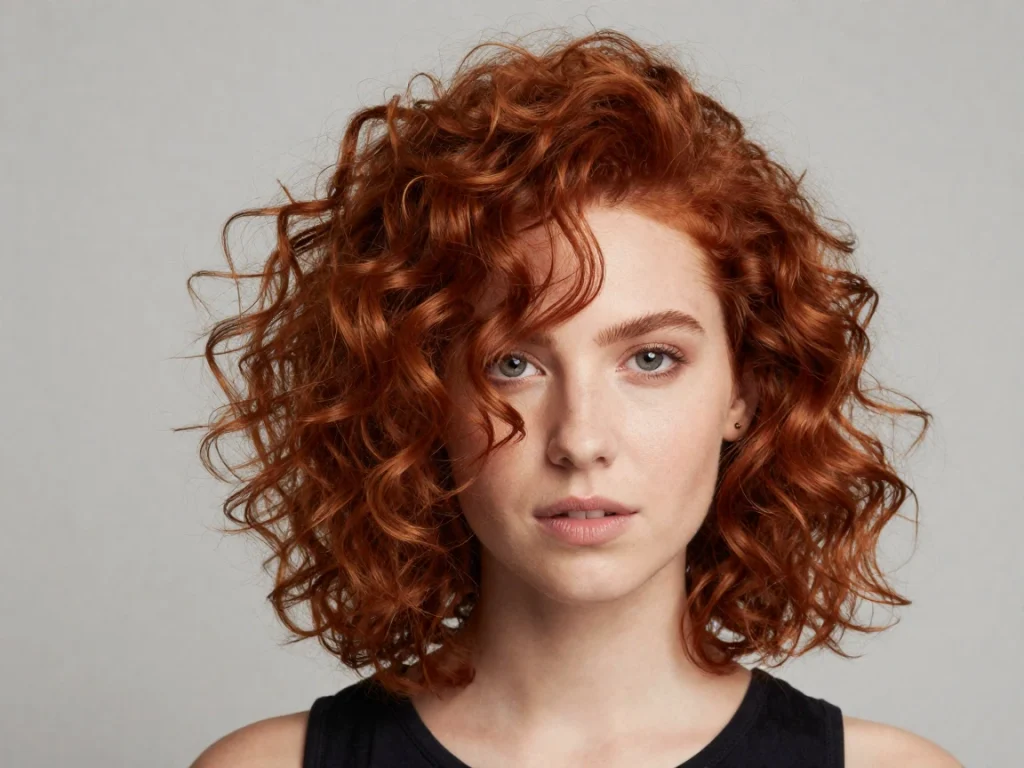
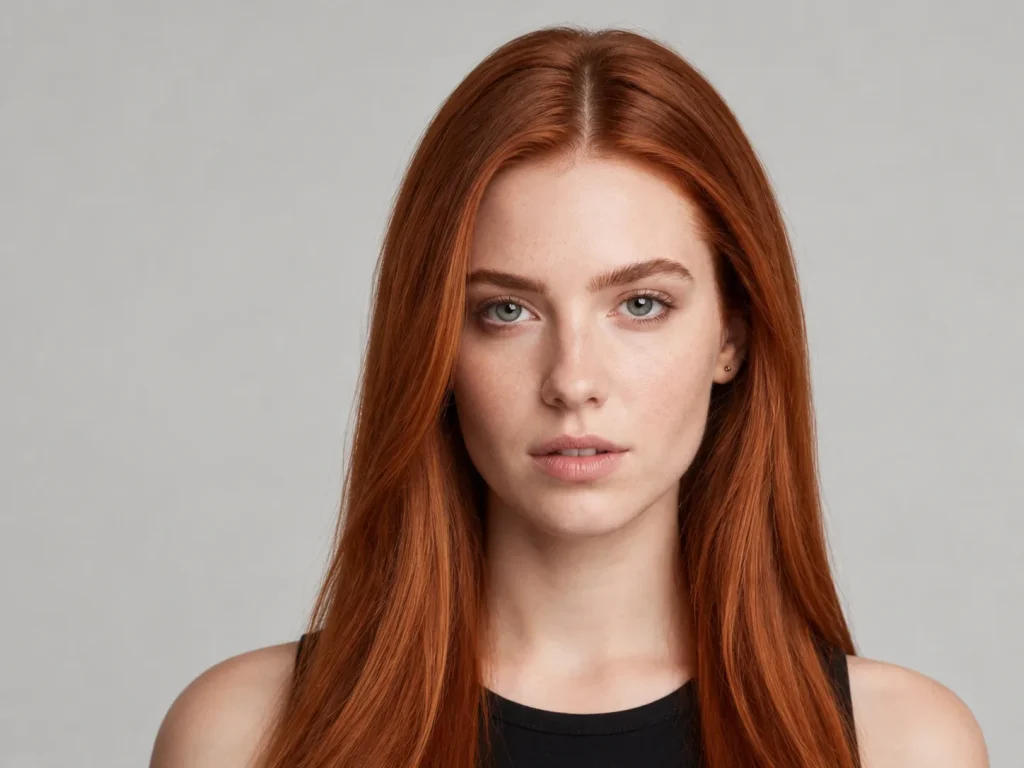
Use balanced light on the face and hair
Strong backlight or deep shadow can hide strand direction and make recoloring less predictable. Review use balanced light on the face and hair both at normal viewing size and at close zoom. At normal size, inspect the hairstyle silhouette and whether it suits the portrait. At close zoom, inspect the hairline, roots, fine strands, ear boundaries, neck, clothing overlap and any background pattern near the hair. The two views reveal different classes of problems.
Strong backlight or deep shadow can hide strand direction and make recoloring less predictable. For Best Photos for AI Hairstyle Try-On: Angle, Lighting & Hairline, judge this detail in relation to the original portrait rather than as an isolated beauty effect. Hair geometry sits next to the face, ears, neck and clothing, so a locally attractive result can still be wrong if it changes identity, head angle or scene lighting. Keep the purpose of the edit narrow and compare the result with the source at the same zoom.
Give the model enough real detail
A tiny compressed selfie can be usable, but a sharper image gives better information around eyelashes, hairline, ears and fine strands. For a publishable example in Best Photos for AI Hairstyle Try-On: Angle, Lighting & Hairline, keep the before and after framing consistent. A fair comparison should not secretly improve the portrait by changing crop, exposure, makeup or face shape at the same time. That matters for readers because they should be able to see what the hairstyle operation itself contributed.
A tiny compressed selfie can be usable, but a sharper image gives better information around eyelashes, hairline, ears and fine strands. A practical way to evaluate give the model enough real detail is to identify what should change and what should remain stable before generating. With best photo for AI hairstyle changer, the change may be hair length, fringe, texture or color, while facial features, expression, makeup, camera perspective and background are often preservation targets. This simple split makes failures much easier to diagnose.
Choose a background that separates from the hair
Dark hair on a dark wall or pale hair against a bright window can make edge reconstruction harder. For Best Photos for AI Hairstyle Try-On: Angle, Lighting & Hairline, judge this detail in relation to the original portrait rather than as an isolated beauty effect. Hair geometry sits next to the face, ears, neck and clothing, so a locally attractive result can still be wrong if it changes identity, head angle or scene lighting. Keep the purpose of the edit narrow and compare the result with the source at the same zoom.
Dark hair on a dark wall or pale hair against a bright window can make edge reconstruction harder. When testing choose a background that separates from the hair, save multiple candidates instead of forcing one weak image through many correction passes. Hair contains thousands of small edges and tonal transitions, so one version may preserve identity better while another handles strands, ears or shoulder overlap more cleanly. Comparing candidates is often faster than repeatedly repairing a poor starting point.
Avoid major occlusion when possible
Hands, hats, headphones and large accessories that cover the hair may need to be reconstructed or can interfere with the intended hairstyle. A practical way to evaluate avoid major occlusion when possible is to identify what should change and what should remain stable before generating. With best photo for AI hairstyle changer, the change may be hair length, fringe, texture or color, while facial features, expression, makeup, camera perspective and background are often preservation targets. This simple split makes failures much easier to diagnose.
Hands, hats, headphones and large accessories that cover the hair may need to be reconstructed or can interfere with the intended hairstyle. Review avoid major occlusion when possible both at normal viewing size and at close zoom. At normal size, inspect the hairstyle silhouette and whether it suits the portrait. At close zoom, inspect the hairline, roots, fine strands, ear boundaries, neck, clothing overlap and any background pattern near the hair. The two views reveal different classes of problems.
- Hands
- hats
- headphones and large accessories that cover the hair may need to be reconstructed or can interfere with the intended hairstyle
Choose a compatible hairstyle reference
A reference with similar camera angle and clear hair shape is easier to transfer than a heavily stylized image shot from the back. When testing choose a compatible hairstyle reference, save multiple candidates instead of forcing one weak image through many correction passes. Hair contains thousands of small edges and tonal transitions, so one version may preserve identity better while another handles strands, ears or shoulder overlap more cleanly. Comparing candidates is often faster than repeatedly repairing a poor starting point.
A reference with similar camera angle and clear hair shape is easier to transfer than a heavily stylized image shot from the back. For a publishable example in Best Photos for AI Hairstyle Try-On: Angle, Lighting & Hairline, keep the before and after framing consistent. A fair comparison should not secretly improve the portrait by changing crop, exposure, makeup or face shape at the same time. That matters for readers because they should be able to see what the hairstyle operation itself contributed.
Keep a small test set of useful portraits
If you plan to compare many styles, save one front view and one three-quarter view so every option can be judged under consistent conditions. Review keep a small test set of useful portraits both at normal viewing size and at close zoom. At normal size, inspect the hairstyle silhouette and whether it suits the portrait. At close zoom, inspect the hairline, roots, fine strands, ear boundaries, neck, clothing overlap and any background pattern near the hair. The two views reveal different classes of problems.
If you plan to compare many styles, save one front view and one three-quarter view so every option can be judged under consistent conditions. For Best Photos for AI Hairstyle Try-On: Angle, Lighting & Hairline, judge this detail in relation to the original portrait rather than as an isolated beauty effect. Hair geometry sits next to the face, ears, neck and clothing, so a locally attractive result can still be wrong if it changes identity, head angle or scene lighting. Keep the purpose of the edit narrow and compare the result with the source at the same zoom.
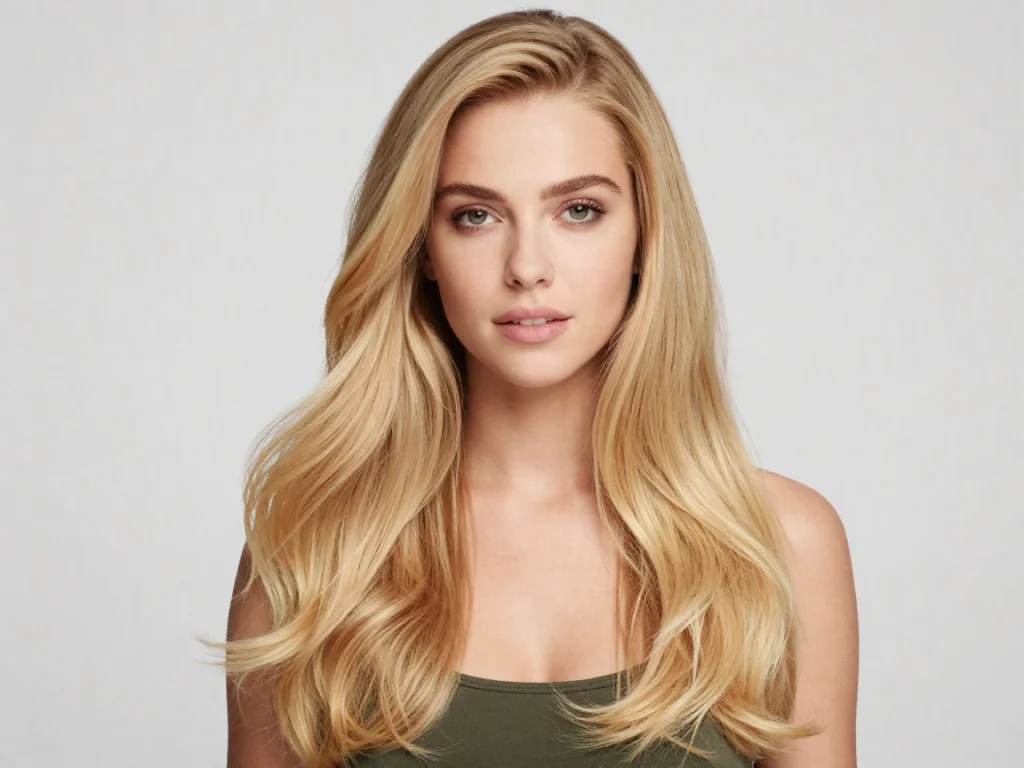
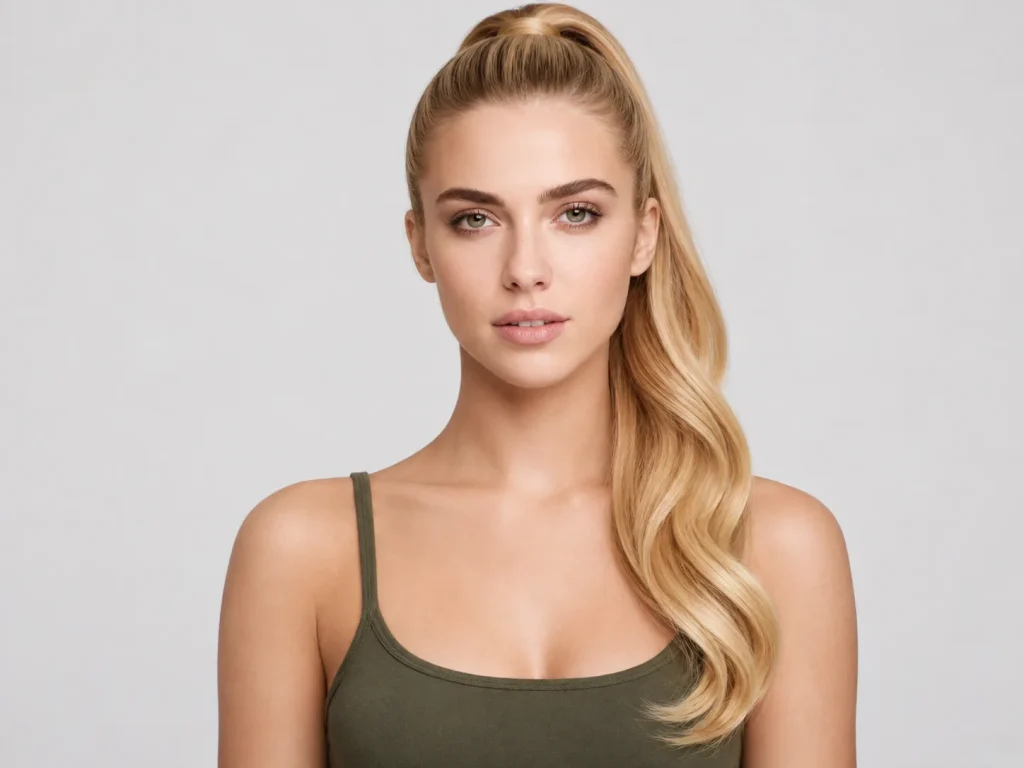
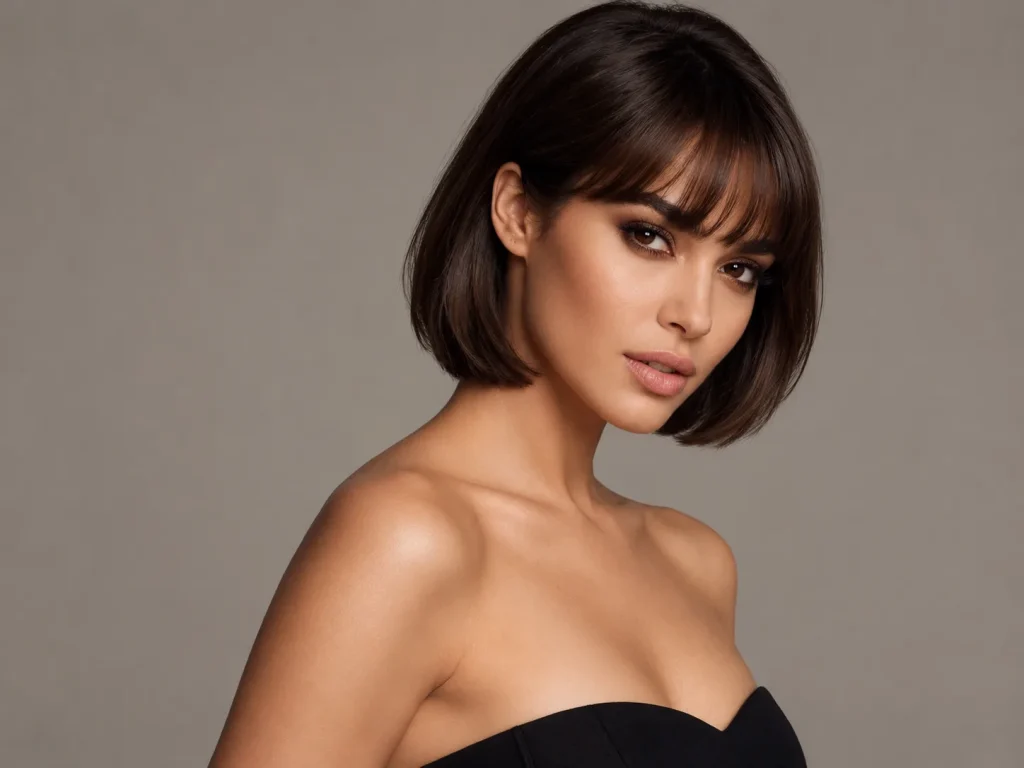
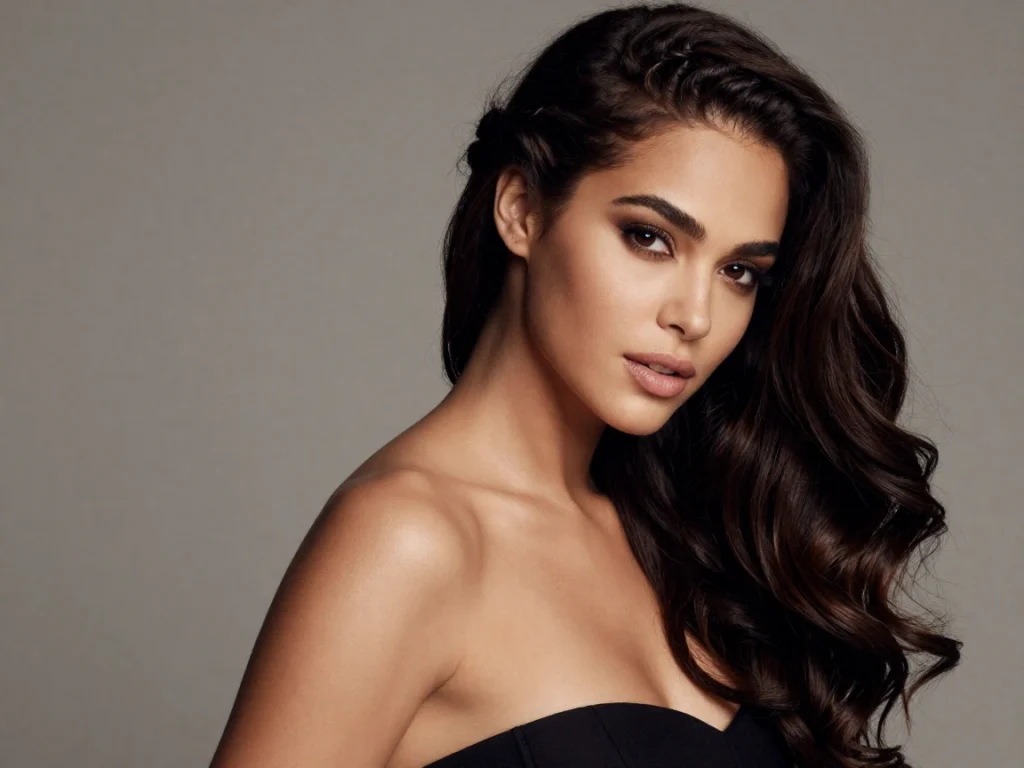
Ready-to-copy examples
Use these as starting points. Keep the preservation clause when identity matters, and change only the hairstyle attributes that are relevant to your photo.
Use this portrait as the identity source. Keep the same face, head angle, lighting and background while changing only the hairstyle.Use the second image as a hairstyle reference for length, shape and texture only. Adapt it to the head angle and lighting of the first portrait rather than copying the reference scene.A practical step-by-step workflow
Use the same controlled sequence whenever you test best photo for AI hairstyle changer. Starting from the original image each time makes comparisons cleaner and prevents small identity or texture changes from accumulating across revisions.
- 1. Choose the clearest source portrait available and keep the full head visible.
- 2. Decide the one main hair decision you want to test: shape, length, fringe, texture, reference style or color.
- 3. Preserve the face, expression, skin tone, makeup, head angle, outfit, lighting and background unless they are intentionally part of the edit.
- 4. Generate several candidates and compare silhouette first, then inspect hairline, ears, neck and strand boundaries at full size.
- 5. If a result drifts, retry from the original with a narrower instruction instead of stacking unrelated corrections onto the altered image.
Before exporting the example for Best Photos for AI Hairstyle Try-On: Angle, Lighting & Hairline, compare it with the original at the same crop and zoom. The final hairstyle should read as part of the same person and photograph, with stable identity, believable boundaries and no unrelated changes introduced just to make the new hair look polished.
Common mistakes to avoid
- Changing haircut, hair color, makeup and lighting at the same time when you only want to compare one variable.
- Using a cropped or heavily blurred portrait and then judging fine hairline detail as if the source contained it.
- Accepting a stylish result without checking whether the face, forehead, ears, jewelry or background changed.
- Treating a reference image as a promise of exact reproduction instead of guidance that must adapt to the base person.
- Using an AI salon preview as a guarantee of how real hair will behave after cutting, coloring or styling.
Related AvaClik hairstyle guides
Use these related guides when the next question is about source-photo quality, prompts, identity preservation, reference images or fixing a result that looks artificial.
- How to Change Your Hairstyle in a Photo With AI: Complete Guide
- 50 AI Hairstyle Prompts for Realistic Hair Makeovers
- How to Change Hairstyle Without Changing Your Face
- How to Copy a Hairstyle From a Reference Photo With AI
Frequently asked questions
Will an AI hairstyle preview look exactly like a real haircut?
No. It is a visual preview. Real results depend on hair density, texture, growth pattern, styling, products and the work of the stylist.
Should I use a front-facing photo?
A clear front or gentle three-quarter portrait is usually easiest because the face, hairline and overall head shape are visible.
Can AvaClik keep my original hair color?
Yes. The hairstyle workflow can keep the original shade or use another color, but always review the result for changes near the hairline and face.
Can I use a reference hairstyle photo?
Yes. AvaClik supports a second image as a hairstyle reference. Treat it as guidance rather than a guarantee of pixel-for-pixel copying.
Try the hairstyle in AvaClik
Open AvaClik AI Hairstyle Changer to test the workflow from Best Photos for AI Hairstyle Try-On: Angle, Lighting & Hairline. Use a photo you have the right to edit, choose a ready-made style or hairstyle reference, set hair color only when it is part of the test, and inspect the result carefully before saving.
Try this in AvaClik
Try the workflow in AvaClik
Upload a photo you have permission to edit, make a change, check the result and refine it.
Try AvaClik AI Hairstyle Changer ↗