How to Try Bangs With AI: Curtain, Wispy, Blunt & Side Bangs
Try curtain, wispy, blunt, side-swept and baby bangs with AI while preserving face shape, hair color and the rest of the hairstyle.
On this page
Open the AvaClik tool connected to this guide and try it on your photo.
Bangs are a small hairstyle change with a large visual effect because they sit directly over the forehead and interact with eyebrows, temples and eye area. That makes them an ideal AI try-on use case—and a demanding one for identity preservation.
Quick answer
Keep the base haircut and color unchanged, describe one fringe type with clear length and density, preserve the face and eyebrows, and compare several candidates before deciding whether the style suits the portrait.
Curtain bangs
Specify a center or soft off-center part, shorter pieces near the center and longer pieces blending toward the cheekbones. For How to Try Bangs With AI: Curtain, Wispy, Blunt & Side Bangs, judge this detail in relation to the original portrait rather than as an isolated beauty effect. Hair geometry sits next to the face, ears, neck and clothing, so a locally attractive result can still be wrong if it changes identity, head angle or scene lighting. Keep the purpose of the edit narrow and compare the result with the source at the same zoom.
Specify a center or soft off-center part, shorter pieces near the center and longer pieces blending toward the cheekbones. When testing curtain bangs, save multiple candidates instead of forcing one weak image through many correction passes. Hair contains thousands of small edges and tonal transitions, so one version may preserve identity better while another handles strands, ears or shoulder overlap more cleanly. Comparing candidates is often faster than repeatedly repairing a poor starting point.
Wispy bangs
Ask for low-to-medium density and separated fine strands so the forehead remains partially visible. A practical way to evaluate wispy bangs is to identify what should change and what should remain stable before generating. With try bangs with AI, the change may be hair length, fringe, texture or color, while facial features, expression, makeup, camera perspective and background are often preservation targets. This simple split makes failures much easier to diagnose.
Ask for low-to-medium density and separated fine strands so the forehead remains partially visible. Review wispy bangs both at normal viewing size and at close zoom. At normal size, inspect the hairstyle silhouette and whether it suits the portrait. At close zoom, inspect the hairline, roots, fine strands, ear boundaries, neck, clothing overlap and any background pattern near the hair. The two views reveal different classes of problems.
Blunt bangs
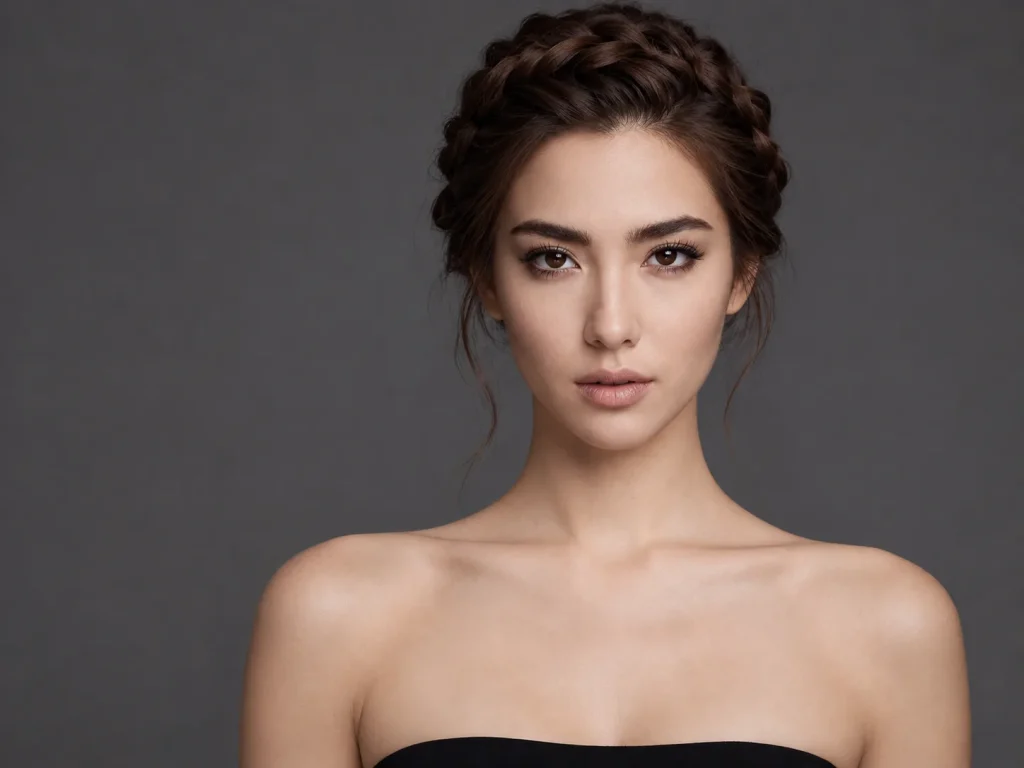
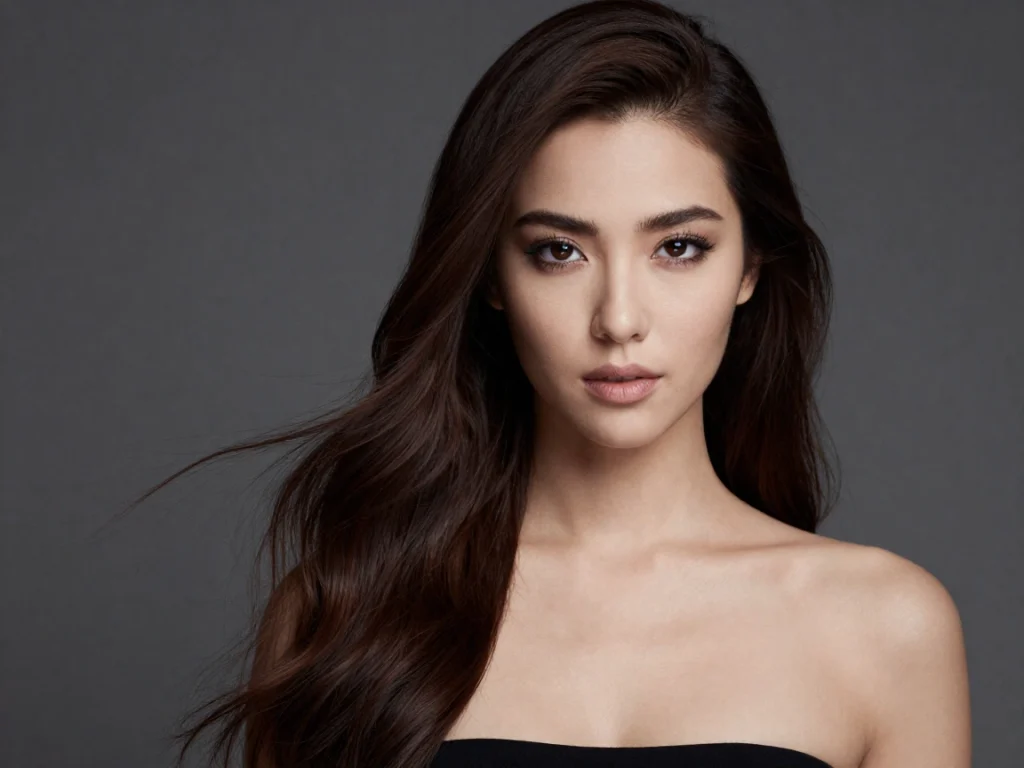
Define the bottom line carefully—above brows, brow-skimming or slightly below—and keep density consistent across the forehead. When testing blunt bangs, save multiple candidates instead of forcing one weak image through many correction passes. Hair contains thousands of small edges and tonal transitions, so one version may preserve identity better while another handles strands, ears or shoulder overlap more cleanly. Comparing candidates is often faster than repeatedly repairing a poor starting point.
Define the bottom line carefully—above brows, brow-skimming or slightly below—and keep density consistent across the forehead. For a publishable example in How to Try Bangs With AI: Curtain, Wispy, Blunt & Side Bangs, keep the before and after framing consistent. A fair comparison should not secretly improve the portrait by changing crop, exposure, makeup or face shape at the same time. That matters for readers because they should be able to see what the hairstyle operation itself contributed.
Side-swept bangs
Specify which direction the fringe moves and where it begins so the result does not become an accidental curtain fringe. Review side-swept bangs both at normal viewing size and at close zoom. At normal size, inspect the hairstyle silhouette and whether it suits the portrait. At close zoom, inspect the hairline, roots, fine strands, ear boundaries, neck, clothing overlap and any background pattern near the hair. The two views reveal different classes of problems.
Specify which direction the fringe moves and where it begins so the result does not become an accidental curtain fringe. For How to Try Bangs With AI: Curtain, Wispy, Blunt & Side Bangs, judge this detail in relation to the original portrait rather than as an isolated beauty effect. Hair geometry sits next to the face, ears, neck and clothing, so a locally attractive result can still be wrong if it changes identity, head angle or scene lighting. Keep the purpose of the edit narrow and compare the result with the source at the same zoom.
Baby bangs
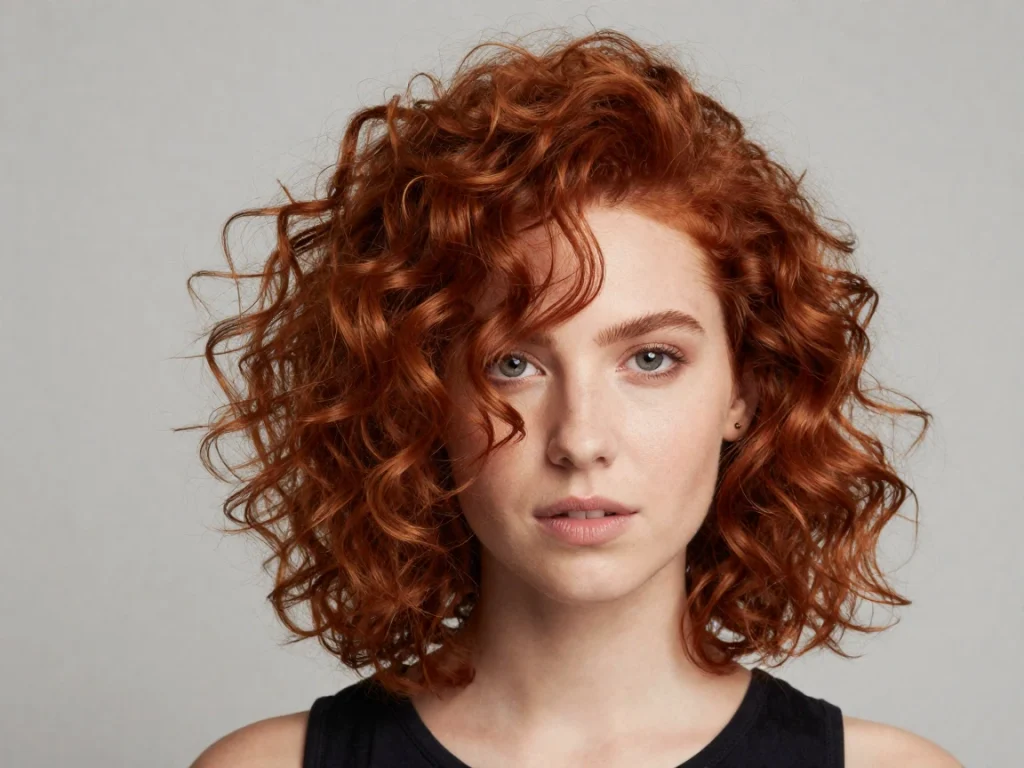
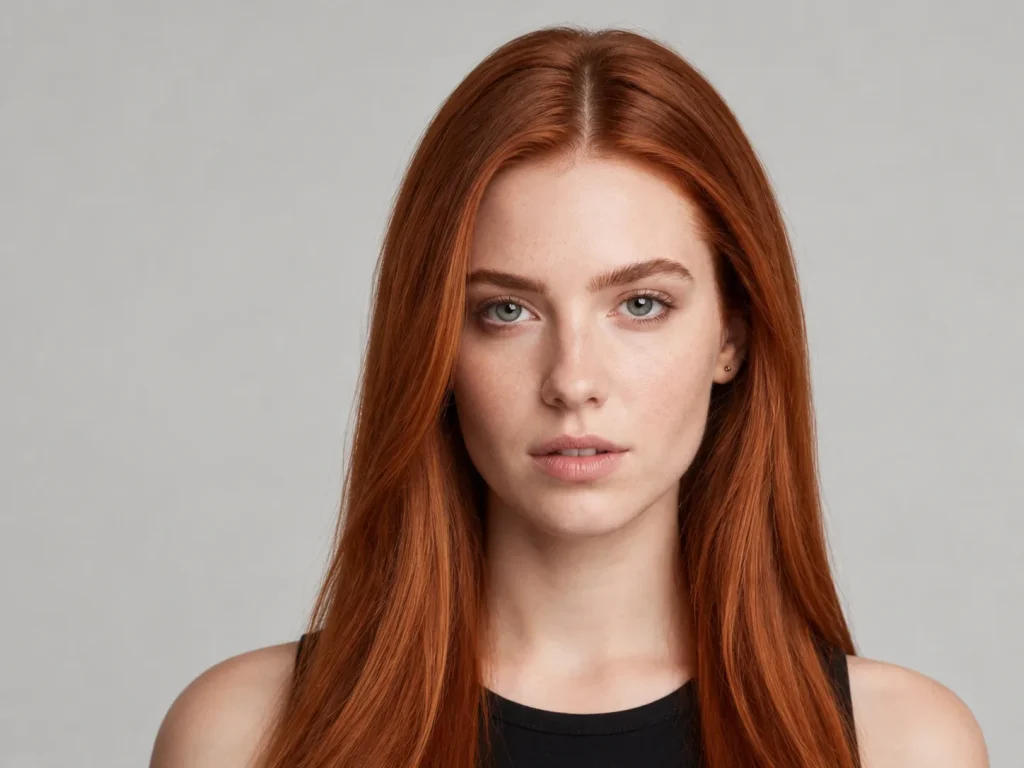
Short fringe exposes more forehead geometry, so check the hairline and brow relationship closely. For a publishable example in How to Try Bangs With AI: Curtain, Wispy, Blunt & Side Bangs, keep the before and after framing consistent. A fair comparison should not secretly improve the portrait by changing crop, exposure, makeup or face shape at the same time. That matters for readers because they should be able to see what the hairstyle operation itself contributed.
Short fringe exposes more forehead geometry, so check the hairline and brow relationship closely. A practical way to evaluate baby bangs is to identify what should change and what should remain stable before generating. With try bangs with AI, the change may be hair length, fringe, texture or color, while facial features, expression, makeup, camera perspective and background are often preservation targets. This simple split makes failures much easier to diagnose.
Density matters as much as length
Heavy and airy fringe can create completely different results even at the same length. For How to Try Bangs With AI: Curtain, Wispy, Blunt & Side Bangs, judge this detail in relation to the original portrait rather than as an isolated beauty effect. Hair geometry sits next to the face, ears, neck and clothing, so a locally attractive result can still be wrong if it changes identity, head angle or scene lighting. Keep the purpose of the edit narrow and compare the result with the source at the same zoom.
Heavy and airy fringe can create completely different results even at the same length. When testing density matters as much as length, save multiple candidates instead of forcing one weak image through many correction passes. Hair contains thousands of small edges and tonal transitions, so one version may preserve identity better while another handles strands, ears or shoulder overlap more cleanly. Comparing candidates is often faster than repeatedly repairing a poor starting point.
Preserve eyebrows and face shape
The model should not reshape brows, forehead or eyes just to make the new fringe fit. A practical way to evaluate preserve eyebrows and face shape is to identify what should change and what should remain stable before generating. With try bangs with AI, the change may be hair length, fringe, texture or color, while facial features, expression, makeup, camera perspective and background are often preservation targets. This simple split makes failures much easier to diagnose.
The model should not reshape brows, forehead or eyes just to make the new fringe fit. Review preserve eyebrows and face shape both at normal viewing size and at close zoom. At normal size, inspect the hairstyle silhouette and whether it suits the portrait. At close zoom, inspect the hairline, roots, fine strands, ear boundaries, neck, clothing overlap and any background pattern near the hair. The two views reveal different classes of problems.
Blend bangs into the side hair
A good result should show believable transitions at the temples rather than a disconnected fringe pasted over the forehead. When testing blend bangs into the side hair, save multiple candidates instead of forcing one weak image through many correction passes. Hair contains thousands of small edges and tonal transitions, so one version may preserve identity better while another handles strands, ears or shoulder overlap more cleanly. Comparing candidates is often faster than repeatedly repairing a poor starting point.
A good result should show believable transitions at the temples rather than a disconnected fringe pasted over the forehead. For a publishable example in How to Try Bangs With AI: Curtain, Wispy, Blunt & Side Bangs, keep the before and after framing consistent. A fair comparison should not secretly improve the portrait by changing crop, exposure, makeup or face shape at the same time. That matters for readers because they should be able to see what the hairstyle operation itself contributed.
Match color and texture to the rest of the hair
If the original hair is wavy, a perfectly flat fringe may look artificial unless that contrast is intentional. Review match color and texture to the rest of the hair both at normal viewing size and at close zoom. At normal size, inspect the hairstyle silhouette and whether it suits the portrait. At close zoom, inspect the hairline, roots, fine strands, ear boundaries, neck, clothing overlap and any background pattern near the hair. The two views reveal different classes of problems.
If the original hair is wavy, a perfectly flat fringe may look artificial unless that contrast is intentional. For How to Try Bangs With AI: Curtain, Wispy, Blunt & Side Bangs, judge this detail in relation to the original portrait rather than as an isolated beauty effect. Hair geometry sits next to the face, ears, neck and clothing, so a locally attractive result can still be wrong if it changes identity, head angle or scene lighting. Keep the purpose of the edit narrow and compare the result with the source at the same zoom.
Compare several fringe types on the same portrait
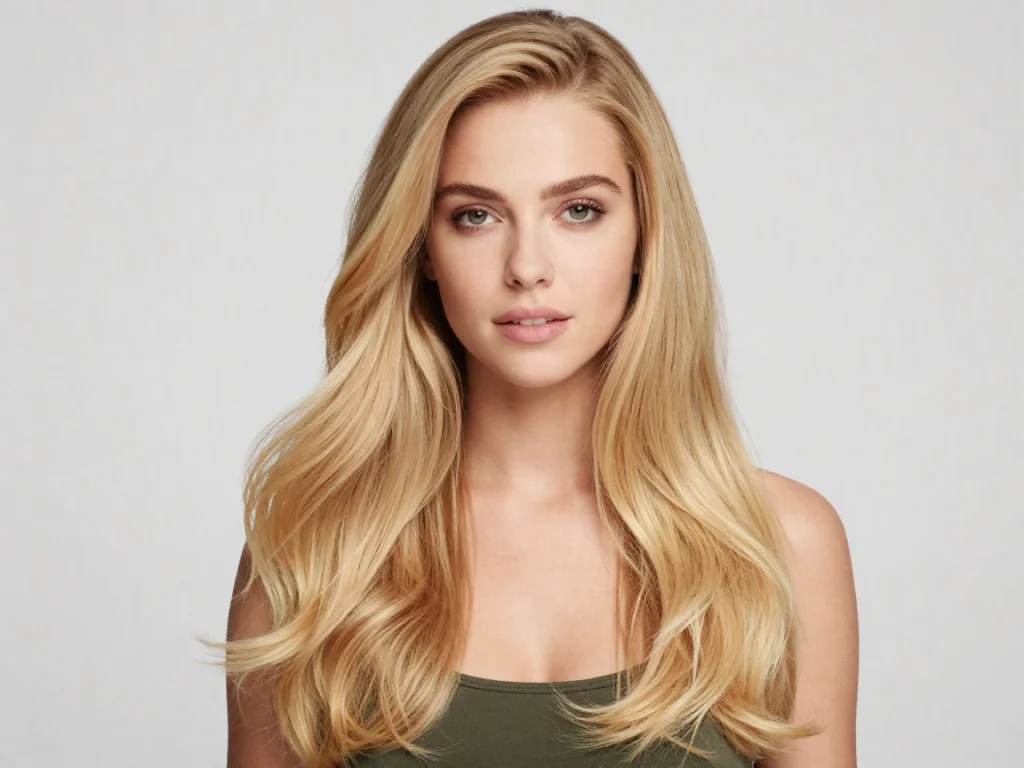
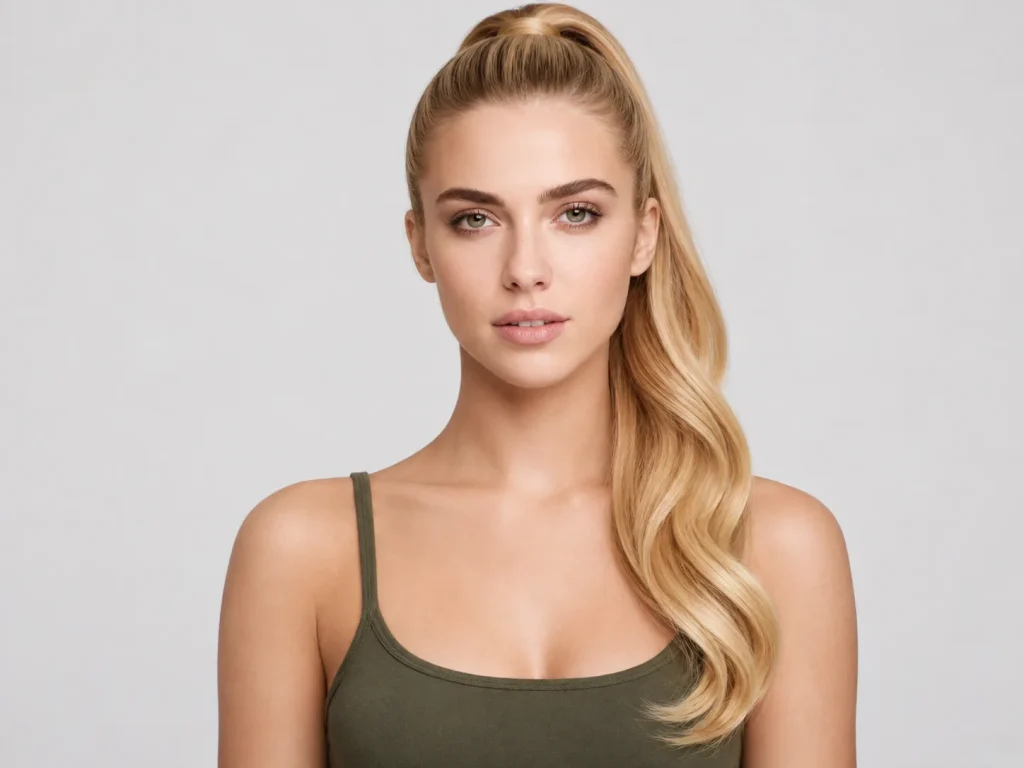
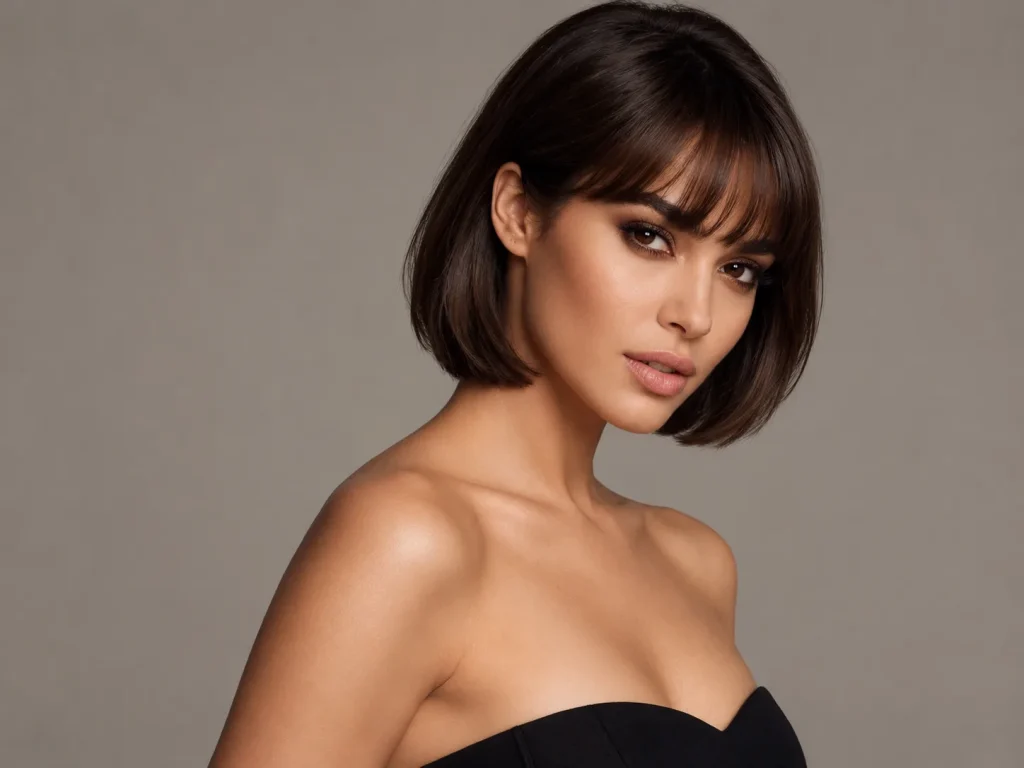
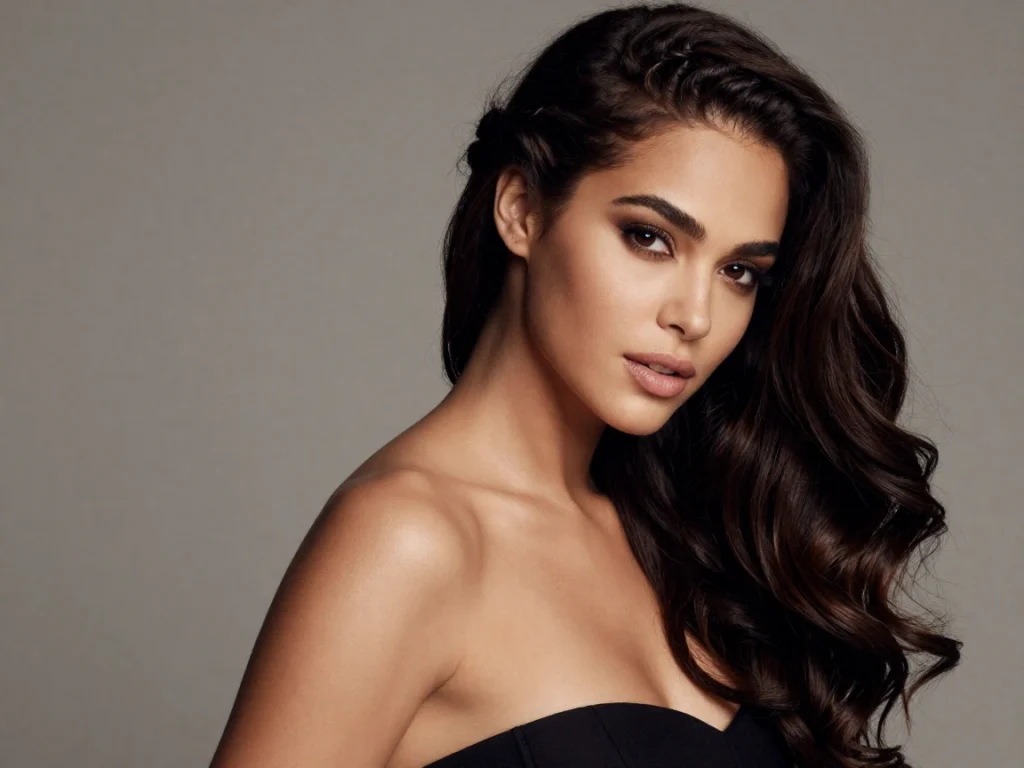
Bangs decisions are easier when curtain, wispy and blunt versions use identical face, crop, color and lighting. For a publishable example in How to Try Bangs With AI: Curtain, Wispy, Blunt & Side Bangs, keep the before and after framing consistent. A fair comparison should not secretly improve the portrait by changing crop, exposure, makeup or face shape at the same time. That matters for readers because they should be able to see what the hairstyle operation itself contributed.
Bangs decisions are easier when curtain, wispy and blunt versions use identical face, crop, color and lighting. A practical way to evaluate compare several fringe types on the same portrait is to identify what should change and what should remain stable before generating. With try bangs with AI, the change may be hair length, fringe, texture or color, while facial features, expression, makeup, camera perspective and background are often preservation targets. This simple split makes failures much easier to diagnose.
Ready-to-copy examples
Use these as starting points. Keep the preservation clause when identity matters, and change only the hairstyle attributes that are relevant to your photo.
Add soft curtain bangs with a gentle center part, shorter in the middle and blending toward the cheekbones. Preserve the same haircut length, hair color, facial features, eyebrows, expression and lighting.Add light wispy bangs that partially reveal the forehead, with fine separated strands ending around the eyebrows. Keep the same face and the rest of the hairstyle unchanged.Add straight blunt bangs with medium density ending just above the eyebrows. Preserve the original hair color, face shape, eyes, eyebrows and overall haircut length.A practical step-by-step workflow
Use the same controlled sequence whenever you test try bangs with AI. Starting from the original image each time makes comparisons cleaner and prevents small identity or texture changes from accumulating across revisions.
- 1. Choose the clearest source portrait available and keep the full head visible.
- 2. Decide the one main hair decision you want to test: shape, length, fringe, texture, reference style or color.
- 3. Preserve the face, expression, skin tone, makeup, head angle, outfit, lighting and background unless they are intentionally part of the edit.
- 4. Generate several candidates and compare silhouette first, then inspect hairline, ears, neck and strand boundaries at full size.
- 5. If a result drifts, retry from the original with a narrower instruction instead of stacking unrelated corrections onto the altered image.
Before exporting the example for How to Try Bangs With AI: Curtain, Wispy, Blunt & Side Bangs, compare it with the original at the same crop and zoom. The final hairstyle should read as part of the same person and photograph, with stable identity, believable boundaries and no unrelated changes introduced just to make the new hair look polished.
Common mistakes to avoid
- Changing haircut, hair color, makeup and lighting at the same time when you only want to compare one variable.
- Using a cropped or heavily blurred portrait and then judging fine hairline detail as if the source contained it.
- Accepting a stylish result without checking whether the face, forehead, ears, jewelry or background changed.
- Treating a reference image as a promise of exact reproduction instead of guidance that must adapt to the base person.
- Using an AI salon preview as a guarantee of how real hair will behave after cutting, coloring or styling.
Related AvaClik hairstyle guides
Use these related guides when the next question is about source-photo quality, prompts, identity preservation, reference images or fixing a result that looks artificial.
- How to Change Your Hairstyle in a Photo With AI: Complete Guide
- 50 AI Hairstyle Prompts for Realistic Hair Makeovers
- How to Change Hairstyle Without Changing Your Face
- Best Photos for AI Hairstyle Try-On: Angle, Lighting & Hairline
Frequently asked questions
Will an AI hairstyle preview look exactly like a real haircut?
No. It is a visual preview. Real results depend on hair density, texture, growth pattern, styling, products and the work of the stylist.
Should I use a front-facing photo?
A clear front or gentle three-quarter portrait is usually easiest because the face, hairline and overall head shape are visible.
Can AvaClik keep my original hair color?
Yes. The hairstyle workflow can keep the original shade or use another color, but always review the result for changes near the hairline and face.
Can I use a reference hairstyle photo?
Yes. AvaClik supports a second image as a hairstyle reference. Treat it as guidance rather than a guarantee of pixel-for-pixel copying.
Try the hairstyle in AvaClik
Open AvaClik AI Hairstyle Changer to test the workflow from How to Try Bangs With AI: Curtain, Wispy, Blunt & Side Bangs. Use a photo you have the right to edit, choose a ready-made style or hairstyle reference, set hair color only when it is part of the test, and inspect the result carefully before saving.
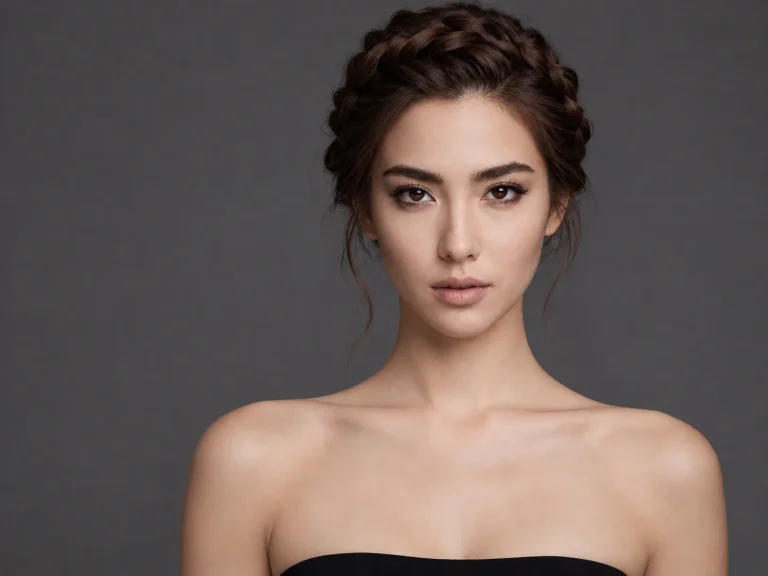
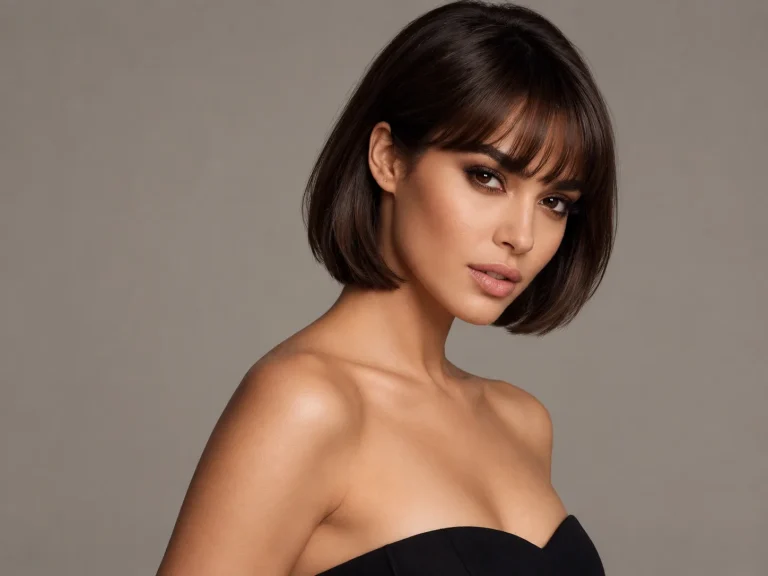
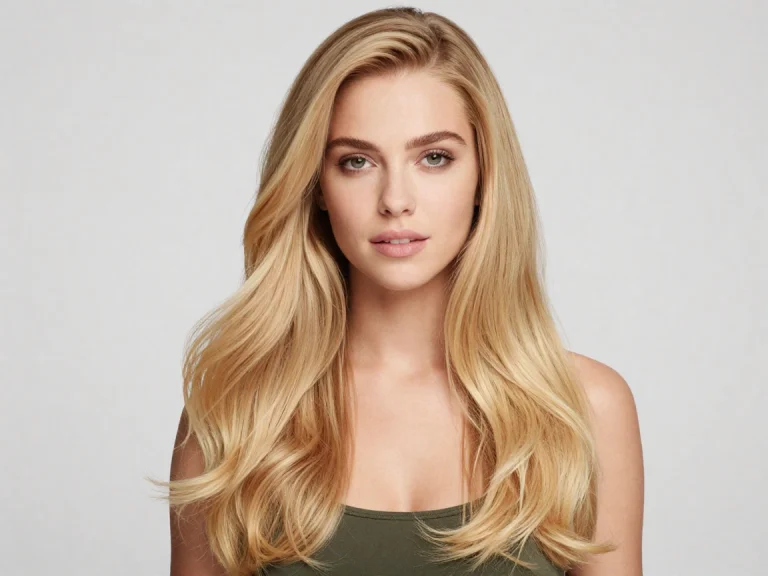
Try this in AvaClik
Try the workflow in AvaClik
Upload a photo you have permission to edit, make a change, check the result and refine it.
Try AvaClik AI Hairstyle Changer ↗