30 AI Hairstyles for Women to Try on Your Photo
Explore 30 women’s hairstyle ideas for AI try-on, from bobs and pixies to layers, bangs, waves, curls, braids and updos.
On this page
Open the AvaClik tool connected to this guide and try it on your photo.
A useful hairstyle idea list should cover visibly different silhouettes rather than thirty small variations of the same cut. For try-on, compare length, fringe, parting, texture and volume so each option teaches you something about the look.
Quick answer
Use one consistent portrait and test hairstyle families in groups: short cuts, medium cuts, long layers, bangs, textured styles and tied or braided looks. Keep the face and color stable while comparing shape.
Short women’s hairstyles
Use pixie, bixie, short crop and ear-length bob ideas to compare exposed ears, jawline and head silhouette. Review short women’s hairstyles both at normal viewing size and at close zoom. At normal size, inspect the hairstyle silhouette and whether it suits the portrait. At close zoom, inspect the hairline, roots, fine strands, ear boundaries, neck, clothing overlap and any background pattern near the hair. The two views reveal different classes of problems.
Use pixie, bixie, short crop and ear-length bob ideas to compare exposed ears, jawline and head silhouette. For 30 AI Hairstyles for Women to Try on Your Photo, judge this detail in relation to the original portrait rather than as an isolated beauty effect. Hair geometry sits next to the face, ears, neck and clothing, so a locally attractive result can still be wrong if it changes identity, head angle or scene lighting. Keep the purpose of the edit narrow and compare the result with the source at the same zoom.
Bob variations
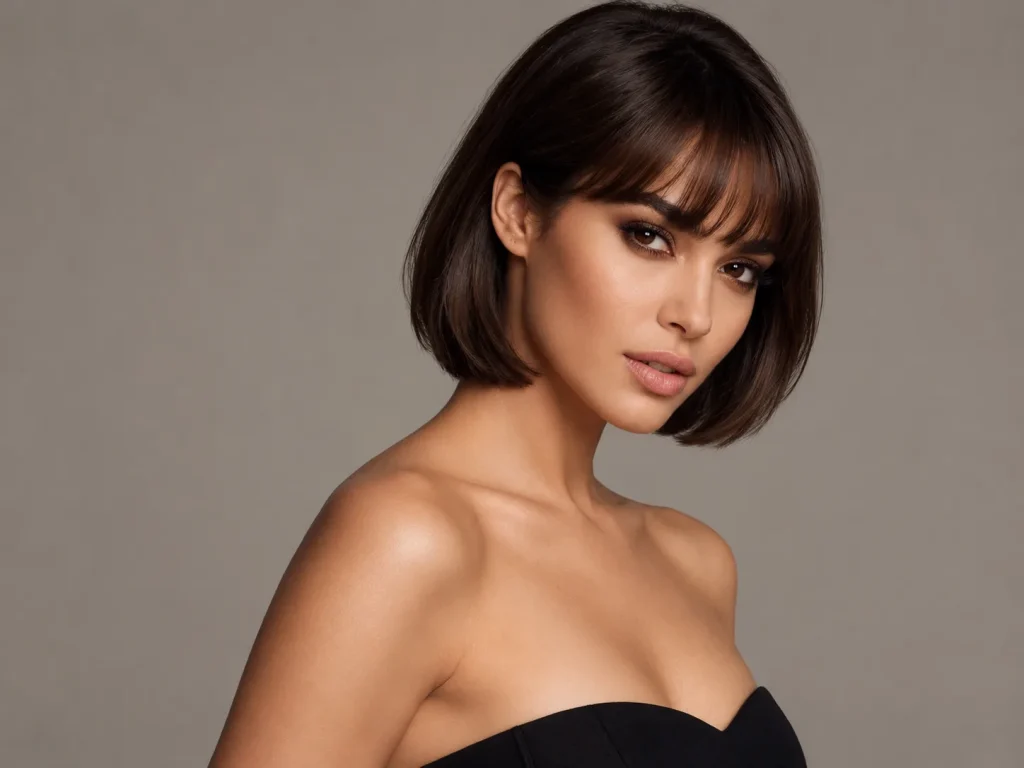
Compare blunt bob, French bob, graduated bob, textured bob and side-parted bob rather than treating “bob” as one style. For a publishable example in 30 AI Hairstyles for Women to Try on Your Photo, keep the before and after framing consistent. A fair comparison should not secretly improve the portrait by changing crop, exposure, makeup or face shape at the same time. That matters for readers because they should be able to see what the hairstyle operation itself contributed.
Compare blunt bob, French bob, graduated bob, textured bob and side-parted bob rather than treating “bob” as one style. A practical way to evaluate bob variations is to identify what should change and what should remain stable before generating. With AI hairstyles for women, the change may be hair length, fringe, texture or color, while facial features, expression, makeup, camera perspective and background are often preservation targets. This simple split makes failures much easier to diagnose.
- Compare blunt bob
- French bob
- graduated bob
- textured bob and side-parted bob rather than treating “bob” as one style
Lob and medium-length cuts
Collarbone and shoulder-length shapes are useful intermediate options for people who want change without going very short. For 30 AI Hairstyles for Women to Try on Your Photo, judge this detail in relation to the original portrait rather than as an isolated beauty effect. Hair geometry sits next to the face, ears, neck and clothing, so a locally attractive result can still be wrong if it changes identity, head angle or scene lighting. Keep the purpose of the edit narrow and compare the result with the source at the same zoom.
Collarbone and shoulder-length shapes are useful intermediate options for people who want change without going very short. When testing lob and medium-length cuts, save multiple candidates instead of forcing one weak image through many correction passes. Hair contains thousands of small edges and tonal transitions, so one version may preserve identity better while another handles strands, ears or shoulder overlap more cleanly. Comparing candidates is often faster than repeatedly repairing a poor starting point.
Layered cuts
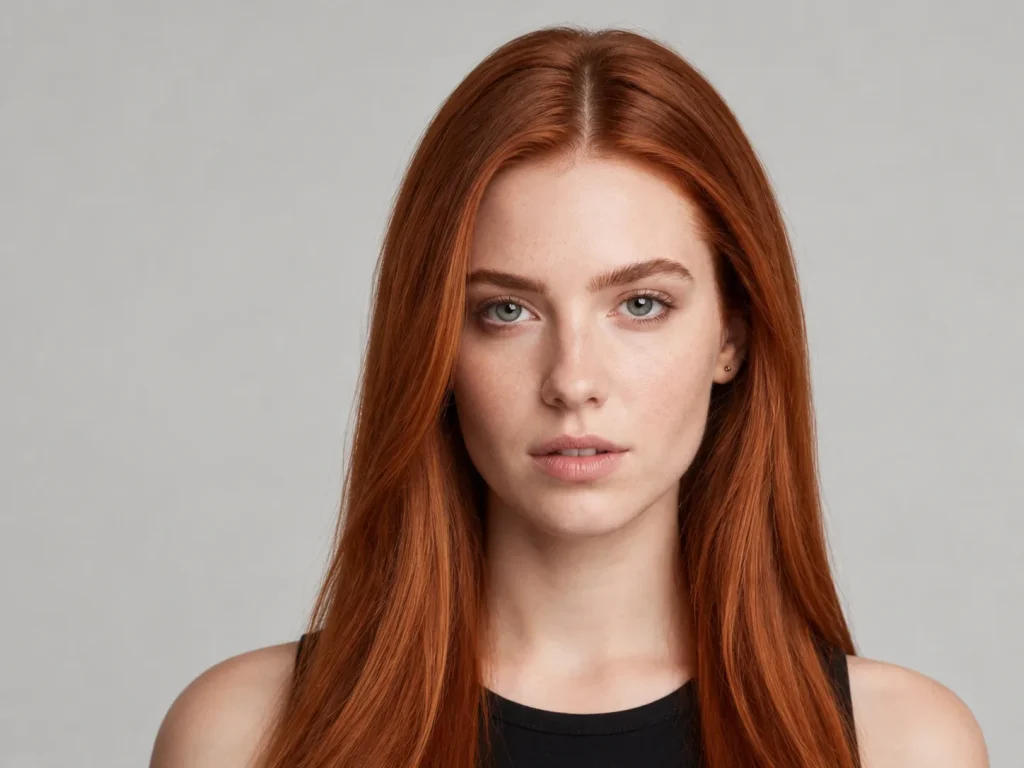
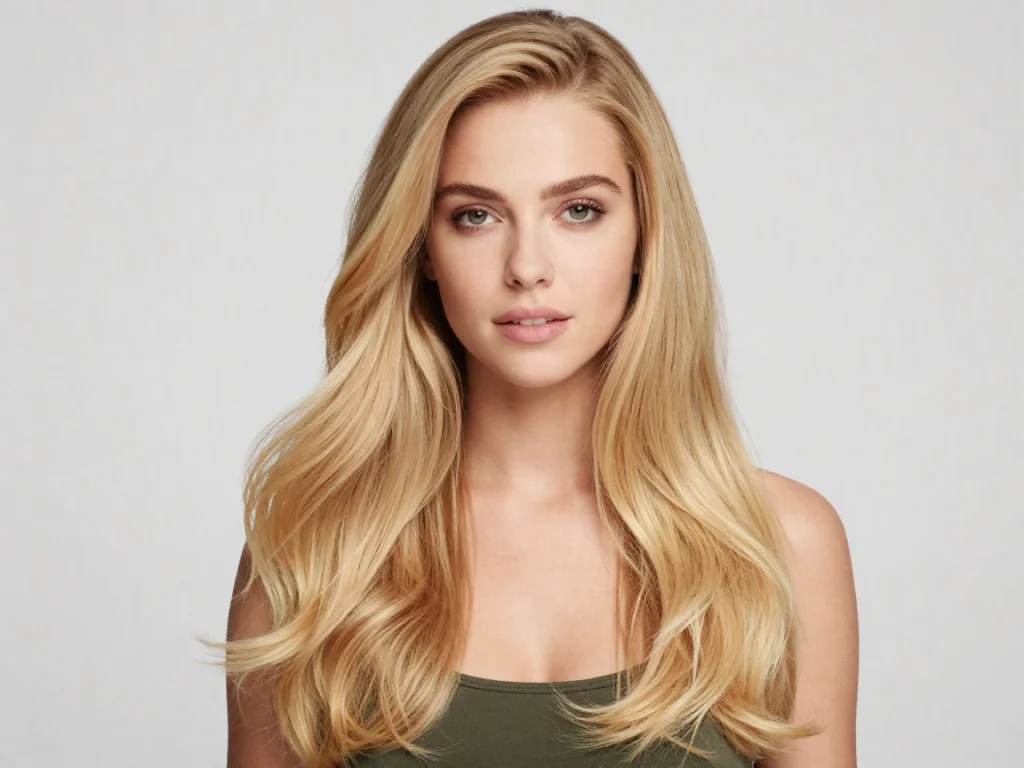
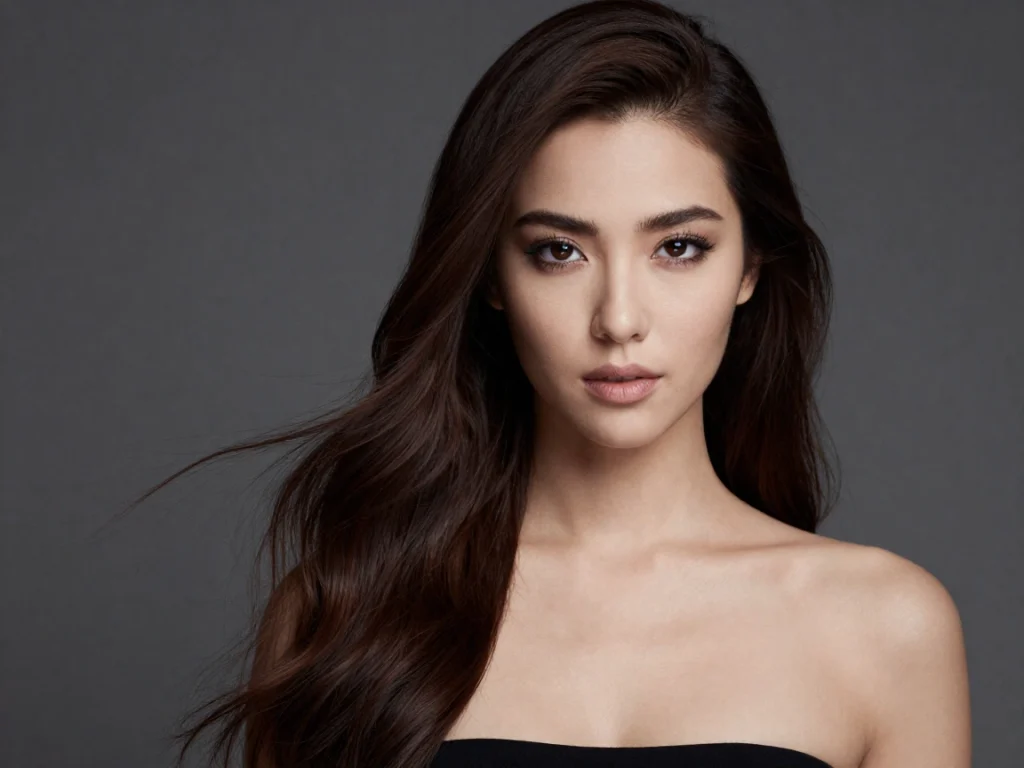
Long layers, butterfly-inspired layers and soft face-framing shapes create movement without removing most length. A practical way to evaluate layered cuts is to identify what should change and what should remain stable before generating. With AI hairstyles for women, the change may be hair length, fringe, texture or color, while facial features, expression, makeup, camera perspective and background are often preservation targets. This simple split makes failures much easier to diagnose.
Long layers, butterfly-inspired layers and soft face-framing shapes create movement without removing most length. Review layered cuts both at normal viewing size and at close zoom. At normal size, inspect the hairstyle silhouette and whether it suits the portrait. At close zoom, inspect the hairline, roots, fine strands, ear boundaries, neck, clothing overlap and any background pattern near the hair. The two views reveal different classes of problems.
Bangs
Curtain, wispy, side and blunt fringe can be tested separately on the same base haircut. When testing bangs, save multiple candidates instead of forcing one weak image through many correction passes. Hair contains thousands of small edges and tonal transitions, so one version may preserve identity better while another handles strands, ears or shoulder overlap more cleanly. Comparing candidates is often faster than repeatedly repairing a poor starting point.
Curtain, wispy, side and blunt fringe can be tested separately on the same base haircut. For a publishable example in 30 AI Hairstyles for Women to Try on Your Photo, keep the before and after framing consistent. A fair comparison should not secretly improve the portrait by changing crop, exposure, makeup or face shape at the same time. That matters for readers because they should be able to see what the hairstyle operation itself contributed.
- Curtain
- wispy
- side and blunt fringe can be tested separately on the same base haircut
Wavy styles
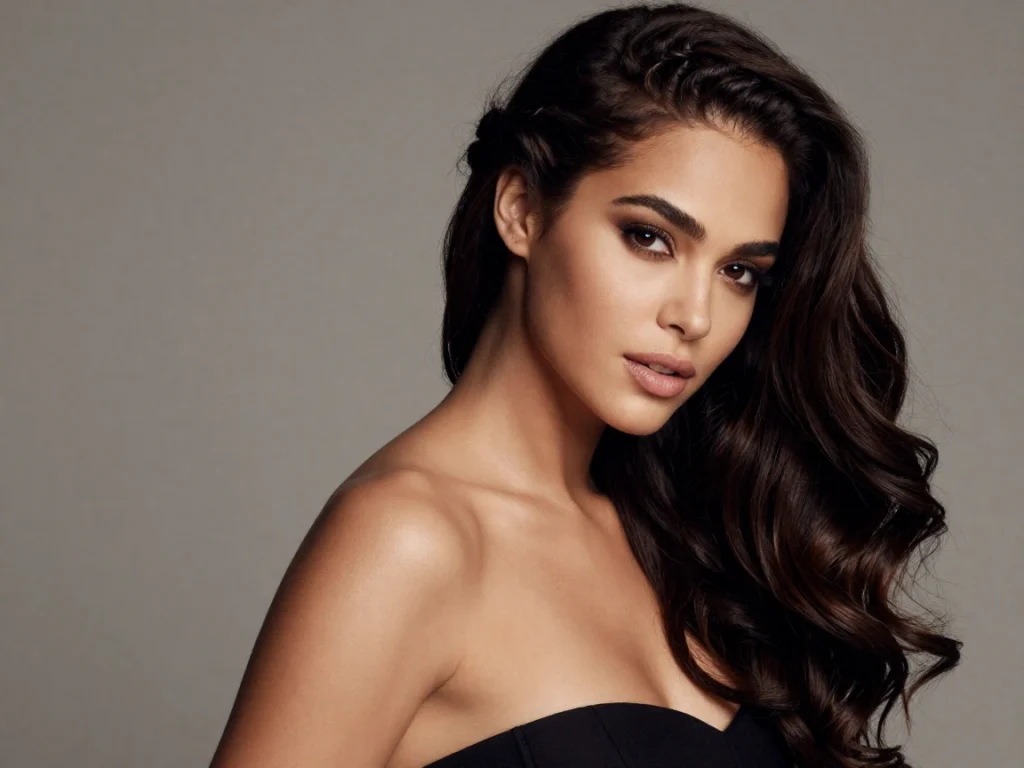
Loose waves, polished waves and tousled texture change the mood without necessarily changing the haircut structure. Review wavy styles both at normal viewing size and at close zoom. At normal size, inspect the hairstyle silhouette and whether it suits the portrait. At close zoom, inspect the hairline, roots, fine strands, ear boundaries, neck, clothing overlap and any background pattern near the hair. The two views reveal different classes of problems.
Loose waves, polished waves and tousled texture change the mood without necessarily changing the haircut structure. For 30 AI Hairstyles for Women to Try on Your Photo, judge this detail in relation to the original portrait rather than as an isolated beauty effect. Hair geometry sits next to the face, ears, neck and clothing, so a locally attractive result can still be wrong if it changes identity, head angle or scene lighting. Keep the purpose of the edit narrow and compare the result with the source at the same zoom.
Curly styles
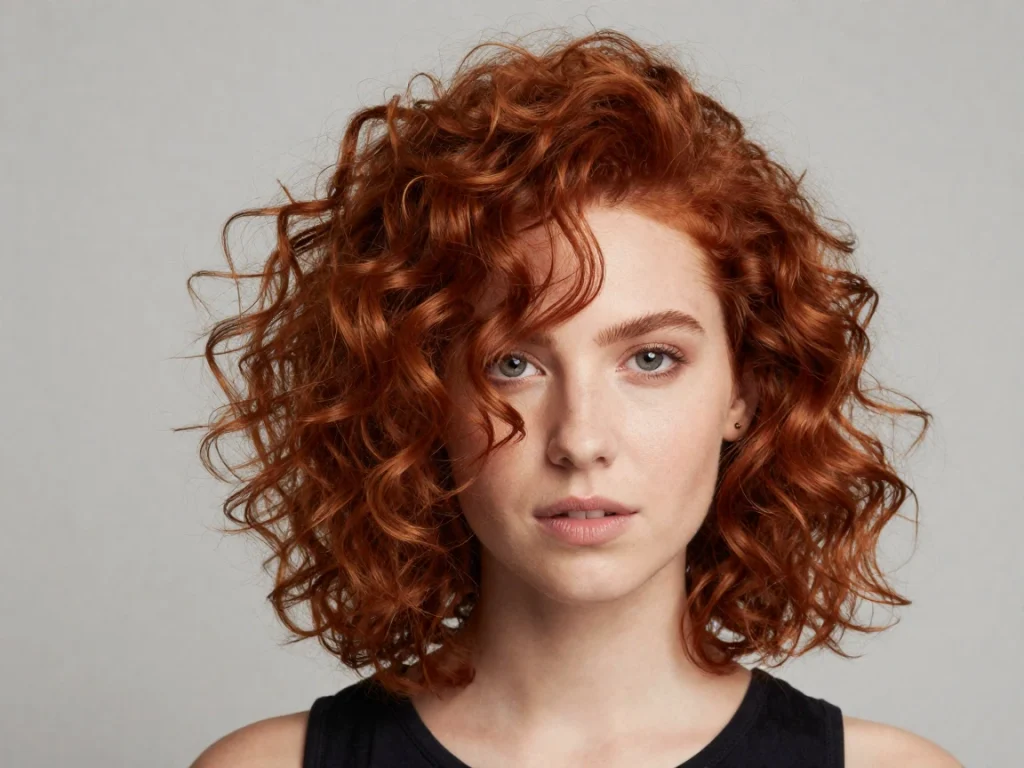
Defined curls, soft curls and voluminous curls should keep consistent texture and realistic root behavior. For a publishable example in 30 AI Hairstyles for Women to Try on Your Photo, keep the before and after framing consistent. A fair comparison should not secretly improve the portrait by changing crop, exposure, makeup or face shape at the same time. That matters for readers because they should be able to see what the hairstyle operation itself contributed.
Defined curls, soft curls and voluminous curls should keep consistent texture and realistic root behavior. A practical way to evaluate curly styles is to identify what should change and what should remain stable before generating. With AI hairstyles for women, the change may be hair length, fringe, texture or color, while facial features, expression, makeup, camera perspective and background are often preservation targets. This simple split makes failures much easier to diagnose.
Braids and protective styling references
Braids and structured styles need clear parting and edge detail; reference images can be particularly helpful. For 30 AI Hairstyles for Women to Try on Your Photo, judge this detail in relation to the original portrait rather than as an isolated beauty effect. Hair geometry sits next to the face, ears, neck and clothing, so a locally attractive result can still be wrong if it changes identity, head angle or scene lighting. Keep the purpose of the edit narrow and compare the result with the source at the same zoom.
Braids and structured styles need clear parting and edge detail; reference images can be particularly helpful. When testing braids and protective styling references, save multiple candidates instead of forcing one weak image through many correction passes. Hair contains thousands of small edges and tonal transitions, so one version may preserve identity better while another handles strands, ears or shoulder overlap more cleanly. Comparing candidates is often faster than repeatedly repairing a poor starting point.
Updos and tied styles
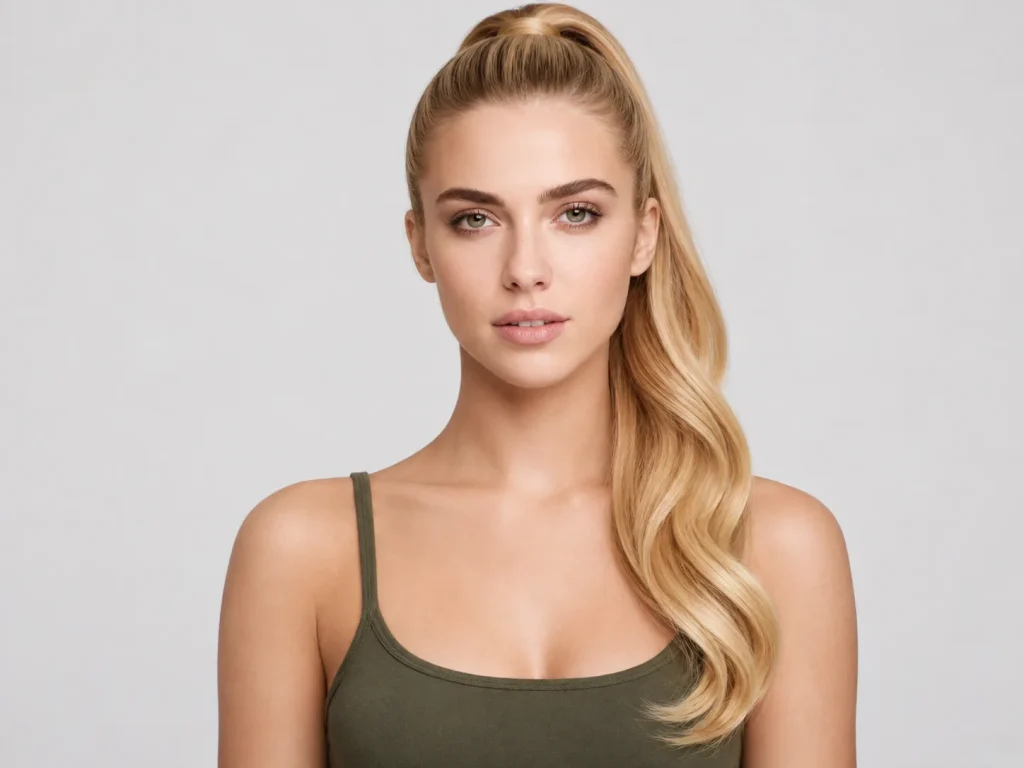
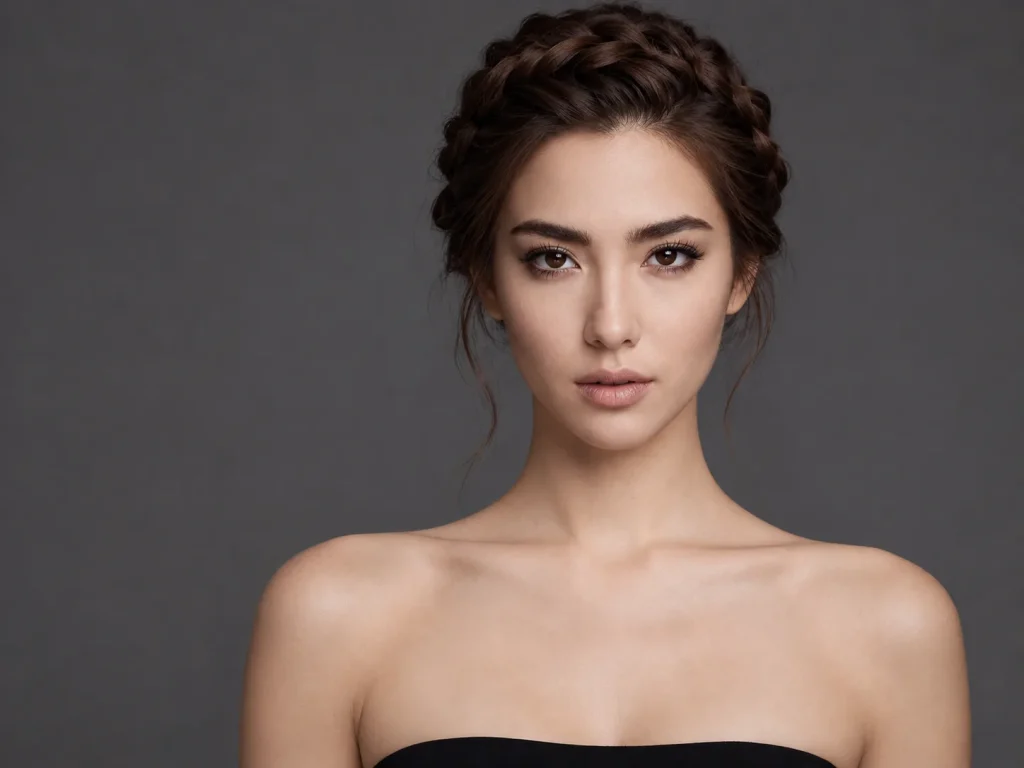
Low buns, high buns, ponytails and half-up styles reveal more neck and ears and may change visible accessory relationships. A practical way to evaluate updos and tied styles is to identify what should change and what should remain stable before generating. With AI hairstyles for women, the change may be hair length, fringe, texture or color, while facial features, expression, makeup, camera perspective and background are often preservation targets. This simple split makes failures much easier to diagnose.
Low buns, high buns, ponytails and half-up styles reveal more neck and ears and may change visible accessory relationships. Review updos and tied styles both at normal viewing size and at close zoom. At normal size, inspect the hairstyle silhouette and whether it suits the portrait. At close zoom, inspect the hairline, roots, fine strands, ear boundaries, neck, clothing overlap and any background pattern near the hair. The two views reveal different classes of problems.
Build a useful comparison board
Save six to eight meaningfully different candidates rather than dozens of near-duplicates, then narrow the list by silhouette and maintenance needs. When testing build a useful comparison board, save multiple candidates instead of forcing one weak image through many correction passes. Hair contains thousands of small edges and tonal transitions, so one version may preserve identity better while another handles strands, ears or shoulder overlap more cleanly. Comparing candidates is often faster than repeatedly repairing a poor starting point.
Save six to eight meaningfully different candidates rather than dozens of near-duplicates, then narrow the list by silhouette and maintenance needs. For a publishable example in 30 AI Hairstyles for Women to Try on Your Photo, keep the before and after framing consistent. A fair comparison should not secretly improve the portrait by changing crop, exposure, makeup or face shape at the same time. That matters for readers because they should be able to see what the hairstyle operation itself contributed.
30 ready-to-copy hairstyle prompts
Use these as starting points. Keep the preservation clause when identity matters, and change only the hairstyle attributes that are relevant to your photo.
Try a soft pixie hairstyle with realistic texture and proportions. Keep the same face, expression, makeup, hair color unless the style requires a color note, outfit, head angle, lighting and background unchanged.Try a textured pixie hairstyle with realistic texture and proportions. Keep the same face, expression, makeup, hair color unless the style requires a color note, outfit, head angle, lighting and background unchanged.Try a bixie hairstyle with realistic texture and proportions. Keep the same face, expression, makeup, hair color unless the style requires a color note, outfit, head angle, lighting and background unchanged.Try a french bob hairstyle with realistic texture and proportions. Keep the same face, expression, makeup, hair color unless the style requires a color note, outfit, head angle, lighting and background unchanged.Try a blunt bob hairstyle with realistic texture and proportions. Keep the same face, expression, makeup, hair color unless the style requires a color note, outfit, head angle, lighting and background unchanged.Try a textured bob hairstyle with realistic texture and proportions. Keep the same face, expression, makeup, hair color unless the style requires a color note, outfit, head angle, lighting and background unchanged.Try a graduated bob hairstyle with realistic texture and proportions. Keep the same face, expression, makeup, hair color unless the style requires a color note, outfit, head angle, lighting and background unchanged.Try a side-parted bob hairstyle with realistic texture and proportions. Keep the same face, expression, makeup, hair color unless the style requires a color note, outfit, head angle, lighting and background unchanged.Try a collarbone lob hairstyle with realistic texture and proportions. Keep the same face, expression, makeup, hair color unless the style requires a color note, outfit, head angle, lighting and background unchanged.Try a shaggy lob hairstyle with realistic texture and proportions. Keep the same face, expression, makeup, hair color unless the style requires a color note, outfit, head angle, lighting and background unchanged.For the next set, keep the same source portrait if you want a fair comparison. Consistent framing makes small differences in fringe, volume and texture easier to judge.
Try a shoulder layers hairstyle with realistic texture and proportions. Keep the same face, expression, makeup, hair color unless the style requires a color note, outfit, head angle, lighting and background unchanged.Try a butterfly-style layers hairstyle with realistic texture and proportions. Keep the same face, expression, makeup, hair color unless the style requires a color note, outfit, head angle, lighting and background unchanged.Try a long face-framing layers hairstyle with realistic texture and proportions. Keep the same face, expression, makeup, hair color unless the style requires a color note, outfit, head angle, lighting and background unchanged.Try a feathered long layers hairstyle with realistic texture and proportions. Keep the same face, expression, makeup, hair color unless the style requires a color note, outfit, head angle, lighting and background unchanged.Try a curtain bangs hairstyle with realistic texture and proportions. Keep the same face, expression, makeup, hair color unless the style requires a color note, outfit, head angle, lighting and background unchanged.Try a wispy bangs hairstyle with realistic texture and proportions. Keep the same face, expression, makeup, hair color unless the style requires a color note, outfit, head angle, lighting and background unchanged.Try a blunt bangs hairstyle with realistic texture and proportions. Keep the same face, expression, makeup, hair color unless the style requires a color note, outfit, head angle, lighting and background unchanged.Try a side-swept bangs hairstyle with realistic texture and proportions. Keep the same face, expression, makeup, hair color unless the style requires a color note, outfit, head angle, lighting and background unchanged.Try a loose waves hairstyle with realistic texture and proportions. Keep the same face, expression, makeup, hair color unless the style requires a color note, outfit, head angle, lighting and background unchanged.Try a polished waves hairstyle with realistic texture and proportions. Keep the same face, expression, makeup, hair color unless the style requires a color note, outfit, head angle, lighting and background unchanged.For the next set, keep the same source portrait if you want a fair comparison. Consistent framing makes small differences in fringe, volume and texture easier to judge.
Try a beach waves hairstyle with realistic texture and proportions. Keep the same face, expression, makeup, hair color unless the style requires a color note, outfit, head angle, lighting and background unchanged.Try a soft curls hairstyle with realistic texture and proportions. Keep the same face, expression, makeup, hair color unless the style requires a color note, outfit, head angle, lighting and background unchanged.Try a defined curls hairstyle with realistic texture and proportions. Keep the same face, expression, makeup, hair color unless the style requires a color note, outfit, head angle, lighting and background unchanged.Try a voluminous curls hairstyle with realistic texture and proportions. Keep the same face, expression, makeup, hair color unless the style requires a color note, outfit, head angle, lighting and background unchanged.Try a low ponytail hairstyle with realistic texture and proportions. Keep the same face, expression, makeup, hair color unless the style requires a color note, outfit, head angle, lighting and background unchanged.Try a high ponytail hairstyle with realistic texture and proportions. Keep the same face, expression, makeup, hair color unless the style requires a color note, outfit, head angle, lighting and background unchanged.Try a low bun hairstyle with realistic texture and proportions. Keep the same face, expression, makeup, hair color unless the style requires a color note, outfit, head angle, lighting and background unchanged.Try a messy bun hairstyle with realistic texture and proportions. Keep the same face, expression, makeup, hair color unless the style requires a color note, outfit, head angle, lighting and background unchanged.Try a half-up half-down hairstyle with realistic texture and proportions. Keep the same face, expression, makeup, hair color unless the style requires a color note, outfit, head angle, lighting and background unchanged.Try a classic braid hairstyle with realistic texture and proportions. Keep the same face, expression, makeup, hair color unless the style requires a color note, outfit, head angle, lighting and background unchanged.A practical step-by-step workflow
Use the same controlled sequence whenever you test AI hairstyles for women. Starting from the original image each time makes comparisons cleaner and prevents small identity or texture changes from accumulating across revisions.
- 1. Choose the clearest source portrait available and keep the full head visible.
- 2. Decide the one main hair decision you want to test: shape, length, fringe, texture, reference style or color.
- 3. Preserve the face, expression, skin tone, makeup, head angle, outfit, lighting and background unless they are intentionally part of the edit.
- 4. Generate several candidates and compare silhouette first, then inspect hairline, ears, neck and strand boundaries at full size.
- 5. If a result drifts, retry from the original with a narrower instruction instead of stacking unrelated corrections onto the altered image.
Before exporting the example for 30 AI Hairstyles for Women to Try on Your Photo, compare it with the original at the same crop and zoom. The final hairstyle should read as part of the same person and photograph, with stable identity, believable boundaries and no unrelated changes introduced just to make the new hair look polished.
Common mistakes to avoid
- Changing haircut, hair color, makeup and lighting at the same time when you only want to compare one variable.
- Using a cropped or heavily blurred portrait and then judging fine hairline detail as if the source contained it.
- Accepting a stylish result without checking whether the face, forehead, ears, jewelry or background changed.
- Treating a reference image as a promise of exact reproduction instead of guidance that must adapt to the base person.
- Using an AI salon preview as a guarantee of how real hair will behave after cutting, coloring or styling.
Related AvaClik hairstyle guides
Use these related guides when the next question is about source-photo quality, prompts, identity preservation, reference images or fixing a result that looks artificial.
- How to Change Your Hairstyle in a Photo With AI: Complete Guide
- 50 AI Hairstyle Prompts for Realistic Hair Makeovers
- How to Change Hairstyle Without Changing Your Face
- Best Photos for AI Hairstyle Try-On: Angle, Lighting & Hairline
Frequently asked questions
Will an AI hairstyle preview look exactly like a real haircut?
No. It is a visual preview. Real results depend on hair density, texture, growth pattern, styling, products and the work of the stylist.
Should I use a front-facing photo?
A clear front or gentle three-quarter portrait is usually easiest because the face, hairline and overall head shape are visible.
Can AvaClik keep my original hair color?
Yes. The hairstyle workflow can keep the original shade or use another color, but always review the result for changes near the hairline and face.
Can I use a reference hairstyle photo?
Yes. AvaClik supports a second image as a hairstyle reference. Treat it as guidance rather than a guarantee of pixel-for-pixel copying.
Try the hairstyle in AvaClik
Open AvaClik AI Hairstyle Changer to test the workflow from 30 AI Hairstyles for Women to Try on Your Photo. Use a photo you have the right to edit, choose a ready-made style or hairstyle reference, set hair color only when it is part of the test, and inspect the result carefully before saving.
Try this in AvaClik
Try the workflow in AvaClik
Upload a photo you have permission to edit, make a change, check the result and refine it.
Try AvaClik AI Hairstyle Changer ↗